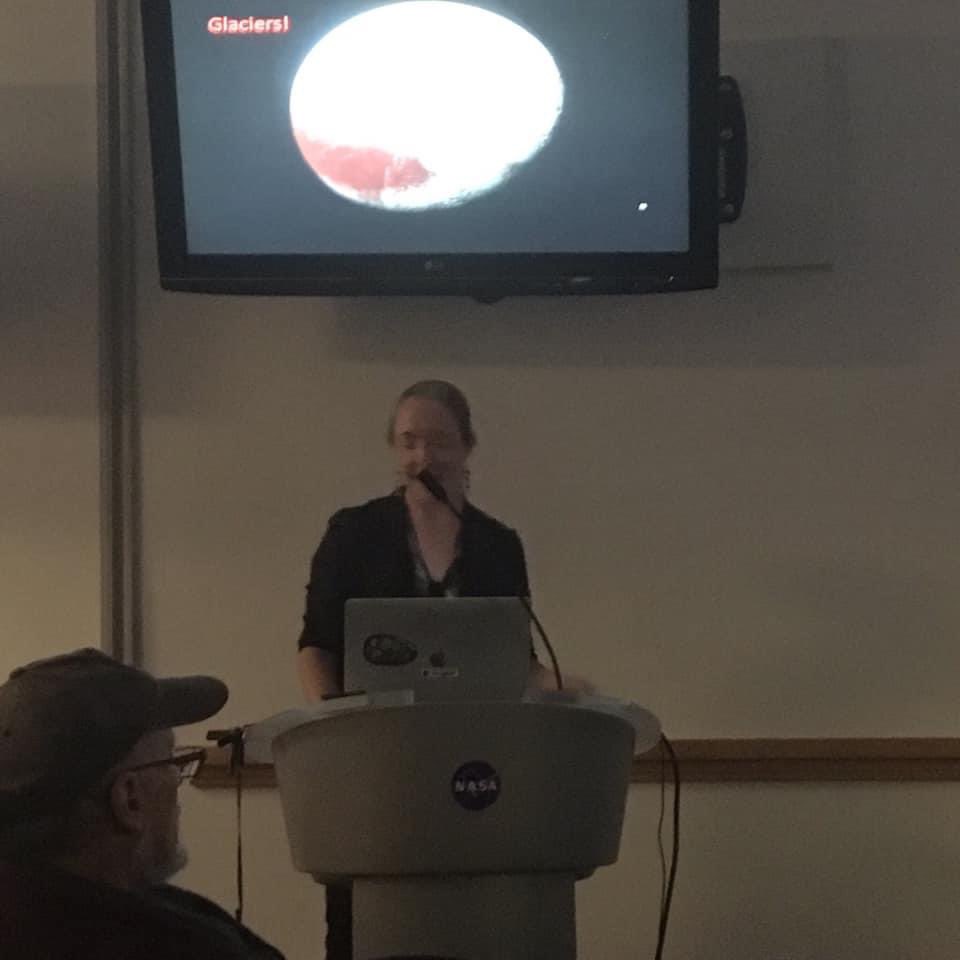
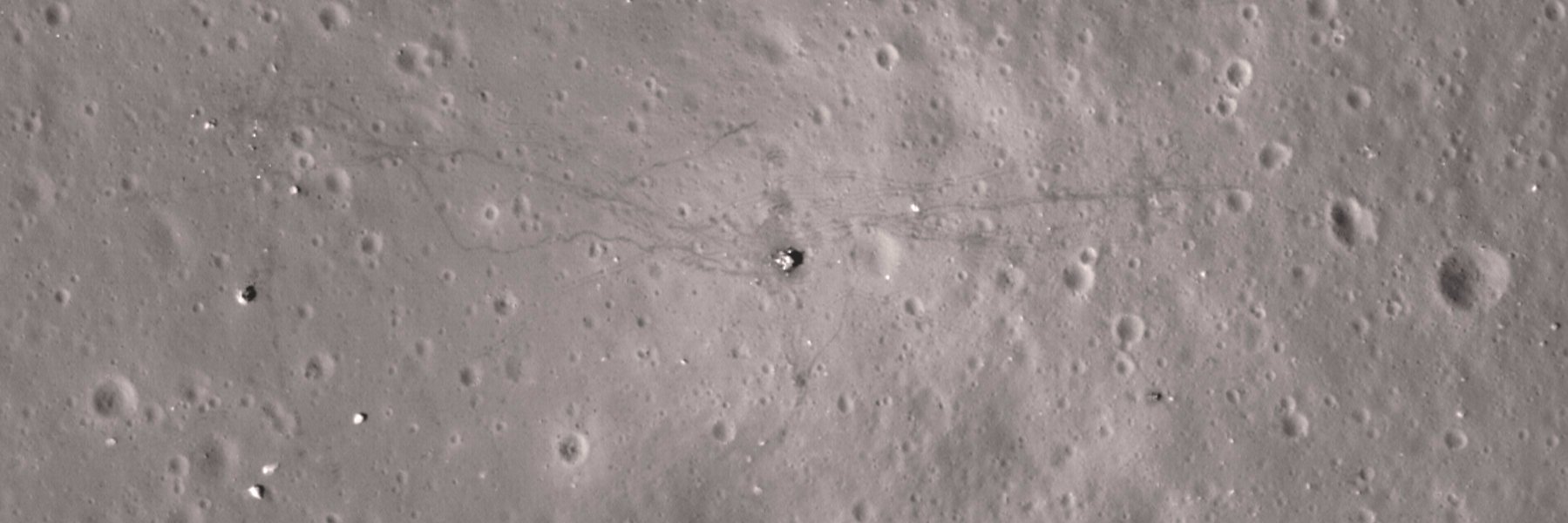
NASA Goddard Planetary Geology/Geophysics/Geochemistry Lab. P3G’s unofficial twitter feed: we study the surfaces and insides of our Solar System bodies
Are you a student who dreams of working at NASA some day? You don’t have to wait to graduate!
NASA pathways opportunities are open this week, don’t delay, apps due by Friday 9/17
Includes @NASAGoddard Solar System Exploration Division!
https://t.co/03MMdf4JU4
New research from our geologists @paddywhells, @jacobrichardson and @JHUAPL’s Alexandra Matiella Novak connect thick deposits of altered ash on Mars to a region with possible ancient supereruption-forming calderas https://t.co/8oSbw7z50n
Volcanoes on Mars? 🌋
Evidence has been found that a region of northern Mars has experienced thousands of “super eruptions,” blasting the equivalent of 400 million Olympic-sized swimming pools of molten rock & gas, over 500-million years. Discover more: https://t.co/2BF55tPYzm
We now know that there is H2O on the Moon, but how does it behave? Is there a water cycle on the Moon? A new instrument that will study how water molecules move around the Moon has just been delivered to @NASAGoddard. https://t.co/mZ1X955BEB
Meet the #WomenInScience of @NASAGoddard's Mid-Atlantic Noble Gas Research Lab (MNGRL), affectionately called Moon Girl. Their research on Moon rocks helps create a timeline of our solar system. https://t.co/hPqubK03Am
Dr. Lynnae Quick of @NASAGoddard wondered if these “ocean worlds” are common across the galaxy. Quick and her colleagues conducted a mathematical analysis of several dozen exoplanets and found that more than 1/4 of the sample could contain oceans. https://t.co/H93RPhkr6T
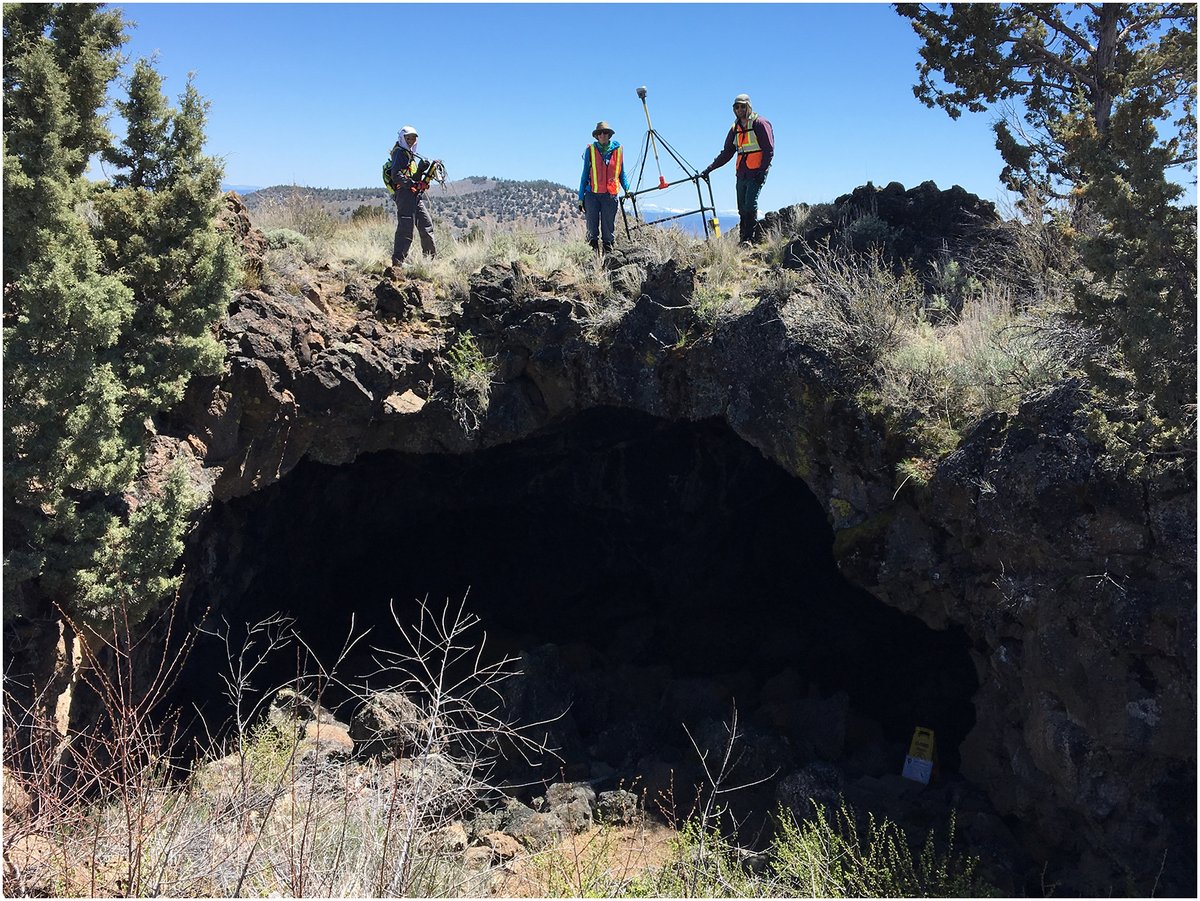
New paper out: in preparation for exploring the Moon, how easy is it to detect the size of lava tubes? Our field scientists worked with a team from @USouthFlorida to find out
Resolution of Lava Tubes With Ground Penetrating Radar: The TubeX Project https://t.co/ySO5AsoKj4 The depths and widths of two lava tubes in Lava Beds National Monument, California (USA) were relatively simple to find with GPR, while the height and floor were more challenging
When it’s safe to venture out to remote parts of the Earth, @NASAGoddard sends us to test science instruments that will one day help us study rocks and materials we find on other planets.
Want to know what our field scientists have been doing to prepare for exploration once humans land on other planets? Meet our team: https://t.co/4Jl1HPjDAL
This semester we got to work with some fantastic art students who animated our favorite spots in the Solar System from the Moon and Mars to Titan! Their final animated shorts were outstanding — well done @MICAHumanists
To Explore and Boldly Animate the Universe!
Virtually break out of your house and visit the animated universe! Students at the Maryland Institute College of Art (@mica) in have once again been working with scientists at @NASAGoddard NASA GSFC...
https://t.co/wdBl35K5Wz
@tadadaScience Hello Professor & the 428 students of GeoSci 100 at Univ of Wisconsin-Madison. I’m flattered your students saw me as “the dream”, much like my wife on our date nights.. but I digress.
My favorite geological place would be Kilauea Volcano, in Hawaii. You can literally, walk up
@Harshpr45401651 @exploreplanets@NASA@USGS Different colors represent different geologic units! The big pink area is covered in basalt - cooled, ancient lavas. Yellow and greens around craters represent ejecta - rocks and dust thrown from the impact crater during formation
What will @NASA_Astronauts uncover when they return to the Moon?
In this episode of #AskNASA, NASA's Chief Exploration Scientist Jacob Bleacher answers your questions about how we plan to dig deeper into the history of our nearest celestial neighbor: https://t.co/RdP1viubpB
Wrap up your 2019 with a listen to the newest Gravity Assist podcast! Our scientist Kelsey Young takes Astronauts to Moon School https://t.co/J0wtMkQs10
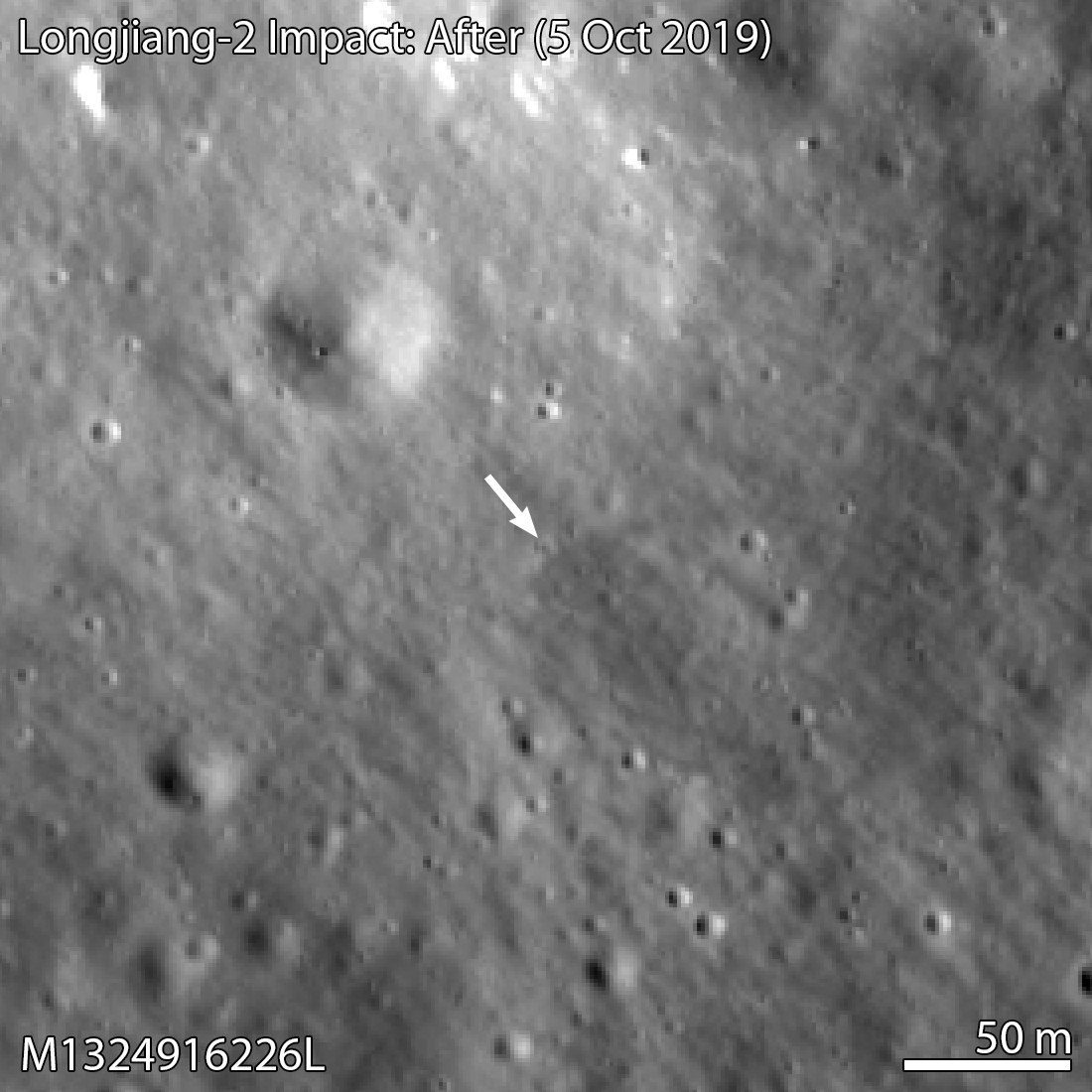
¡Sitio de impacto #Longjiang2! ¡Mediante cuidadosa comparación de imágenes preexistentes, equipo #LROC pudo localizar nuevo cráter de impacto, a distancia de 328 metros del sitio estimado! Crédito: @NASA / @PlanetSci / @ASU https://t.co/U0Ynt4ng4f #Luna https://t.co/QdTX4oIfyF