Scientific breakthroughs are rarely unique; someone else would’ve made them soon enough. But when prominent scientists cause harm, that harm isn’t inevitable; the world might simply have been better had the harm not been inflicted.
Would also like to highlight this work from @rushika_perera lab on autophagy control on MHC-1. Pioneering work from the Perera&Kimmelman labs really laid the groundwork for the project above.
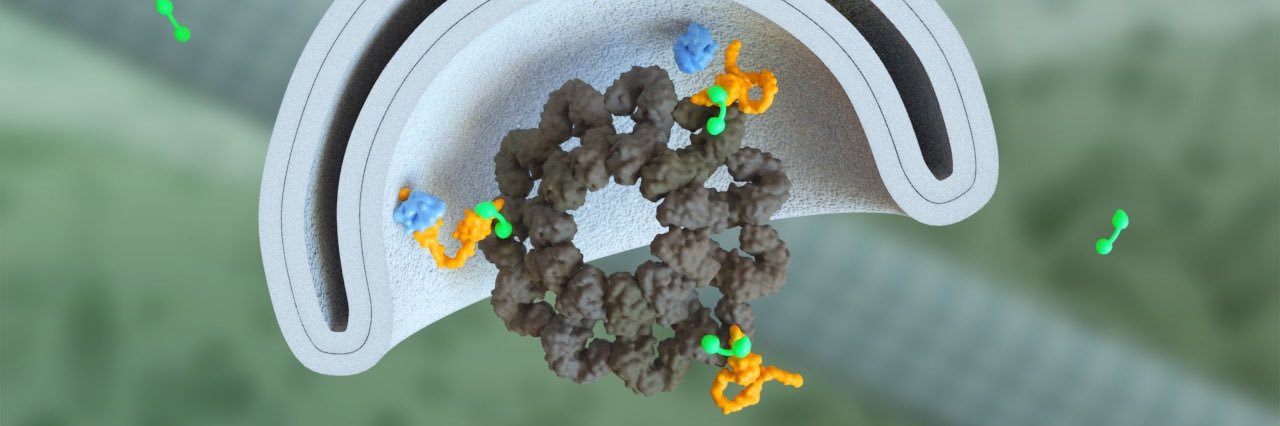
New preprint! Our latest study identifying how MHC-I is captured by autophagy and targeted for degradation in #PDAC - It all happens at the ER ! Congrats to co-first authors @marineberquez@li_alexl & Matthew Luy. Details below 👇
https://t.co/pFgephVy8z
We identified the new autophagy adaptor IRGQ, which regulates MHC-1 levels and affects hepatic cancer growth. Huge thanks to @jwadeharperlab , @ManciasLab, Lina and @iDikic2 for the collaboration. Hope you enjoy the read!
https://t.co/ygRCuZbuVv
I’m really proud of this work because it exemplifies how basic discoveries in a Petri dish could translate into meaningful therapeutic targets for various human diseases (such as cancer).
Really happy to contribute with mouse liver cancer models and human cancer data analyses to this amazing Cell paper from @iDikic2 and Herhaus lab. Huge congrats to Lina, Uxia, Ivan and other authors from @jwadeharperlab , @ManciasLab, @DikicLab, etc.👏🏻
https://t.co/9snOiFClqf
Thanks Ivan and Lina for the wonderful collaboration! I still remember all the calls and conversations we had in the early days. So satisfying to see this completion of this work and excited to see future progress too!
Kudos to Lina and Uxia @DikicLab, Vinay @Post_Dogg @jwadeharperlab @ManciasLab, @IBC2_GU colleagues and all other collaborators for an incredible science journey 😀
How #autophagy influences the regulation of MHC-I class receptors and regulates #immune evasion of #cancer?
A new role for an autophagy receptor IRGQ in this process with a clinical relevance for the development of liver carcinoma in humans and mice 😊😀
https://t.co/iH8YXDz0X9
One from my DNA damage days! Stemming from the idea of what maintains a two DSB checkpoint Prolonged Cell Cycle Arrest in Response to DNA damage in Yeast Requires the Maintenance of DNA Damage Signaling and the Spindle Assembly Checkpoint https://t.co/ngSa1q4SlW
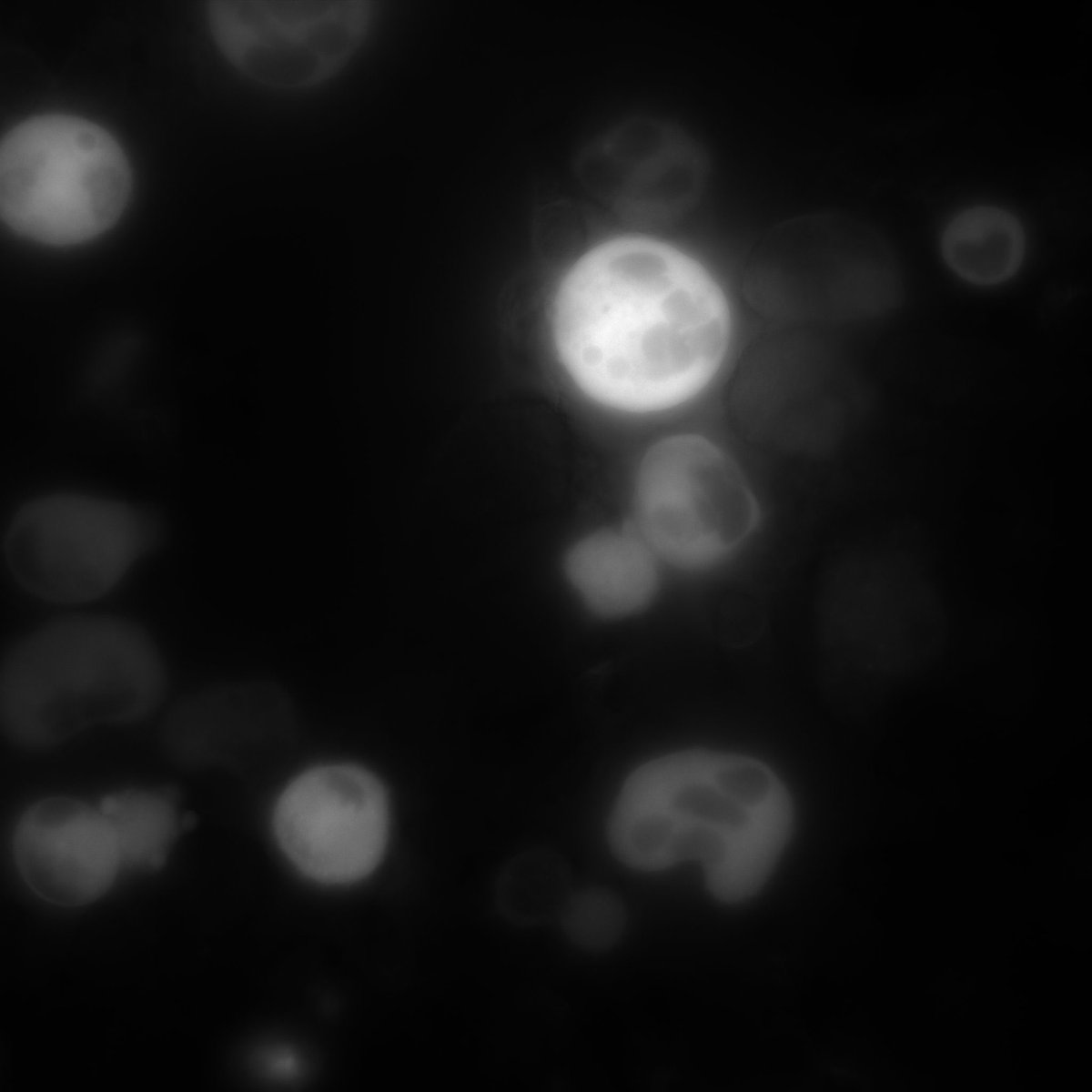
I am excited to share my new publication with @JosepItaliano. This project kickstarted my love for microscopy and one can see how much progress I made over the years from the image below to those in the final paper. Ha! Thanks to my lab mates and mentors for making it happen.
As I stand between the posts for the final time, my heart swells with gratitude and pride. This journey, from a young boy with a dream to the man defending India's honour, has been nothing short of extraordinary.
Today, I play my last match for India. Every save, every dive, every roar of the crowd will forever echo in my soul. Thank you, India, for believing in me, for standing by me. This is not the end, but the beginning of cherished memories.
Forever a custodian of dreams. Jai Hind 🇮🇳
It’s incredible that we can treat sickle cell disease with CRISPR, but it’d be extremely useful to have a pill that does the same thing.
Work from @PamelaTing@jaybradner in @ScienceMagazine show it may be possible with a molecular glue small molecule!