What if hunger is not simply about self-control, but about biology?
Sadaf Farooqi receives the 2026 EASO–Novo Nordisk Foundation Obesity Prize for Excellence for pioneering research that transformed how scientists understand obesity and appetite regulation. Her work has shown that body weight is regulated by biological systems in the brain shaped by hormones, genes and signals from fat tissue, the gut and the pancreas.
By identifying genetic causes of severe obesity – including leptin deficiency – her research demonstrated that, for some people, constant hunger is driven by biology rather than lack of willpower. This work has helped reduce stigma, guide targeted treatment and pave the way for more precise and compassionate approaches to obesity care.
An adaptive source of IL-17A/F is indispensable for EAE development! And B cell-derived IL-17 induces IL-23 signaling required to convert stem-like Th17 cells to encephalitogenic Th17 cells.
@GeneLayInst@MGBResearchNews@HarvardMed@BroadInstitute https://t.co/x94ee0LAGA
I knew this was coming. We are so f*cked - fake and real now look the same.
We desperately need tools to show journals and researchers that data is real, not AI-generated.
Dr Marc Atkin closed with the practical realities. How is the NHS preparing the ground to implement screening programmes and deliver immunotherapies to delay, or one day prevent, type 1 diabetes?
More @DiabetesUK‑funded research from Dr @BesserBesser, introducing the UK Islet Autoantibody Registry and what managing autoantibody‑positive children looks like within the NHS.
Dr @RenukaDias shares insights from the @elsadiabetes study, co‑funded by us & @bt1duk. With 40,000+ children involved, results show population screening is feasible, acceptable to families, and could reduce emergency T1D diagnoses.
Prof @KGillespieBris then turns to adults, with updates from @T1DRAdiabetes, a vital study filling a major research gap and shedding light on how type 1 diabetes develops in its earliest stages in adulthood.
Reducing plastic packaging can easily increase CO2 emissions – it leads to more food waste, which means more food gets produced, which matters far more.
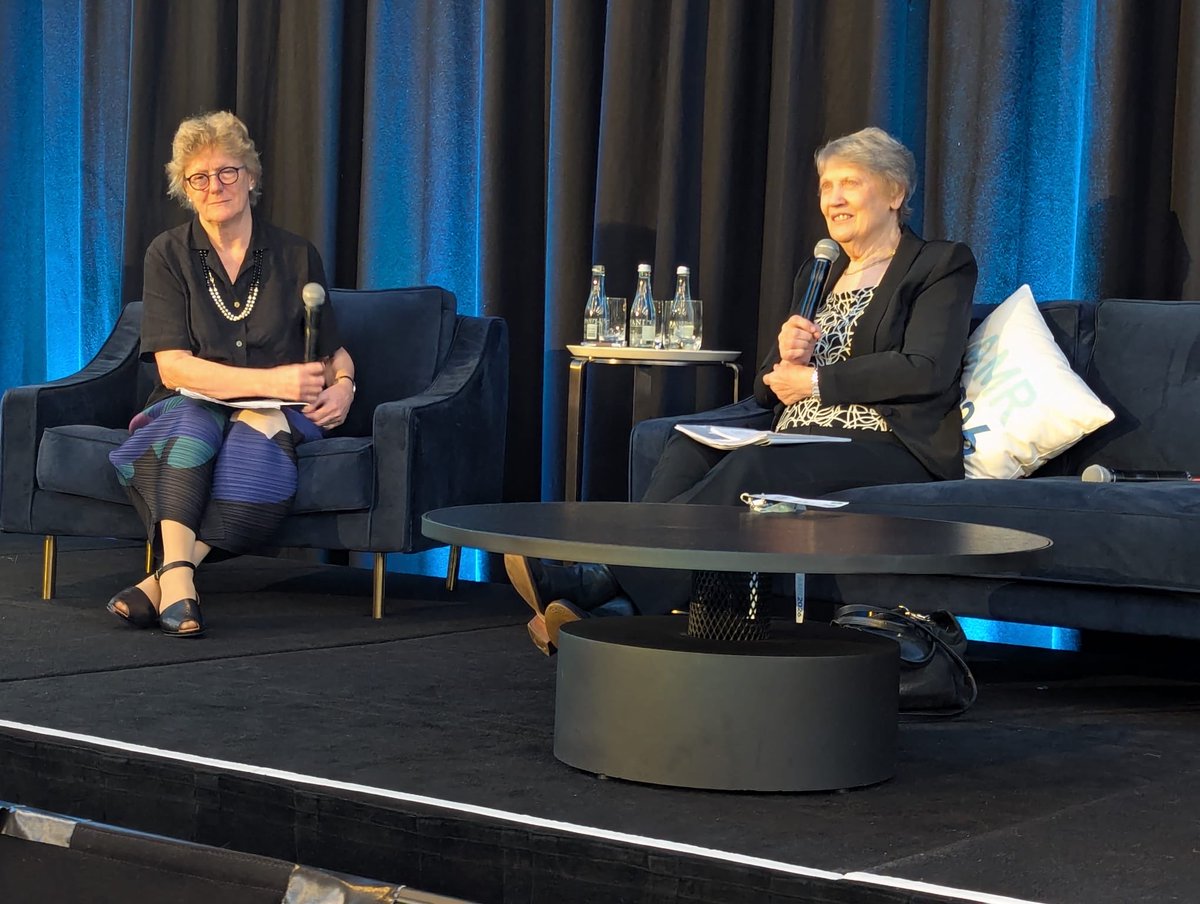
Compelling insights from @HelenClarkNZ on global political headwinds, security, and on what vaccine efficacy and anti-science sentiments teach us as we confront #AMR. The message was clear: leadership at all levels and broad coalitions are vital for the path forward.
Delighted to see that out paper "Mucosal IL-36 is a defining feature of severe paediatric bronchiolitis" is now out in Mucosal Immunology. A quite unexpected finding, which might lead to new treatment approaches. Congrats to the team! https://t.co/TBGoGtLvlM
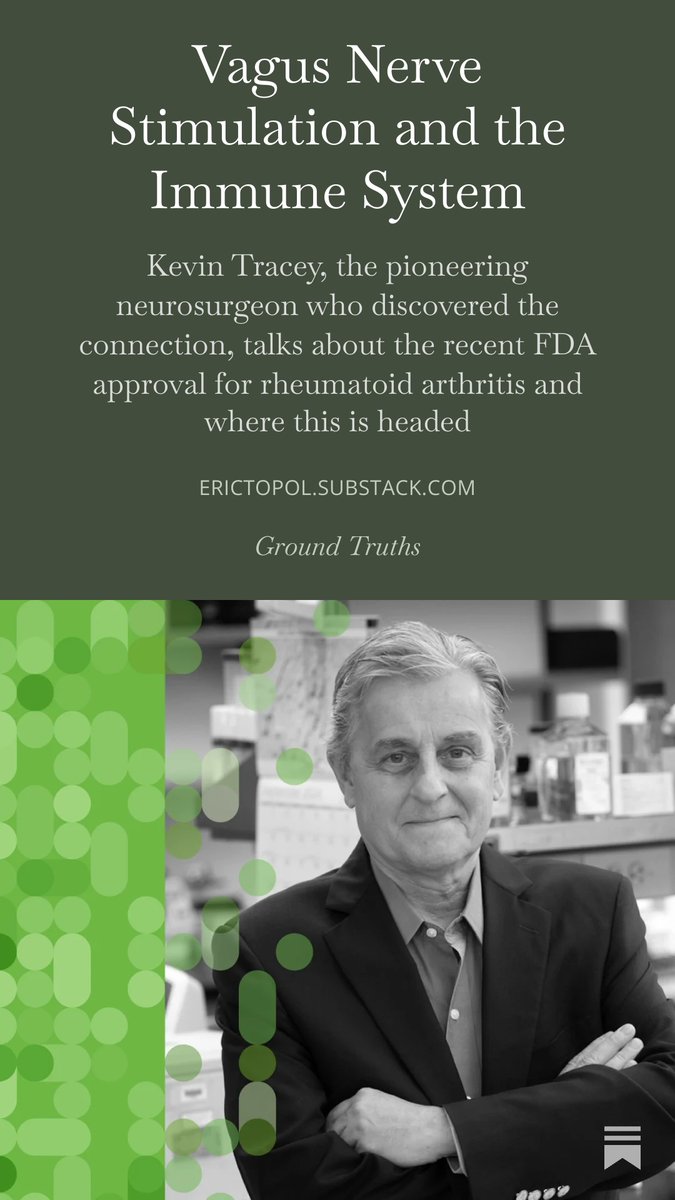
Such a great conversation with @EricTopol Topol about vagus nerve stimulation ranging from the early experiments that seemed like science fiction to today’s FDA-approved device for RA. We covered mechanism, clinical data, and future trials. https://t.co/w3QShSaSY0
The 2nd Wellcome Sanger conference on Human immunity - Genes & Environment, May 13-15 in Hinxton, UK https://t.co/x8GWBhrFMT Amazing speakers invited and many abstract presentations to offer with great opportunities for sharing your ideas - come join us!
1 minute of vagus nerve stimulation per day was recently FDA approved as a treatment for rheumatoid arthritis. A new Ground Truths podcast with @KevinJTraceyMD who pioneered this field
https://t.co/YRGzA3LxPF
Is running GPT-5 profitable?
* Gemini is doing 10^15 tokens per month
* Suppose OpenAI is 2x, that's ~0.8 billion per second
* B200 chip can prob output over 3000 tokens/sec
* So you need 310k B200s (at 80% util)
* At $2.5/hour, that's $560m/month
* Add 50% for staff etc, $840m/month
* OpenAI's revenue is $1.6bn/month
There's uncertainty, but it lines up with other estimates I've seen – running frontier models seems highly profitable.
OpenAI is only loss making because 70% of the compute is invested in developing GPT-6. The key question is whether those investments will pay off.