Turn a plain bedroom into a softer galaxy scene in seconds. This compact projector fills a ceiling or wall with cosmic visuals and can switch to a warm night-light glow when you want less brightness. Choose your star set and order today.
🚀A new CubeSat called R5 S9 launched on the Transporter 17 mission with SpaceX from SLC-4E at Vandenberg Space Force Base on July 7! Built with commercial off the shelf components, the spacecraft advances rapid and low cost development approaches.
The mission was manifested for NASA by @SEOPSLLC and carries prototypes from Sandia National Laboratories and The Aerospace Corporation, including autonomous observation technology and a low cost optical communication system. https://t.co/xVmjJulYUD
Earth observation in action: Sandbars and submerged dunes off the coast of the island of Eleuthera in the Bahamas as seen from the International Space Station. Interested in learning more? https://t.co/CGClZYD0aY
📸 @NASA
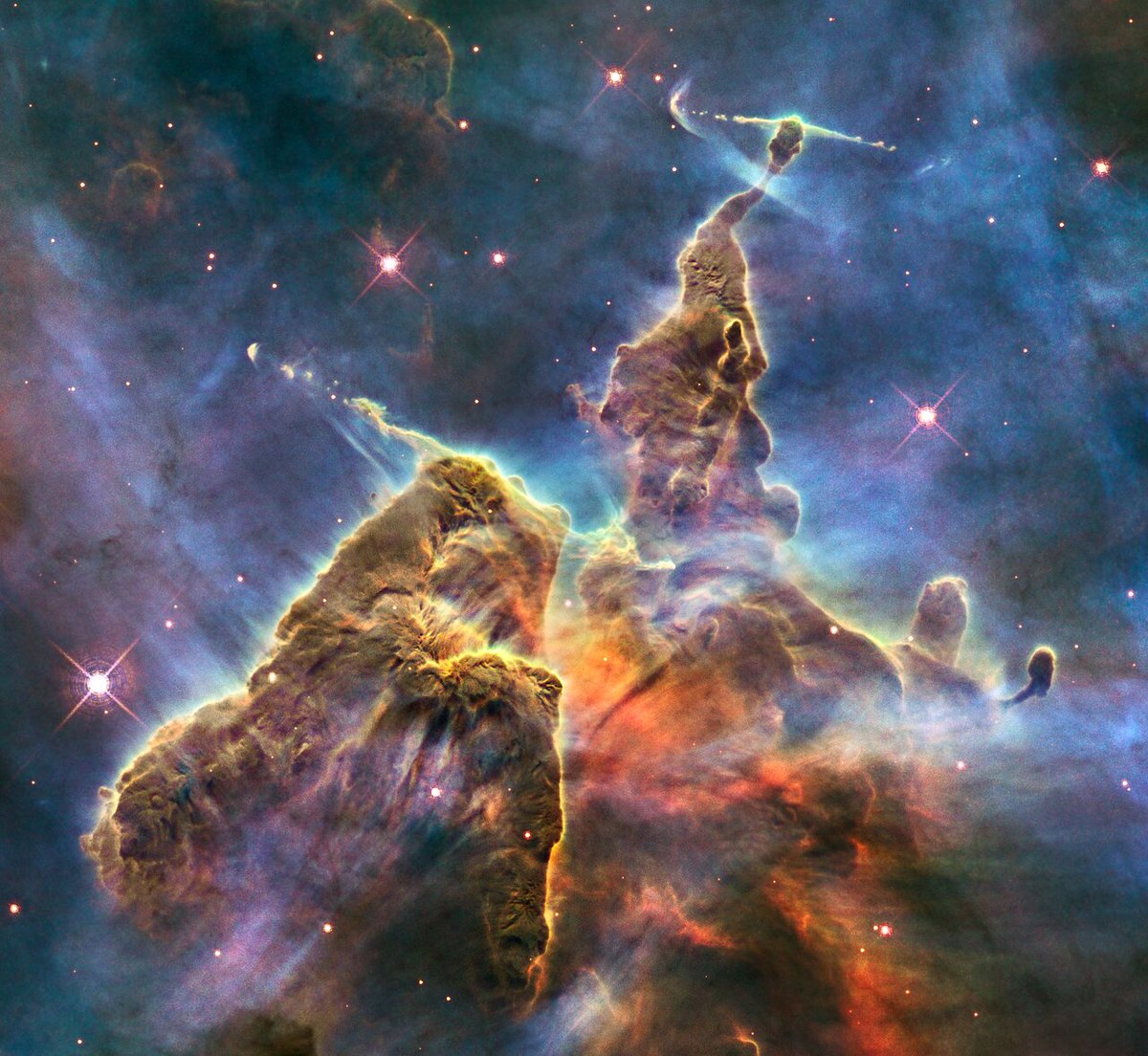
Our #HubbleTopImage features the Carina Nebula!
This image highlights a small portion of the nebula, one of the largest observable regions of starbirth 👶⭐ in our Milky Way galaxy. Here, we see the top of one of a pillar of gas and dust, three light-years tall. 1/2
OHB Builds RAMSES Asteroid Probe
OHB has begun construction of the spacecraft for ESA's #RAMSES planetary defense mission. Targeting a 2028 launch, it will study asteroid #Apophis during its 2029 Earth flyby.
🔗 https://t.co/1u1u0OQQZ1
#SpaceWatchNews#Asteroid@esa@OHB_SE
It was visible around the world.
The sunset conjunction of Jupiter (left) and Venus (right) in 2012 was visible almost no matter where you lived on Earth.
Anyone on our planet with a clear western horizon at sunset could see them. That year, a creative photographer traveled away from the town lights of Szubin, Poland to photograph a near closest approach of the two planets.
The bright planets were then separated by only three degrees and his daughter struck a humorous pose. A faint red sunset still glowed in the background. Jupiter and Venus are together again this week after sunset, passing within a degree of each other about two days from today.
Image Credit & Copyright: Marek Nikodem (PPSAE)
Particles traveling close to the speed of light near Jupiter were captured by NASA’s Juno mission, providing new evidence for how and where high-energy particles, including cosmic rays, form.
CONTINUE READING >> https://t.co/jtE4LOx45a
Starship Flight 13 preparations are ramping up fast. Booster 20 is undergoing cryo testing at Massey's while teams prepare the launch site for the second Block 3 flight.
➡️https://t.co/FohSRFbWOG
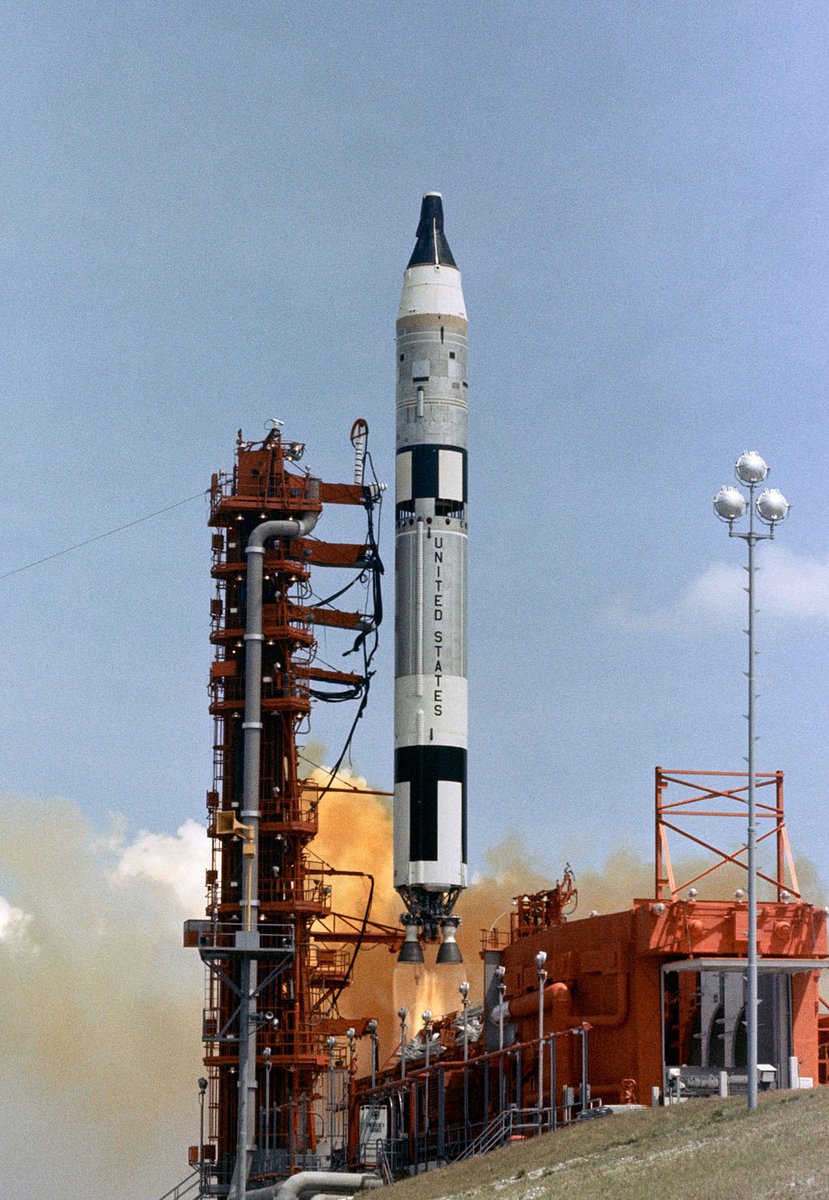
On #TDIH in 1964, Gemini 1 launched on the first mission of the Gemini Program. This uncrewed spaceflight was a test of the Gemini spacecraft and Titan II launch vehicle.
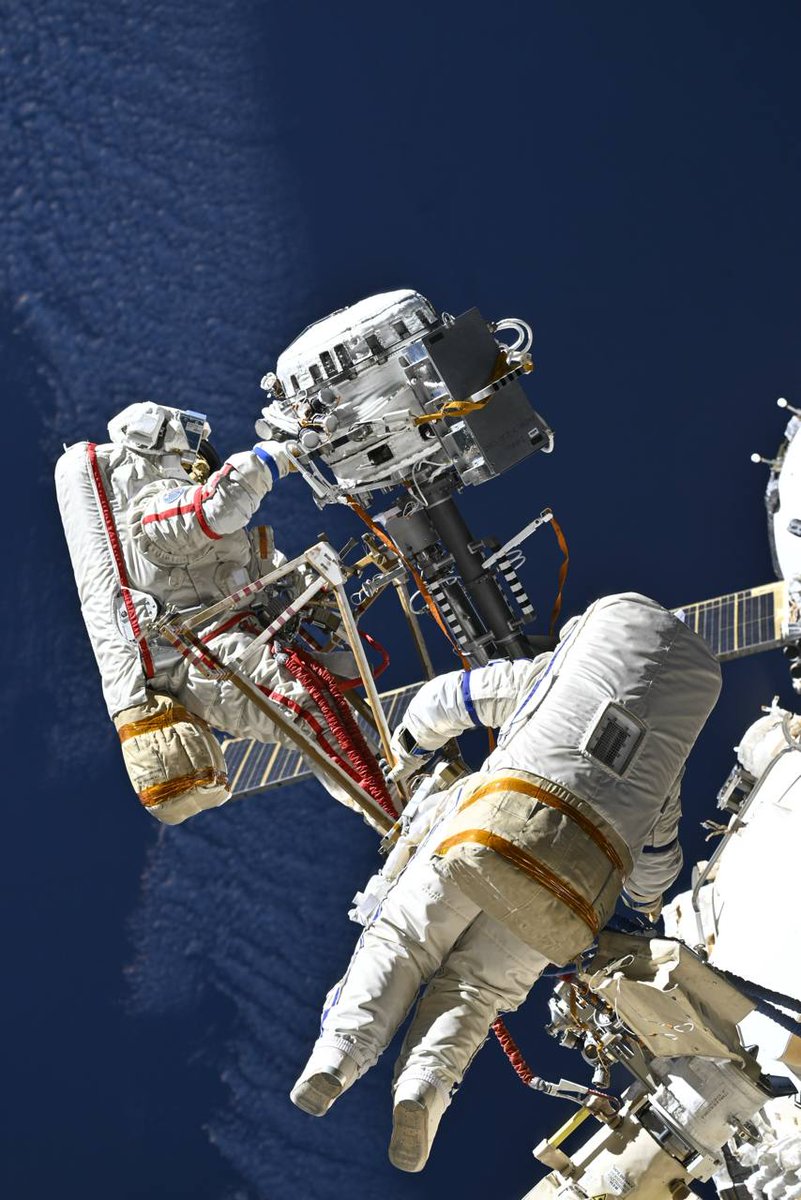
Another Russian EVA is coming! Tomorrow, at October 28, Sergey Ryzhikov and Alexei Zubritsky will egress the Poisk module presumably at 14:20 UTC. The return to the station is planned for 20:50 UTC. The details of the working program haven't been published yet.
🚀 BREAKING: We have successfully connected the Orion spacecraft to the SLS rocket, marking a major milestone in our Artemis journey!
Soon, SLS will launch, and Orion will carry 4 astronauts around the Moon for the first time in over 50 years on Artemis II, a shining example of American dominance in space.🌕🇺🇸 https://t.co/QrNDfEHCui
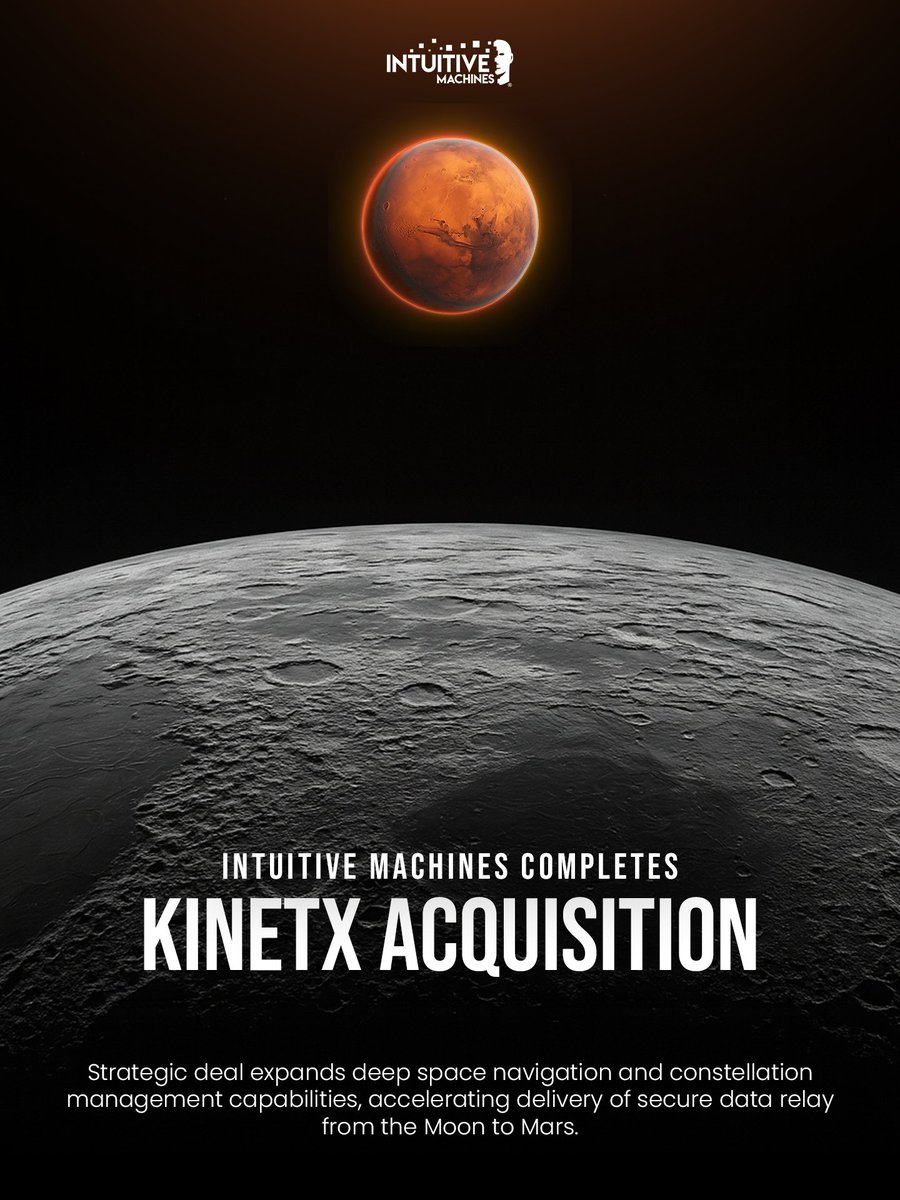
We’ve completed the acquisition of KinetX, Inc. 🌑
KinetX brings decades of #DeepSpace navigation experience, supporting missions to Mercury, Pluto, asteroids, and the Moon. Together, we’re advancing secure data relay & precision navigation for missions from the #MoonToMars Learn more: https://t.co/Ecp8cx75ft