Radiology ST3 in East Yorkshire. Interested in all aspects of neuroradiology, especially neurovascular. Always looking for new ways to learn and improve.
Glad to see our paper published in the European Heart Journal: Cardiovascular Imaging @ESC_Journals!
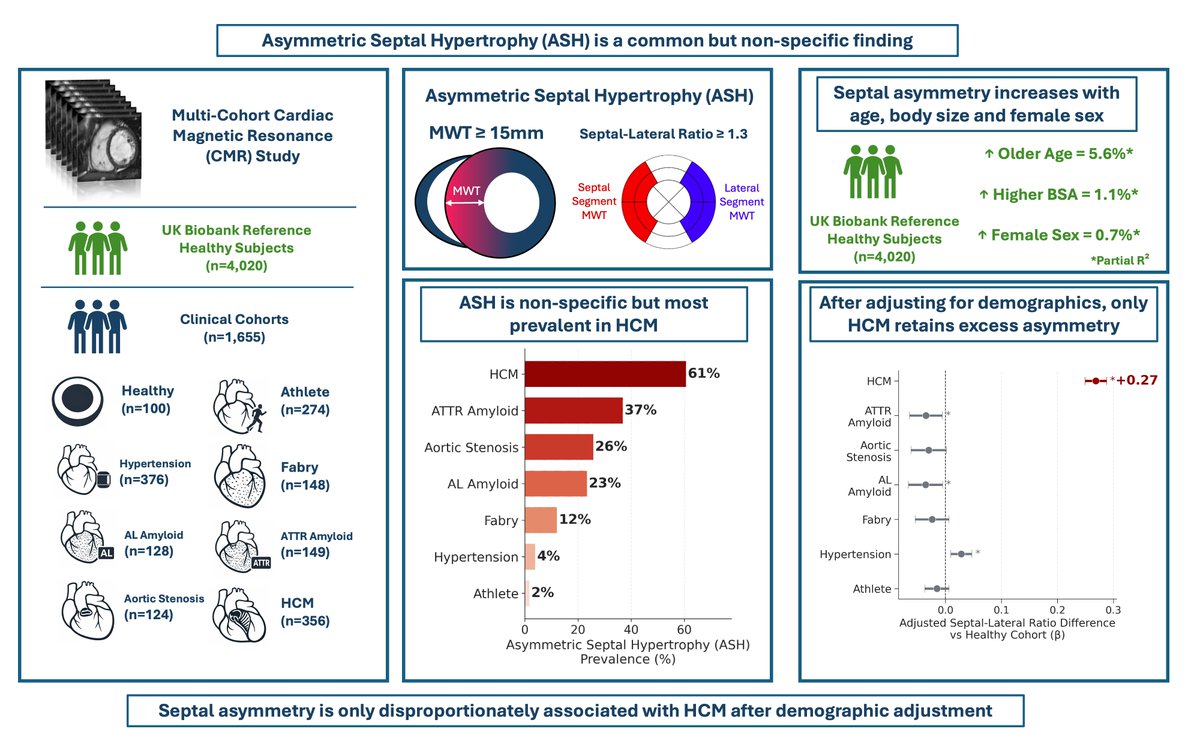
In 5,675 Cardiac MRI studies, asymmetrical septal hypertrophy (ASH) was present in 61% of hypertrophic cardiomyopathy (HCM) patients, but also 37% of ATTR amyloidosis, 26% of aortic stenosis and 23% of AL amyloidosis.
After accounting for age, sex & body size, however, excess asymmetry remained uniquely associated with HCM (ΔSLR +0.27).
https://t.co/2xiIv1ncWk
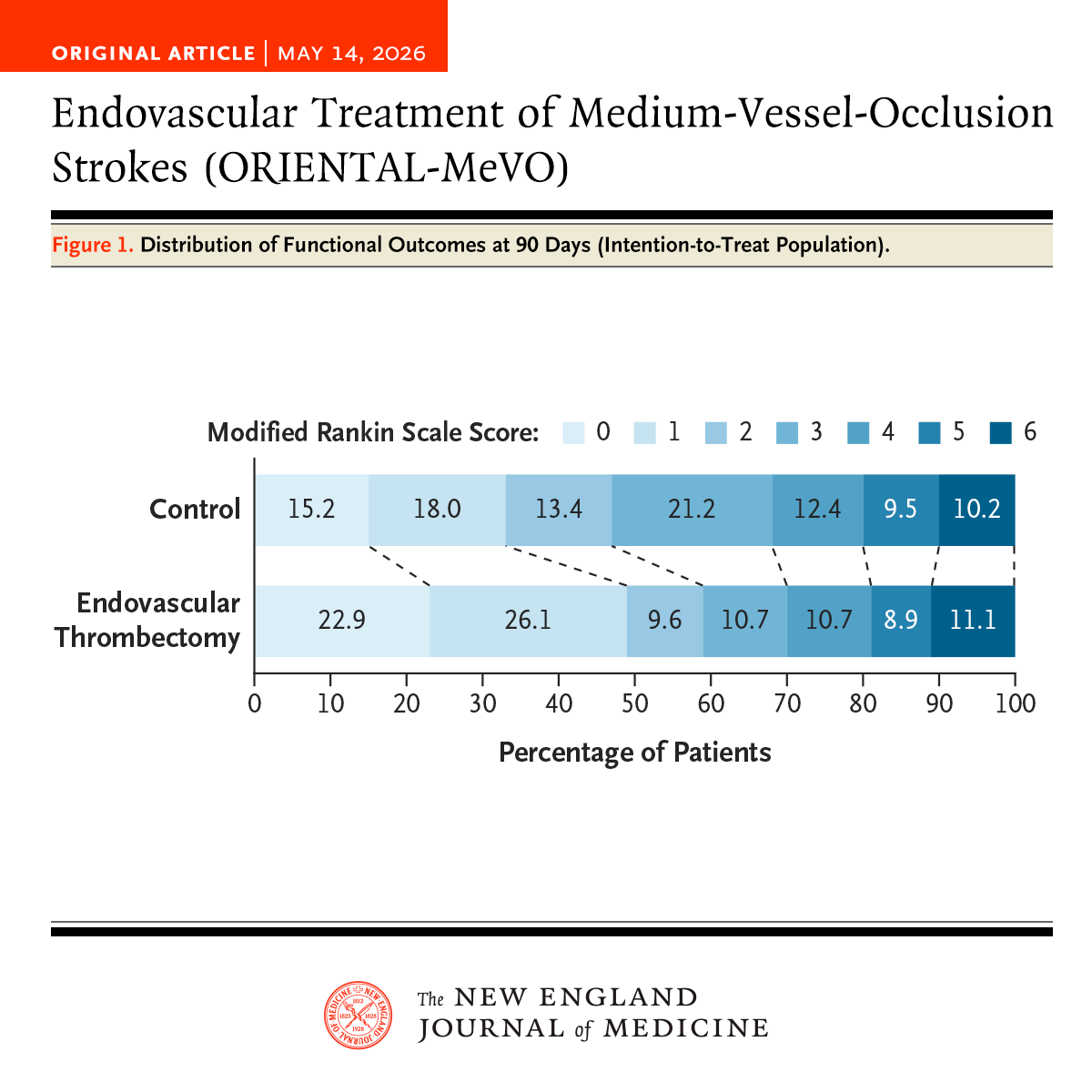
Among patients with stroke due to medium-vessel occlusion, thrombectomy led to functional independence at 90 days (in 58.6% of patients, vs. 46.6% with medical management) but also to a higher risk of intracranial hemorrhage. Full ORIENTAL-MeVO trial results: https://t.co/FvyLPQz4CV
Editorial: Endovascular Therapy for Medium-Vessel Occlusion Stroke — Narrowing the Target Population https://t.co/hnLi0DvzuF
🧵/Late-breaking science results from #ISC26 will be posted to this thread at the time of presentation.
(bookmark this post)
CHOICE2
FASTEST
CREST-2
OCEANIC-STROKE
EMBOLISE
LFAIS
LB035
2025 was a landmark year for stroke neurology.
From the MeVO trials to news of AI-driven systems of care and Factor XIa inhibitors on the horizon, the landscape of vascular neurology has shifted.
Here's a month-by-month recap of the year! 🧵
In transfusion-dependent thalassemia, the pituitary gland may appear small and hypointense (dark) on T2W MRI, which is characteristic of iron deposition (hemosiderosis).
An early clue to future hypogonadism and growth failure.
—Every signal tells a story- from my reporting list
This study provides Class III evidence that in adult patients with anterior circulation large vessel occlusion & low NIHSS score (≤5) presenting in late time window (6–24 hrs), endovascular therapy does not improve clinical outcome vs medical management: https://t.co/shS4ulrOIr
Our article about the PRECISE-DAPT CANCER score was selected as one of the top 10 articles in cardio-oncology published in 2024.
A huge achievement that was not meant to happen without the support of @mmamas1973 and @Costa_F_8 .
https://t.co/hKRM0gaaGk
https://t.co/ystR17uq8k
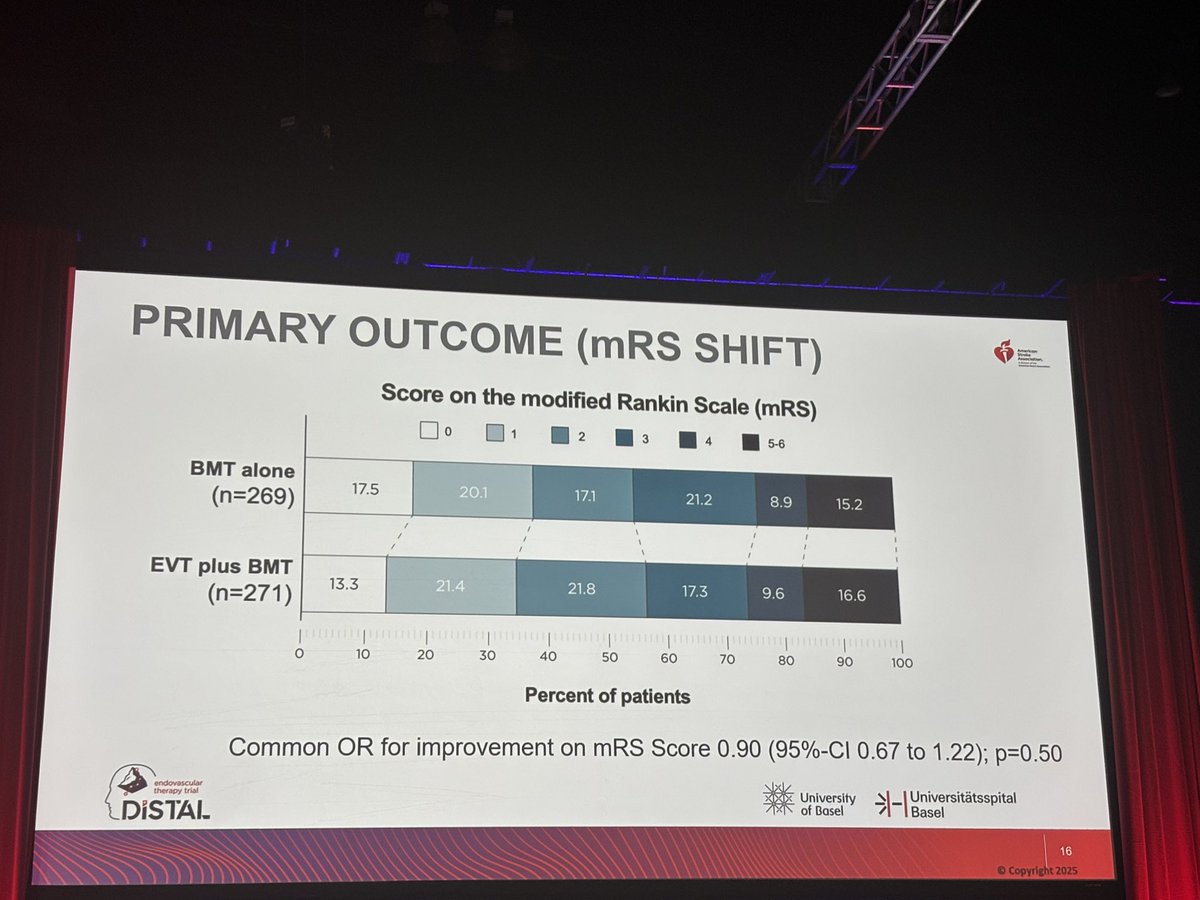
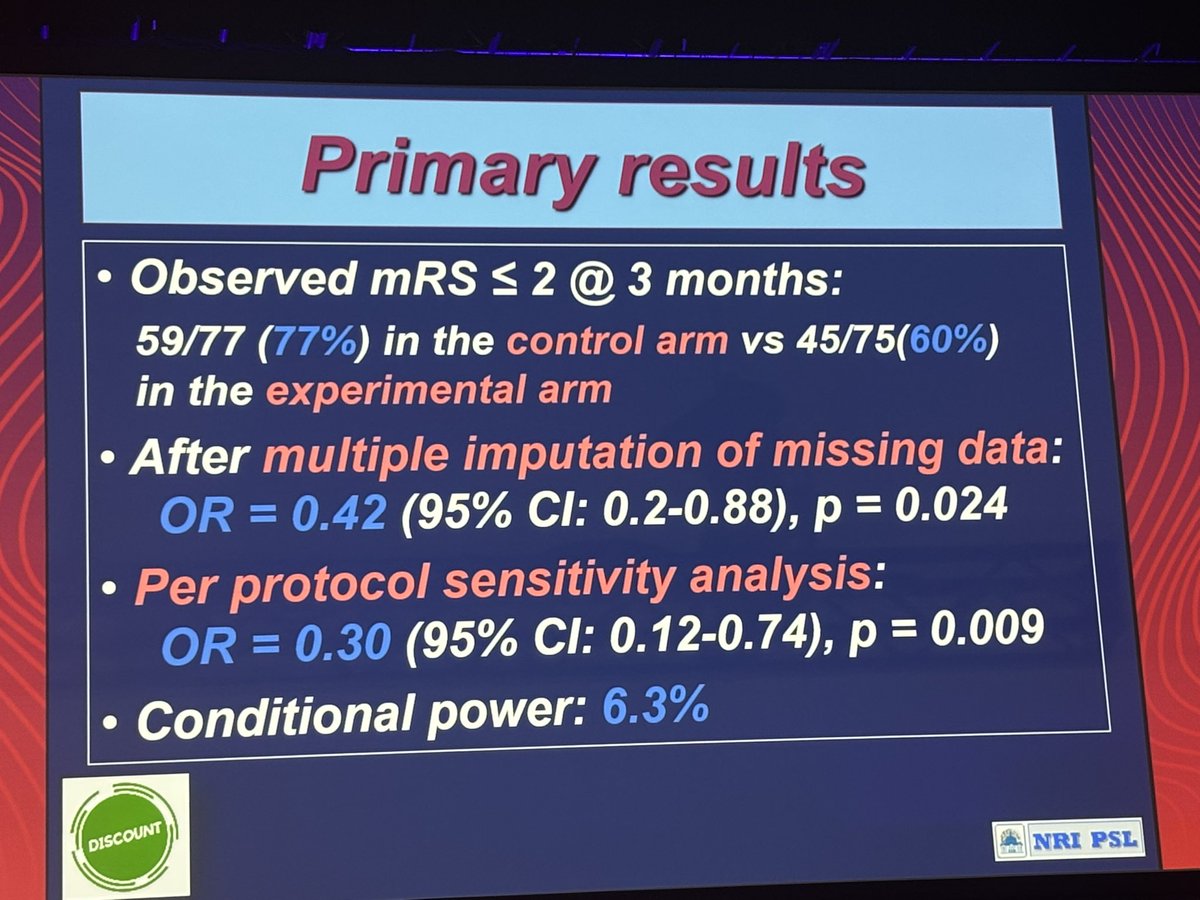
3 Medium Vessel Occlusion Trials presented today during the plenary session- DISTAL (photo 1), ESCAPE-MeVO (Photo 2), and DISCOUNT (Photo 3) unequivocally showed no benefit of EVT over best medical management. #ISC25#aha@StrokeAHA_ASA
We are pleased to announce our new neuroimaging course for general radiologists and senior trainees!
Excellent CPD with online scrollable cases and expert faculty.
📆5/3/25
💷Early bird 5/2/25- only £125, with further discounts for members & trainees
https://t.co/7PPCAKGWgQ
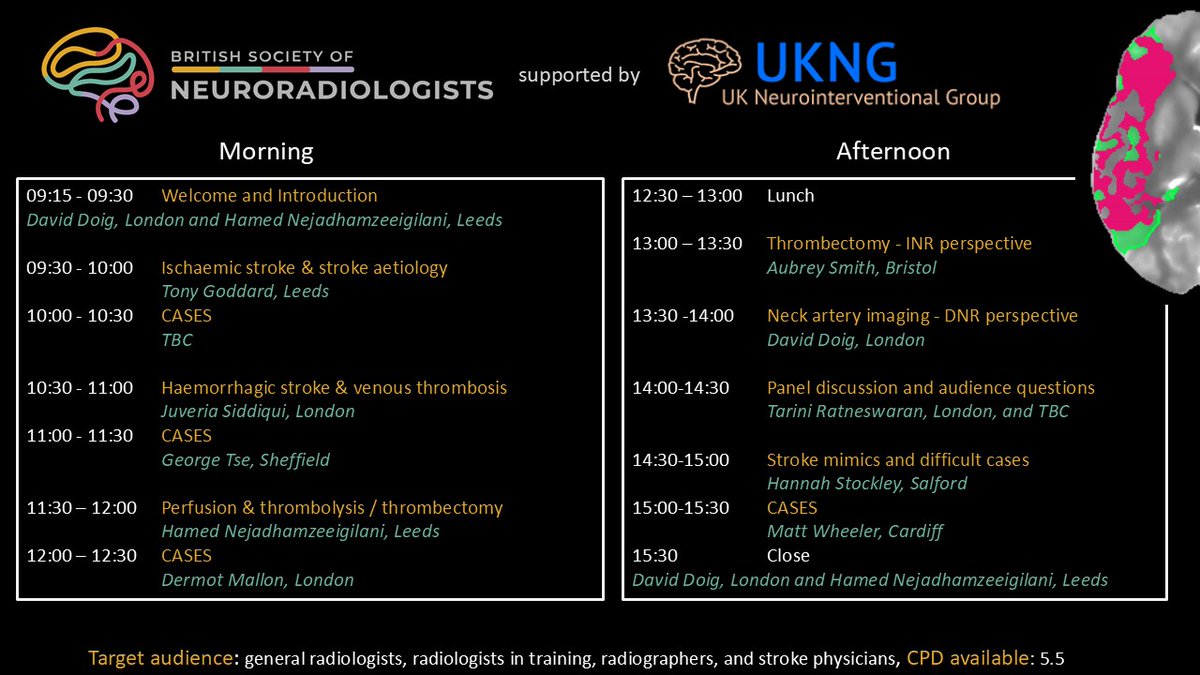
We are very pleased to announce our first online Stroke Imaging Day!
A fantastic lineup of speakers and interactive cases, of interest to anyone involved in acute stroke care.
⏲️ 31st January 2025
💷£50-150
✅Register here: https://t.co/40sWPi6IqB
#stroke#neurorad
Congrats to Dr. @B_Shyamanur, Abdominal Imaging Fellow, who received a Certificate of Merit at this year's @RSNA Annual Meeting for her presentation titled, "The Atypical & Equivocal Appendix," on which she collaborated with Assoc. Professor Dr. @SatheeshToronto Krishna Jeyaraj.
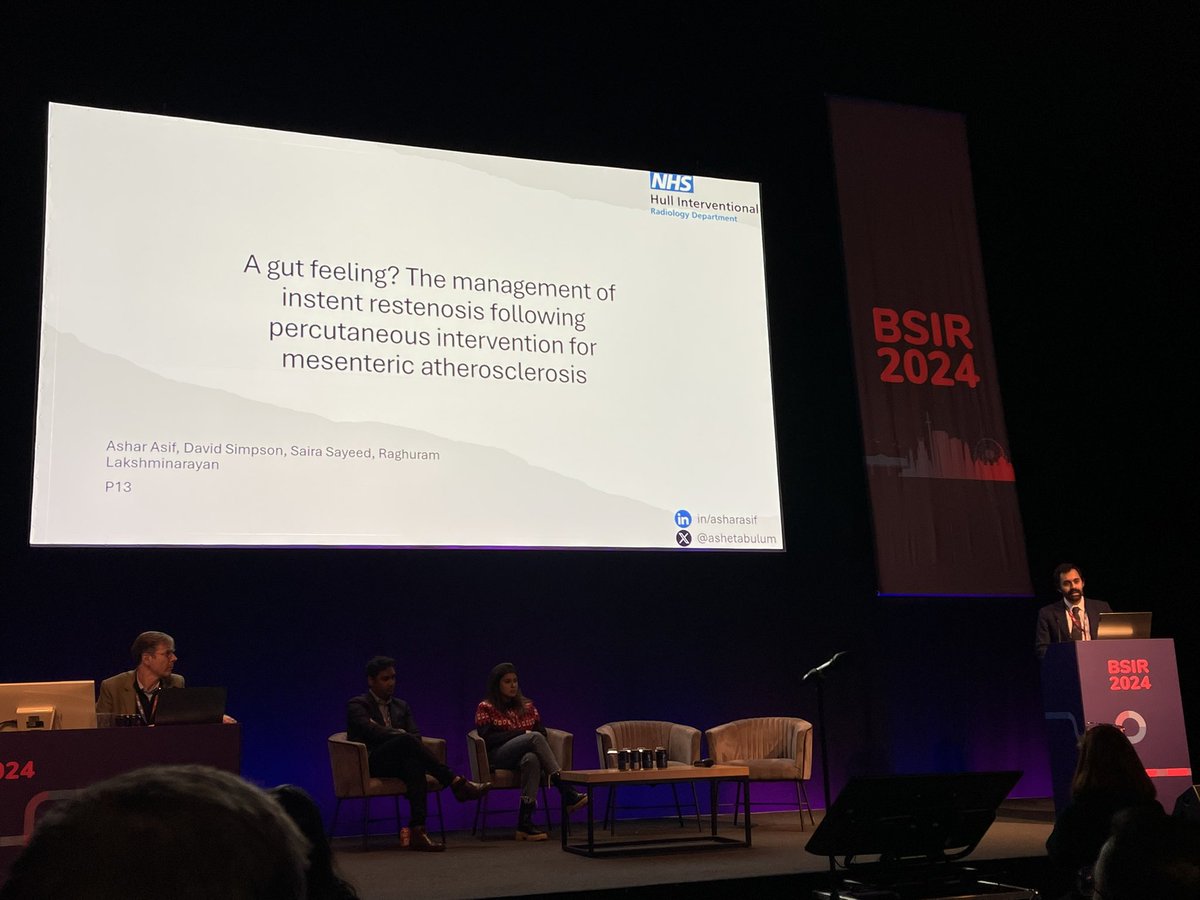
Grateful to have worked on this under @saira_sayeed and @ragsxray supervision. In short, we have a long way to go for our patients. Some interesting work coming up in the pipeline- keep your eyes peeled!
Join us for our 2nd webinar on Friday 19th April at 6:30pm. We’ll be joined by Dr Adam Davies who will be delivering a talk on ‘Acute Spine’! Register now on our website! :)
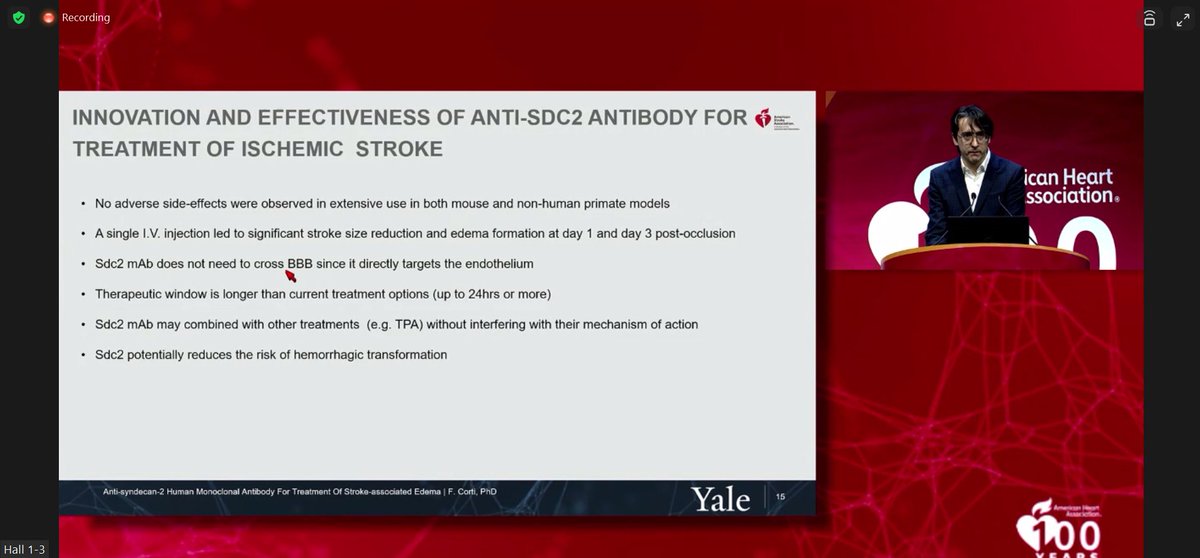
Federico Corti delivers late-breaking research demonstrating that delayed therapy with a novel human monoclonal antibody (anti-Sdc2 mAb) was able to prevent formation of vasogenic oedema and promote neuroprotection in non-human primates with ischaemic #Stroke#ISC24#ISC2024
Dr Corti from Yale introduces Anti-Sdc2 mAb as a promising therapy tested in non-human primates. #ISC24
1. Edema reduction majority of revascularization benefit.
2. VEGF-A is a driver of edema, so inhibition using Sdc2 tested in animal models
3. Sdc2 mAb reduced infarct volume!