Pray for the World 🌎 to Come Together. Time to set aside differences, to Build Relationships & Help each other, to find Solutions so All can Heal #SacAndFox
😳 Uh Oh.. Bruce!! 😱 Just finished Part 3 of Reaction to “Enter the Dragon” 🥋
Reaction Preview: “Enter the Dragon” (Part 3) - with Bruce Lee ✨ See the Full Reaction on my YouTube channel 📺 [ https://t.co/vp7qtDxKXY ]
#reaction#kungfu#movie#EnterTheDragon#BruceLee
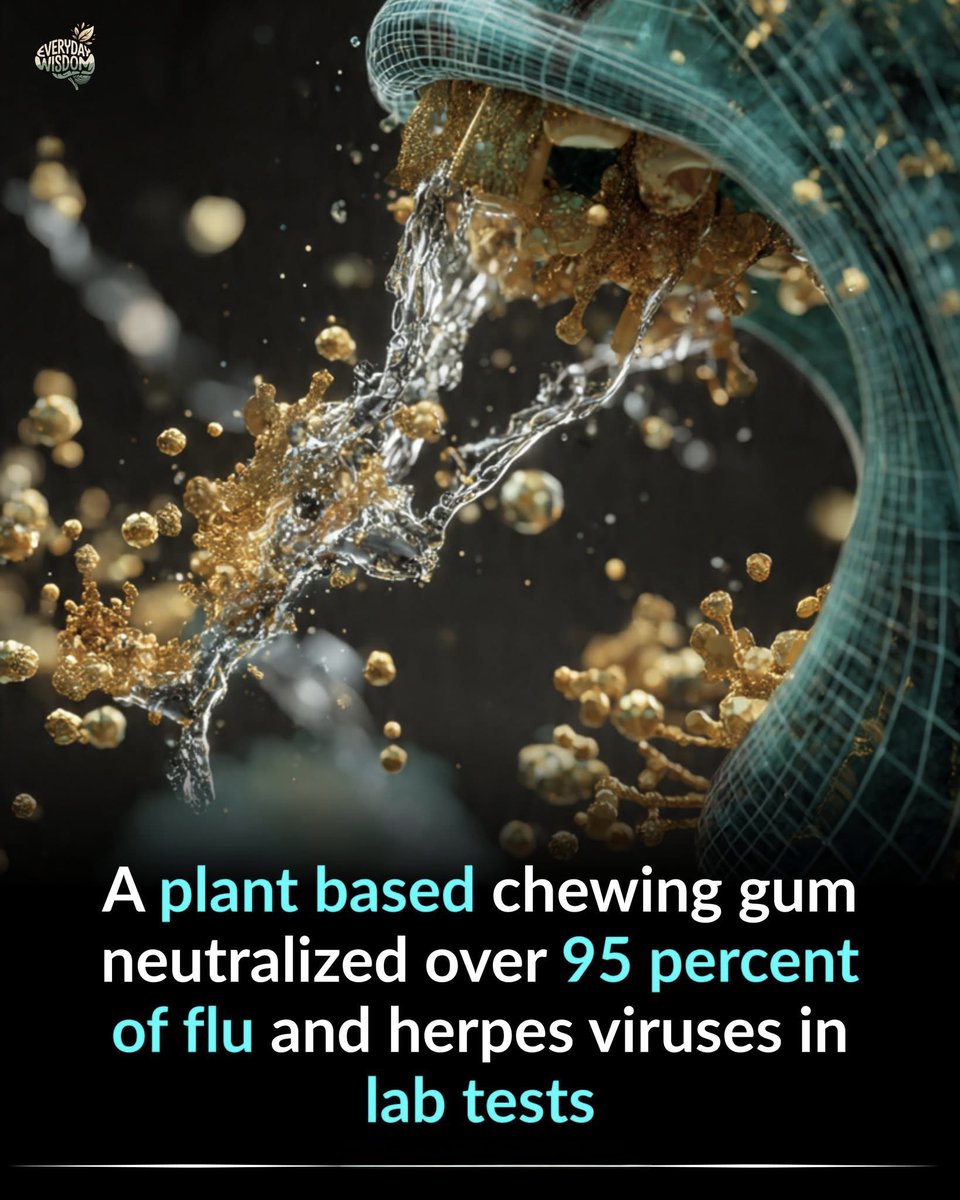
🦠 This Chewing Gum Could Stop Viruses!
Scientists tested a plant-based gum made from beans in the lab. Astonishingly, it neutralized over 95% of flu viruses and most herpes viruses it touched. Lab tests only — not proven in humans yet — but the idea of a virus-fighting gum is wild!
Source: IFLScience. (2025, April 4). Antiviral chewing gum made of beans could help stop spread of herpes and flu
Shifting Baseline Syndrom. Eins der großen Probleme in der Wahrnehmung des Artensterbens. Kurz gesagt: Das was wir als Heranwachsender kennen, wird als der Normalzustand empfunden. Damit verschiebt sich aber die Baseline von Generation zu Generation, und viel Information geht verloren… der tatsächliche Verlust an Vielfalt ist viel dramatischer als wir ihn wahrnehmen.
🐴 A practical idea for America’s wild horses
The BLM currently manages tens of thousands of excess wild horses in holding facilities. Long-term corrals are expensive and stressful for the animals. Meanwhile, many Native communities have strong cultural ties to horses and proven equine therapy programs that help with trauma, youth mental health, and cultural reconnection.
What if we expanded partnerships between the BLM and interested tribes?
Real precedent already exists: the Wind River Wild Horse Sanctuary on the Eastern Shoshone and Northern Arapaho reservation successfully cares for BLM mustangs in a semi-wild setting while supporting education and adoption.
This isn’t a total fix for wild horse management, but it could be a humane, win-win step:
• Move suitable horses to tribal lands with proper veterinary support and capacity
• Support tribal equine therapy and cultural programs
• Reduce taxpayer costs for long-term holding
• Respect tribal sovereignty and expertise
Tribes already manage their own horse populations and have sovereignty tools that allow flexible, responsible approaches. With targeted funding, training support, and clear agreements on care standards, this could scale thoughtfully.
It’s not about dumping problems on reservations — it’s about genuine collaboration that benefits horses, land, and people.
Thoughts?
Thank you to the NM League of Women Voters for hosting last night’s event so I could share my plans for real change in New Mexico.
✅Teach kids to read before the 3rd grade by addressing literacy problems sooner.
✅Give New Mexicans a raise by increasing the minimum wage and increasing the child tax credit.
✅Make our communities safer by giving law enforcement the tools to address violent crime & address root causes of crime.
✅Create the first ever Office of Community Safety to coordinate social workers and counselors.
Switzerland is turning the unused space between train tracks into solar power plants.
A startup called Sun-Ways is piloting removable solar panels that roll out like a carpet between the rails.
No new land needed, easy to maintain, and they feed clean energy straight into the grid.
If the US scaled something similar across its massive rail network, it could generate enough clean, homegrown electricity to power millions of homes.
This is the kind of smart, low-impact idea that gets more clean energy online without paving over more fields or wild spaces.
Innovations like this show we can produce the power we need while leaving more room for wildlife and nature.
Pretty cool engineering with a big upside if you ask me.
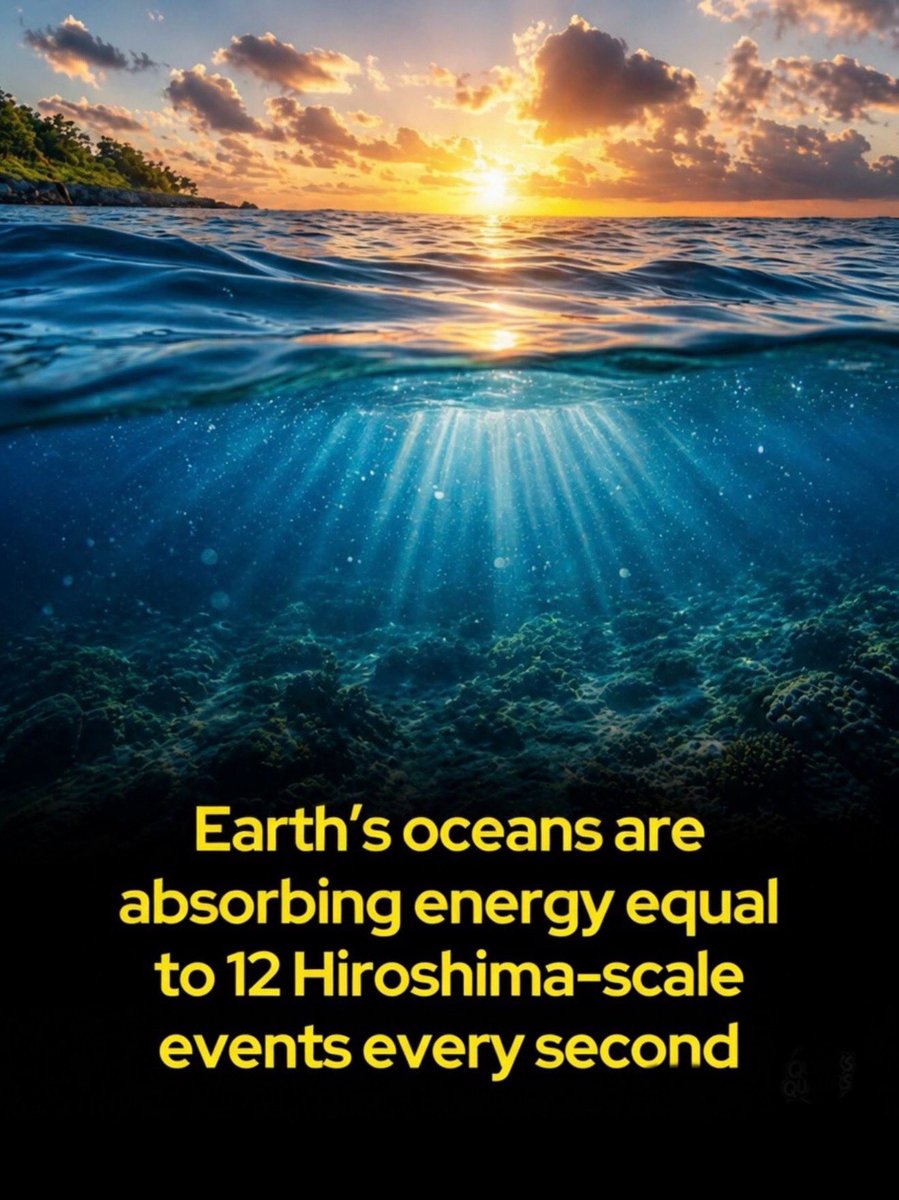
Earth’s oceans are taking in more heat than ever recorded.
In 2025, they absorbed around 23 zettajoules of energy, a new high. That’s often compared to the energy of roughly 12 Hiroshima-sized atomic events every second.
This isn’t an isolated spike. It’s the ninth consecutive year that global ocean heat has set a record.
The cause lies in how the planet stores excess energy. Greenhouse gases trap heat in the atmosphere, and over 90% of that extra energy is absorbed by the oceans. Because water can hold large amounts of heat, the oceans act as Earth’s primary energy buffer.
Scientists track this using “ocean heat content,” a measure of total heat stored in seawater, especially within the upper 2,000 meters approximately , where most warming occurs.
That heat has wide-reaching effects. Warmer oceans can intensify storms, drive marine heatwaves, disrupt weather systems, and contribute to sea-level rise as water expands.
What concerns researchers most is the pace. Ocean warming is accelerating, with 2025 adding more heat than the previous year clear evidence that Earth’s climate system continues to build up excess energy.
Read the study:
"Ocean Heat Content Sets Another Record in 2025." Advances in Atmospheric Science.
Quantum physics reveals that reality isn’t as fixed as it seems. On the tiniest scales, the simple act of observation can influence how particles behave a phenomenon known as the observer effect. Some researchers and psychologists draw an inspiring parallel to daily life, suggesting our focus, beliefs, and expectations may subtly influence how we experience reality.
In this view, thoughts are more than passing ideas they’re forms of energy that interact with the world around us. When you focus on growth instead of fear, or potential instead of limitation, your mindset may align with outcomes that reflect those frequencies.
Therapeutic approaches like Matrix Reimprinting explore this link between mind and matter by helping people reframe emotional memories and release stored stress. It’s a space where science, psychology, and energy awareness meet showing that how we perceive the world might just help shape what we live.
Credit: Sources American Psychological Association, Institute of Noetic Sciences, Scientific American, National Geographic, CERN.
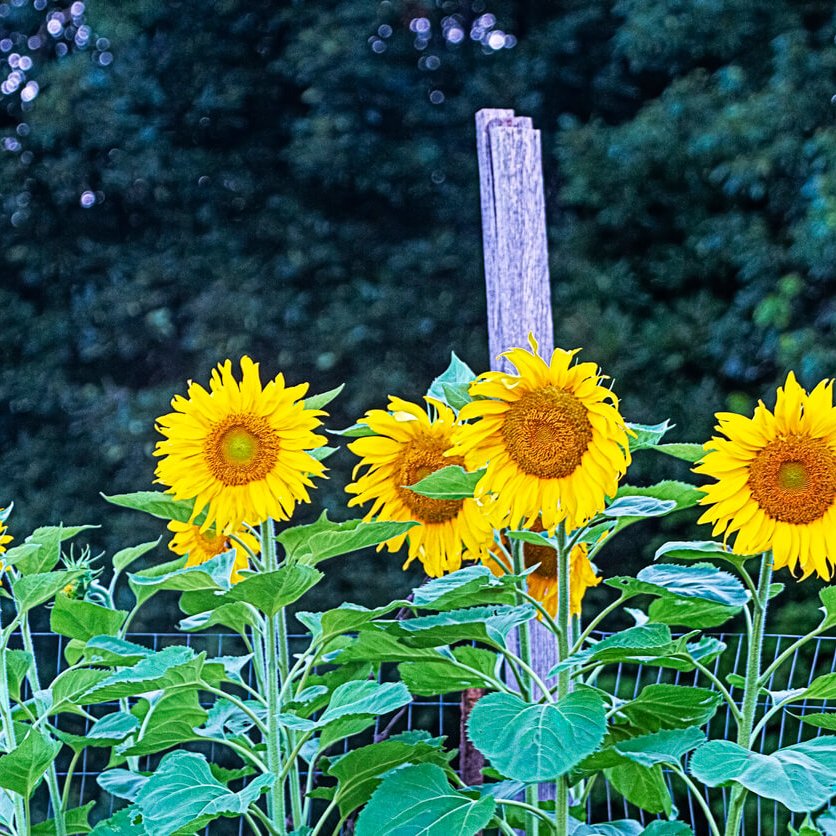
A single sunflower hosts 69 species of moth and butterfly caterpillars. Begonias and pansies host none.
Helianthus is what ecologists call a keystone genus, which means it supports a disproportionate share of the food web.
Plant one sunflower and you've installed an apartment building for native bees, beetles, hoverflies, and the specialist sunflower bees that exist nowhere else in your ecosystem.
Plant 10 of them along a fence line and you've built infrastructure that supports an entire backyard food web for the cost of a seed packet.
A few rules: leave the stalks standing through winter so native bees can nest in the hollow stems.
Cut them to 12 to 18 inches in late spring after the next generation emerges.
And buy native varieties when you can. Pollenless ornamental sunflowers were bred for cut-flower bouquets and feed almost nothing.
The flower bed you've been planting with begonias has been an ecological dead zone. Ten sunflowers fixes it for three dollars.
Dr. Hadiyah-Nicole Green is a trailblazing American medical physicist who developed a groundbreaking, laser-activated nanoparticle technology to treat cancer without damaging healthy tissue. Using nanoparticles to target and destroy tumour cells.
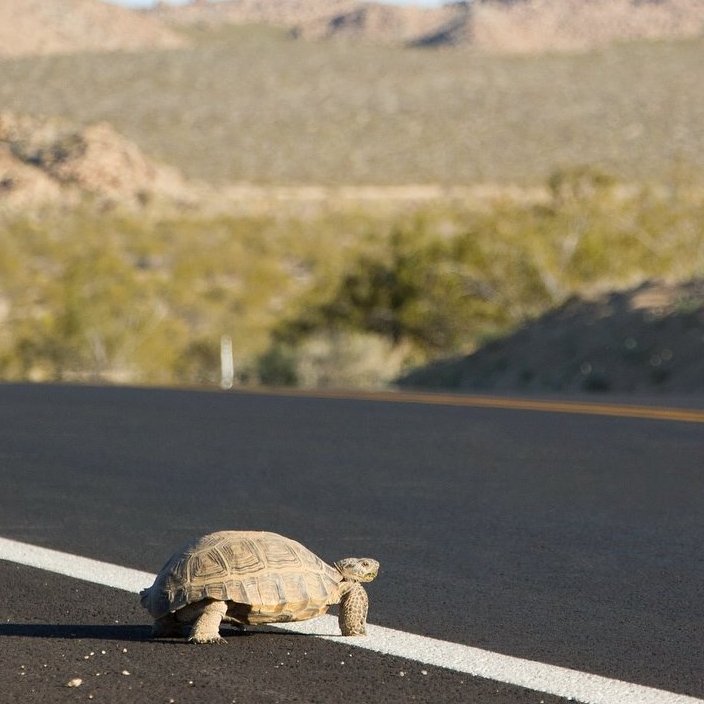
We all love desert tortoises, but if you ever encounter one in the wild, please leave it alone. If a tortoise is scared, it will void its bladder, potentially losing a year's worth of fluids that it needs to survive.
Two 17-year-olds from The Woodlands, Texas, have created an innovative device that uses ultrasonic waves to remove toxic microplastics from water.
Victoria Ou and Justin Huang developed a compact, pen-sized filtration system that employs high-frequency sound waves to push microscopic plastic particles out of flowing water. Their invention earned them a $50,000 prize at the 2024 Regeneron International Science and Engineering Fair.
In laboratory tests, the device successfully removed 84 to 94 percent of common microplastics, including polyurethane, polystyrene, and polyethylene, in a single pass. Unlike traditional filtration methods, it requires no disposable filters that can clog or harmful chemicals.
The idea was sparked during a visit to a local water treatment plant, where the students realized existing systems were largely ineffective at capturing microplastics. Their ultrasonic approach offers a cleaner, more efficient solution that could eventually be scaled for use in municipal water treatment plants, industrial facilities, and even household systems.
This promising innovation addresses a growing environmental and health concern, as microplastics continue to contaminate oceans, rivers, drinking water, and the air.
“People believe that each tribe had its own special relationship to the superior force which governed the universe …and that the job of each set of tribal beliefs was to fulfill its own tasks without worrying about what others were doing.”
~ Vine Deloria Jr.-Standing Rock Lakota,
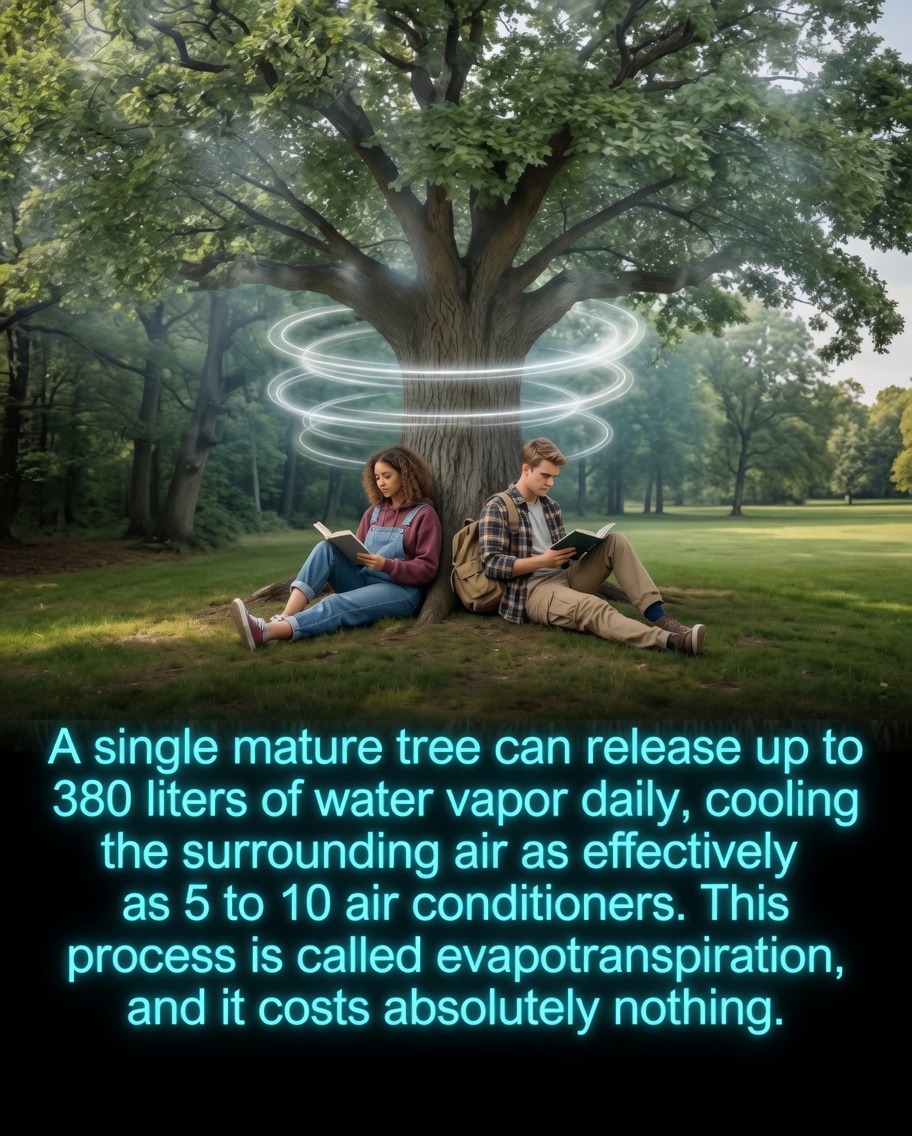
Science has now confirmed what anyone who has ever sought shade under a tree on a scorching day already instinctively knew: trees are nature’s ultimate air conditioners.
A single mature tree can release up to 380 liters of water vapor into the atmosphere every day through a process called evapotranspiration. Water drawn up from the roots travels through the trunk and evaporates from the leaves, quietly absorbing heat and cooling the surrounding air in the process.
The scale of this natural cooling is astonishing. According to environmental researchers, one large tree can produce a cooling effect equivalent to running five to ten air conditioners continuously for 20 hours — every single day. It does this silently, without using any electricity, without making any noise, and without emitting a single gram of carbon.
Every tree standing on a hot afternoon is essentially a free, self-powered, zero-emission cooling system that has been working since the day it was planted. Every tree we cut down removes that powerful natural cooling forever. Every tree we plant adds it back.
Nature really did build the perfect climate control system long before we ever invented one.
The strongest El Niño in 150 years?
That’s not hype, it’s the actual median forecast right now for the developing event later this year.
It could rival — or even surpass — the legendary 1877 El Niño, the strongest on record, which was linked to widespread drought, monsoon failure, and global food crises in parts of Asia, Africa, and South America.
But what does that mean today?
It means a tremendous amount of excess ocean heat being released into the atmosphere - energy that can rearrange weather patterns around the world.
That typically leads to:
🌧️ Increased flood risk in some regions
🔥 More intense/ prolonged heatwaves, drought and fires
🌪️ A shift in severe storm tracks
🌀 And often a suppressed Atlantic hurricane season, but boosted in the East Pacific.
Since it’s so huge, when the Pacific talks, the atmosphere listens!
But this isn’t 1877… forecasting, infrastructure, and global awareness are far better today. We’ll be better prepared.
Now transparency on the science: the 1877 3-month Nino 3.4 ocean temp anomaly maxed out at +2.7°C. The latest median forecast for all ensembles in late 2026 is +2.75°C in the Nino 3.4 region. So, it may be stronger. Here’s the caveat: that region is now approx .75 - 1°C warmer than it was in 1855, so some of the heat building up there is on top of a baseline which is already warmer today. So in absolutes… this will probably rival 1877, but relatively speaking due to global warming, the event will likely fall short and thus its global impacts may not rise to that level. That’s why we now have the RONI (index) which accounts for our new warmed World. (Pictured here is the October NMME with a region of +3-4°C over the East Tropical Pacific)
Will certainly be interesting to watch from a scientific perspective.
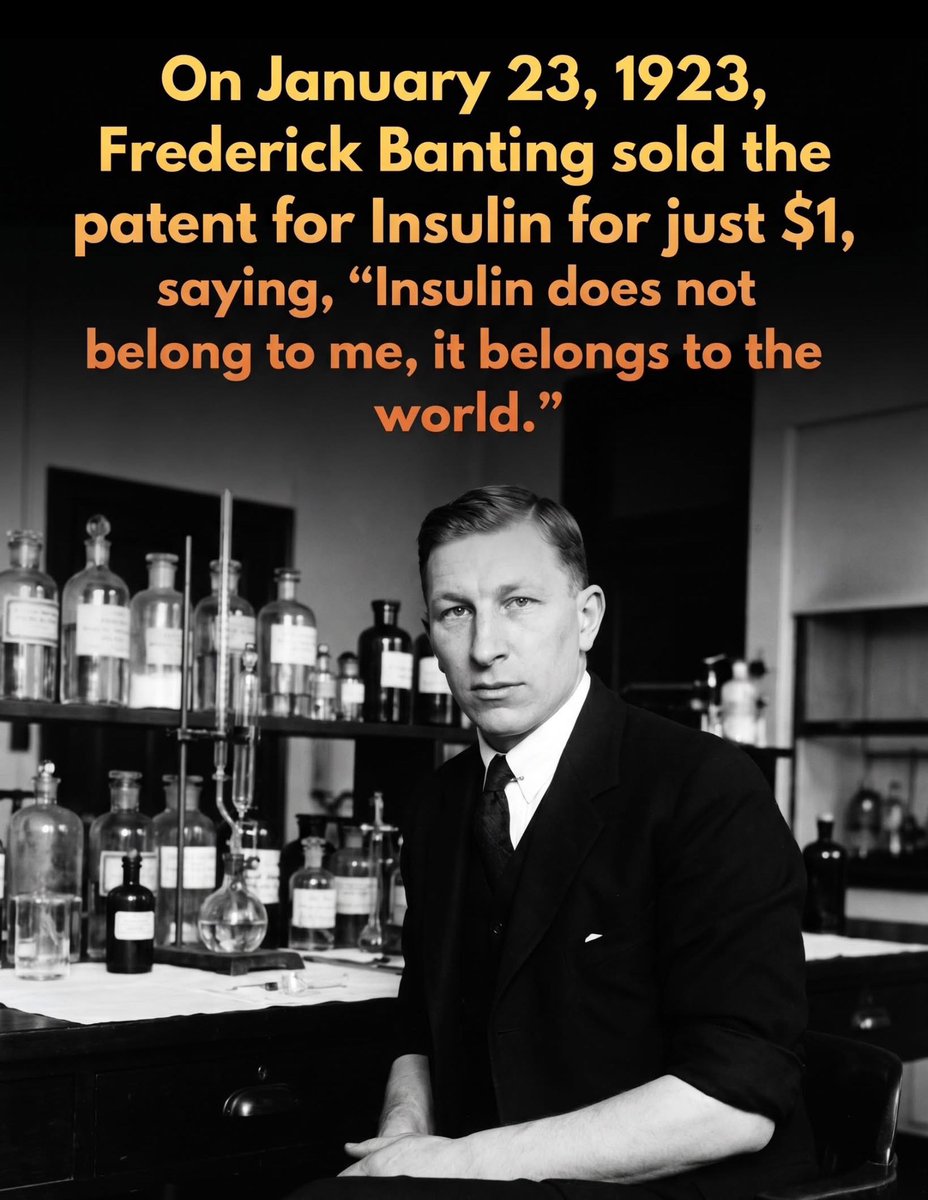
The patent to insulin was sold for just $1.
Before the medical breakthroughs of the early 1920s, a diabetes diagnosis was effectively a death sentence.
The only known treatment was a grueling starvation diet intended to prolong life by just a few months.
This bleak reality shifted when Canadian physician Frederick Banting, working alongside medical student Charles Best, professor J.R.R. McLeod, and chemist James Collip, successfully isolated and refined insulin at the University of Toronto, providing the first real hope for millions suffering from the metabolic disorder.
The true legacy of the discovery was cemented on January 23, 1923, when the researchers were granted the American patents for insulin.
Rather than seeking personal fortune, Banting and his colleagues sold the rights to the University of Toronto for a single dollar each. Banting famously stated that insulin 'belongs to the world,' a profound gesture intended to ensure that no patient would ever be denied the life-saving hormone due to an inability to pay.
source: University of Toronto. (2021). The Discovery of Insulin. University of Toronto Library Heritage Collection.
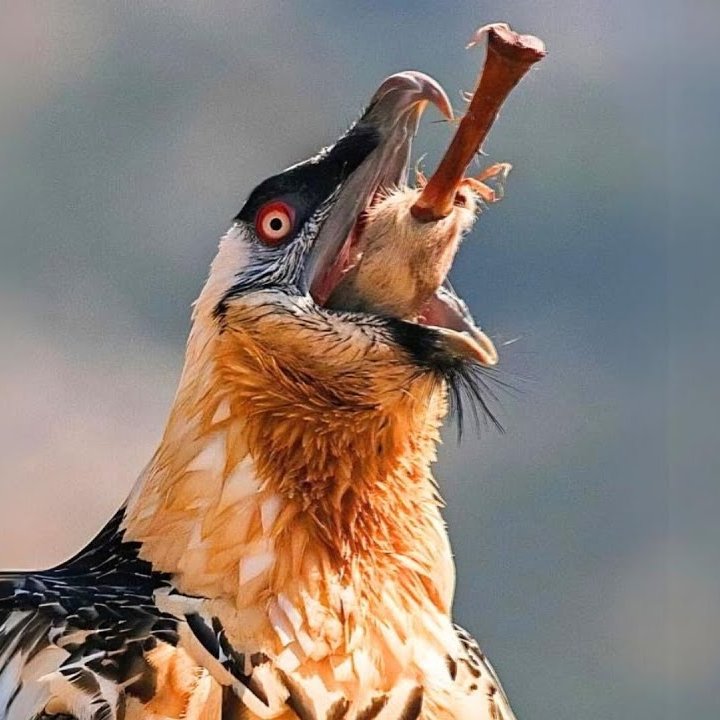
Vultures eat anthrax, botulism, rabies, and cholera for breakfast.
Their stomach acid is among the most corrosive in the animal kingdom, with a pH around 1, low enough to dissolve the bones, hide, and pathogens of dead animals that would kill almost anything else.
A vulture eating a diseased carcass isn't a vector for disease, it's a terminus. The disease chain ends in the vulture's gut, and that's pretty hardcore.
When vulture populations crashed in India in the 1990s, rotting livestock carcasses sat where vultures used to clean them.
Feral dogs and rats took over the cleanup, both of which actually do spread rabies. Researchers later linked the vulture collapse to roughly 500,000 deaths in India over the following decade.
The same collapse is now underway in sub-Saharan Africa. Six of eleven African vulture species are threatened with extinction, primarily from poisoned poaching baits.
The animals nobody finds cute are doing more public health work than most of the species we actively protect.