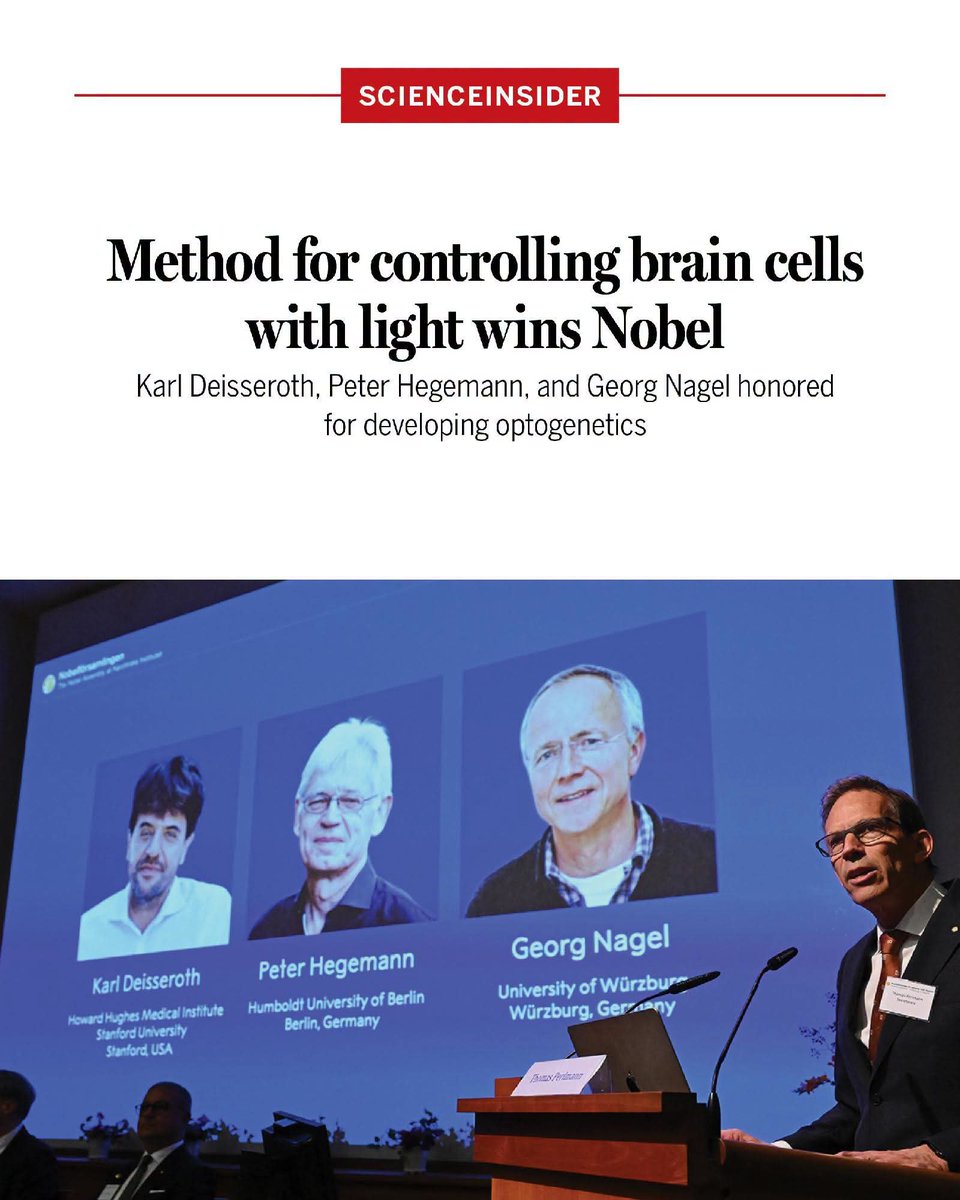
“Your purpose as a scientist is to make discoveries and gift them to humanity. And those discoveries and that knowledge stays with humanity long after you are gone.”
- 2022 chemistry laureate @CarolynBertozzi, awarded for developing bioorthogonal reactions.
Scientists have debated for decades whether the human brain sprouts new neurons throughout life.
What would it mean if it could?
https://t.co/KkwqJv8aHM
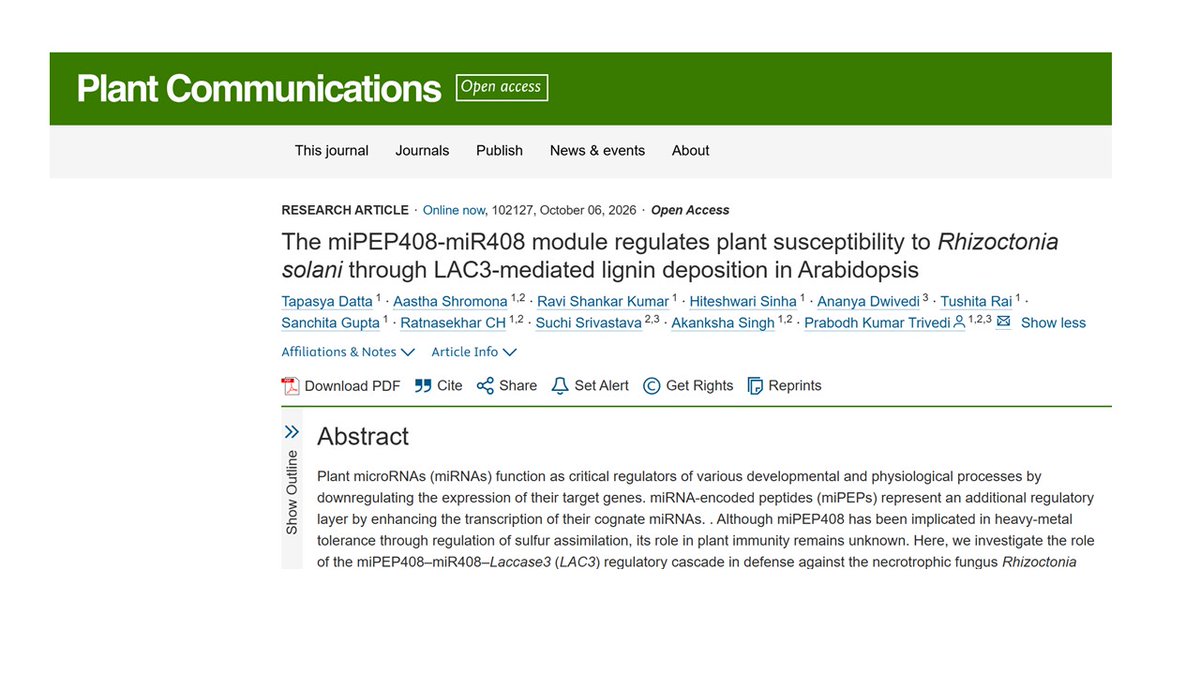
Plant Communications@MPlantPCom! We uncover miPEP408–miR408–LAC3 regulatory module that links miRNA-encoded peptide signaling to lignification-mediated immunity against Rhizoctonia solani in Arabidopsis. @tapasya_datta@prabodhslab@CSIRCIMAP@CSIR_IND
https://t.co/DadtlKkRE1
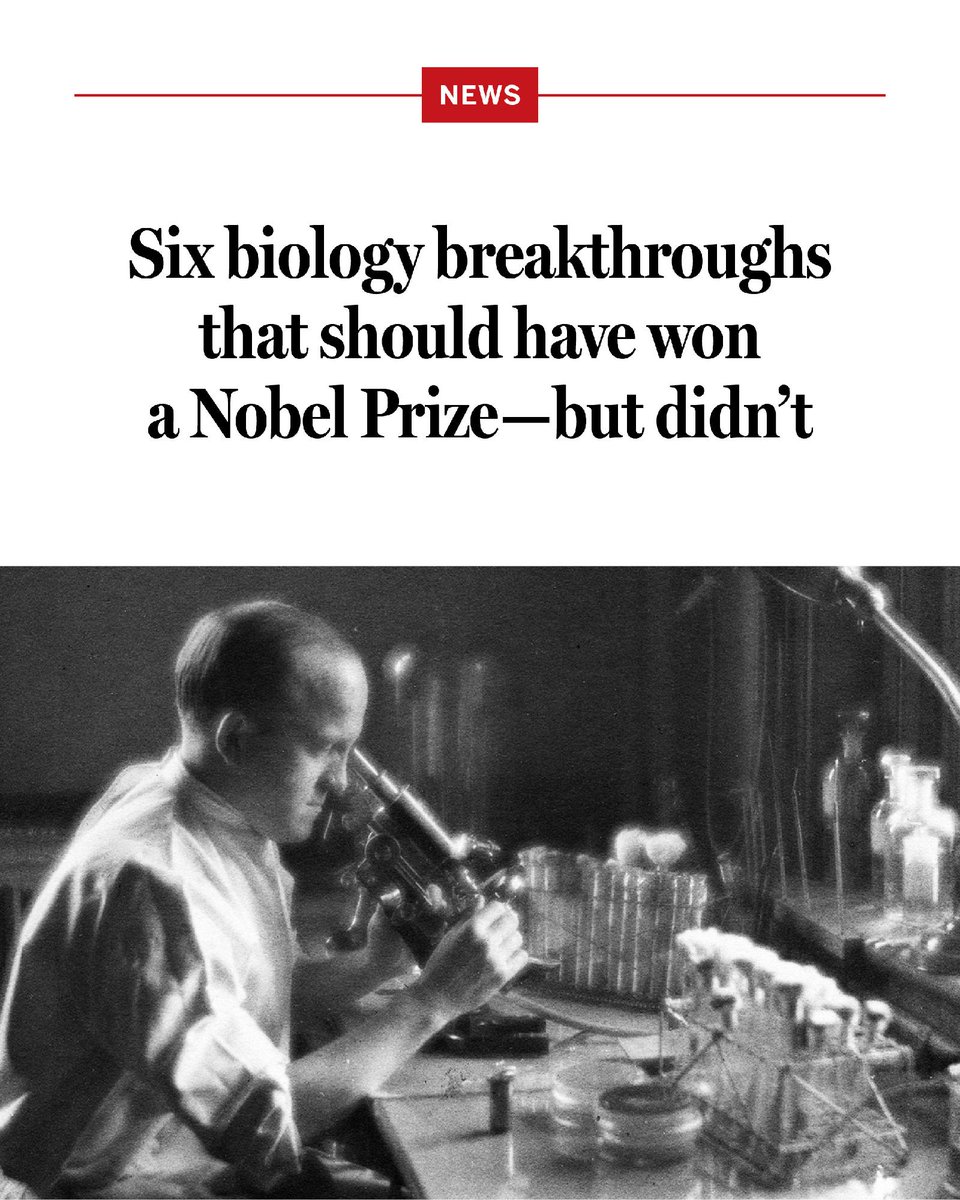
Major discoveries—including the role of DNA, the biological basis of psychology, and the human genome—missed out on the Nobel Prize in Physiology or Medicine.
Learn more: https://t.co/ayxnqlncVh
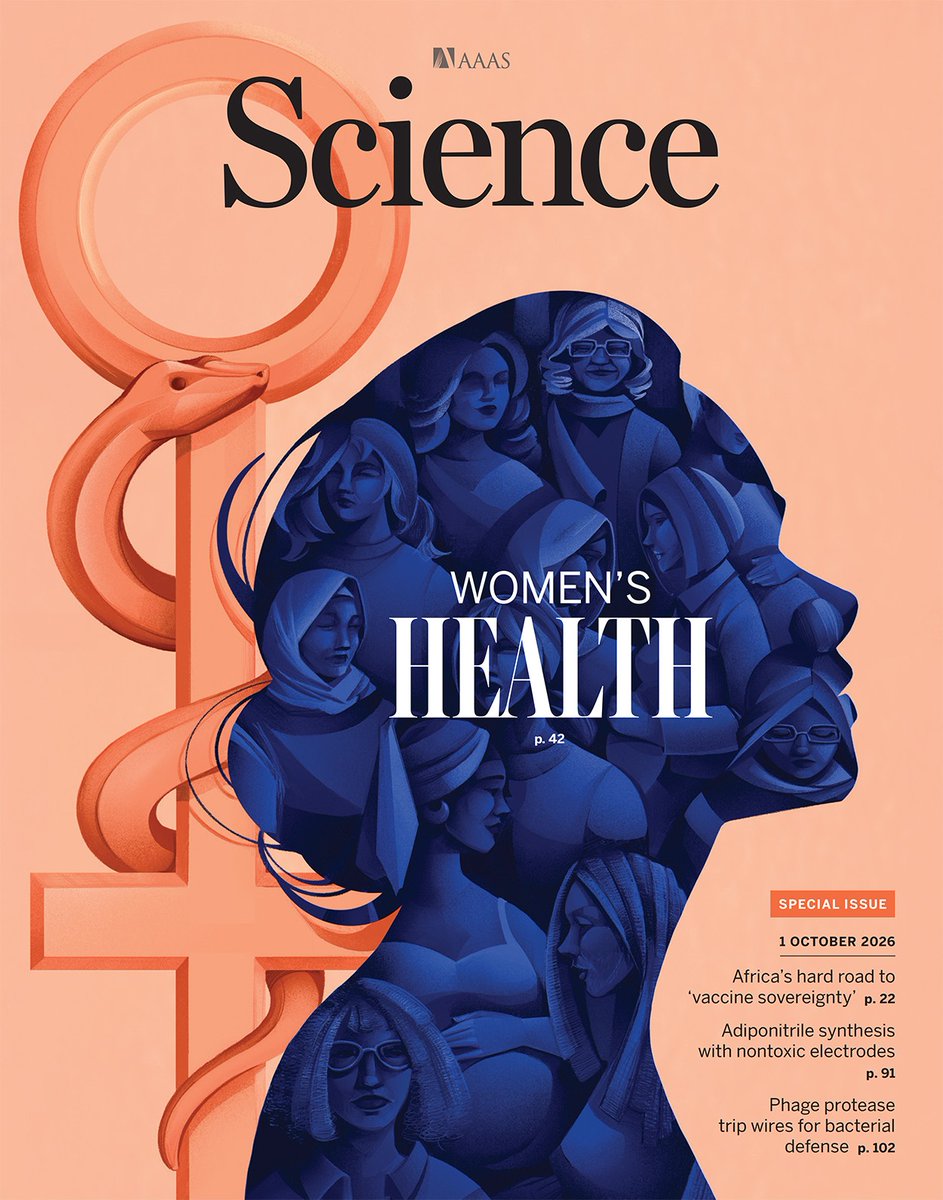
Historically, medical research has relied heavily on male participants, with findings often generalized to women and children.
If women’s health is discussed at all, it’s largely framed around reproduction.
This special issue of Science highlights the research that is seeking to close the critical gaps in women’s health. Learn more: https://t.co/MQDsxJ4dUq
Today on TSEE, we're sharing a list of 10 cool things about mitochondria. Truly amazing organelles!
From their many functions and behaviors to their potential as targets for enhancing health and treating diseases, we keep discovering new features of mitochondria that reveal how much more they are than powerhouses.
What is this list missing? What are your favorite mitochondrial facts and features?
https://t.co/Kdla4IVRq4
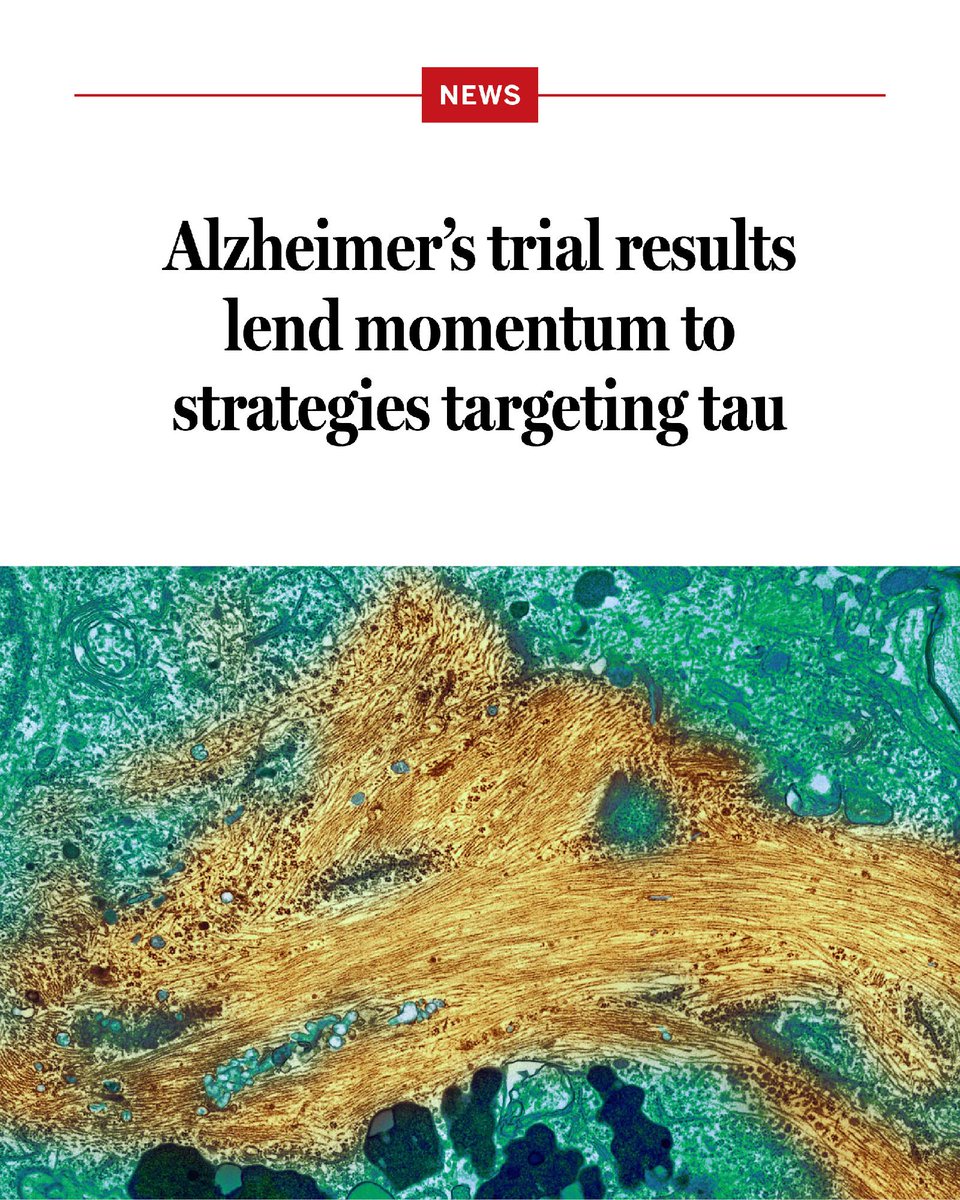
Alzheimer’s disease has long been seen as a tale of two proteins: beta amyloid, which forms sticky plaques in the brain, and tau, which in its diseased state creates tangles inside neurons.
Antibodies that clear beta amyloid have been approved to treat Alzheimer’s, but it was tau that made headlines earlier this year: Researchers shared results from a phase 2 trial testing diranersen, a drug developed by Biogen to lower the body’s production of tau, in more than 400 patients with early-stage Alzheimer’s.
On the study’s main measure of cognition, participants getting diranersen saw as much as a 26% slowing of decline—about on par with the effect seen in earlier trials of approved antiamyloid drugs.
Although the presentation sparked enthusiasm, it also drew attention to puzzling aspects of the trial results. Patients taking the lowest of three possible doses saw the greatest benefit, which caused the trial to fall short of the dose-dependent effect the investigators had chosen as its primary endpoint. And some people in the higher dose groups experienced a potentially worrisome side effect—a “confusional state” lasting up to a week after diranersen was administered.
Learn more on #WorldAlzheimersDay: https://t.co/UcROM4Zr5U
A recent breakthrough published in Nature Neuroscience fundamentally changes our understanding of human biology, revealing that the brain develops as two separate structures rather than a single unified organ. For decades, the standard scientific consensus held that all regions of the brain originated from a single population of neural stem cells that slowly diversified. Researchers have now demonstrated that the brain is actually a composite structure built from two entirely distinct cellular lineages that emerge simultaneously during the earliest stages of embryonic development.
One specific group of progenitor cells is exclusively programmed to form the forebrain and midbrain, the neural regions responsible for higher-level cognitive processes, memory, and complex thought. A completely separate and parallel group of cells is hardwired to construct the hindbrain, which manages vital, life-sustaining autonomic functions like breathing and heart rate. These two populations possess completely different epigenetic landscapes, meaning their genetic accessibility is locked into their respective developmental paths from the very beginning and strongly resists outside signals to change course.
This dual-origin system represents an ancient evolutionary blueprint that has been conserved across multiple species for roughly 550 million years. Mapping this fundamental division provides crucial insights for the future of regenerative medicine and neurological research. By understanding the highly specific cellular origins of the hindbrain, scientists can now accurately recreate these precise tissues in the laboratory, paving the way for targeted therapies addressing life-threatening neurological disorders and specific pediatric brain cancers.
Research source: Two parallel neural ectoderm progenitors contribute to the developing brain, Nature Neuroscience (2026). DOI: 10.1038/s41593-026-02433-7
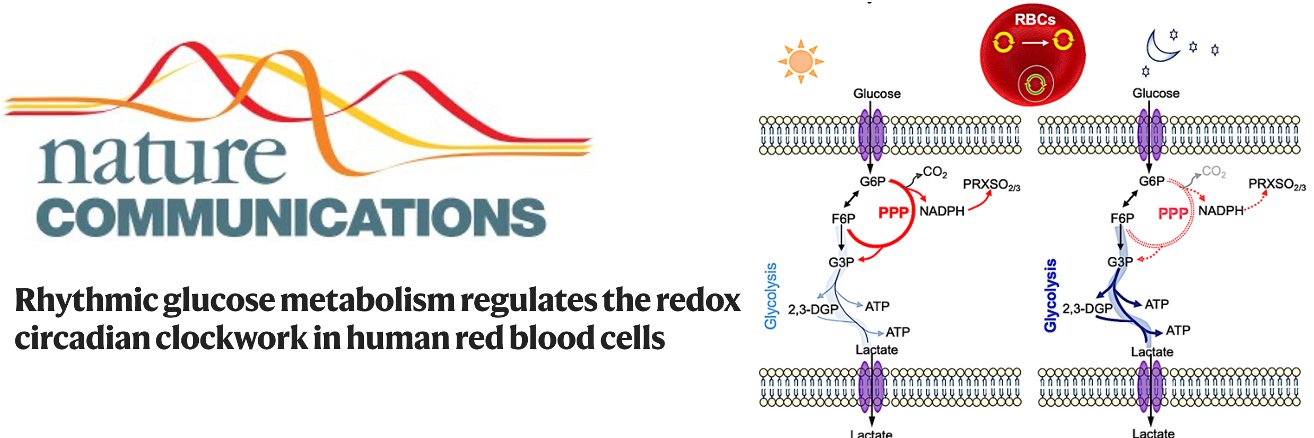
Two cellular enzymes—SerRS and SIRT2—become locked together during times of stress, simultaneously shutting down both of their normal jobs, according to a Scripps Research study in @NatureComms. The findings reveal how cells throttle back protein production when they’re short on energy. More: https://t.co/c3YNpmbPP9
A failed experiment helped launch modern circadian biology.
In this fascinating conversation, Prof. Ueli Schibler shares how an unexpected result led to the discovery that DBP was the first mammalian transcription factor shown to oscillate with a circadian rhythm.
We discuss:
• Why every cell contains its own circadian clock
• How a simple serum shock can reset cellular rhythms
• The groundbreaking discovery that food entrains peripheral clocks
• The promise of chronotherapy for cancer treatment
• Why young scientists should avoid "bandwagon" research
A masterclass in curiosity, serendipity, and scientific discovery.
#CircadianRhythms #Chronobiology #Chronotherapy #SciencePodcast
https://t.co/5a44idSjlG
Aging disrupts daily redox rhythms across tissues, contributing to metabolic and functional decline. In aged mice, timed antioxidant/pro-oxidant interventions restored redox oscillations, improved glucose metabolism and motor performance, and partially rejuvenated liver and muscle programs. #Aging #CircadianBiology #Longevity
https://t.co/s5qZVYxvWq