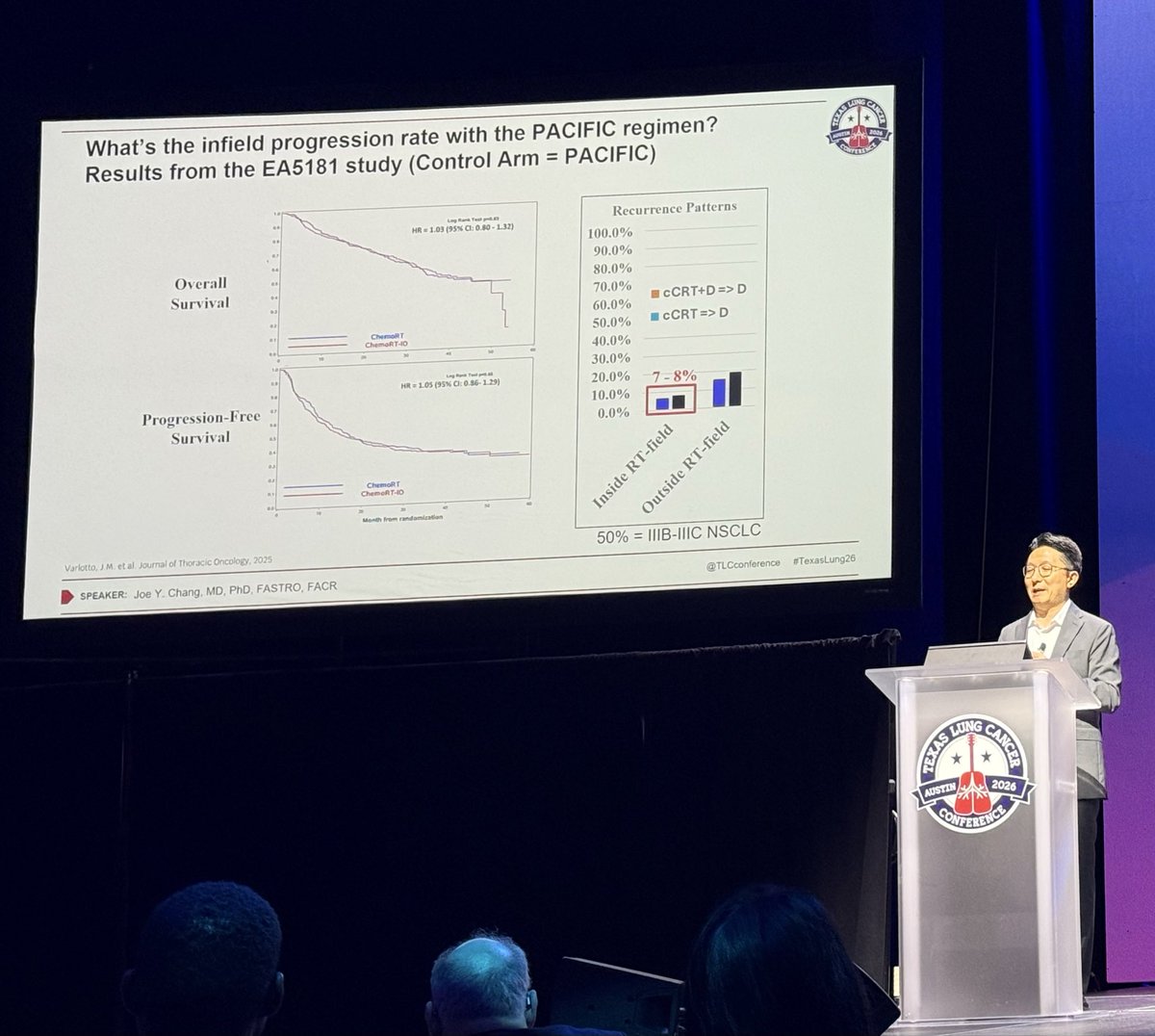
The first-ever reported phase III RCT of lung SBRT +/- immunotherapy confirms a lack of PFS or OS benefit (SWOG/NRG S1914, n=417).
Excellent outcomes in both arms.
Regional failures: 2-3%
Distant failures: 4-5%
It’s difficult to trust the LF rates as assessments were left to the “opinion of the treating physician”. @drnikinour
https://t.co/sScNb3gFlQ
A Canadian study demonstrates that lung SBRT yields a similar success and safety profile when delivered on sequential versus every other day. Why? It’s likely because the rate of adverse events is minuscule in the first place. 🇨🇦 #Miniscule#radonc https://t.co/7KHm4USQBU
Cognitive cost or disease control in the management of brain metastases from small cell Lung cancer?-an ongoing debate: 🧠cost vs 🎯?
@ovidiohernando@rafagar_cia
@MercedesLópez
@raquel_ciervide
https://t.co/1HggXer9Ji
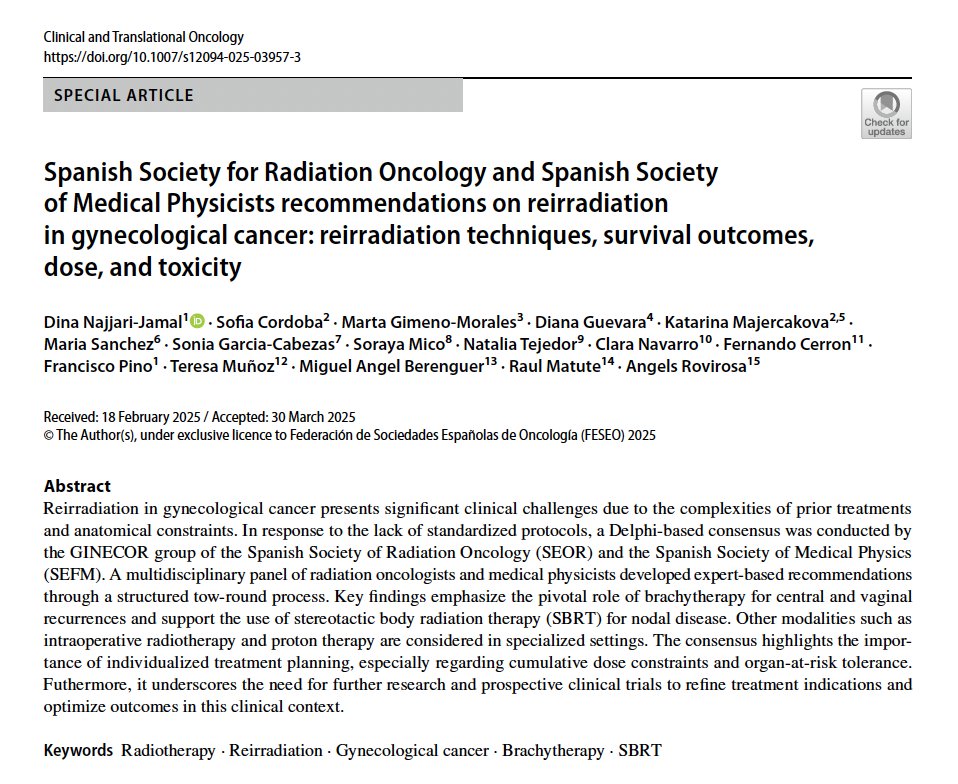
Spanish Society for Radiation Oncology and Spanish Society of Medical Physicists recommendations on reirradiation in gynecological cancer: reirradiation techniques, survival outcomes, dose, and toxicity.
https://t.co/q9LvOmCkzo
In NSCLC, how does length of esophagus receiving ☢️impact patient-reported dysphagia?
-Every 0.5cm 🔼 in 60 Gy to partial esoph circumference > 🔼 patient-reported dysphagia by 9%
-Every 0.5cm 🔼 in 60+ Gy to full esoph circumference > 🔼 patient-reported dysphagia by 11%
El cáncer es una de las principales causas de muerte en el mundo, pero su impacto no se distribuye de forma equitativa. En muchos países de ingresos bajos y medianos, millones de personas no tienen acceso a servicios de diagnóstico y tratamiento oncológico. Cada año, estas desigualdades silenciosas se cobran vidas que podrían haberse salvado.
Para cambiar esta realidad, la @iaeaorg lanzó en 2022 la iniciativa Rayos de Esperanza. Su objetivo es claro: llevar tecnologías de diagnóstico y tratamiento del cáncer basadas en radiación a donde más se necesitan, ayudando a construir sistemas de salud más fuertes, más accesibles y más resilientes.
La iniciativa no solo busca instalar equipos como aceleradores lineales y centros de medicina nuclear. También incluye la formación de profesionales, el desarrollo de infraestructuras y el fortalecimiento de capacidades locales para garantizar que los tratamientos no solo lleguen, sino que se mantengan en el tiempo.
Rayos de Esperanza representa una alianza entre gobiernos, organizaciones internacionales, la sociedad civil y el sector privado. Es un esfuerzo conjunto para ofrecer soluciones prácticas, sostenibles y adaptadas a cada país.
Desde su lanzamiento, la iniciativa ha movilizado apoyo para proyectos en más de 50 países, marcando el comienzo de una transformación real en el acceso a la atención oncológica. Cada nuevo centro abierto, cada nuevo especialista formado, cada paciente atendido, suma un paso más hacia un mundo donde nacer en un país u otro no determine tus posibilidades de vencer al cáncer.
Rayos de Esperanza no es solo un proyecto: es un compromiso con la dignidad humana, una promesa de que la ciencia y la solidaridad pueden salvar vidas.
https://t.co/9GtvTOs094
The synergy between Hospital La Paz’s Elekta Unity MR-Linac and @PhilipsHealth's Ambition MR-RT provides high-quality MR imaging and seamless MR-only workflows. Read how the workflow is key to personalized, efficient radiotherapy ➡️ https://t.co/E92csdPBMU
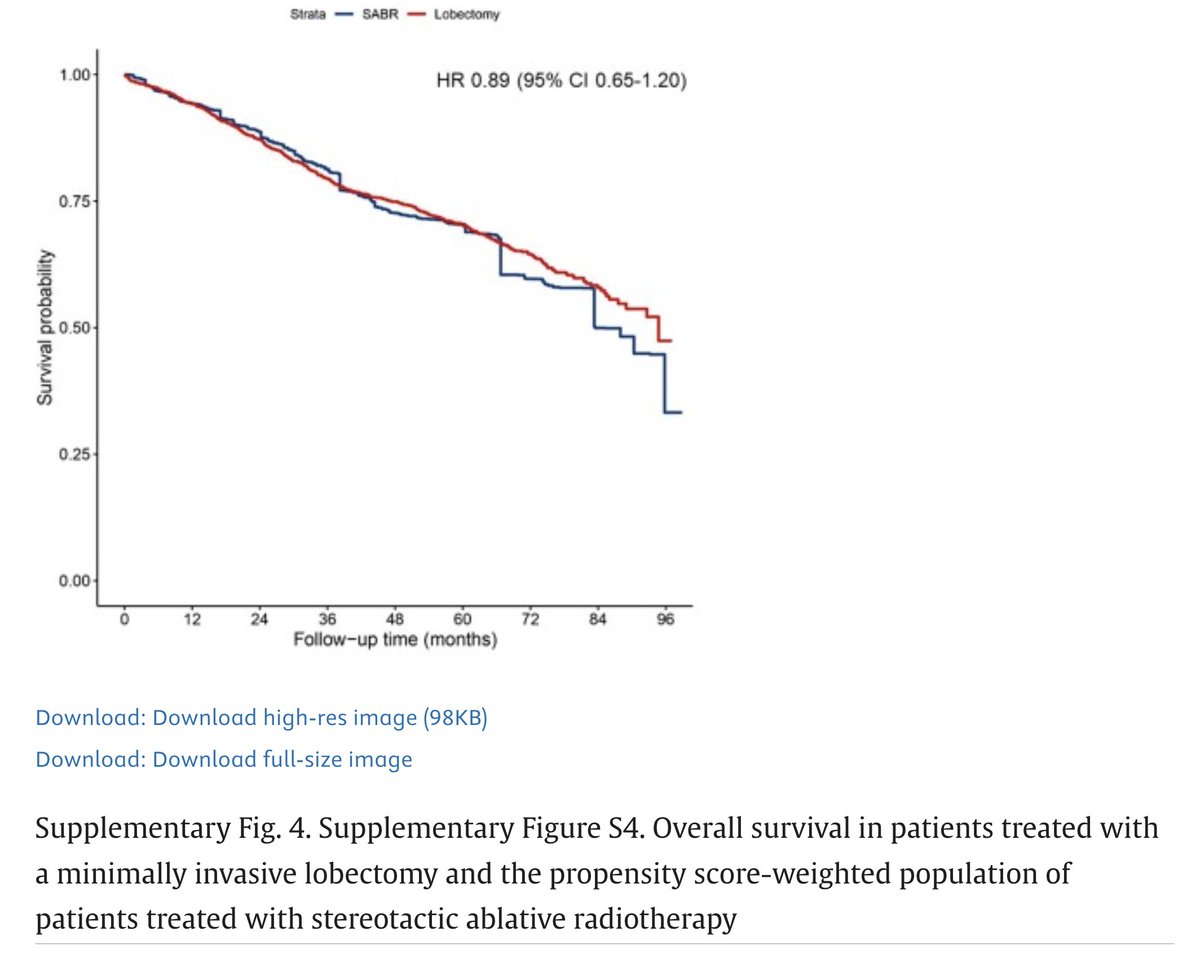
1/ The Dutch ESLUNG study is potentially the largest prospective registry (n=2,183) evaluating outcomes for stage I NSCLC treated with minimally invasive surgery or SABR. Their non-randomized data, when propensity-matched, show similar findings to those previously reported by the Revised STARS study with no measurable difference in OS. @JoeChangMD@JackARothMD https://t.co/VoH69aQqnr
📝Last article
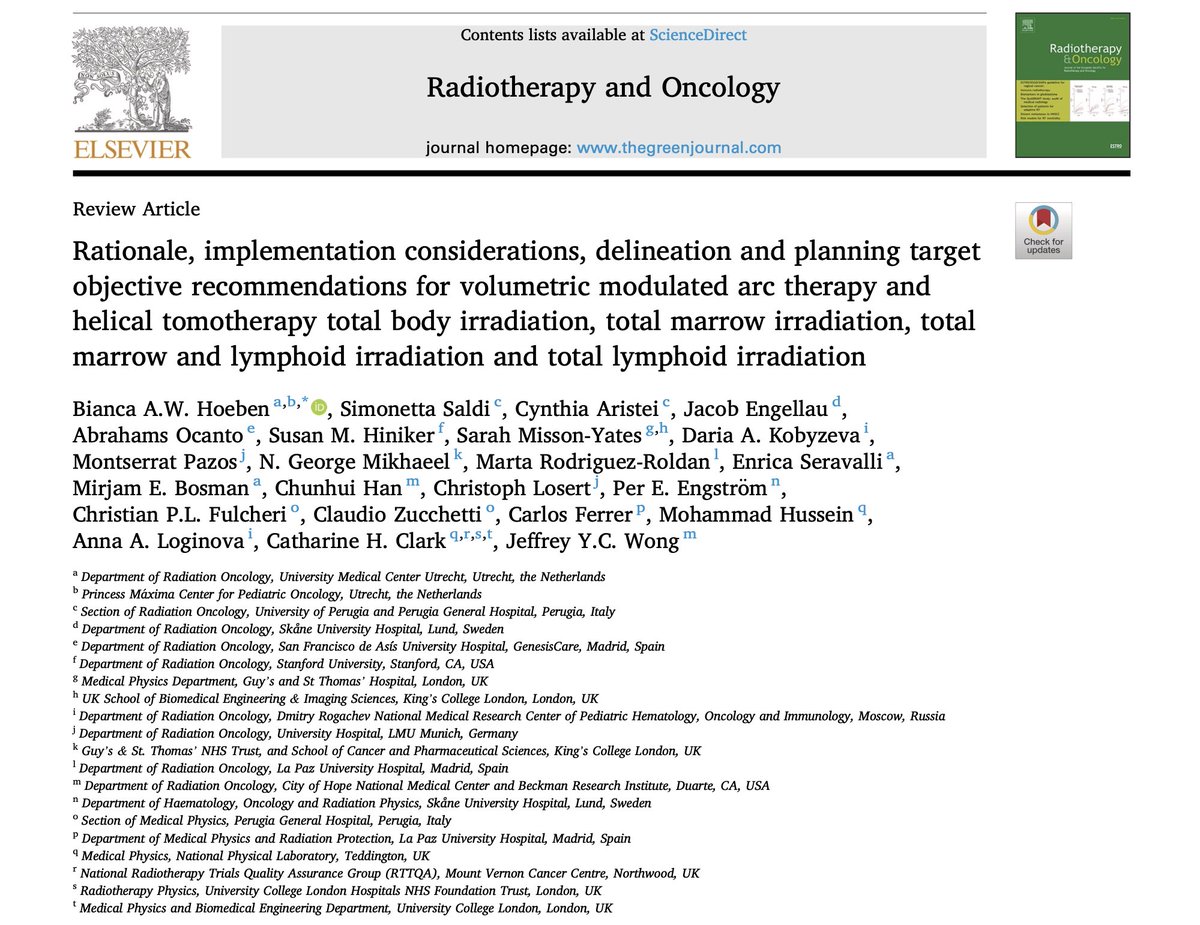
Congratulations #BiancaHoeben@martarroldan5#CarlosFerrer and all authors for their important contribution to optimizing TBI, TLI, TMI and TMLI with VMAT and HT.
Key recommendations to improve homogeneity and safety in treatment
🔗 https://t.co/niACN8bsn1
#radonc
🚨 Hippocampal-Avoidance PCI: Game-Changer or Cognitive Mirage? 🚨 @OncoAlert
🔎 Objective
•Evaluate the impact of HA-PCI on self-reported cognitive function and 🧠 metastases risk in SCLC 👥
🧪 Methods
•Pooled data from two phase III RCTs (NCT01780675 & PREMER)
•Randomized comparison: Standard PCI vs. HA-PCI.
📊 Results
•N🚫 significant cognitive benefit with HA-PCI (p=0.52)🥲
•N🚫 increased risk of brain metastases (p=0.9)🤝
•At 4 months, HA-PCI showed ⬇️ cognitive impairment (p*=0.04), but this effect was not sustained over time🤔
⚡ Conclusion
•HA-PCI is safe but does N🚫t significantly protect cognition
•Future PCI strategies should explore neuroprotective agents to enhance cognitive outcomes!
#RadOnc #LungCancer #SCLC #RadiationOncology
Una consulta es un tobogán de emociones para el oncólogo.
Buenas noticias, no tan buenas, algunas malas. Gestión de incertidumbres, miedos, expectativas.
Cada paciente una personalidad y necesidades diferentes. Siempre empatía
El médico sabe la verdad que algunos pacientes no quieren saber. El derecho del paciente de no saber, es superior al deber de comunicarla. No se tendría que usar el disfraz de la sinceridad, para evitar que una verdad provoque daño. “Primum non nocere”.