El Niño-induced climate hazards pose high risks to #FoodSecurity.
By disrupting rainfall and temperature patterns, #ElNiño can strongly impact agriculture and rural livelihoods.
@FAO is working to mitigate its effects on vulnerable communities 👉 https://t.co/ffLT8grzCQ
The WMO #StateOfClimate in Asia 2025 report launches on 17 June at the 10th @ABU_HQ Media Summit on Climate Action & Disaster Prevention.
Experts will present the latest findings on climate indicators, extreme events & their impacts in Asia.
Register 👉 https://t.co/3nyM033Yo7
IMD Weather Warning !
Southwest monsoon is likely to set in over Kerala around 4th June, 2026.
Isolated heavy to very heavy rainfall (7-20cm) very likely over Kerala and isolated heavy rainfall over Tamil Nadu and Karnataka during next 6-7days.
#IMDWeatherWarning #SouthwestMonsoon #KeralaRainfall #HeavyRainAlert #TamilNaduWeather #KarnatakaRain #Monsoon2026 #WeatherUpdate
@moesgoi@airnewsalerts@DDNational@ndmaindia@ICRER_MHA
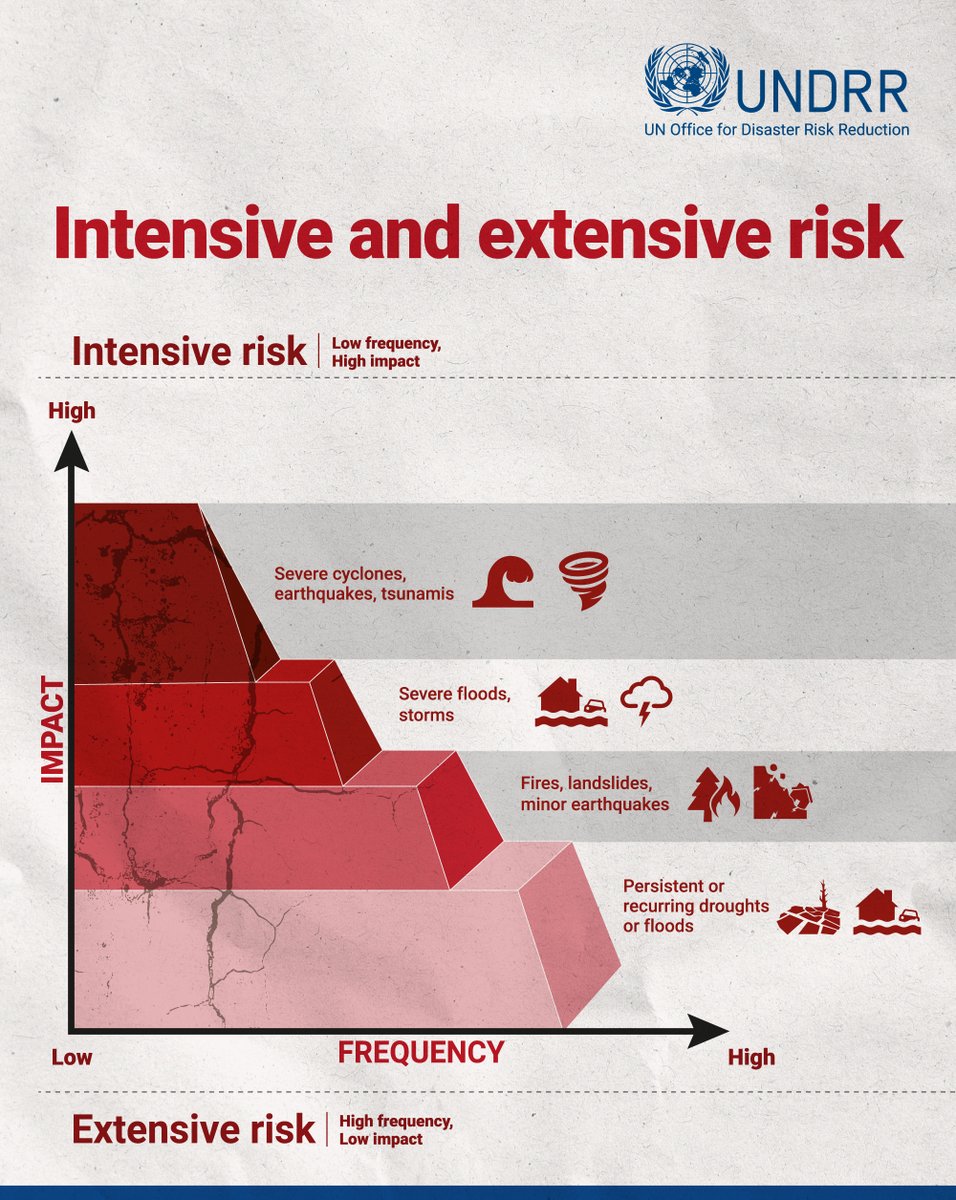
Disaster risk can be sudden or everyday.
⚡ Intensive risk: High-impact, lower-frequency events cause sudden, catastrophic losses.
🌧️ Extensive risk: Frequent, lower-impact (eg. floods, storms, droughts) – impacts accumulate.
Both must be reduced➡️ https://t.co/9L0rm7zwhS
An El Niño will likely arrive later in the year, according to sea level data from Sentinel-6 Michael Freilich. The satellite—which measures the height of the entire ocean every 10 days—captured a swell of warm water hundreds of miles wide in the Pacific Ocean off the coast of South America.
Disaster and climate risks are interconnected. The systems designed to manage them need to reflect that. 🕸️
Coherence across governance, financing, and implementation provides resilience across the spectrum.
➡️ https://t.co/gmUzdUWLBt
2026 and 1997 are El Niño twins. But they didn't always look alike.
Subsurface ocean warmth developed faster in 1997, but 2026 caught up following a record-breaking Kelvin wave that formed in April.
A new westerly wind burst into June will keep these two years neck and neck.
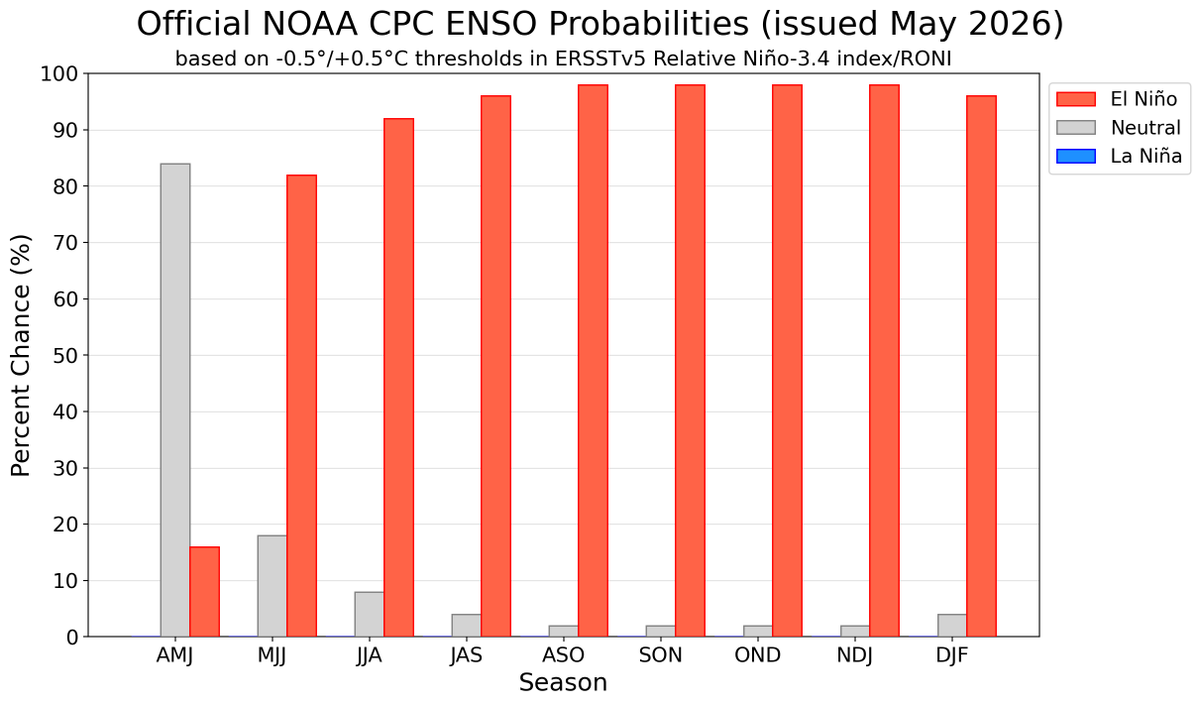
El Niño is likely to emerge soon (82% chance in May-July 2026) and continue through Northern Hemisphere winter 2026-27 (96% chance in December 2026 – February 2027). An #ElNino Watch remains in effect. #ENSO https://t.co/5zlzaZ0D9Z
The notorious super El Niño of 1877-78 contributed to a global famine that wiped out 3 to 4 percent of the global population.
It was arguably the worst environmental disaster to ever befall humanity.
Are we better prepared now? The evidence says yes 🧵
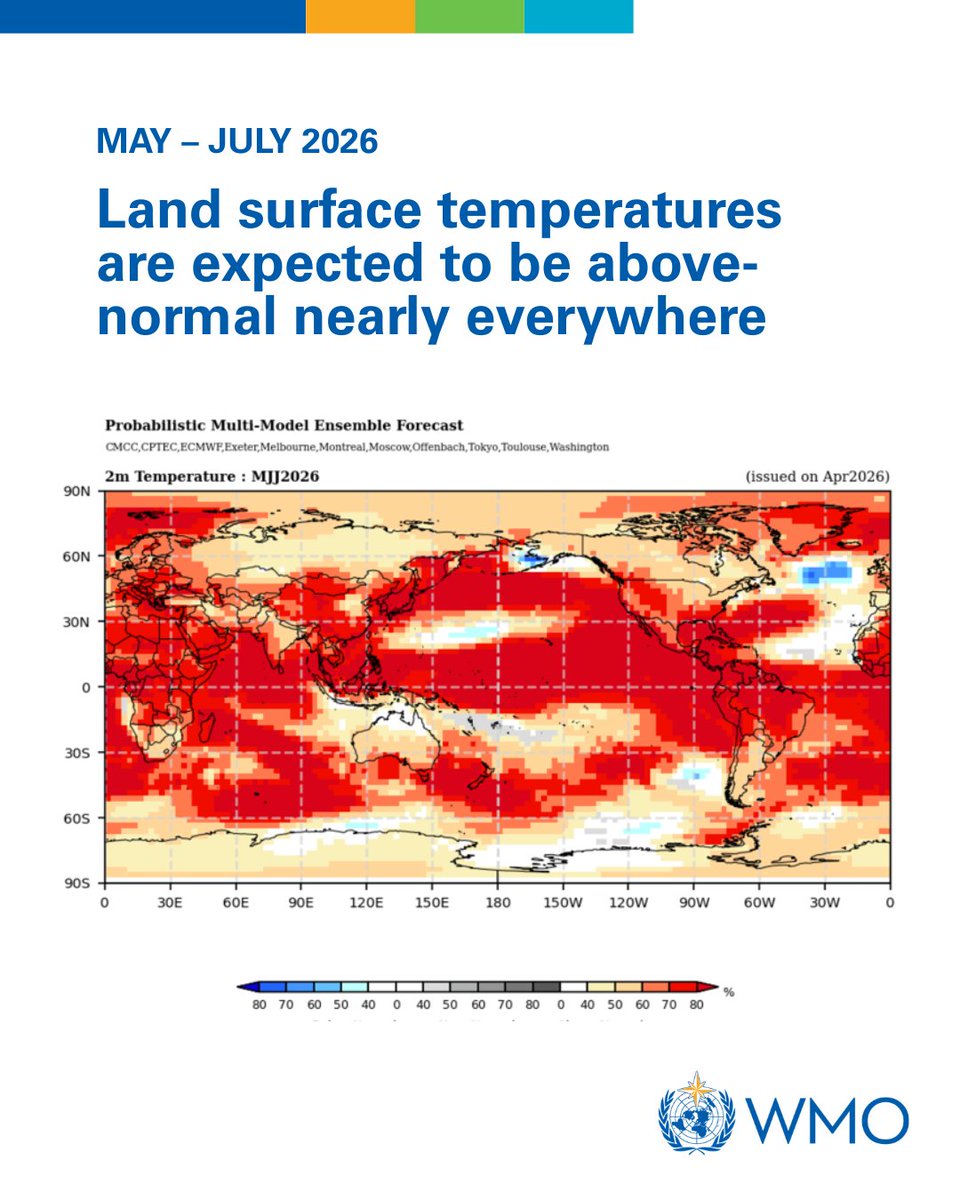
An El Niño event is expected from mid-2026, impacting global temperature & rainfall patterns, according to WMO's global seasonal climate update. Models indicate that this may be a strong one!
More details 👉 https://t.co/zQDJ6uWGJE
Should #poverty be measured using income or consumption data? What about household economies of scale?
By making methodological choices visible and comparable, our PIP Innovation Hub strengthens the evidence base for poverty analysis.
See how: https://t.co/ziS05OOuzL
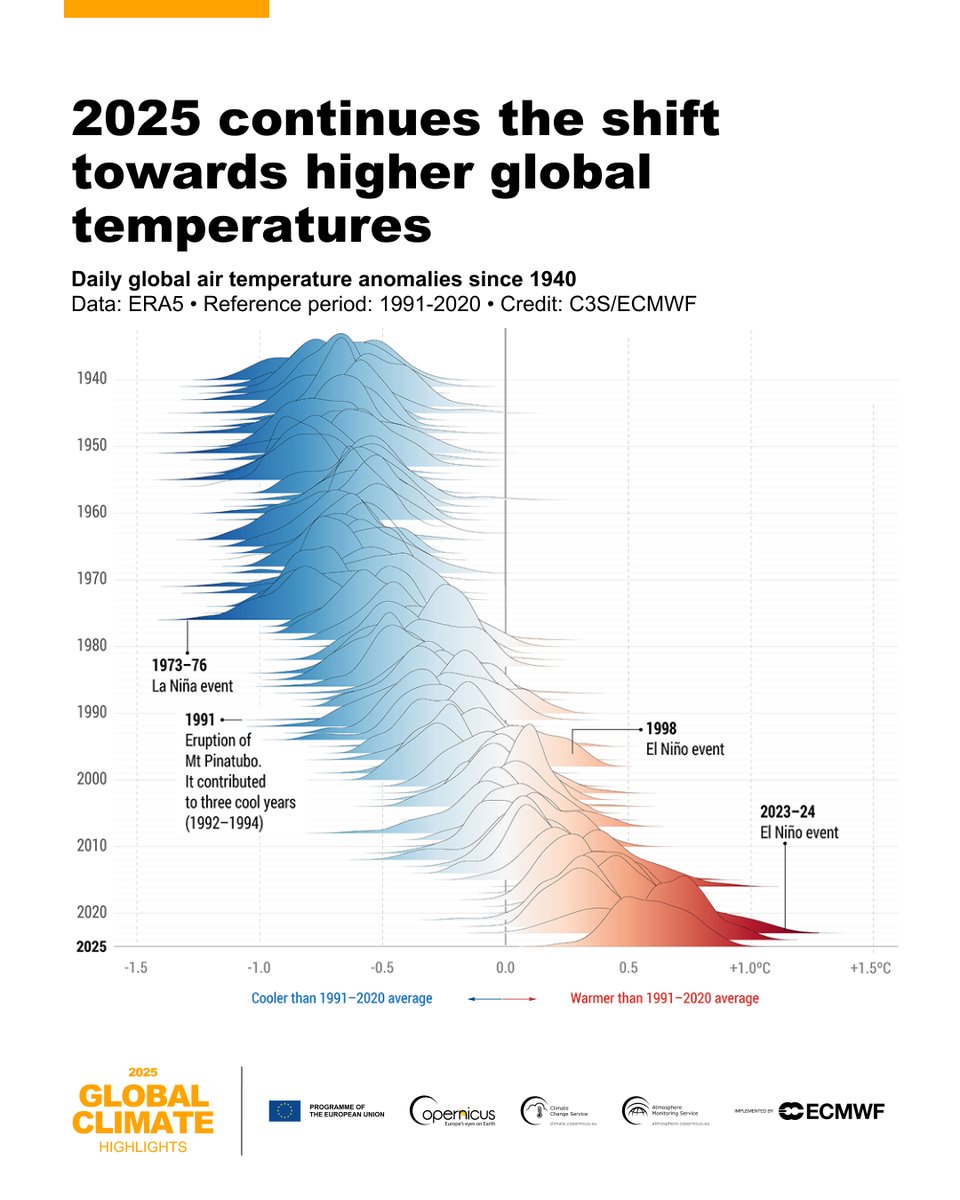
The global warming trend continued in 2025. Each of the past 11 years (2015–2025) has been among the 11 warmest on record. Explore more data from #CopernicusClimate in the Global Climate Highlights 2025. #GCH2025
🔗 https://t.co/59wNyFaOV4
🔴 90% of climate-related deaths occur in poorer countries.
Disasters deepen vulnerability, locking people into poverty.
We can #BreakTheCycle of poverty and disasters by investing in reducing risk and building resilience.
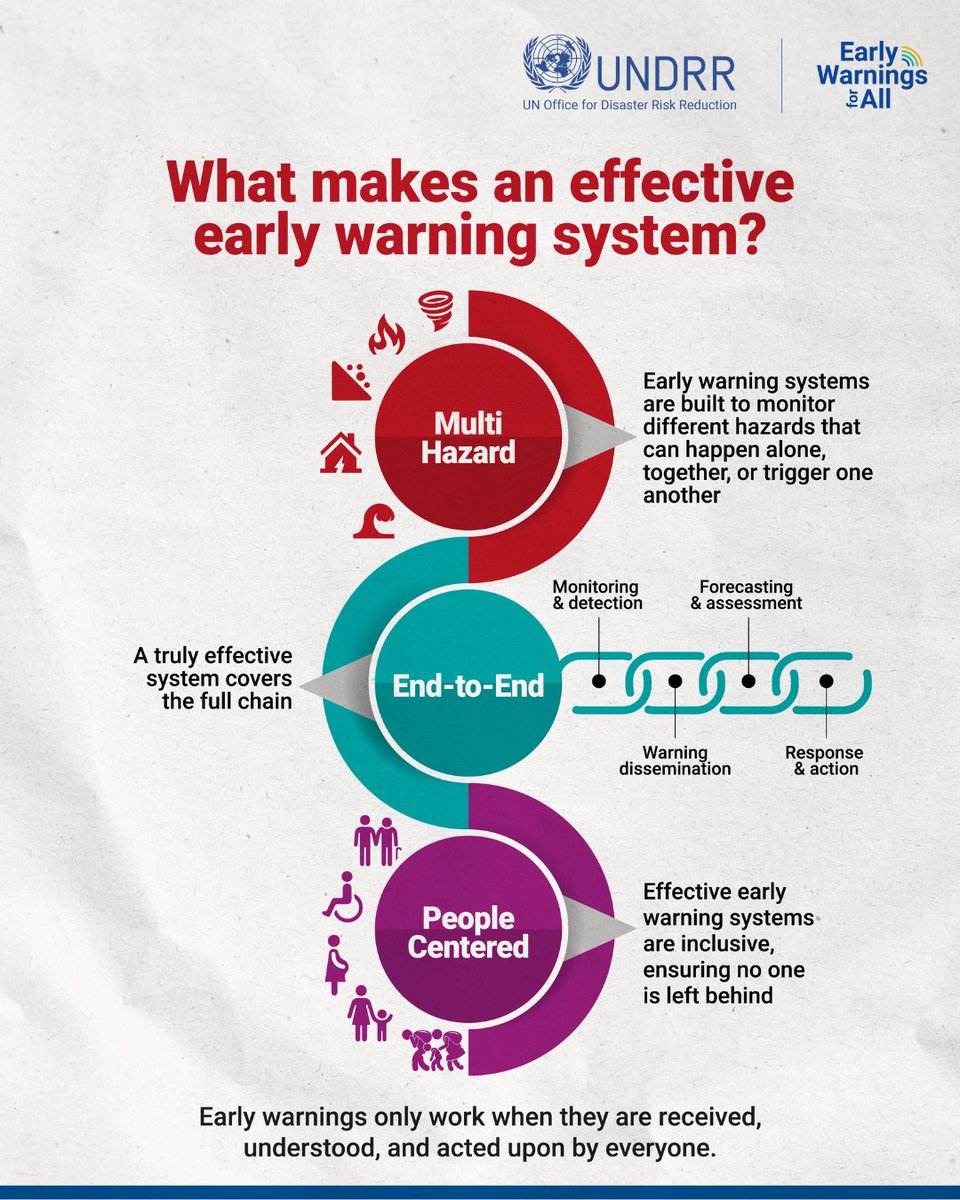
Early warnings only work when they are received, understood and acted upon.
That’s why early warning systems needs to be:
🔺Multi-hazard
⛓️End-to-end
🤝People-centred
UNDRR @WMO@ITU@IFRC are working to protect everyone through #EarlyWarningsForAll
➡️https://t.co/bXRO5tbIWM
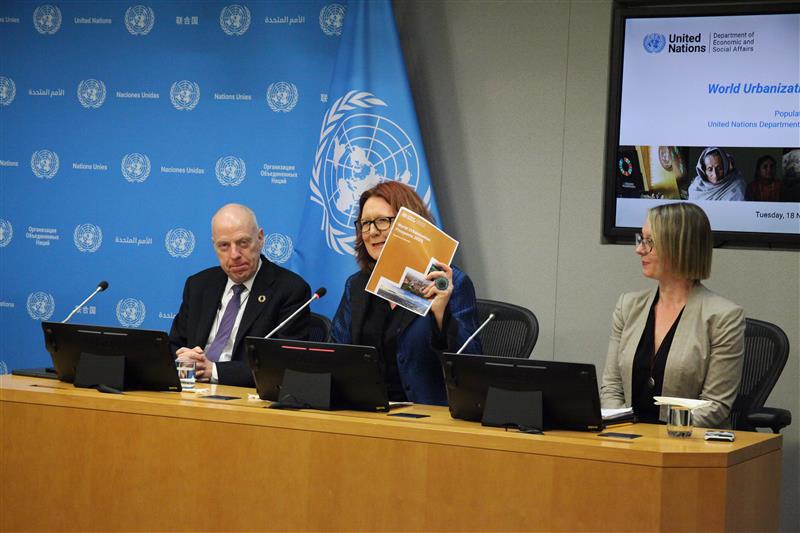
Out NOW: #WorldUrbanizationReport 2025 🏙️
The world is urbanizing, with cities home to 45% of the global population of 8.2 billion - more than double since 1950.
Find out what this means for sustainable development in cities, towns and rural areas: https://t.co/kTsa1mYbWy
The world's biggest companies have caused $28 trillion in climate damage, a new study estimates: https://t.co/3clxDDZCym
Read that again.
Time for the people that are fueling this crisis to pay for the damage they're causing.
#ActOnClimate#ClimateWeekNYC
📉 Disaster losses are spiralling out of control.
#GAR2025 reveals 3 downward spirals turning shocks into systemic crises — and how smart investments can break the cycle of disasters, debt & un-insurability.
🆕 Explore the UN flagship DRR report ➡️ https://t.co/Ih6ebSmUSN