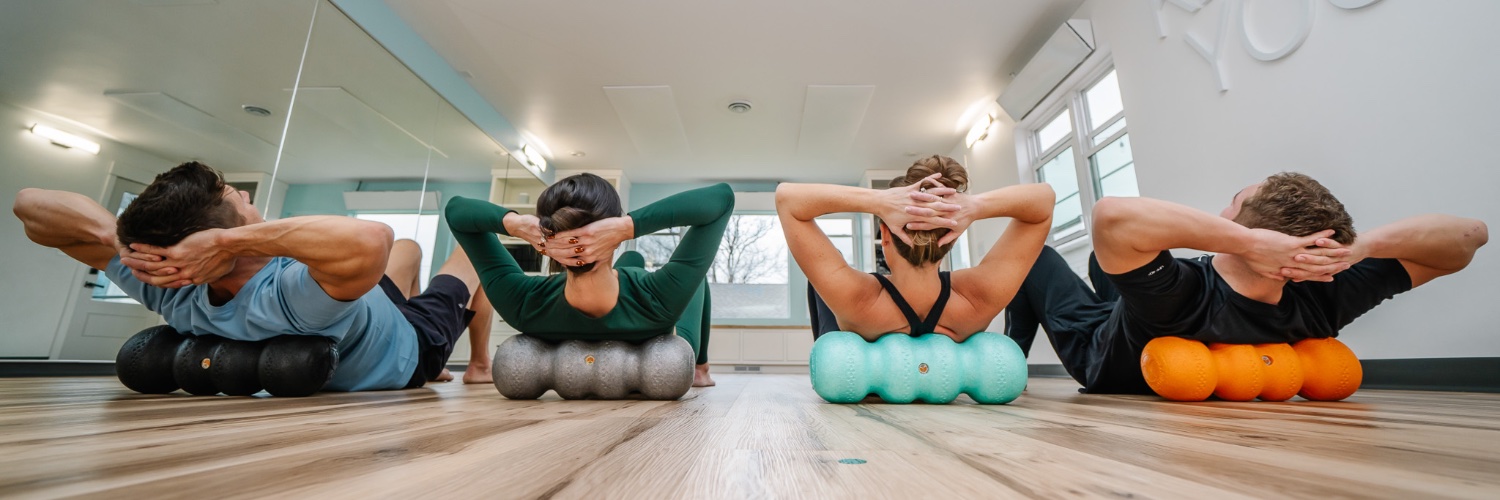
Bones out, fascia in. Most rollers press straight onto your spine and joints. The Rollga Roller has a groove down the center, so your spine stays clear and the pressure goes to the muscle on either side. Simple design, clear reason. https://t.co/ddPd2qYOjL
@painmednews That mix matches what a lot of people describe. A bad night of sleep or a stressful week can lower the threshold, so a normal day's activity ends up feeling like the trigger. Tracking all three for a few weeks often shows the pattern.
@Fit_For_Golf The early speed gains are mostly the nervous system learning to fire muscle faster, which is why they show up before any change in size. It's also why short, fully rested speed sets beat long, tiring ones.
@NSCA Good topic for this week. In athletes, underfueling often shows up first as recovery that drags and sessions that feel flat, well before anything changes on the scale. That's usually the earliest sign worth asking about.
@DeanTTraining Right, the gut takes in nearly all of it. A big serving just takes longer to process. Total protein across the day matters most, and spreading it over 3 or 4 meals is a small bonus, not a requirement.
@jachahla Exactly. A few weeks of steady side-hip strength work usually does more for that outside-of-knee pain than anything aimed at the knee itself.
Rolling your foot while standing puts a big share of your body weight on one small spot. Sit down and the same Rollga Micro gets far gentler: same small contact area, much less force. Start seated, stand when it feels easy.
@DMNorris19 Number one is the big one after 40. Fewer hard days with real recovery between them means you can actually push when it counts, instead of grinding through every session half-tired.
@MikeTNelson Agreed. The basics are boring because they work. If sleep, protein and strength sessions aren't consistent yet, a new metric mostly ends up measuring the gaps.
@theEndurancePT Such a useful message, especially for older runners. Findings like disc bulges often show up in people with no pain at all, so how someone moves and tolerates load usually tells you more than the scan alone.
@WSWayland The dowel is such a good teacher because the feedback is instant. If the head or tailbone loses contact, the back is rounding or arching instead of the hips doing the work.
@JasonFitz1 Running easy days easier is the one people underrate most. When easy runs creep into moderate, the hard days lose their edge too, and the whole week drifts toward the same medium effort.
@outsidemagazine One practical gap for most people: the gut needs practice too. Trying race-day carb amounts on long training sessions first helps avoid stomach trouble when it counts.
@SportPhys Pelvic control is underrated for runners. If the hip drops on the standing leg, the knee and the outside of the thigh often end up taking the extra load, so a single-leg stand in front of a mirror is a simple first check.
@BrendanThompsn Smart setup. Short fast days keep the speed signal alive without piling on fatigue, and most people lose far less fitness in one lighter week than they fear. Often they come back fresher.
@smithhmackenzie That's the mirror and how clothes fit telling the truth. Muscle is denser than fat, so the same body weight takes up noticeably less space. Strength climbing while the scale holds steady is usually a great sign.
@runnersworlduk Splitting it up works well too. Ten minutes after three easy runs adds up fast, and moves that resist twisting and side bending, like side planks and dead bugs, carry over best to holding your form late in a run.
@runnersworld A rule of thumb many coaches use is about one easy day per mile raced before racing hard again, so roughly two weeks after a half. Easy running in that window is fine. It's the hard efforts that should wait.
@outsidemagazine Course profile matters more than most people expect. Long downhills make the quads brake while they lengthen, and that kind of work drives a lot of the soreness days later. If your race drops a lot, a little downhill running in training helps your legs handle it.