Please join us tomorrow for the IBP Seminar Series. Our invited guest speaker is Dr. Irfan Lodhi @LodhiLab from WashU. “Beyond Mitochondria: Peroxisomes in Energy Balance and Metabolic Disease”
“He agrees with critics that the China Initiative damaged the reputations of many innocent scientists and “deterred good people from coming to the U.S.” But he also thinks it “has helped the country more than it has hurt the country by deterring bad people from coming here … and making the country safer.” And he strongly defends the government’s tactics.”
China Initiative destroyed the lives of many innocent scientists and led to the death of the innocent Professor Jane Wu.
I wonder whether Dao and other @RiceUniversity leadership similarly defend the Japanese American internment camps during WW2, which imprisoned all Japanese Americans with 1/16 Japanese heritage, children under 10, seniors above 70, and people with disabilities, since the camps likely deterred spying activities.
A foundermental issue of the infamous China Initiative is its “punish-first-until-proven-innocent” approach. This immoral and un-american approach was not addressed by Dao in this report. Innocent Chinese American scientists should not be considered and treated as “necessary sacrifices” for any purpose, and be subject to such injustice.
By the way, claiming that FBI agents know better about how the world works is completely false. One piece of false evidence against Professor Anming Hu was a wrong translation FBI generated using Google Translate. In Professor Franklin Tao’s case, the procecutor argued in court “who would work for free?” We academics work for free all the time in routine academic activities. What FBI and Dao call “facts” are questionable. They are just common blokes too.
After China Initiative, Dao landed the likely much better paid position of Associate Vice President of research security at Rice University. Such great career incentive for FBI agents to start the next China Initiative, regardless of the many innocent lives destroyed.
From molecular mechanisms to therapeutic possibilities, the SMART Symposium on Pyroptosis and Gasdermin Biology brought scientists to Shenzhen to exchange ideas, share new research and build connections. Watch the highlights. 🔬
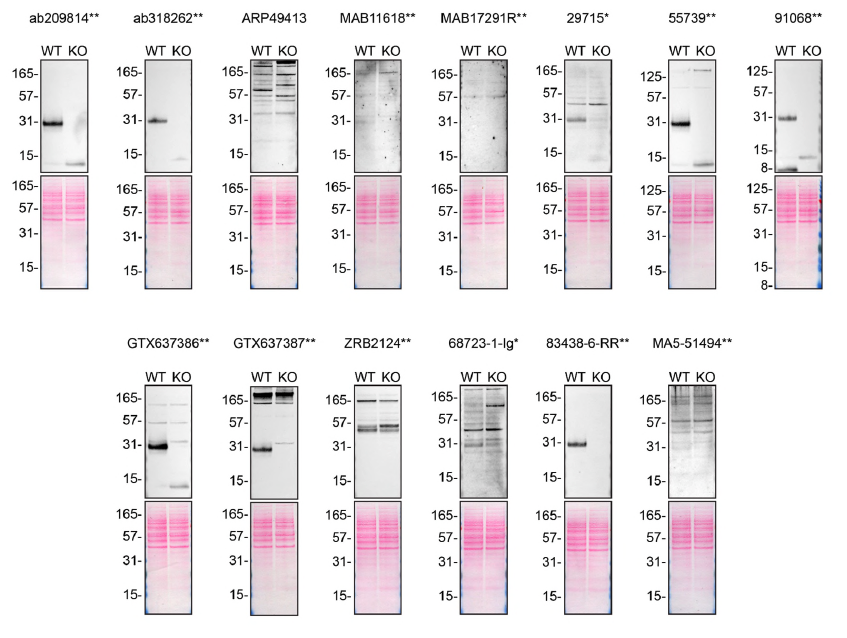
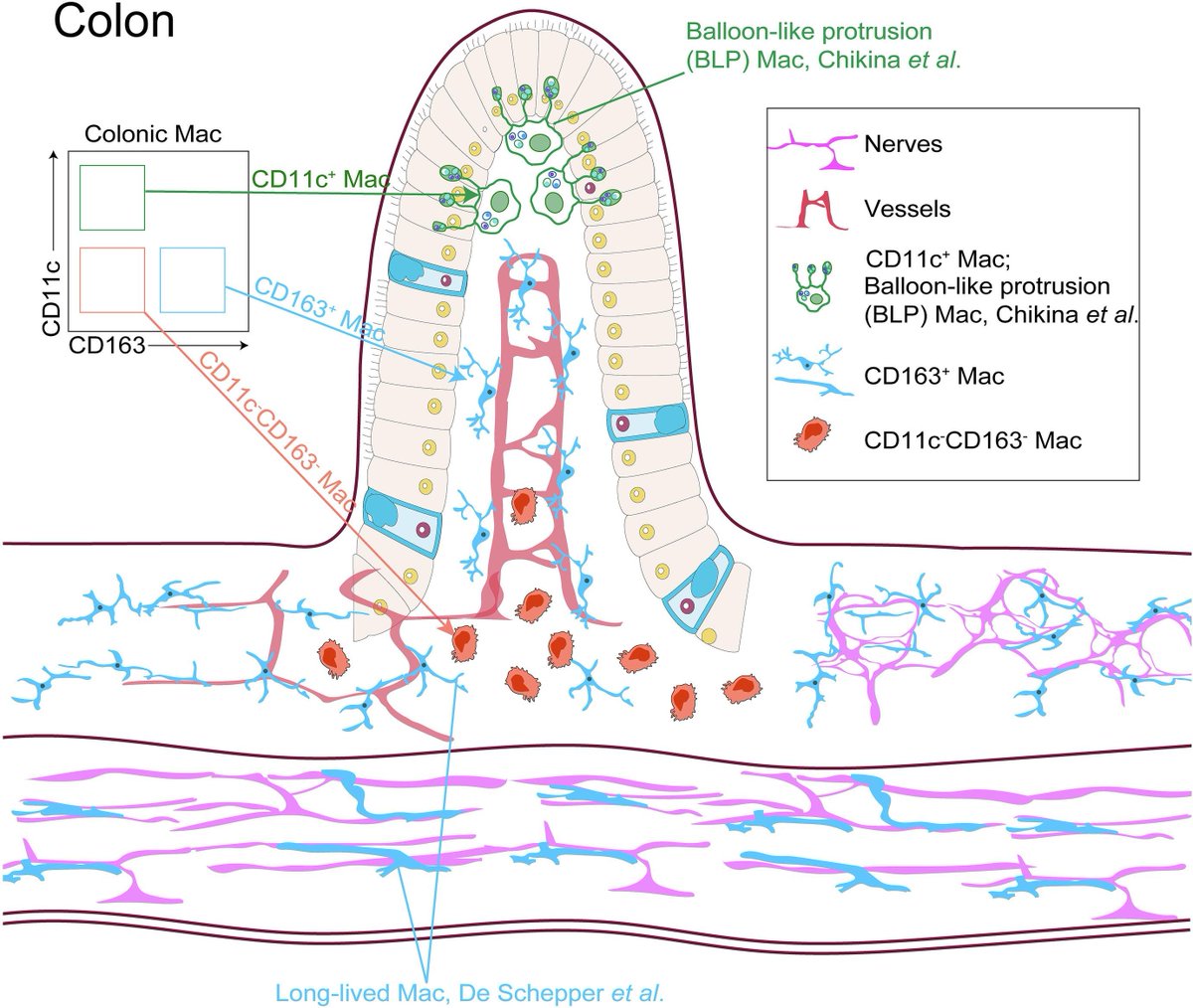
TREM2+ macrophages have rapidly emerged as key regulators in diseases.
Studying them requires specific antibodies.
Among 14 tested antibodies in KO cell lines, 5 are specific in WB.
Pick up the right one.
Full report: https://t.co/ypWzdLziaP
Or here: https://t.co/VYEheOoOKP
Breaking news: Indiana University plant microbiologist Roger Innes has been locked out of his laboratory by the school in response to a request by one of his federal funders. The move comes after Innes complained about the government’s prosecution of Chinese postdocs. https://t.co/2I7IpaYoKb
Don't miss our next IBP seminar series talk. Tomorrow will have Dr. Selveyra @patosilveyra hosted by @RuanLab. We hope you can join us! “Sex differences in lung inflammation: lessons learned from animal models”
🎉 🎉 Exciting new work from the Jameson and Hamilton Hart labs! Published in Nature Immunology, this study shows IL-4–STAT6 delays CD8+ T cell bystander activation by modulating IL-18 sensing, a key insight into memory T cell responses.
Read more: https://t.co/OmRu0qZJ57
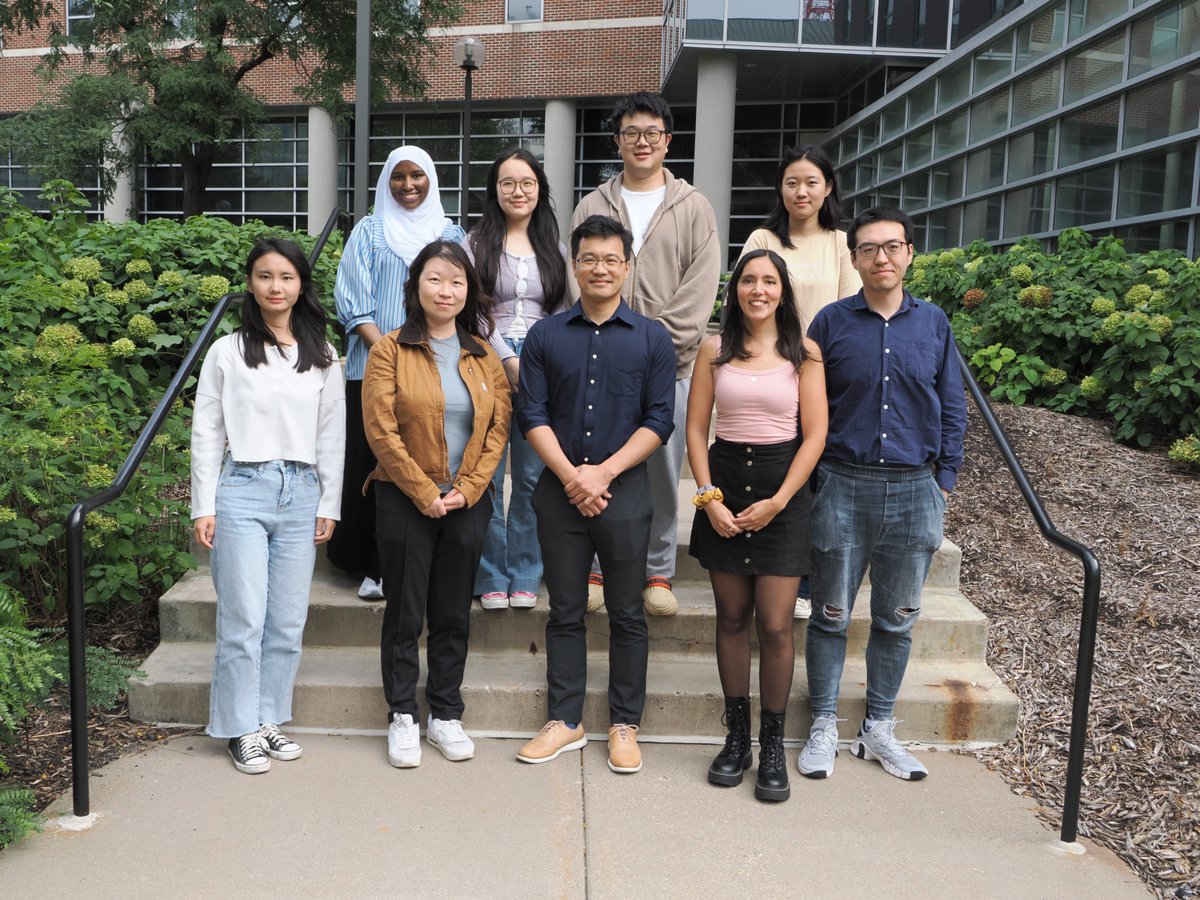
The @RuanLab turns 10 years today. Extremely privileged to work alongside talented and dedicated trainees and lab staff. Very grateful to my mentors, colleagues and collaborators, and of course the support from @NIH, @AmDiabetesAssn@American_Heart@umnmedschool@UMN_IBP etc.