Very happy to share our new article available in Weed Research.
We compared the morphology, phenology and fecundity of waterhemp cohorts across five canopy types. Results revealed the suppressive ability of spring wheat and oat canopies.
https://t.co/cFWtWQLpkF
A reminder for glufosinate applications with the variable temperature this week. If the humidity drops below 60% at application or temperature is below 75 degrees, waterhemp control becomes less consistent.
Plan applications accordingly to reduce the chance of escapes.
Continuous-contact weed electrocution (commonly used in orchards) could offer a more flexible way for row crop farmers to zap inter-row weeds, but companies need to better adapt this tech to row crops before you’ll see these machines in corn, soybean or cotton fields.
Learn more about ongoing row crop weed electrocution research from Cornell’s Dr. @LynnSosnoskie and Texas A&M’s @Ryan_C_Hamberg and Dr. @MBagavathiannan in this article.
https://t.co/QKMRUiZWY7
Our first Student Research Highlight is live on our YouTube channel! If you have video content you'd like to share with the society, send that to [email protected].
https://t.co/EOWP6DEGom
#weedscience#weeds#ryegrass
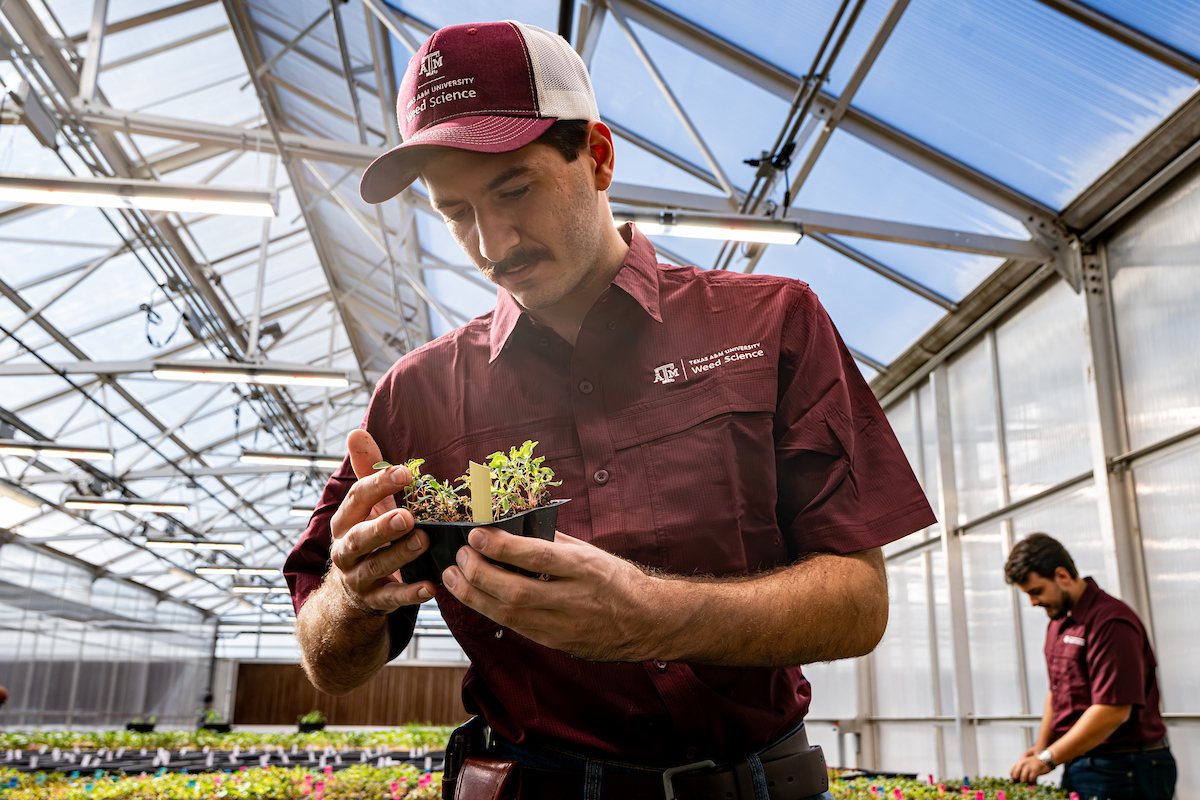
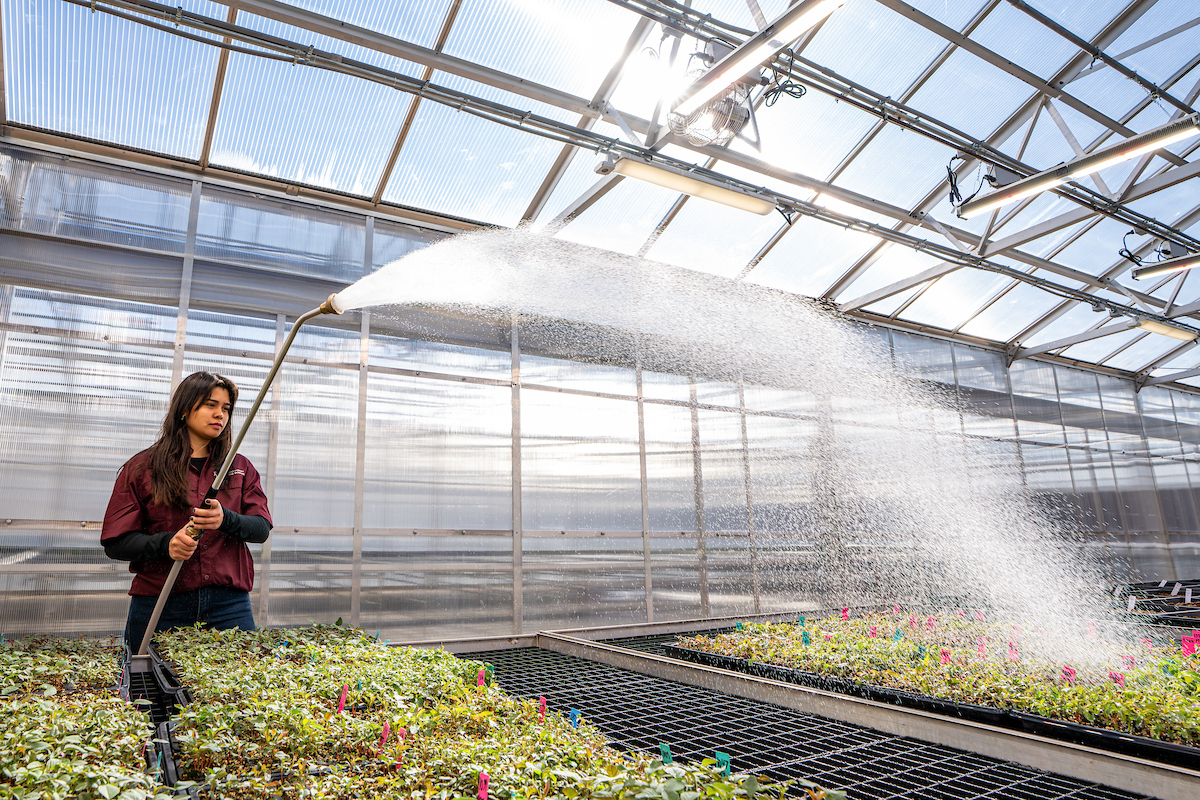
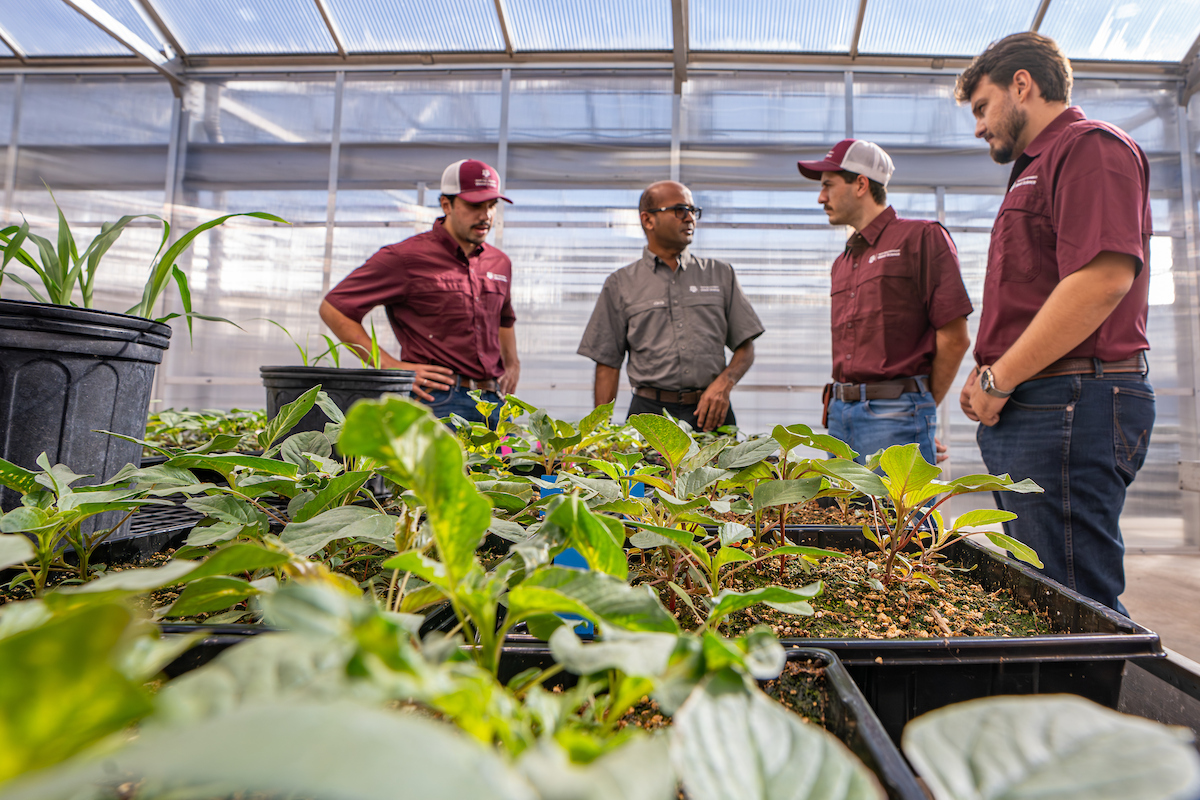
Originally built in the late 1990s, the Borlaug Center greenhouses now have a modern upgrade. The 24,372-square-foot facility features advanced environmental controls, LED lighting, insect containment and automated data tracking to support plant research across the @tamusystem.
Resource Alert: Our newest weed page is hot off the press! Visit our new large crabgrass weed page to learn how you can tackle this invasive weed. Shout-out to author Sirwan Babaei from Southern Illinois University–Carbondale!
https://t.co/6bU8Qe311Q
#growiwm #integratedweedmanagement #weedcontrol #weedID #farming #agriculture
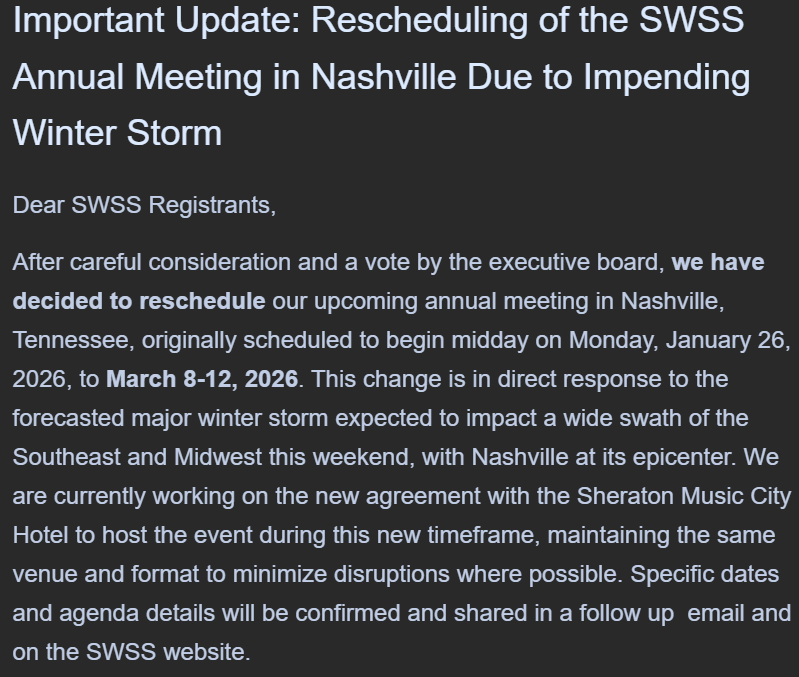
An update regarding the postponement of the upcoming SWSS Annual Meeting. Please do not cancel hotel reservations as we are working with the hotel to adjust any block rooms to the new meeting dates. Stay tuned and stay warm!
Come join our team at the @ISUFieldLab! We're looking for someone with experience operating equipment to lead field operations at the farm. Plot scale research and/or demonstration experience is a plus. The job posting should answer most questions, but feel free to reach out.
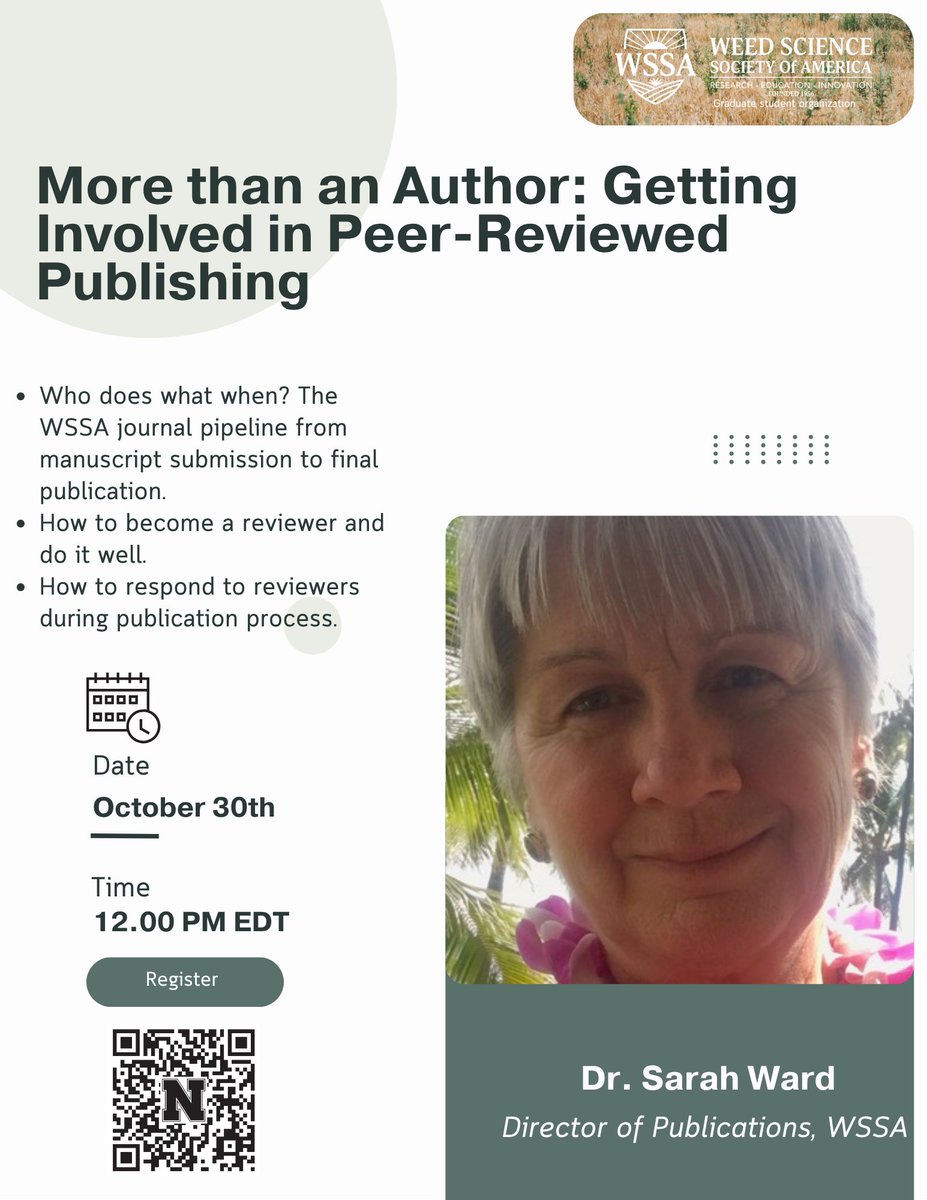
Join WSSA GSO for “More than an Author: Getting Involved in Peer-Reviewed Publishing.” Webinar by Dr. Sarah Ward.
Register by Monday, October 27! https://t.co/W9IlovvRtm
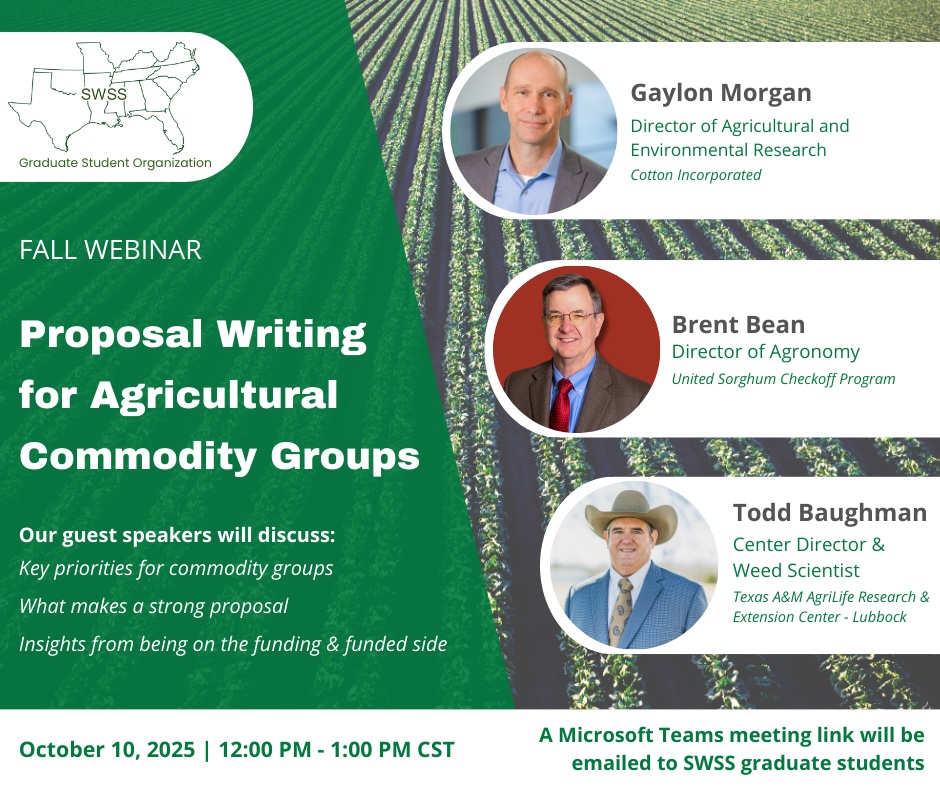
Do you want to enhance your proposal writing skills?
Join us on October 10, 2025 (12:00–1:00 PM CST) for an engaging webinar.
Our speakers will share practical tips and techniques to help you craft stronger proposals and better understand funding priorities.
@SouthWeedSciSoc
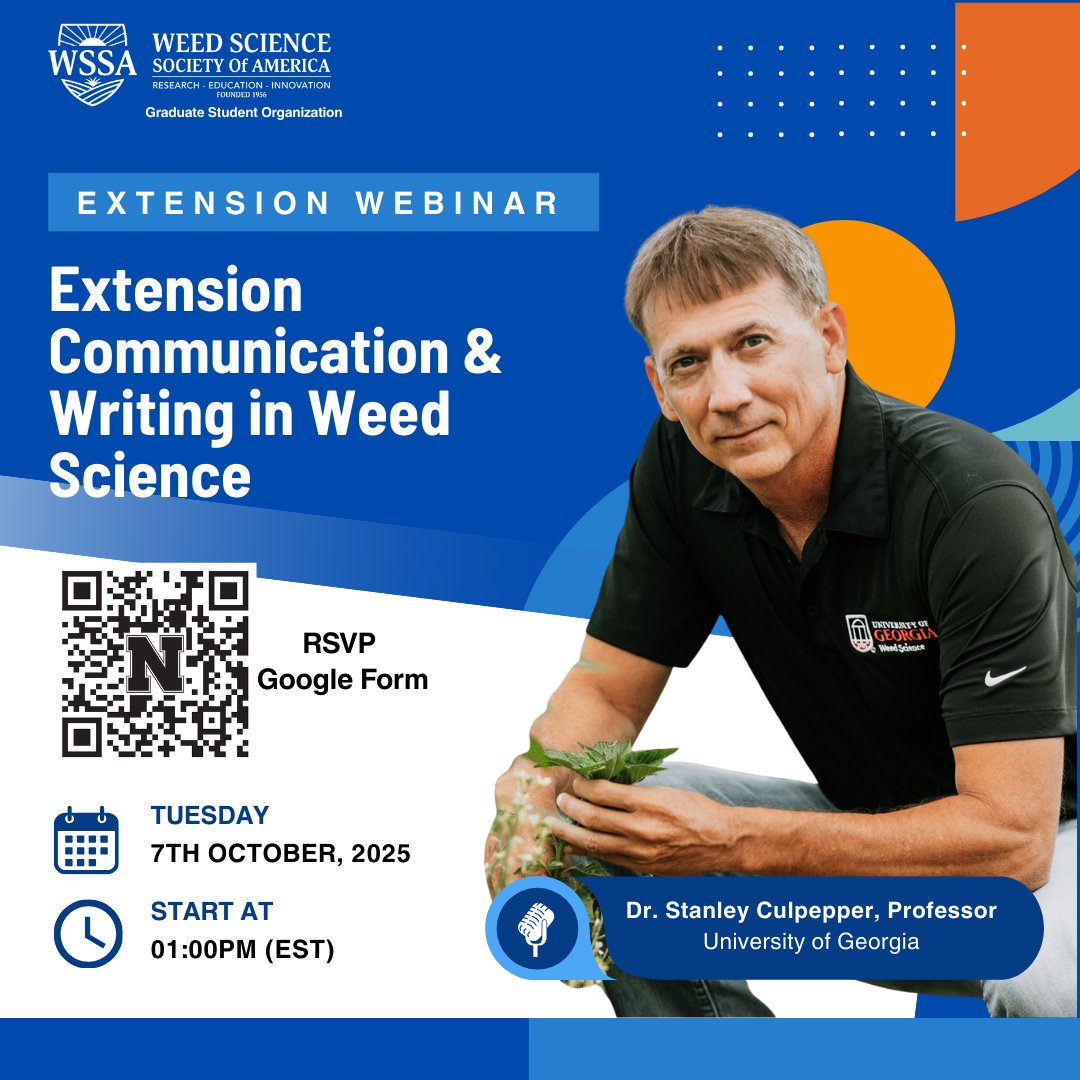
WSSA GSO presents: Extension Communication & Writing in Weed Science
Featuring Dr. Stanley Culpepper, University of Georgia
October 7 | 1 PM EST
Learn how extension connects research to impact and engages diverse audiences.
RSVP by September 30. https://t.co/BIDpZyOedk
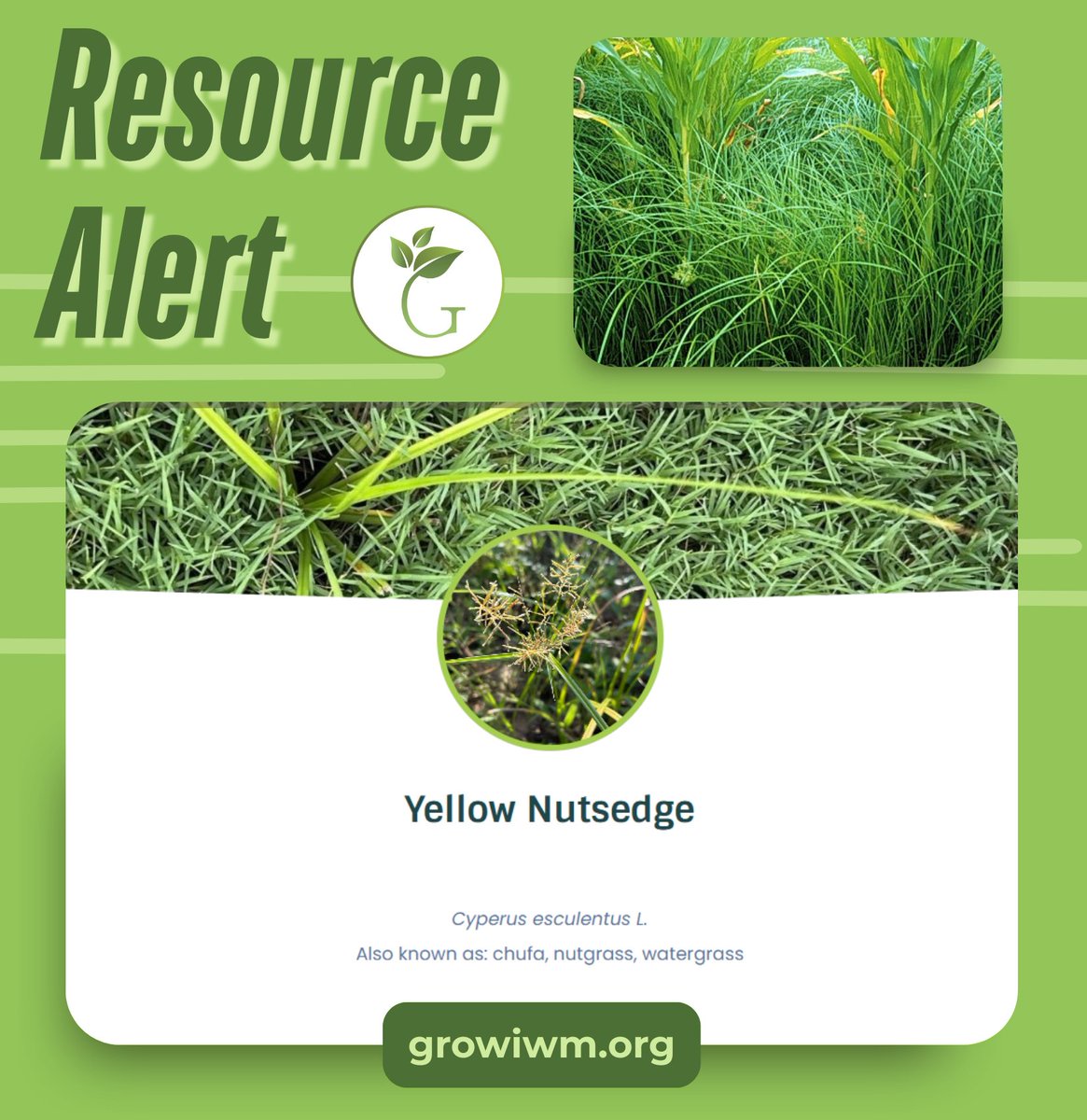
Resource Alert: Our new yellow nutsedge page has everything you need to know about this perennial weed that's dubbed, "one of the 'world's worst weeds'"! Shout-out to author @Ryan_C_Hamberg, from @TAMUWeedNinjas.
https://t.co/0Z11gnTgYp
#growiwm#integratedweedmanagement #farming #agriculture #yellownutsedge
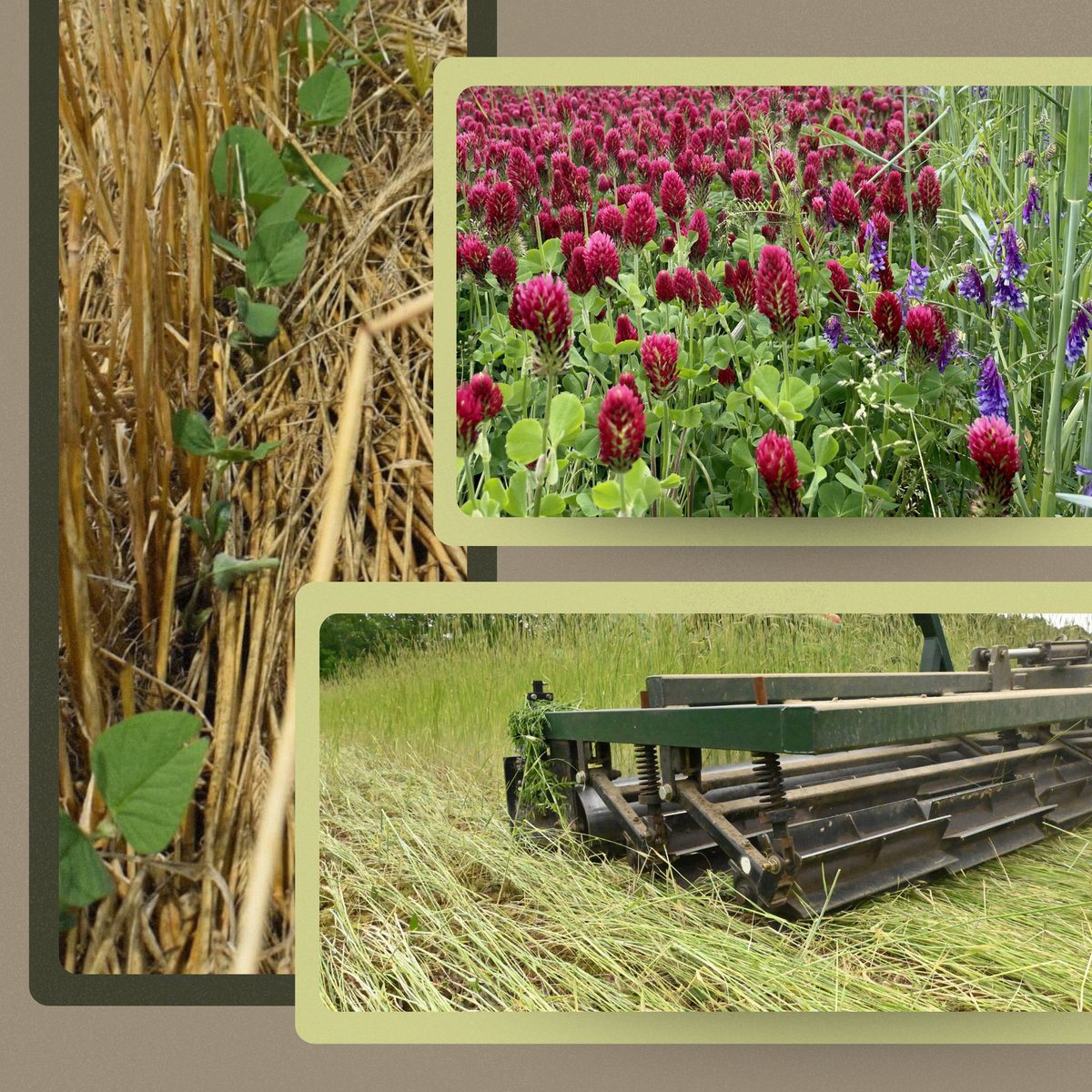
@CropsCover@GetRidOfWeeds@MBagavathiannan@TAMUWeedNinjas@OregonState@zassogroup You are correct.
for your question: It would likely take additional passes (more energy) - but I think it depends on which species you are trying to terminate. The lethal threshold varies by species.
Soil and plant moisture at termination also matter.