🌺 ICCV25 🌺 Excited to share that our paper HAMSt3R 🐹: Human-Aware Multi-view Stereo 3D Reconstruction has been accepted at ICCV 2025!
HAMSt3R extends MASt3R to jointly reconstruct humans and their surrounding from images.
📜 Paper: https://t.co/jHD0FwWta0
Announcing 2 new members of the *St3R family for human-centric 3D vision tasks!
Meet HAMst3R & HOSt3R @ICCVConference#iccv2025
- HAMSt3R (Human-Aware Multi-view Stereo 3D Reconstruction) extends MASt3R to handle scenes involving people.
Paper: https://t.co/uEXodKO6Zv
1/2 🧵
A beautiful effect that is difficult to describe in simple words.
I still find it hard to believe this can be achieved w/o fine tuning. A fantastic (and apparently inherent?) property of diffusion models to be further exploited.
Proud to have been part of this project!
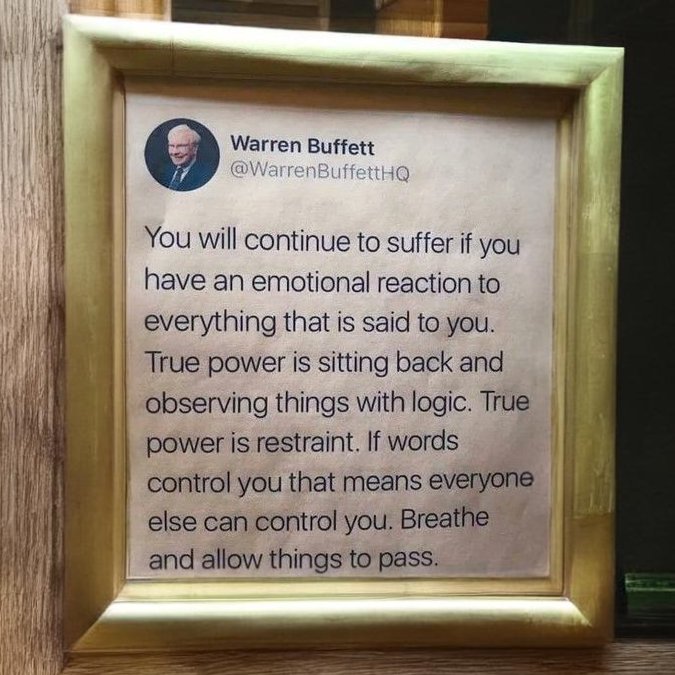
5/ Narcissism Razor:
Don't worry about people's opinions. They're too busy worrying about others' opinions of them.
You're mostly an extra in someone else's movie.
h/t - @waitbutwhy
RunwayML dropped Gen-3 Alpha video-to-video just 13 hours ago
The internet is going crazy 🤯
this update represents a brand new control mechanism for precise movement, expressiveness and intent within AI video generations
Here are 10 examples:
@3DVconf@jon_barron Hi Jon, when was the last time you changed your mind about something? For example, did you have an opinion on a topic and then later changed your view? (In Computer Vision and life)
@janusch_patas Products that people want to resell on Amazon? (E-commerce) It seems products that have the 3D reconstruction sell more than those that do not.
Exciting News! 🎉 My paper got accepted at #ECCV2024! Huge thanks to my Adobe and KAUST collaborators!
💌 DATENeRF: Depth-Aware Text-based Editing of NeRFs ��
@SarisRo, @JulienPhilip2, Kai Zhang, Sai Bi, Fujun Luan,@BernardSGhanem , Kalyan Sunkavalli
https://t.co/15LgNMzVhY
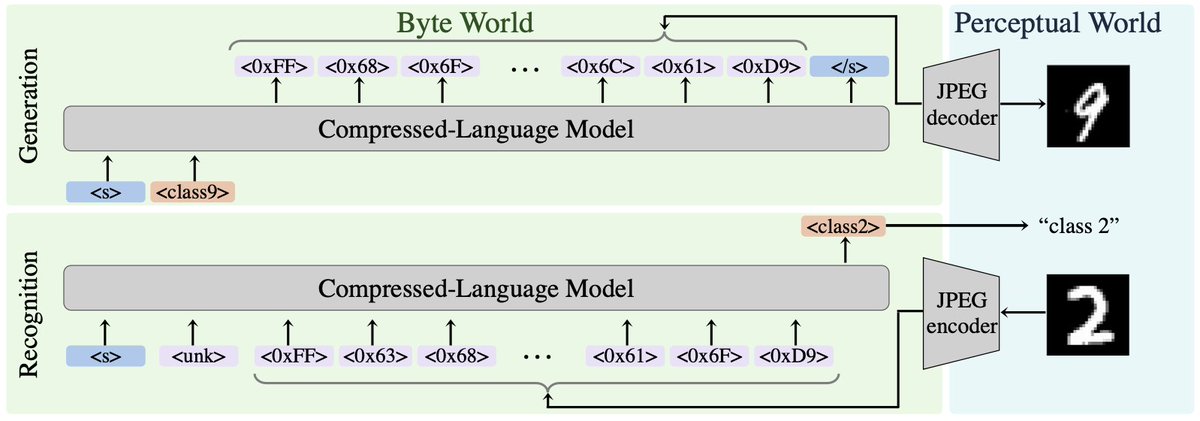
Can a language model understand JPEGs 💾? We trained ours 🦙 on raw byte streams, and it learned to speak JPEG-ese! We find the model's can understand file properties, fix anomalies, and generate new JPEGs 🖼️, all while bypassing the decompression step 🚀.
A thread 🧵
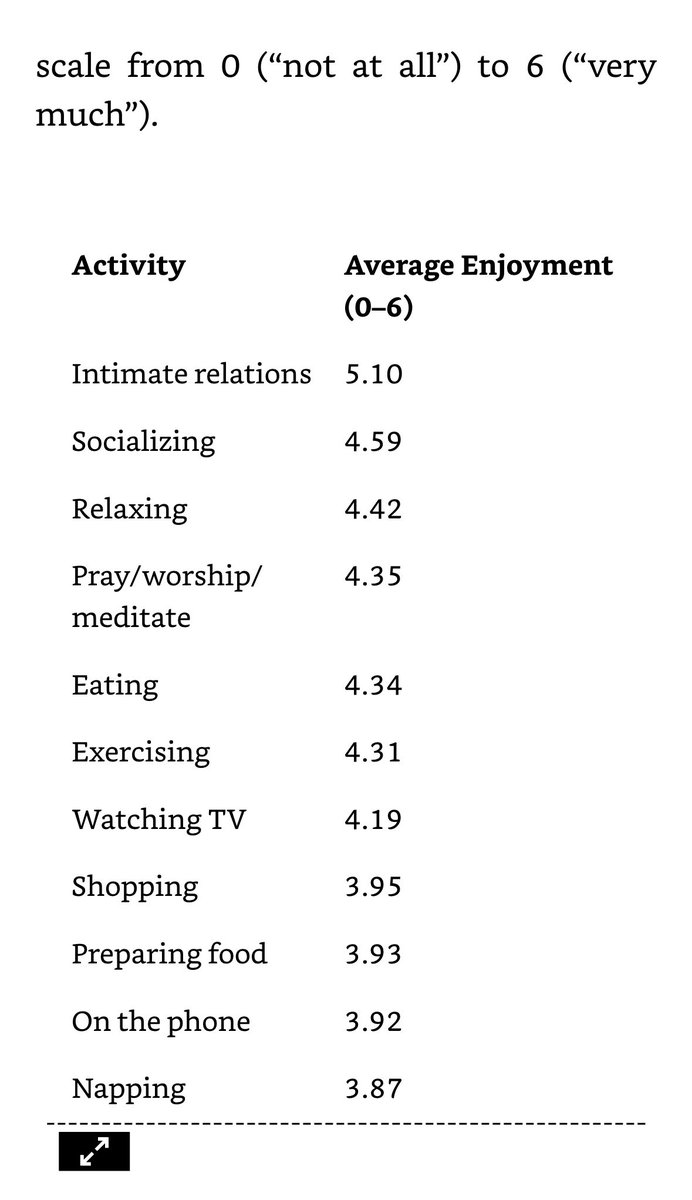
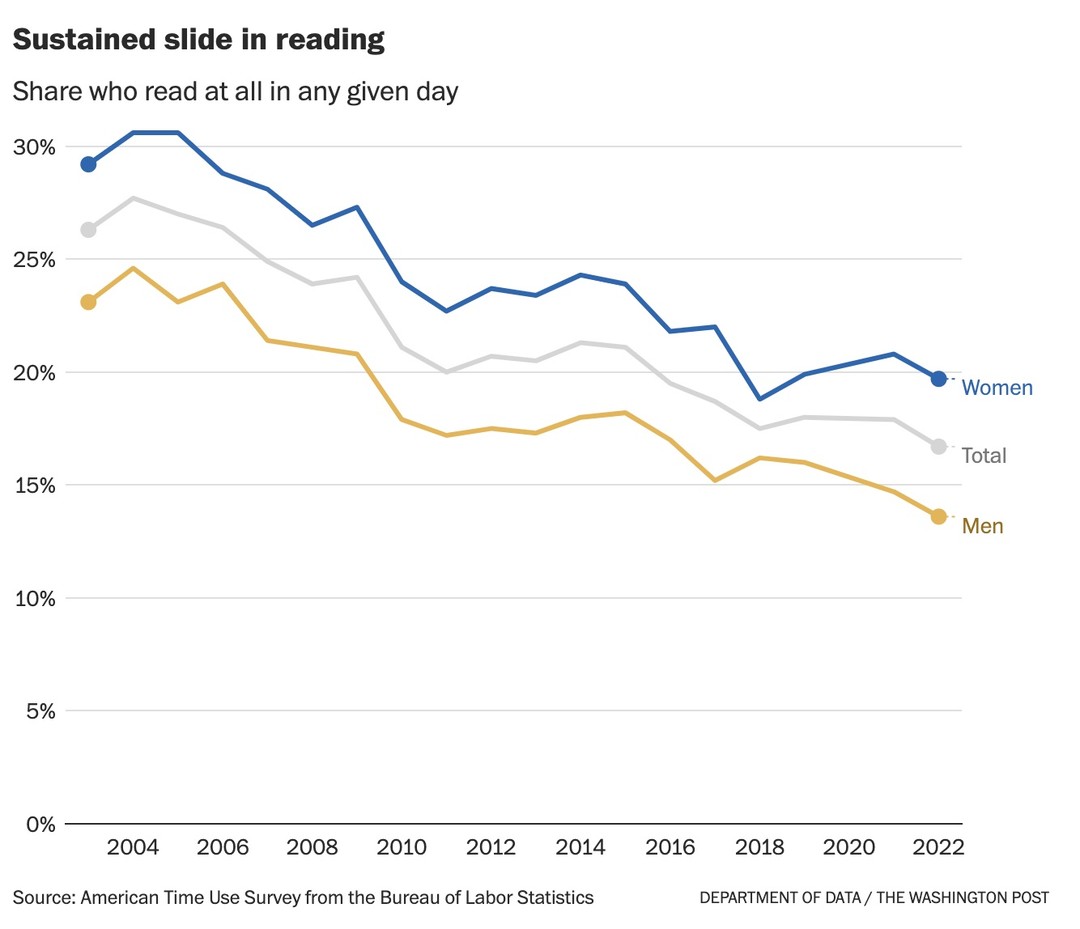
Major happiness study finds that women enjoy taking care of children more than working. Media reports this as people are miserable when taking care of children, ignoring that work does worse.
# on technical accessibility
One interesting observation I think back to often:
- when I first published the micrograd repo, it got some traction on GitHub but then somewhat stagnated and it didn't seem that people cared much.
- then I made the video building it from scratch, and the repo immediately went through hockey stick growth and became a verty often cited reference for people learning backpropagation.
This was interesting because the micrograd code itself didn't change at all and it was up on GitHub for many months before, stagnating. The code made sense to me (because I wrote it), it was only ~200 lines of code, it was extensively commented in the .py files and in the Readme, so I thought surely it was clear and/or self-explanatory. I was very happy with myself about how minimal the code was for explaining backprop - it strips away a ton of complexity and just gets to the very heart of an autograd engine on one page of code. But others didn't seem to think so, so I just kind of brushed it off and moved on.
Except it turned out that what stood in its way was "just" a matter of accessibility. When I made the video that built it and walked through it, it suddenly almost 100X'd the overall interest and engagement with that exact same piece of code. Not only from beginners in the field who needed the full intro and explanation, but even from more technical/expert friends, who I think could have understood it if they looked at it long enough, but were deterred by a barrier to entry.
I think as technical people we have a strong bias to put up code or papers or the final thing and feel like things are mostly self-explanatory. It's there, and also it's commented, there is a Readme, so all is well, and if people don't engage then it's just because the thing is not good enough. But the reality is that there is still a large barrier to engage with your thing (even for other experts who might not feel like spending time/effort!), and you might be leaving somewhere 10-100X of the potential of that exact same piece of work on the table just because you haven't made it sufficiently accessible.
TLDR: Step 1 build the thing. Step 2 build the ramp. 📈
Some voice in your head will tell you that this is not necessary, but it is wrong.