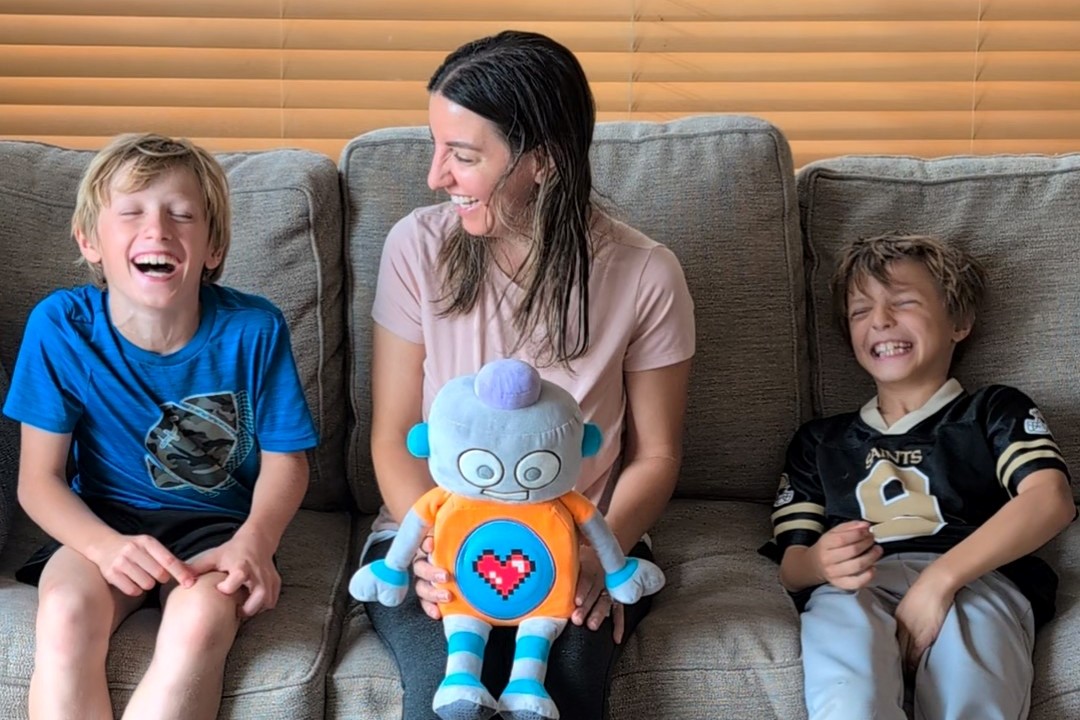
@Jason You're on the right path but need to think deeper about 1st principles.
Education compounds so early learning must be a focus. Moreover, if tech isn't strengthening human connections, it's likely doing harm. Step 1 is replacing screen time w/ play.
TEDx Talk in our bio.
@mhp_guy Yes! Literally, asked the same question years ago. TLDR: no simple fixes. Ultimately, adults need to do more adulting. High quality early ed, fewer screens, more play, etc.
see TEDx Talk in our profile for what we learned.
@marcportermagee Pro tip: anyone who uses the word "disrupt" probably isn't disrupting anything.
In the final class with Clay Christensen (author of innovators dilemma), he cautions students against using the word b/c it's overused, misunderstood, and generally misapplied.
I don’t think a lot of people understand how bad it has gotten in elementary school
Parents are fighting to keep their kids away from screens and junk videos only to have their public schools give away the game
Peter Thiel confirms that tech execs generally place severe restrictions on tech use by their own children.
His limit for his kids: 1.5 hours per week.
(kids were 3.5 and 5 at the time)
As we say in The Amazing Generation, the "tech wizards" want YOUR kids to spend all day.
@mcuban Agents are best when they are "good enough" substitutes - which allows them to create new categories focused on non-consumers. Otherwise, there is real risk they will over-serve (price out) demand.
@HippyMomPhD Most exclusively use it to play music / timers. We use it to help kids learn in the most-actively engaging way to encourage kids to think, move, and play together.
“Although it once seemed like a good idea to give every child his or her own device, it’s clear that those policies have been a failure.”
💯
School-issued laptops distract students at school and home, expose them to things they shouldn’t see, and hurt learning.
🧵
@NielsHoven Great thought experiment. If we were serious about learning, we'd prob align outcomes to rev model (eg. schools are only paid when outcomes are achieved). This would likely lead to other investments (early education, parenting, teacher training, etc.).