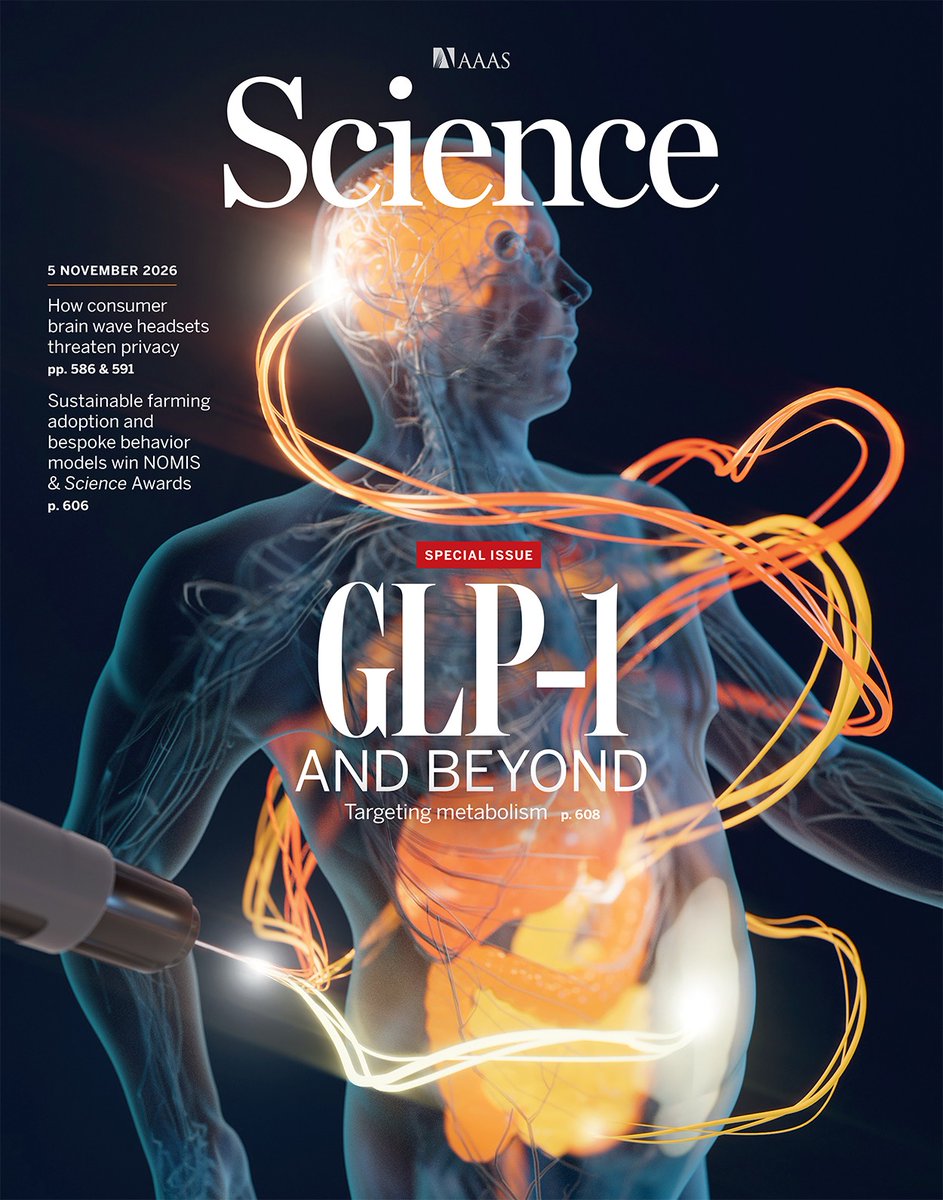
GLP-1 receptor agonists are among the most effective treatments for obesity and other metabolic disorders. With widespread use of these drugs, it has become clear that their effects go well beyond health conditions traditionally linked to metabolism, affecting multiple other organ systems, particularly the brain.
Continued research in this field has also expanded beyond the GLP-1 receptor as a target, with the development of additional drugs and combinations to help optimize patient care.
Learn more in this special issue of Science: https://t.co/PBhaW8fhrv
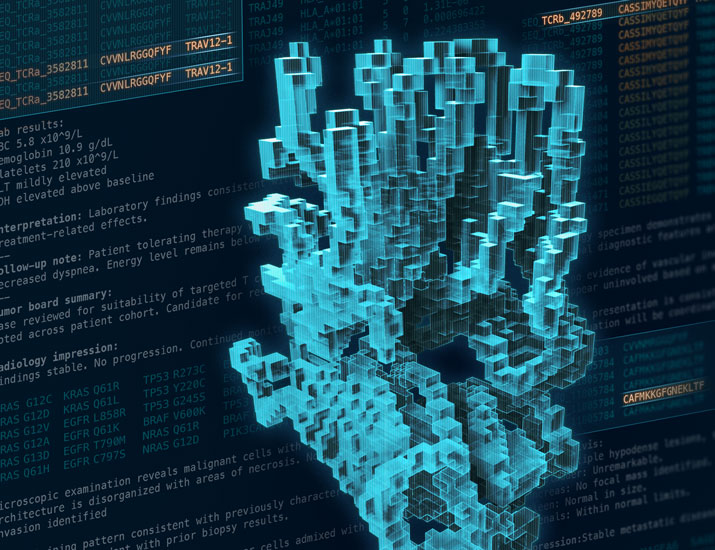
By analyzing a massive collection of #TCellReceptor chains from 150,000+ patient samples, researchers have developed a pipeline to accelerate the discovery and validation of public T cell receptors for immunotherapeutic design. @ScienceTM https://t.co/705CmNjfNR
"I’m no longer waiting for all of the uncertainties to disappear before I allow myself to enjoy my work, my life, or an ordinary day." #ScienceWorkingLife https://t.co/otz7d08sNq
The robots in J.P. Lacrampe's Valet: A Novel demonstrate the difference between having autonomous agency and political autonomy, with implications for the debate about “free will.”
Read more in @SciRobotics: https://t.co/NMOI7sgYnM
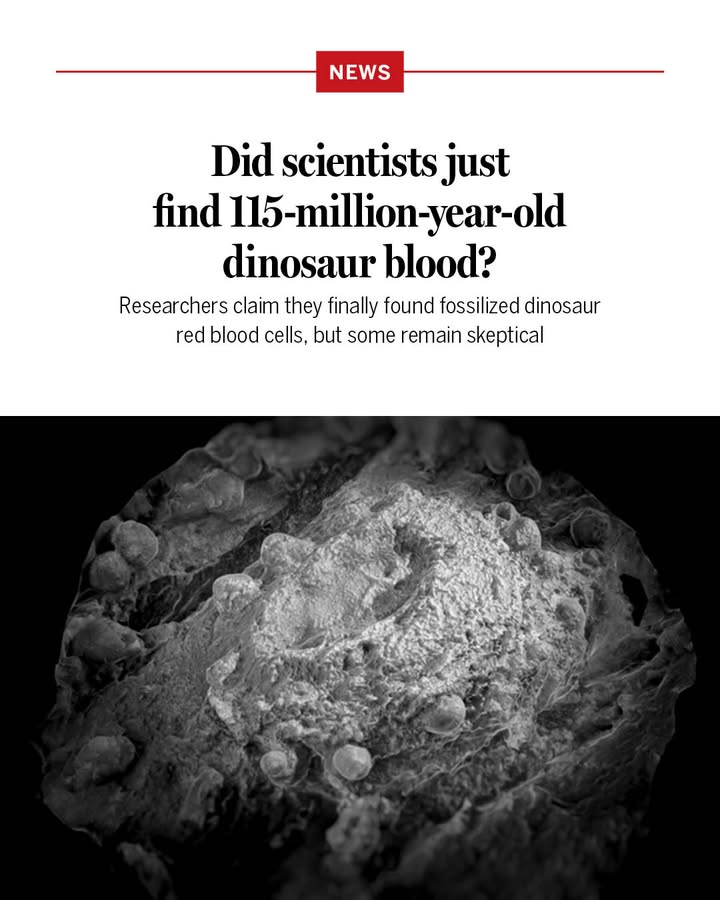
Blood cells don't fossilize very easily. Most break down shortly after death, and certain minerals can mimic the blobby shape of cells under a microscope, making the prospect of finding convincing traces of very ancient blood—say, as old as dinosaurs—far-fetched.
Yet that's what scientists say they've uncovered. With multiple lines of evidence, the international team behind the new study claims the remains from a 115-year-old dinosaur from Brazil contain the oldest fossilized red blood cells ever discovered. But some experts remain skeptical.
Learn more: https://t.co/oFKXszwZQE @NewsfromScience
A study of 100,000 diverse Americans tackles gaps in pharmacogenomics representation, scientists connect sleep-like slow brain waves to hallucinations and poorer cognition in Parkinson’s disease, and more this week in #ScienceTranslationalMedicine. https://t.co/iPsiaRWdZr
The new issue of Science #Robotics is out!
This month’s cover shows a rubber tire gantry crane deployed with Autane, a system that enables autonomous container stacking, transportation, and placement on trucks in port yards.
Learn more: https://t.co/4IfQjUYjoM
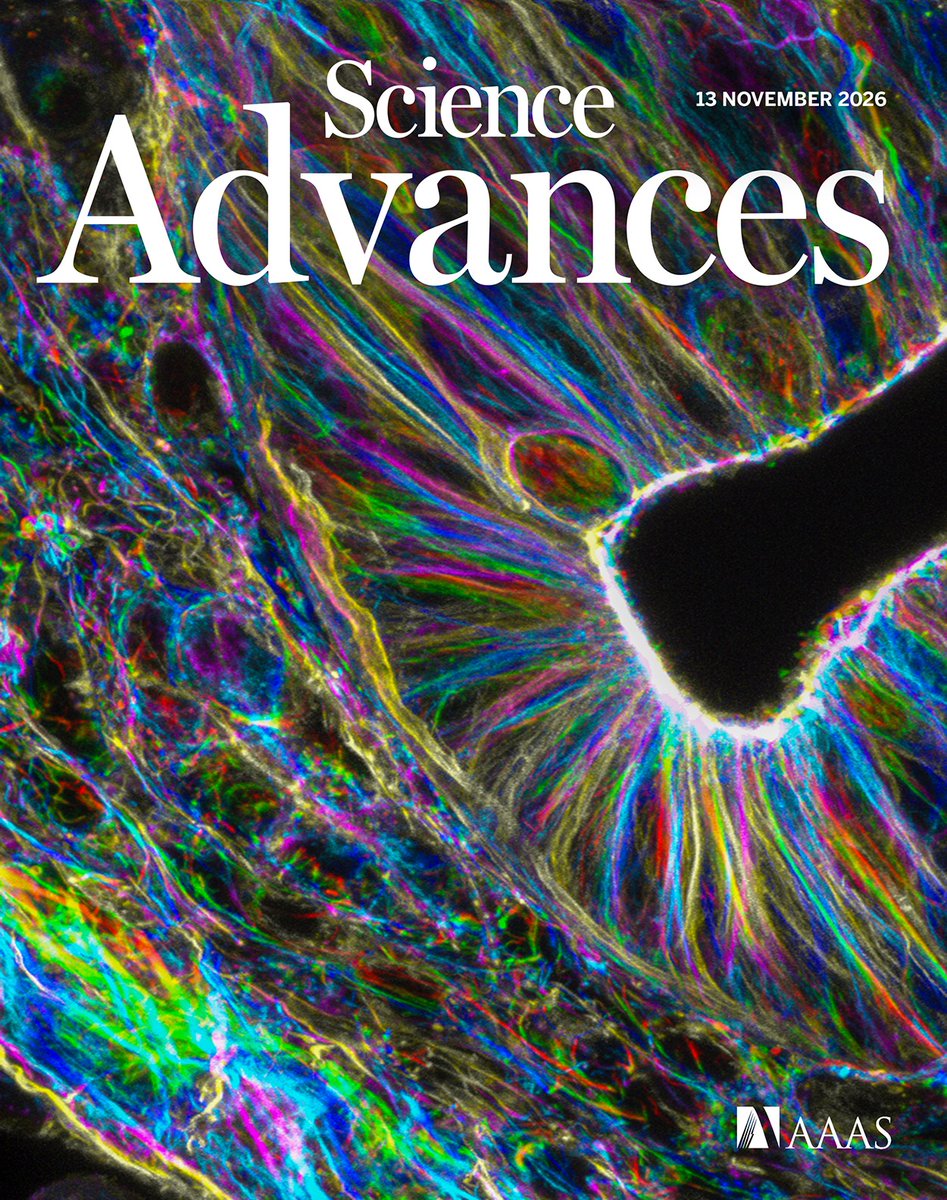
New research suggests that identifying pathway-specific modes of recruiting actin regulators can help define how signal precision is maintained in dynamic tissue environments.
Learn more this week in Science Advances: https://t.co/7iUyh3dIxi
When cells grow together, they often align with their neighbors, forming liquid crystal-like patterns known as “nematic order.” But that order isn’t perfect, and at certain points, the alignment can break down, creating “topological defects”: small regions where cells swirl or fan out instead of lining up cleanly.
And according to research published in Science, what looks like a defect can be used strategically as built-in instructions for shaping larger structures. Instead of growing upward, cells can store and release stress in certain places along a previously flat sheetlike structure, forming a bowl, a ridge, or a fold.
Learn more: https://t.co/C6BIlTUIG2 #OrigamiDay
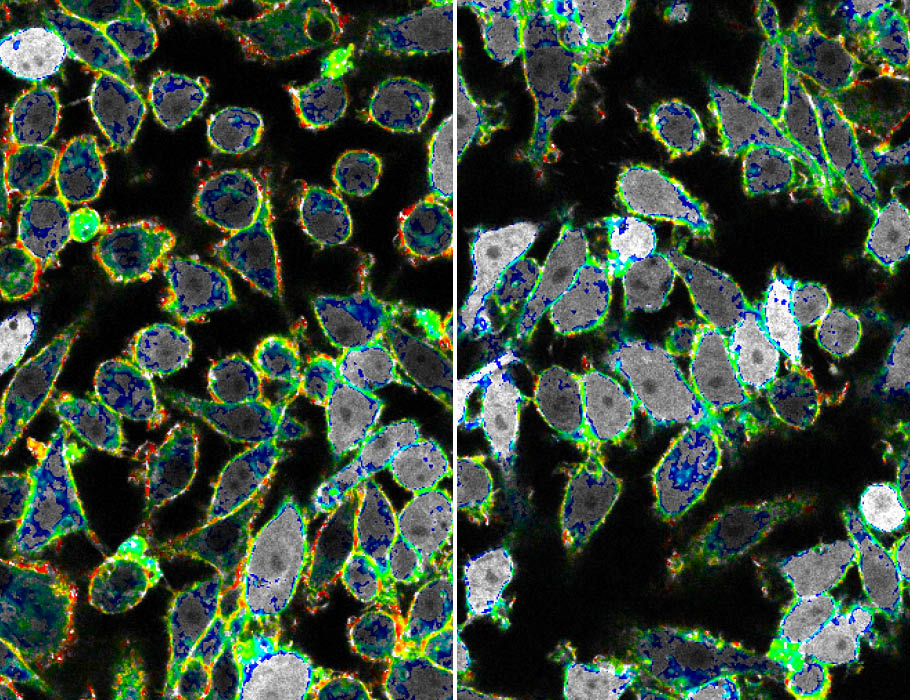
By studying mice and cultured macrophages in the lab, a team has identified a previously unknown molecular brake on inflammation that may shield these cells from osmotic stress as they fight infections. @SciSignal https://t.co/zcPNzxxXLO
GLP-1s are showing promise for a growing range of health applications, but how can their benefits reach people around the world?
A new #SciencePolicyForum examines the challenges and opportunities in expanding global access. https://t.co/YbcJv5lzBm
A scientist is helping uncover the role of the immune system in endometriosis—while managing the disease herself.
Learn more: https://t.co/WRA9hcb3g1 #ScienceMagArchives
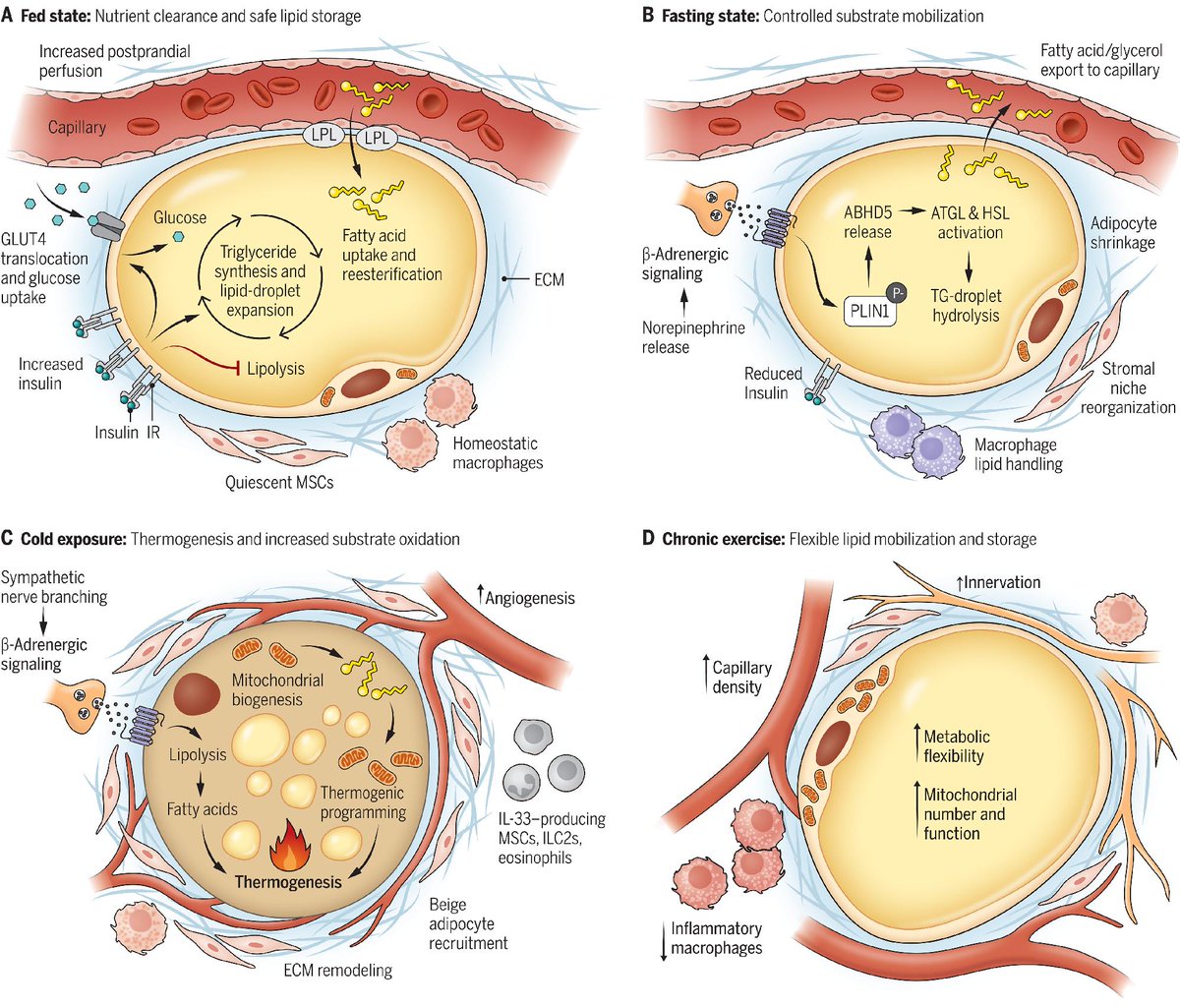
Healthy remodeling of adipose tissue helps maintain metabolic balance and protect surrounding organs. But when this process is disrupted, it can lead to harmful cellular changes that contribute to metabolic disease and that damage nearby tissues. Although weight loss can reverse many aspects of fat-tissue dysfunction, some changes may persist.
According to a new #ScienceReview, understanding which changes are reversible and which leave lasting effects is key to helping researchers develop treatments that don’t just reduce fat mass, but also restore healthy fat-tissue function and improve metabolic resilience.
Learn more: https://t.co/kUECLBFH1C
A new toothbrush generates electricity through bristle movement to battle plaque-producing bacteria.
Learn more in @ScienceAdvances: https://t.co/UZoAIoxjsq
People are buying consumer-grade brain wave detectors ostensibly to help with sleep, concentration, and meditation.
But as journalist Jonathan Moens describes in the latest #SciencePodcast🎙️ episode, companies are getting more than the price of the devices in the exchange—including training data for AI models—in many cases without the consent of the user.
🎙️ Listen here: https://t.co/ejgnH1upgD
By studying G protein–coupled receptors in mouse hippocampal slices, scientists provide new evidence of unconventional receptor signaling that has implications for the function of synapses in the brain. @SciSignal https://t.co/FdZ42x1Z63
Researchers have, for the first time, inserted receptors into the human brain that allow them to manipulate neuron activity with a drug.
The groundbreaking gene therapy was designed to help three people with drug-resistant epilepsy by dampening activity in the seizure-generating zones of their hippocampus.
The therapy did not produce major side effects, and appeared to reduce the incidence of seizures, the team conducting the clinical trial reported.
Learn more: https://t.co/p57wWJqUe0 @NewsfromScience
Noise measurements untangle a decades-old puzzle in high-temperature superconductivity.
Learn more in a new #SciencePerspective: https://t.co/smUy4e6iJt
New work uncovers a surprising role for an amino acid transporter in restraining macrophage inflammation, researchers interrogate oncogenic G protein signaling in uveal melanoma cells, and more in this week’s new issue of in #ScienceSignaling. https://t.co/tSJRnETmyP
Good conversation between two people involves “pink noise,” according to new @ScienceAdvances research. This term refers to fluctuations in semantic similarities—alignments in speech patterns and word choice—across time scales during a chat. https://t.co/m2vTAqxyRe