This device is helping bring crews closer to identifying microbes on the @Space_Station. Microbial monitoring in space helps to streamline processes back on Earth which could support hospitals by optimizing cleanliness and turnaround time. 🏥 https://t.co/j5ofkS5Xox
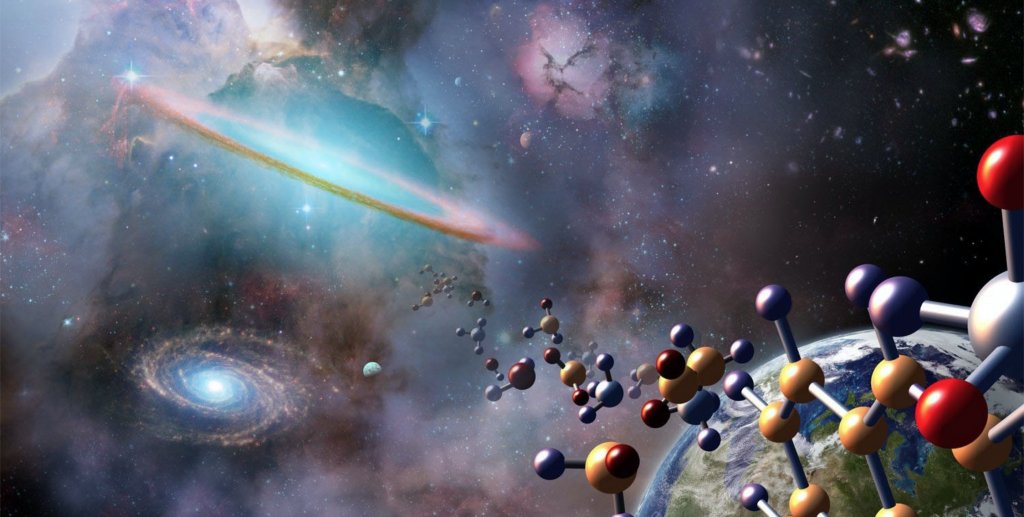
Have you ever wondered about what effects cosmic radiation may have on the Martian surface? And how it could affect our search for extraterrestrial life in the Solar System? 🪐
I am excited to share my latest publication on these thrilling questions! 🤩
https://t.co/eChlPJlPL1
Folks, rather than continually sending messages asking for retweets I am going to try and just ask if you follow this page, the site needs you to be one that retweets.
We have no marketing/ ads. We don't charge anyone to read. I PAY to share this info. Please help by retweeting.
Why the #Astros did not get Castillo and what it means for other potential deals
#MLB#Trades@IBWAA
https://t.co/tbLY8KwD5R
Folks, please share this with others!
DNA sequencing on the @Space_station is helping researchers identify organisms – even from unknown microbes. Check out how this @ISS_Research benefits humanity: https://t.co/ow2O5KLNmV
The next PCE3 seminar series is coming up this Thursday, July 23rd, and will cover PROTOCELLS, with speakers Claudia Bonfio and Derek O'Flaherty, and an introduction by Irene Chen.
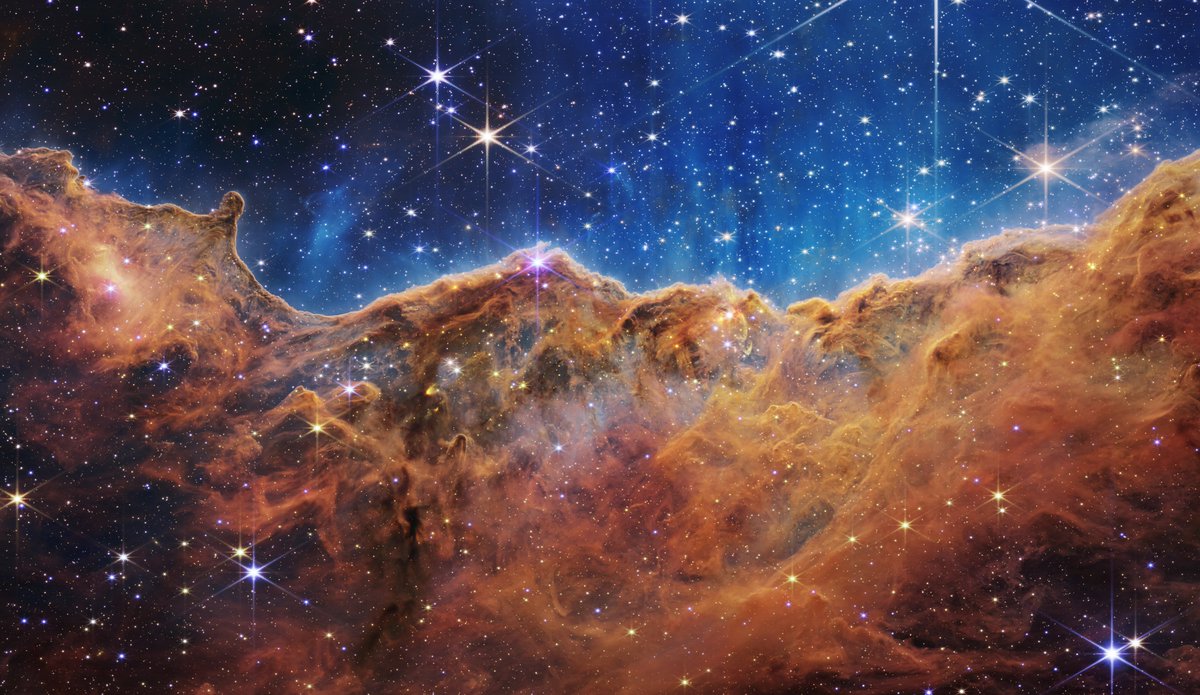
Cosmic cliffs & a sea of stars. @NASAWebb reveals baby stars in the Carina Nebula, where ultraviolet radiation and stellar winds shape colossal walls of dust and gas. https://t.co/63zxpNDi4I #UnfoldTheUniverse
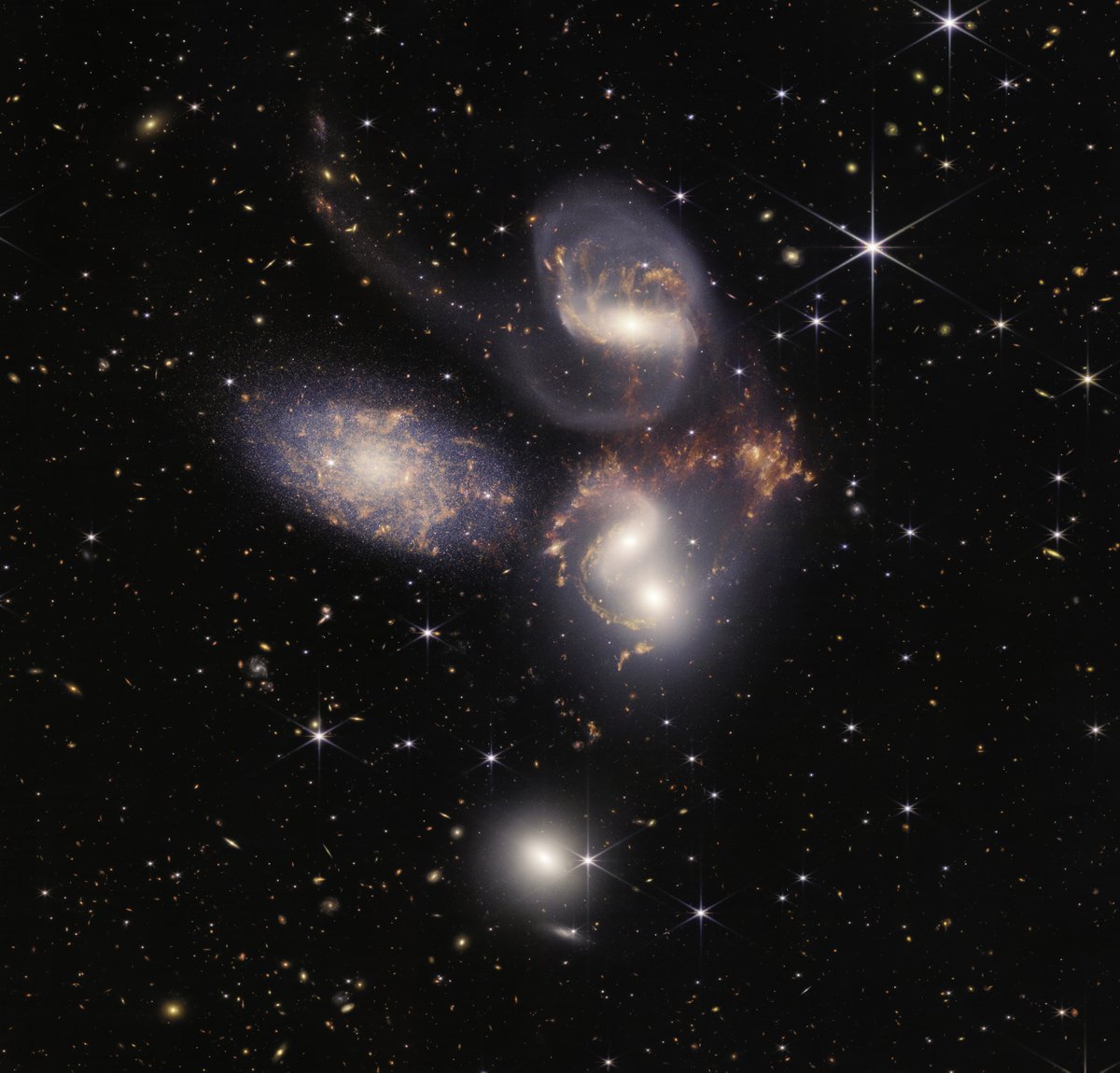
Take Five: Captured in exquisite detail, @NASAWebb peered through the thick dust of Stephan’s Quintet, a galaxy cluster showing huge shockwaves and tidal tails. This is a front-row seat to galactic evolution: https://t.co/63zxpNDi4I #UnfoldTheUniverse
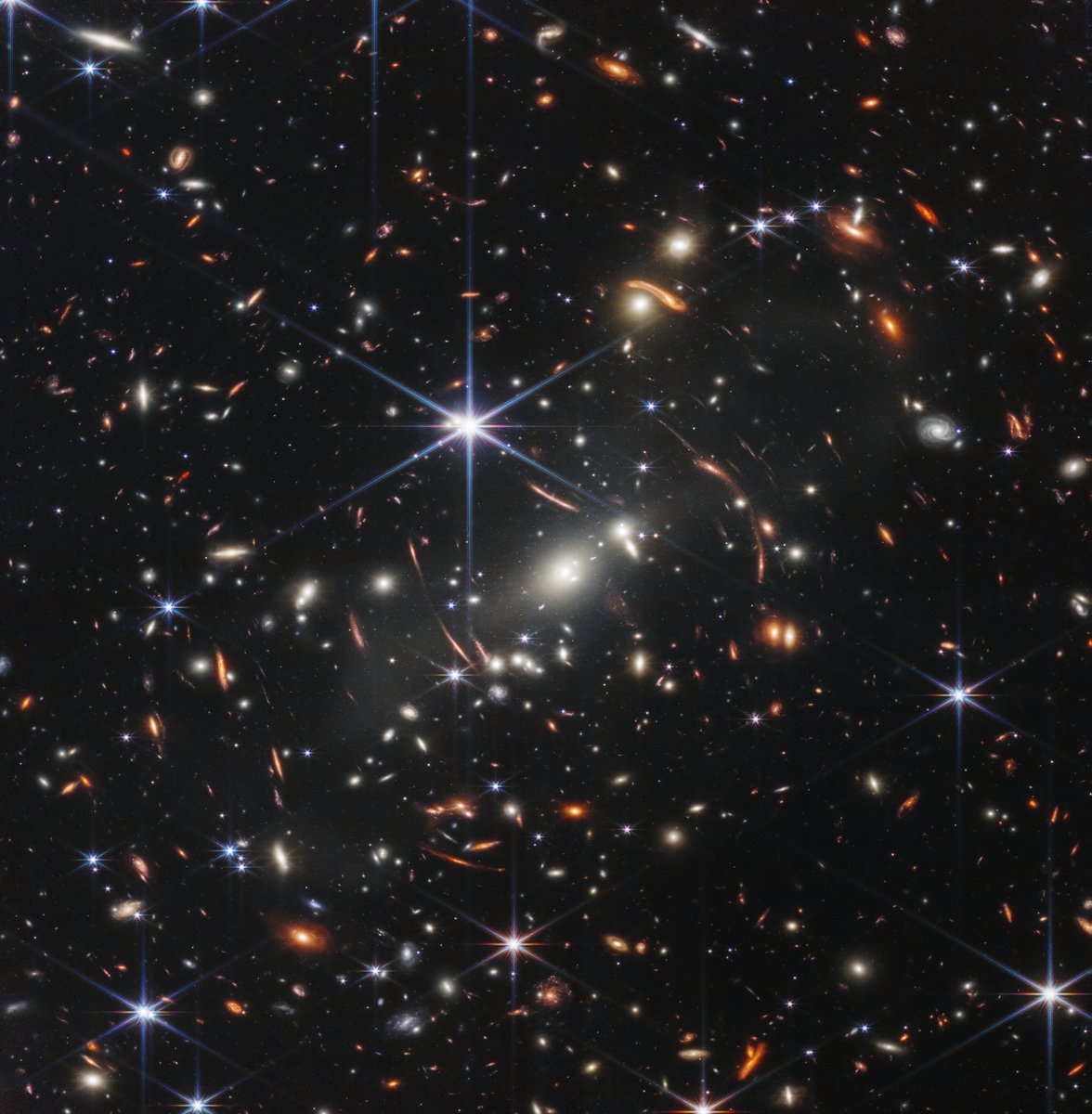
It's here–the deepest, sharpest infrared view of the universe to date: Webb's First Deep Field.
Previewed by @POTUS on July 11, it shows galaxies once invisible to us. The full set of @NASAWebb's first full-color images & data will be revealed July 12: https://t.co/63zxpNDi4I
Congratulations to @LPIToday's Dr. Allan Treiman, who was selected by @geosociety's Planetary Geology Division to receive the G.K. Gilbert Award, in recognition of outstanding contributions to the solution of fundamental problems in planetary geology.
https://t.co/03Lr4y1Kf8
Do you want to help scientists understand the fluid dynamics and cloud chemistry on Jupiter?!
Anyone can lend a hand to categorize images from the Juno mission through the new Jovian Vortex Hunter project.
Learn more HERE>> https://t.co/6GWEWnWYyh
[NASA] ROSES-22: C.26 APOLLO NEXT GENERATION SAMPLE ANALYSIS FOR COMMUNITY COMMENT
Maximize the science derived from samples returned by the Apollo Program in preparation for future lunar missions
https://t.co/8Kdix9vQ3O
https://t.co/5wGfSvNHYq
v16n27-6
@planetarysci
RESEARCH SCIENTIST AT NASA GSFC
Planetary scientist with a focus on contamination control and returned samples, for a civil servant position
https://t.co/eWG72czyVd
Open July 21 for 5 days
Q: [email protected]
https://t.co/5wGfSvNHYq
v16n27-8
@planetarysci
NASA HQ PROGRAM SCIENTIST OPENINGS
Open: July 22, Close: July 26
https://t.co/sJbvm5woth
HQ-22-DE-11497952-DS
https://t.co/5wGfSw5iPY
v16n27-11
@planetarysci
Cosmic rays on Mars can break down organic molecules faster than we thought—so we might have to dig a bit deeper to find signs of ancient life on the Red Planet: https://t.co/Pe5BaYuVEM
Shooting for the stars: The UH System has expanded its partnership with the Johnson Space Center to make way for more research opportunities to advance space exploration initiatives.