There are two types of diabetes.
And understanding the difference might save someone’s life.
Let’s break it down:
Type 1 Diabetes
– The body cannot produce insulin.
– It’s not lifestyle-related. It’s autoimmune.
– The pancreas is not working.
– It often shows up in childhood or adolescence.
– People with type 1 need insulin every day to survive. It’s not optional.
– One of the most dangerous signs is diabetic ketoacidosis – a medical emergency.
They didn’t cause it. They’re just managing the reality.
Type 2 Diabetes
– The body still produces insulin, but the cells have stopped listening.
– It’s called insulin resistance.
– It happens over time. Often silently.
– Caused by too much sugar, too many processed carbs, stress, poor sleep, and inactivity.
– It’s far more common. And more preventable.
It’s not always about eating sweet things.
It’s about how your body processes food, stress, and time.
Most people living with type 2 didn’t feel it coming.
Because the warning signs are things we normalize:
—Big belly
—High BP
—Skin tags
—Cravings
—Fatigue
—Brain fog
—High cholesterol
—Constant hunger
—Poor sleep
—Gut issues
They thought it was just “getting older” or “work stress” — until one day, the labs spoke.
So yes, sugar doesn’t cause every case of diabetes.
That person who never liked soda but has diabetes might have type 1.
But for many people? It’s not just sugar—it’s everything piling up over time.
It’s also not your fault if nobody ever taught you this.
If nobody told you your potbelly wasn’t just “family stomach.”
If you grew up thinking bread and malt every day was normal.
But now that you know…
You can act differently.
You can heal differently.
You can prevent what many others couldn’t.
Type 1 is a disease of lack.
Type 2 is a disease of overload.
Both are serious.
Both need love, attention, and better choices.
But Type 2 can often be reversed with food, movement, fasting, rest, and real support.
Start now.
Not when your feet start tingling.
Not when your vision blurs.
Not when the doctor says “we may have to amputate.”
Start now. Your body is asking for help.
Don’t wait till it starts screaming.
Share this post and tag your friends and don’t forget to reach out for a well-structured meal plan.
Nature has given us incredible tools to support the body. Some time-tested herbs include:
❤️ Blood Sugar Support — Bitter Melon, Ceylon Cinnamon, Gymnema, Fenugreek
🧠 Gut & Brain — Triphala, Slippery Elm, Ginger, Chamomile
🛡️ Liver & Skin — Milk Thistle, Dandelion Root, Burdock Root
⚖️ Stress & Adrenals — Ashwagandha, Rhodiola, Holy Basil (Tulsi)
🦴 Kidneys & Bones — Nettle, Horsetail
🌿 These herbs have been used traditionally for generations to support overall wellness when combined with a healthy lifestyle.
8 SUPPLEMENTS THAT MEN OVER 30 OVERLOOK THE MOST:
(Out of 50,000+ supplements on the market, these are the ones I'd actually spend my money on)
1. Vitamin D3 + Magnesium
⭐️Magnesium-Rich Foods You Need in Your Diet
Magnesium is a superstar mineral that supports over 300 biochemical reactions in your body. From boosting energy production to calming your nervous system, this nutrient is essential for your overall health. 💪
Here are 9 magnesium-packed foods to add to your diet:
⚪️Hemp seeds
🌱Chia seeds
🎃Pumpkin seeds
⚪️Quinoa
🥬Swiss chard
🥬Spinach
⚪️Brazil nuts
🐟Mackerel
🍫Dark chocolate
⭐️Why is magnesium important?
⚪️Relieves muscle cramps
⚪️Supports restful sleep
⚪️Promotes healthy bones
⚪️Reduces stress and anxiety
⭐️The daily recommended amount of magnesium varies by age, sex, and life stage. Here’s a breakdown based on general guidelines:
⚪️Men: 400-420 mg/day
⚪️Women: 310-320 mg/day
⚪️Pregnant Women: 350-360 mg/day
⚪️Children (4-18 years) 130-410 mg/day depending on age.
Magnesium needs can also vary depending on your activity level, stress, or certain health conditions. Including magnesium-rich foods can help you meet these requirements naturally.
Men,
Here is something on MEN'S HEALTH that you should know:
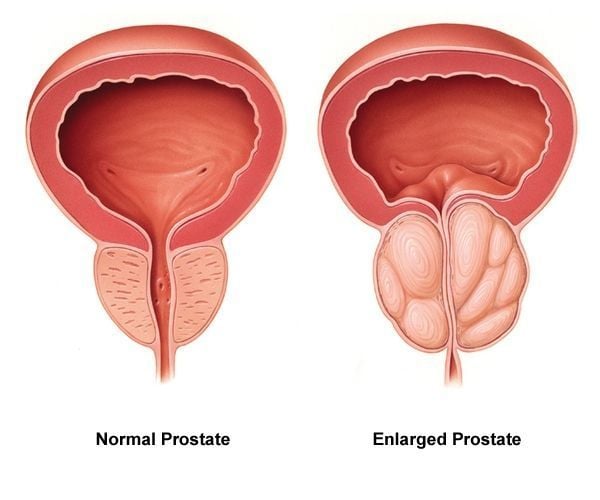
The most essential nutrient in the health of your prostate is ZINC.
Best sources of ZINC:
• Red Meat
• Oysters
• Sea fish
• Pumpkins
Zinc blocks the action of an enzyme called alpha-reductase.
Alpha-reductase usually converts testosterone to dihydrotestosterone (DHT)
DHT stimulates prostate enlargement.
It also stimulates beard growth but also causes hair loss (baldness).
Have you seen men with heavy beards but bald heads?
They have low testosterone but high DHT.
High triglycerides slow fat loss, tank energy, and increase heart disease risk.
1 in 3 Americans have them. Most doctors just say "eat less fat" but replacing it with carbs makes it worse.
Here is the mechanism, and how to fix it.
Votre corps vous envoie des signaux d'alerte discrets, mais vous les ignorez.
Fatigue, tiraillements, digestion lourde… Et si vos tissus étaient saturés en acides ?
Voici 3 signes invisibles que votre corps crie au secours, et 2 remèdes naturels pour redresser la barre. 🧵
The cause of hair loss is not always just genetics or age. Insulin resistance can contribute to hair loss by altering hormone balance and reducing oxygen delivery to follicles. Managing it is essential for reversal.
Dr. Eric Berg, DC, not MD; information only
El cortisol alto es la verdadera razón por la que te despiertas a las 3 o 4 de la mañana.
También te quita 5 años de vida: reduce la testosterona, acumula grasa abdominal y, literalmente, encoge el cerebro.
Si quisiera solucionarlo sin medicamentos, aquí hay 8 cosas que haría todos los días:
1. No comer 3 horas antes de acostarme.
⭐ Your body’s trying to tell you something, are you listening? ⭐
Feeling tired, foggy, or just off lately? It might be more than stress or lack of sleep.
Your body could be dealing with toxic heavy metals and mineral imbalances..
Two of the most overlooked root causes of low energy, poor mood, brain fog, skin issues, and even hormone disruption.
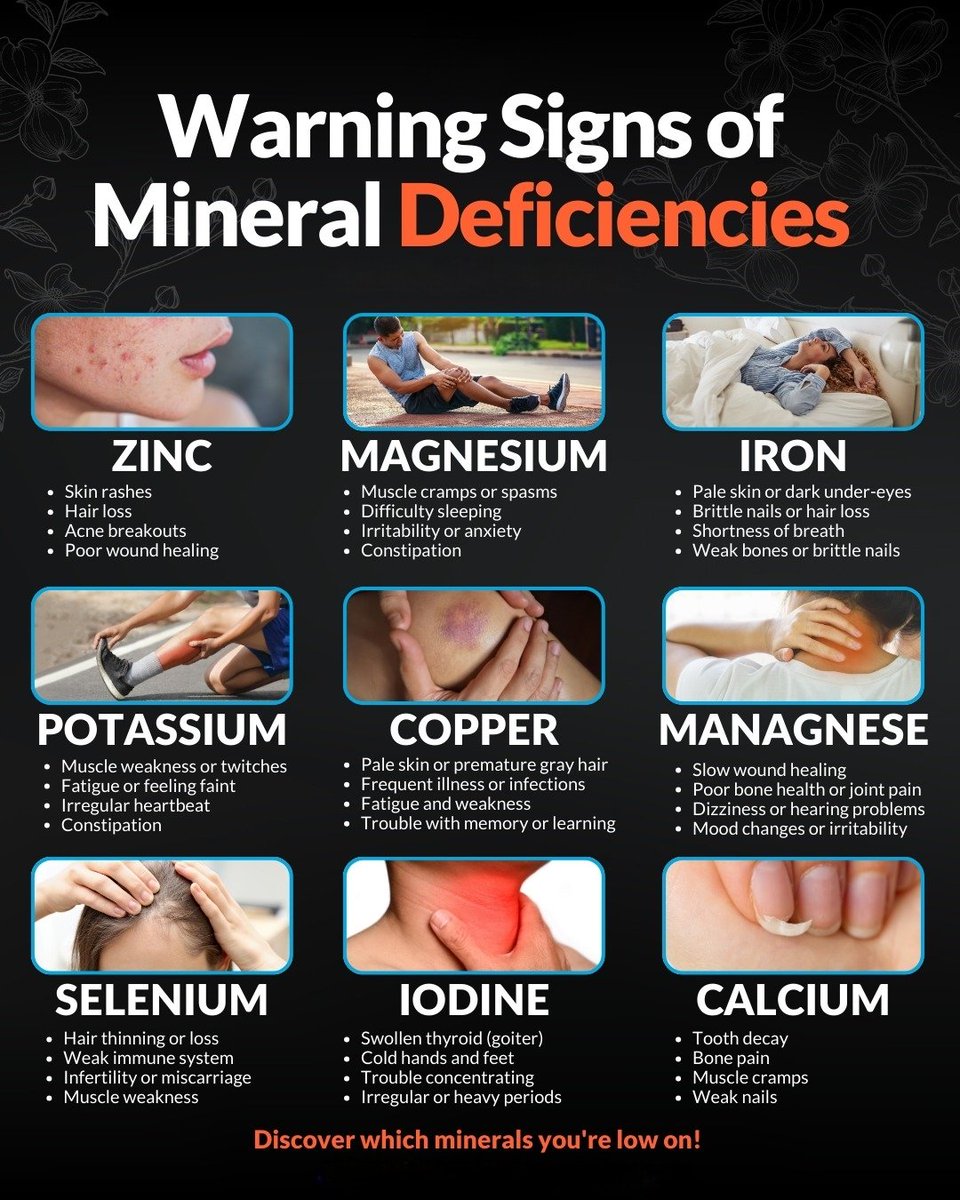
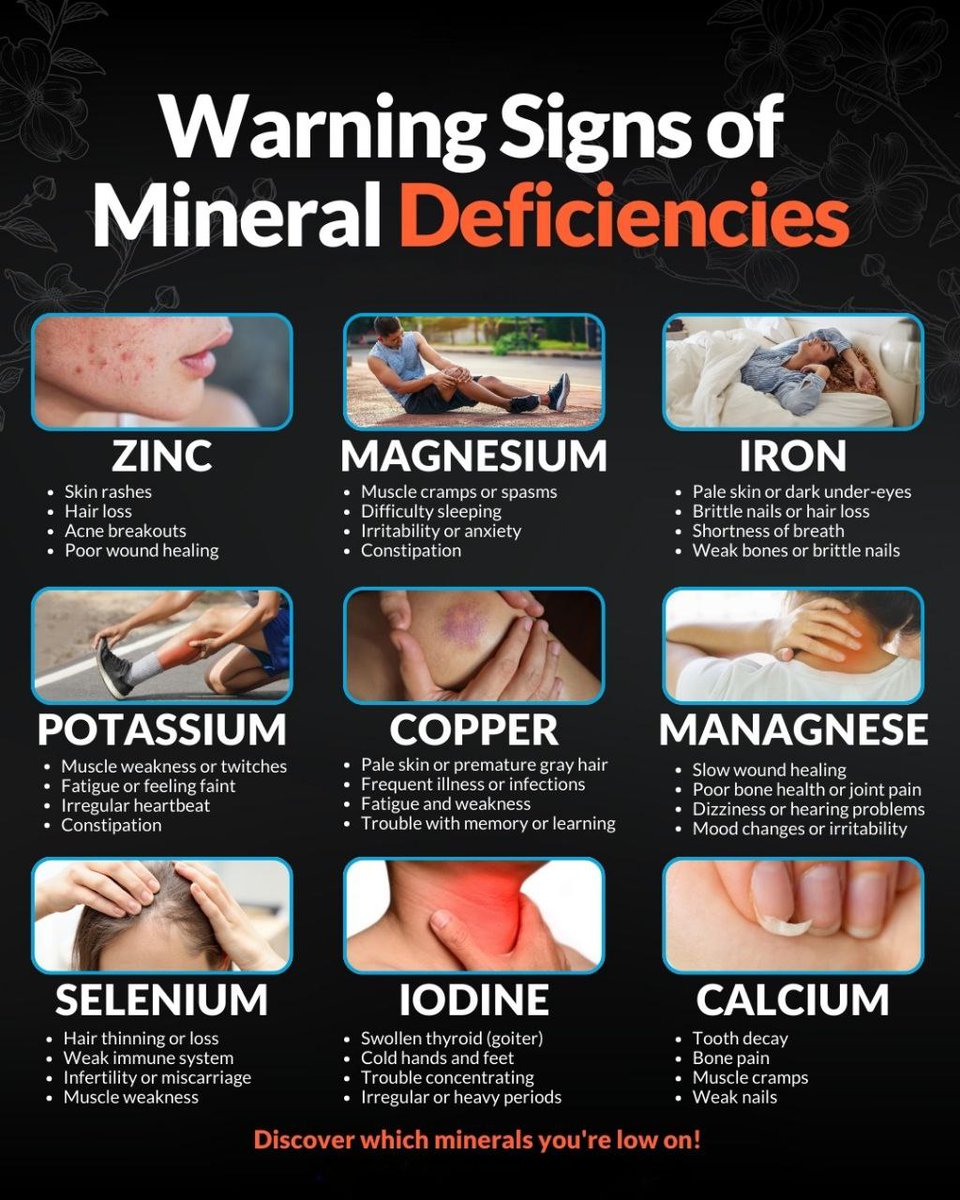
Your body needs the right minerals (like magnesium, calcium, and zinc) to function at its best, but too much or too little can throw everything off.
Add in exposure to heavy metals like mercury, arsenic, aluminum, or lead from water, food, or everyday products, and it’s a recipe for inflammation, fatigue, and poor detoxification.
Minerals are like the spark plugs of your body, vital for your nervous system, metabolism, and thyroid. But if toxic metals are competing for absorption, or if your mineral levels are depleted from stress, you’re left feeling sluggish and out of balance.
This test helps uncover exactly what your body is holding on to (and what it's missing), so you can rebalance your system from the inside out.
Zinc. Magnesium. Vitamin D. Omega 3.
Four things that cost less than a night out and will do more for your brain, your body and your testosterone than anything else you're currently spending money on. sort your stack out.
⭐ Your body’s trying to tell you something, are you listening? ⭐
Feeling tired, foggy, or just off lately? It might be more than stress or lack of sleep.
Your body could be dealing with toxic heavy metals and mineral imbalances..
Two of the most overlooked root causes of low energy, poor mood, brain fog, skin issues, and even hormone disruption.
Your body needs the right minerals (like magnesium, calcium, and zinc) to function at its best, but too much or too little can throw everything off.
Add in exposure to heavy metals like mercury, arsenic, aluminum, or lead from water, food, or everyday products, and it’s a recipe for inflammation, fatigue, and poor detoxification.
Minerals are like the spark plugs of your body, vital for your nervous system, metabolism, and thyroid. But if toxic metals are competing for absorption, or if your mineral levels are depleted from stress, you’re left feeling sluggish and out of balance.
This test helps uncover exactly what your body is holding on to (and what it's missing), so you can rebalance your system from the inside out.