اصفهان ۱۸ دی
در آن چند ثانیه کوتاه، فقط چند بدن زخمی روی زمین نبودند…
تاریخ بود که خونین اما استوار نفس میکشید.
جوانانی که شاید توان ایستادن نداشتند، اما هنوز صدایشان ایستاده بود.
هنوز فریادشان زنده بود.
هنوز ایمانشان به ایران زنده بود.
وقتی در میان خون و درد فریاد میزنند «جاوید شاه»، این فقط یک شعار نیست.
این یعنی هنوز چیزی در این سرزمین نمرده است.
هنوز شرف زنده است.
هنوز غیرت ایرانی زنده است.
هنوز قلبهایی میتپد که حاضرند جان بدهند، اما وطن را تسلیم نکنند.
اصفهان آن روز فقط یک شهر نبود.
میدان نبرد انسانهایی بود که با بدنهای پارهپاره، غرور یک ملت را روی دوش میکشیدند.
آنان ثابت کردند که میتوان زخمی بود، میتوان خونین بود، میتوان بر زمین افتاد… اما هنوز شکستخورده نبود.
و شاید دردناکترین و در عین حال باشکوهترین تصویر همین باشد:
مبارزی که در خون خودش غلت میزند، اما آخرین نفسش را هم برای ایران فریاد میکند.
این صحنهها را تاریخ فراموش نخواهد کرد.
روزی خواهد رسید که مردم ایران از این فرزندان وطن به عنوان نسلی یاد کنند که زیر گلوله و شکنجه، امید را زنده نگه داشتند.
نسلی که باور داشت ایران دوباره برخواهد خاست.
نسلی که به رهبری شاهزاده رضا پهلوی اعتماد کرد و در تاریکترین روزها، چراغ امید را خاموش نکرد.
خون این جوانان فقط روی آسفالت نریخت.
در رگهای بیداری یک ملت جاری شد.
وطن، روزی نام تکتک این بینامان را به خاطر خواهد سپرد.
چون ایران همیشه بر شانههای کسانی زنده مانده که حاضر شدند برایش درد بکشند، خون بدهند، و حتی در آخرین لحظه، با صدایی لرزان اما استوار بگویند:
«پاینده ایران…
جاوید شاه.»
#پاینده_ایران #جاوید_شاه
@PahlaviReza@ShahbanouFarah@PahlaviComms@NUFDIran@khansarinia@IranIntl@KayhanLondon@amiretemadi
Crown Prince Reza Pahlavi:
“We are not apologizing for calling for our freedom. The world should be apologizing to the Iranian people for ignoring them and appeasing this regime for 47 years.”
My analysis:
Crown Prince Reza Pahlavi delivers a strong message that is both defiant and accusatory. His statement rejects the idea that Iranians who demand freedom should feel guilty, defensive, or apologetic. Instead, he shifts the moral responsibility toward the international community, arguing that the real failure has been decades of silence, compromise, and “appeasement” toward the Islamic Republic.
The phrase “we are not apologizing” is powerful because it frames the struggle for freedom as a fundamental human right, not a political favor or ideological debate. It reflects the frustration of many Iranians who believe their voices, protests, and sacrifices have repeatedly been ignored despite years of repression, economic hardship, violence, imprisonment, torture, executions, and now massacre on January 8 and 9, 2026.
His criticism of the world for “47 years” points directly to the period since the 1979 revolution. By using the word “appeasing,” he suggests that foreign governments prioritized diplomacy, strategic interests, and negotiations over standing firmly with the Iranian people against the brutal regime of Mullahs. This is intended to challenge not only the regime itself, but also international policies that many opposition figures view as enabling its survival.
Emotionally, the statement combines pain, dignity, and determination. It speaks to a national feeling that Iranians have carried the burden of resistance largely alone. Politically, it positions Crown Prince Reza Pahlavi as a voice seeking to unite opposition around themes of freedom, accountability, secular democracy, and national sovereignty rather than revenge.
The message resonates because it transforms the narrative from victimhood into moral confidence: the people asking for liberty are not the ones who should explain themselves.
#NoToIslamicRepublic #LionAndSunRevolution
@PahlaviReza@PahlaviComms@ShahbanouFarah@marklevinshow@MariaBartiromo@IranIntl@nixonfoundation@FoxNews@LindseyGrahamSC@SecRubio@netanyahu
Ban the IRGC soccer (football) team.
Football is supposed to unite people. That is what FIFA always says. But many Iranians around the world are asking a simple question today:
Why is the historical Lion and Sun flag being treated like something dangerous?
For millions of Iranians, that flag is not about violence or hate. It is not a weapon. It is part of a history that goes back thousands of years. It represents culture, identity, memory, language, family, and a connection to a homeland many people were forced to leave behind.
At the same time, many Iranians no longer believe the Islamic Republic’s national team represents them. After the mass killings of more than 40,000 and brutal crackdowns against peaceful protesters on January 8 and 9, 2026, many see the team as representing the regime, and IRGC, not the Iranian people.
This is why the debate has become bigger than football.
Around the world, especially in the U.S., millions of Iranians who escaped oppression do not see this team as their voice. Many are deeply uncomfortable watching a government accused of violence and repression appear on the world stage while the historical identity of the Iranian people is pushed aside.
People are also worried about tensions and security concerns surrounding the matches, especially after videos showing ideological chants, IRGC escorts, and political and violent symbolism connected to the regime. Many fear the World Cup could become politically charged in ways that go far beyond sport.
And yet, ordinary Iranians carrying the Lion and Sun flag peacefully are the ones being restricted.
People have the right to carry the symbols of their history and identity peacefully. There is a difference between supporting a civilization and supporting a government.
Countries have been banned from international sports before for political and human rights reasons. So it is not unreasonable for people to ask hard questions and requests now. “Ban the IRGC football team.”
This is not about hatred toward athletes or fans. It is about recognizing the difference between Iran, a nation with thousands of years of history, and a ruling regime many Iranians believe does not represent them.
Iran is not Islamic Republic, and football belongs to the people, not to governments.
#BanTheIRGCFootballTeam #NoToIslamicRepublic
@PahlaviReza@SecRubio@LindseyGrahamSC@SenTedCruz@SenTomCotton@SenMullin@DonaldJTrumpJr@khansarinia@NUFDIran@marklevinshow@MariaBartiromo@IranIntl_En
🖋️فرزند ایران و جانفدای میهن #عرفان_شکورزاده در صفحه لینکدین خودش چنین نوشته بود: “من مدرک کارشناسی خود را در رشته مهندسی برق و الکترونیک (کنترل) از دانشگاه تبریز و مدرک کارشناسی ارشد خود را در رشته فناوری ماهواره از دانشگاه علم و صنعت ایران دریافت کردم.
در حال حاضر، من در حال نوشتن برنامه GSE با Qt C++ هستم و از RS485 و CAN bus برای تولید سیستم تست برای 3 ماهواره استفاده میکنم. این برنامه میتواند دادهها را در پایگاه داده ذخیره کند یا شما میتوانید گزارش دادهها و سایر ویژگیهای مورد نیاز برای تست ماهواره را با این برنامه ارائه دهید.
من در Qt C++، MySQL، SQLite، C، Arduino، AVR، Ctt، Arduino و رباتیک تجربه دارم.”
📌زیر ساخت ایران او و دیگر جوانان این میهن بودند که به دست رژیم اشغالگر جمهوری اسلامی اعدام شدند!
#نه_به_اعدام
I wrote this song for my father… one year after losing him.
I couldn’t be there to say goodbye because of the brutal regime of Mullahs in Iran. I watched his burial through a screen.
That’s something I’ll carry forever.
If you still have your father with you today…
give him a hug, call him, tell him what he means to you.
And if he’s gone… I hope this song gives you a moment of connection.
#TributeToDad #InMemoryOfDad
https://t.co/DmoHRjdTcz
فاجعه اعدامها در رژیم ملایان، نه صرفاً به عنوان مجموعهای از احکام قضایی، بلکه به عنوان بخشی از سازوکار بقا برای جمهوری اشغالگر اسلامی است.
#نه_به_جمهوری_اسلامی#جاوید_شاه
Echoes Behind the Silence
When the World Looks Away
Crown Prince Reza Pahlavi’s speech is powerful because it speaks from frustration many Iranians genuinely feel: that their suffering is not getting enough consistent attention from the world, especially Europe. He is trying to give a voice to people inside Iran and push European media and politicians to take a clearer, stronger stance.
The repeated phrase “not a single one” is deliberate. It builds a sense of outrage and neglect. The goal is clear:
To make inaction look like complicity.
His criticism is not baseless. European coverage of Iran often comes in waves. Sometimes big events get attention, but ongoing repression, and executions can fade from headlines. At the same time, European governments tend to focus on stability, diplomacy, and issues like nuclear negotiations rather than openly confronting the brutal regime of Mullahs. That can make their actions feel distant or even indifferent to ordinary Iranians.
There is also a deeper layer: history. Events like the 1979 revolution have created long-standing distrust toward Western powers. Because of that, even cautious or neutral policies today can feel like betrayal to many Iranians.
In simple terms, the speech is not a neutral analysis, it is a call to action. It highlights real pain and real gaps in attention, but it also uses strong language to create urgency. At its heart, the message is this: Iranians want the world, especially Europe, to stand more clearly and consistently with their fight for freedom.
#NoToIslamicRepublic #LionAndSunRevolution
@PahlaviReza@ShahbanouFarah@PahlaviComms@NUFDIran@SecRubio@LindseyGrahamSC@SenTedCruz@MariaBartiromo@FoxNews@netanyahu
Whether or not Europe stands with us, whether or not your journalists do their jobs, whether or not your politicians demonstrate the courage to act, I will fight for my people and my country.
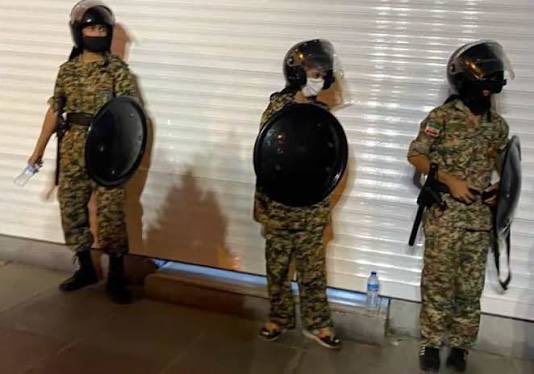
Childhood should bloom, not bleed.
Little hands were made for dreams, not duty.
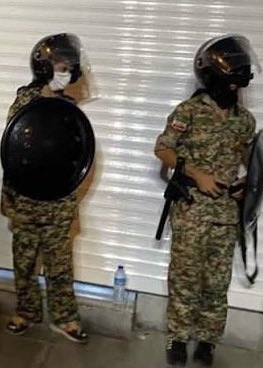
The recruitment of children by the Islamic Revolutionary Guard Corps is not only immoral, it is a brutal assault on childhood itself. No government has the right to take boys and girls, some as young as 12, and pull them into fear, violence, surveillance, and death. Childhood is meant for learning, playing, safety, and hope, not checkpoints, patrols, and war.
When children are used for power, the soul of a nation weeps.
When a state places children in security roles, it strips them of innocence and turns them into tools of repression. It asks them to carry burdens no child should ever carry. International law is clear: children must be protected, not recruited. Using children in such roles is not just a violation of human rights, it is a war crime.
Do not turn childhood into a uniform of sorrow.
The reported death of 11-year-old Alireza Jafari is a heartbreaking reminder of the cost of this cruelty. An 11-year-old boy should have been in school, at home, or in the arms of his family, not standing at a checkpoint in danger. His death is not an isolated tragedy. It is the human face of a system that treats children as disposable.
Let children carry books, not the burden of violence.
The Islamic Republic has a long history of exploiting young lives in the Basij and the IRGC. That history should have ended in shame long ago. Instead, it continues in new forms, now using children not only in conflict but also in the repression of its own people.
No flag is worth the burial of a child’s future.
This must be condemned without hesitation. The world cannot stay silent while children are turned into instruments of violence and exposed to deadly harm. World leaders, human rights organizations, and every conscience that still believes in justice must demand an immediate end to the recruitment and use of children in security roles in Iran. A nation that sacrifices its children for power commits a crime against its own future.
#NoToIslamicRepublic #RegimeChangeInIran
@PahlaviReza@PahlaviComms@ShahbanouFarah@NUFDIran@amnesty@AmnestyIran@FoxNews@MariaBartiromo
جمهوری اسلامی، نه راهحل، که خود بحران
خطای بزرگ در واشنگتن: معامله با جمهوری اسلامی، نادیده گرفتن مردم ایران
اگر در واشنگتن این تصور شکل گرفته که میتوان با چهرههایی مانند قالیباف یا بخشی از ساختار امنیتی جمهوری اسلامی به توافقی پایدار رسید، این نه نشانه واقعبینی، بلکه نشانه یک خطای محاسباتی خطرناک است.
مسئله فقط این نیست که چه کسی در تهران چه وعدهای میدهد. مسئله این است که طرف آمریکایی تا چه اندازه ساختار واقعی قدرت در جمهوری اسلامی را میشناسد. ساختاری که نه یکپارچه است، نه شفاف، نه کاملا فرمانپذیر. بهویژه در درون سپاه، قدرت میان شبکههای متعدد امنیتی، سیاسی و اقتصادی توزیع شده و همین باعث میشود هر تعهدی در سطح گفتار، لزوما به معنای توان اجرای آن در سطح عمل نباشد.
در چنین وضعی، این احتمال کاملا جدی است که برخی بازیگران درون حاکمیت، از محدودیت دسترسی مستقیم آمریکا به واقعیتهای درونی نظام استفاده کنند و تصویر بزرگنماییشدهای از نفوذ، انسجام و قدرت اجرایی خود ارائه دهند. مشکل اصلی فقط احتمال فریب نیست، مشکل اصلی این است که واشنگتن ممکن است با کسانی طرف مذاکره شود که بیش از آنکه نماینده یک قدرت منسجم باشند، بازیگران یک ساختار متعارض و چندپارهاند.
اشتباه بزرگتر اما در سطحی عمیقتر رخ میدهد: نادیده گرفتن مردم ایران.
بحران ایران فقط یک پرونده امنیتی یا هستهای نیست که بتوان آن را با چند امضا، چند کانال محرمانه و چند توافق موقت بست. ایران یک مسئله ملی، تاریخی و سیاسی است. بخش بزرگی از جامعه ایران دیگر نه به اصلاح این نظام باور دارد و نه به بازتولید آن در قالبی تازه. جهت کلی افکار عمومی در سالهای اخیر روشن بوده است: عبور از جمهوری اسلامی، نفی استبداد دینی، و تمایل به نظمی سکولار و دموکراتیک. نظرسنجیهای معتبر نیز نشان میدهند که اکثریت ایرانیان خواهان نظامی غیر از جمهوری اسلامیاند، حمایت از دموکراسی بسیار بالاست، و در میان چهرههای اپوزیسیون، شاهزاده رضا پهلوی بیشترین اقبال را دارد.
این یعنی هر توافقی که صرفا با هدف حفظ یا بازآرایی جمهوری اسلامی طراحی شود، از همان ابتدا با بحران مشروعیت روبهروست. ممکن است روی کاغذ «توافق» نام بگیرد، اما در واقع تلاشی باشد برای نجات ساختاری که بخش بزرگی از مردم ایران از آن عبور کردهاند.
واقعیت این است که اعتراضات پیاپی و خونین سالهای اخیر، و بهویژه سرکوب شدید اعتراضات زمستان ۲۰۲۵ و ژانویه ۲۰۲۶، نشان دادهاند که مسئله اصلی در ایران، صرفا اختلاف بر سر یک سیاست یا یک دولت نیست، بلکه شکاف عمیق میان ملت و نظام است. حتی تحلیلهای بینالمللی نیز از خشم عمیق و گسترده شهروندان علیه حاکمیت سخن گفتهاند.
بر همین اساس، مذاکره با جمهوری اسلامی، بدون فهم این واقعیت، فقط یک ریسک دیپلماتیک نیست. این کار میتواند به معنای نادیده گرفتن خواست بخش بزرگی از مردم ایران و اعطای فرصت تنفس به ساختاری باشد که مشروعیت اجتماعیاش بهشدت فرسوده شده است. چنین توافقی نه صلح میآورد، نه ثبات پایدار، نه آیندهای قابل اتکا. فقط زمان میخرد، آن هم برای سیستمی که مسئله اصلی ایران است، نه راهحل آن.
اگر هدف، ثبات واقعی و پایان بحران ایران است، نقطه آغاز باید شناخت درست از دو واقعیت باشد:
نخست، جمهوری اسلامی یک ساختار چندپاره و غیرقابل اتکاست.
دوم، مردم ایران را نمیتوان از معادله آینده ایران حذف کرد.
نادیده گرفتن هر یک از این دو واقعیت، آمریکا را به خطایی میکشاند که شاید در کوتاهمدت «معامله» به نظر برسد، اما در بلندمدت چیزی جز بازتولید بحران نخواهد بود.
#پاينده_ایران #جاويد_شاه
@PahlaviComms@NUFDIran@IranIntl@manototv@RezaVaisi@Alighazizade@ZarrinabadAhmad@r_rahimpour
اعدام زندانی سیاسی، انتقام رژیم از بیداری مردم است.
آنهایی که روزی برای حفاظت از نیروگاهها و تأسیسات، تن خود را سپر کردند تا مبادا سازهای فروبپاشد، امروز در برابر آزمونی بزرگتر و عریانتر ایستادهاند: آیا جان انسان، بهویژه جان زندانی بیپناه، از سیمان و فولاد و منافع اقتصادی کمارزشتر است؟
وقتی جان انسان در خطر است، سکوت همدستیست.
امروز سخن فقط از دیوار و دود و انفجار نیست. سخن از انسانهایی است که بسیاری از آنان زندانیان سیاسی مخالف رژیم اشغالگر اسلامیاند؛ انسانهایی که نه به جرم جنایت، بلکه به جرم اعتراض، مخالفت، فریاد، و ایستادن در برابر استبداد، به بند کشیده شدهاند. بسیاری از همین محکومان به اعدام، همان بازداشتشدگان ۱۸ و ۱۹ دی پارسالاند؛ کسانی که در جریان تظاهرات علیه رژیم دستگیر شدند. برخی دیگر نیز فقط به این دلیل زیر تیغ مرگ رفتهاند که از جنگ علیه رژیم اشغالگر اسلامی حمایت کردهاند و آشکارا در برابر این نظام ایستادهاند.
سپر انسانی، اگر برای انسان نباشد، فقط نمایش است.
اگر قرار است سپر انسانی معنایی داشته باشد، نخست باید برای نجات انسان معنا پیدا کند، نه فقط برای حفظ زیرساخت. زیرا هیچ نیروگاهی، هیچ پالایشگاهی، هیچ مرکز اقتصادیای، از جان انسانی که در سلول انتظار مرگ میکشد، ارزشمندتر نیست. زندانی سیاسی فقط یک نام در فهرست اعدام نیست؛ او فرزند یک مادر، امید یک خانواده، صدای خاموششده یک نسل، و تکهای از وجدان زخمی یک ملت است.
سکوت نکن، مرگ گوش میدهد.
چه تناقض تلخی است که ویرانی در جنگ، ناگهان برای بعضیها نامشروع و دردناک میشود، اما ویرانی چهلوهفتساله انسانها به دست رژیم اشغالگر اسلامی، عادی جلوه میکند. مگر میشود برای نجات تأسیسات، از جان مایه گذاشت، اما در برابر اعدام کسانی که تنها جرمشان مخالفت با ظلم بوده، سکوت کرد؟
مبادا روزی بگویند زندانها پر از فریاد بود و شهر پر از سکوت.
تاریخ، سکوت در برابر مرگ اسیران را فراموش نخواهد کرد. روز حساب وجدان که برسد، کسی از ما نخواهد پرسید چند ساختمان را نجات دادیم. خواهند پرسید وقتی انسانهای دربند را به قتلگاه میبردند، ما کنار کدام دیوار ایستاده بودیم: کنار دیوار زندان، یا پشت دیوار توجیه.
#پاینده_ایران #جاوید_شاه
@PahlaviComms@NUFDIran@RezaVaisi@Alighazizade@ZarrinabadAhmad@r_rahimpour@IranIntl@manototv
مخالفین جنگ با رژیم اشغالگر جمهوری اسلامی، از امروز دو هفته وقت دارید تا با مبارزه مدنی این رژیم را سرنگون کنید. این گوی و این میدان.
#پاینده_ایران#جاوید_شاه
Iran Is Not the Islamic Republic
One of the most dangerous mistakes in war is confusing a regime with a nation, a government with a people, and rulers with a civilization.
Iran is not the Islamic Republic.
Iran is an ancient civilization, a proud nation, and millions of human beings trying to live, survive, raise families, and hold on to hope under a regime many never chose and have suffered under for decades.
The Islamic Republic is not Iran. It is a ruling system that has oppressed, imprisoned, silenced, and killed Iranians. If the fight is against the Islamic Republic, then it must stay focused on the regime, its leaders, and its machinery of repression, not on Iran itself and not on the Iranian people.
That is why threats to destroy Iran’s bridges, power plants, infrastructure, and even her entire civilization are so deeply troubling.
When a power plant is destroyed, the first victims are not the rulers. It is the people. Hospitals suffer. Water systems fail. Medicine storage is disrupted. Families lose light, heat, refrigeration, communication, and basic safety. The elderly suffer. Children suffer. The sick suffer.
Destroying civilian infrastructure does not just damage buildings. It damages lives.
And it creates another serious danger: it gives the Islamic Republic exactly what it wants.
This regime has always survived not only through force, but through propaganda. It wants to tell Iranians, “Look, we were right. They are not fighting the regime. They are fighting Iran. They are fighting you.” When civilian infrastructure is hit and ordinary people suffer, that message becomes easier for the regime to sell.
That is how a hated regime can suddenly find sympathy it does not deserve.
Many Iranians inside and outside the country strongly oppose the Islamic Republic and want freedom. But if this war begins to feel like a war on Iran itself, many hearts may change. Not because people suddenly love the regime, but because no nation can watch its homeland burn without pain, anger, and confusion.
That is why destroying Iran’s civilian infrastructure is not only morally wrong, but dangerously counterproductive. It risks pushing people back toward the regime emotionally, even if they despise it politically. It gives the regime a chance to play victim and point to America and Israel as aggressors against the Iranian nation.
That would be a tragic mistake.
A free Iran, if it comes, will need roads, bridges, hospitals, electricity, water, communications, and a society that can still rebuild. You do not destroy a country in order to save it.
This is why the point made by Crown Prince Reza Pahlavi is so important. Iran’s civilian infrastructure belongs to the Iranian people and to the future of a free Iran. What must be dismantled is the regime’s apparatus of repression and terror, not the foundations of civilian life.
That distinction matters.
Target the machinery of oppression, not the people.
Target the regime, not the nation.
Target tyranny, not a civilization.
The Iranian people have already paid a heavy price through repression, corruption, censorship, fear, prison, and stolen lives. They should not be forced to pay again with their health, their homes, their infrastructure, and their future.
Iran is not the Islamic Republic.
The war should be with The Islamic Republic. It should not be with Iran. It should be for Iran.
And if the world forgets that, it will not only wound innocent people. It may also strengthen the very regime it claims to oppose.
#NoToIslamicRepublic #LongLiveIran
@PahlaviReza@PahlaviComms@NUFDIran@SecRubio@LindseyGrahamSC@SenTedCruz@netanyahu@nixonfoundation@FoxNews@MariaBartiromo@DonaldJTrumpJr
Muhoozi Kainerugaba, the Politics of Spectacle and the Language of Power
Muhoozi Kainerugaba is not just a controversial general. He is Uganda’s Chief of Defence Forces and the son of President Yoweri Museveni. That is why his posts are not read as mere personal opinions. They are also seen as signals about how he understands power, and perhaps about Uganda’s political future.
His recent behavior shows a clear pattern. In January 2025, when Uganda’s parliamentary Defence Committee sought to summon him over his inflammatory posts, he called MPs “parliamentary clowns” and threatened to arrest them. That was more than an insult. A military commander was openly humiliating the very institution meant to oversee him. It suggested that he sees civilian institutions less as authorities than as obstacles.
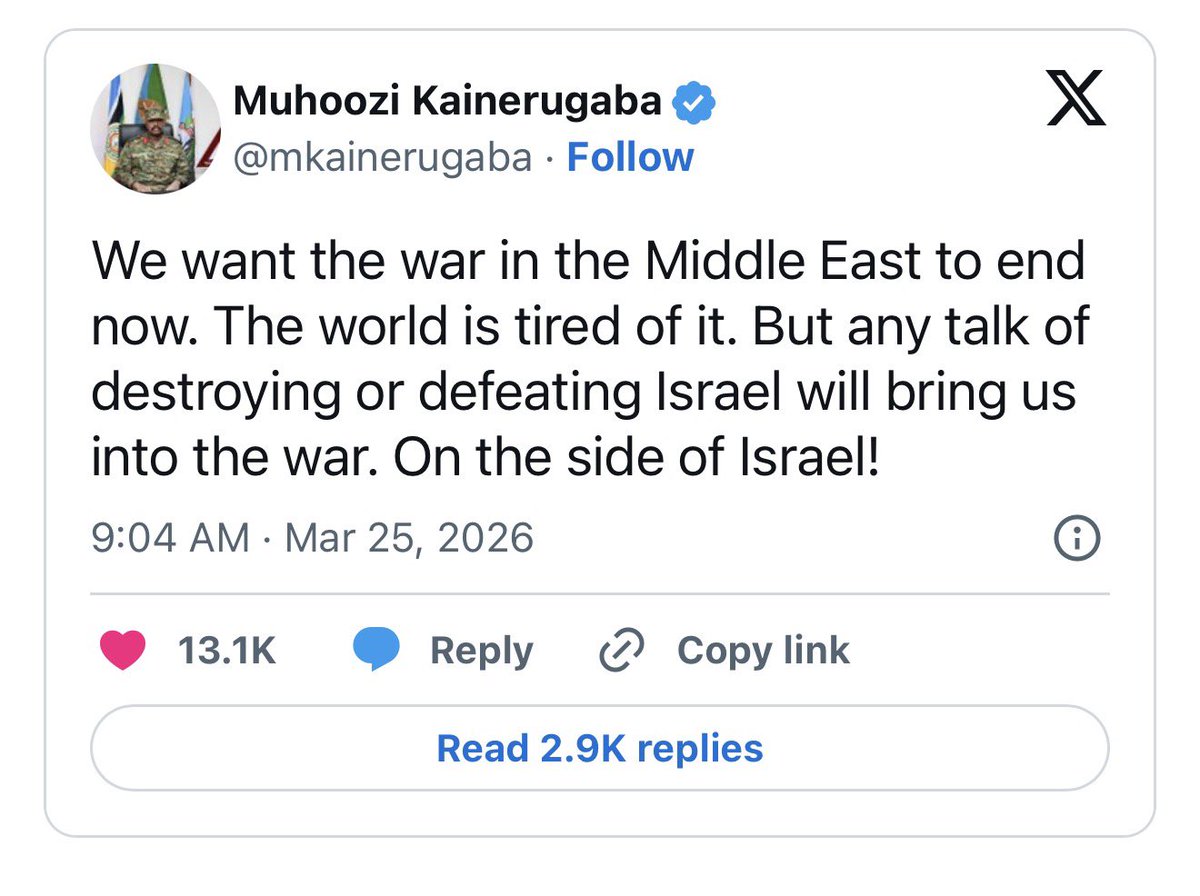
The same pattern appears in his remarks about Israel and the Islamic Republic. He said that if anyone sought to destroy or defeat Israel, Uganda would enter the war on Israel’s side. He even claimed Ugandan forces could have captured Tehran quickly. Whatever the exaggeration, the larger point is that he spoke as though he personally embodied the will of the state.
But under Uganda’s constitution, declaring war is the president’s power and requires parliamentary approval. A military chief cannot make that decision alone. Yet Muhoozi keeps speaking beyond the limits of his office, blurring the line between personal rhetoric and state policy, and presenting himself as a figure above institutions.
If his attack on parliament showed contempt for domestic oversight, his war rhetoric showed a claim to authority in foreign affairs. In both cases, the pattern is the same: pushing institutions aside and replacing them with personal will. That is often how an authoritarian political style begins to take shape.
Even his symbolism around Yoni Netanyahu at Entebbe fits this pattern. It is not only tribute. It is also political storytelling, placing himself within a narrative of military heroism, loyalty, and historical legitimacy.
So his statements should not be read only as comments on Israel or the Islamic Republic. They also speak to Uganda itself. To supporters, he projects decisiveness, fearlessness, and action. To critics, he signals that he sees himself as larger than the normal mechanisms of power.
The deeper issue is not only distraction from domestic problems, though that may be part of it. It is that controversy itself seems to be his political method. He uses shock, threats, exaggeration, and symbolism to stay at the center of attention.
In the end, Muhoozi seems to be doing more than commenting on a foreign war. He is building a political image based on displays of strength, disregard for institutions, and personal authority. What matters is not only what he says today about parliament or Israel, but what those words may already be revealing about the future of power in Uganda.
#NoToIslamicRepublic #RegimeChangeInIran
@PahlaviComms@NUFDIran@mkainerugaba@KakwenzaRukira@CNNAfrica@BBCAfrica@DailyMonitor@ManotoNews@IranIntl_En@AfricaFactsZone
Iran is not the Islamic Republic.
Iran’s civilian infrastructure belongs to the Iranian people and to the future of a free Iran. The Islamic Republic’s infrastructure is the machinery of repression and terror used to keep that future from becoming reality.
Iran must be protected. The regime must be dismantled.
I ask President Trump and Prime Minister Netanyahu to continue targeting the regime and its apparatus of repression, while sparing the civilian infrastructure Iranians will need to rebuild our country.
With the support of the US and Israel, and above all the sacrifice of Iranian patriots, the hour of Iran’s freedom is at hand.
Long live Iran!
موهوزی کاینروگابا، سیاست نمایش و زبان قدرت
از تحقیر پارلمان اوگاندا تا ادعای ورود به جنگ در کنار اسرائیل
موهوزی کاینروگابا فقط یک ژنرال جنجالی نیست. او هم رئیس نیروهای دفاعی اوگانداست و هم پسر رئیسجمهور، یووری موسوینی. به همین دلیل، حرفهایش فقط نظر شخصی در شبکههای اجتماعی تلقی نمیشود، بلکه میتواند نشانهای از نوع نگاه او به قدرت و حتی آینده سیاسی اوگاندا باشد.
رفتار او در ماههای گذشته یک الگوی روشن را نشان میدهد. در ژانویه ۲۰۲۵، وقتی کمیته دفاع پارلمان اوگاندا خواست او را بابت پستهای جنجالیاش برای پاسخگویی احضار کند، پارلمان را «دلقکهای پارلمانی» خواند و تهدید کرد که به جای حضور در برابر آنان، همهشان را بازداشت میکند. این فقط یک توهین سیاسی نبود. یک فرمانده ارتش، نهادی را که در نظام قانون اساسی باید بر او نظارت کند، آشکارا تحقیر و تهدید کرد. همین موضوع چیز مهمی را درباره ذهنیت او نشان میدهد: او ظاهراً نهادهای مدنی را نه مرجع، بلکه مانع میبیند.
همین نگاه را میتوان در اظهارات تازهاش درباره اسرائیل و جمهوری اسلامی هم دید. موهوزی گفته اگر کسی در پی نابودی یا شکست اسرائیل باشد، اوگاندا در کنار اسرائیل وارد جنگ خواهد شد. او حتی مدعی شده که نیروهای اوگاندا میتوانستند تهران را خیلی سریع تصرف کنند. صرفنظر از اغراق آشکار در این حرفها، مسئله اصلی این است که او باز هم طوری سخن میگوید که انگار خود، تجسم اراده دولت و کشور است.
در حالی که طبق قانون اساسی اوگاندا، اعلام جنگ در اختیار رئیسجمهور است و نیاز به تأیید پارلمان دارد. یعنی یک فرمانده ارتش به تنهایی نمیتواند از ورود کشورش به جنگ حرف بزند. اما موهوزی بار دیگر همان الگو را تکرار میکند: سخن گفتن فراتر از جایگاه رسمی، حرکت در مرز میان پیام شخصی و موضع حکومتی، و نمایش خود به عنوان کسی که از نهادها عبور کرده و مستقیماً در سطح تصمیمگیری ملی و بینالمللی حرف میزند.
اگر توهین او به پارلمان نماد تحقیر نظارت داخلی بود، حرفهایش درباره جنگ اسرائیل و جمهوری اسلامی نماد ادعای اقتدار در عرصه خارجی است. در هر دو مورد، یک رفتار مشترک دیده میشود: کنار زدن نهادها و جایگزین کردن آنها با اراده و صدای شخصی خود. این دقیقاً همان چیزی است که از یک شخصیت اقتدارگرا در حال شکلگیری میبینیم؛ کسی که میخواهد پیش از رسیدن به قدرت رسمی کامل، خود را صاحب آن قدرت نشان دهد.
حتی نمادسازی او درباره یونی نتانیاهو در فرودگاه انتبه هم در همین چارچوب معنا پیدا میکند. این فقط یک یادبود تاریخی یا ابراز علاقه به اسرائیل نیست، بلکه نوعی روایتسازی سیاسی است. او تلاش میکند خود را درون روایتی از قهرمانی نظامی، وفاداری و مشروعیت تاریخی قرار دهد.
به همین دلیل، اظهارات او را نمیتوان جدا از مسائل داخلی اوگاندا فهمید. این حرفها فقط درباره اسرائیل و جمهوری اسلامی نیستند. اینها برای داخل اوگاندا هم پیام دارند. او به هوادارانش تصویری از یک مرد قاطع، بیپروا و اهل عمل میدهد و همزمان به منتقدانش این پیام را میفرستد که خود را بزرگتر از سازوکارهای معمول قدرت میبیند.
در نتیجه، مسئله فقط این نیست که آیا او میخواهد افکار عمومی را از مسائل داخلی منحرف کند یا نه. مهمتر این است که جنجال ظاهراً به روش سیاسی او تبدیل شده است. او از شوک، تهدید، اغراق و نمادسازی استفاده میکند تا همیشه در مرکز توجه بماند. حتی واکنش منفی هم در نهایت به سود او تمام میشود، چون دوباره او را به محور گفتوگو تبدیل میکند.
اگر بخواهیم جمعبندی کنیم، موهوزی بیشتر از آنکه فقط درباره یک جنگ خارجی موضع بگیرد، دارد روی تصویر سیاسی خودش کار میکند. تصویری مبتنی بر قدرتنمایی، بیاعتنایی به نهادها و استفاده از جنجال برای ساختن اقتدار شخصی. اگر چنین باشد، اهمیت حرفهای او فقط در این نیست که امروز درباره پارلمان یا اسرائیل چه گفته است، بلکه در این است که این سخنان فردای قدرت در اوگاندا چه چیزی را از پیش نشان میدهند.
#پاینده_ایران #جاويد_شاه
@PahlaviComms@NUFDIran@manototv@IranIntl@RezaVaisi@Alighazizade@ZarrinabadAhmad@r_rahimpour