We are the education and outreach arm of the AAS Solar Physics Division. Follow us for meeting updates, career development and pretty pictures of the Sun!
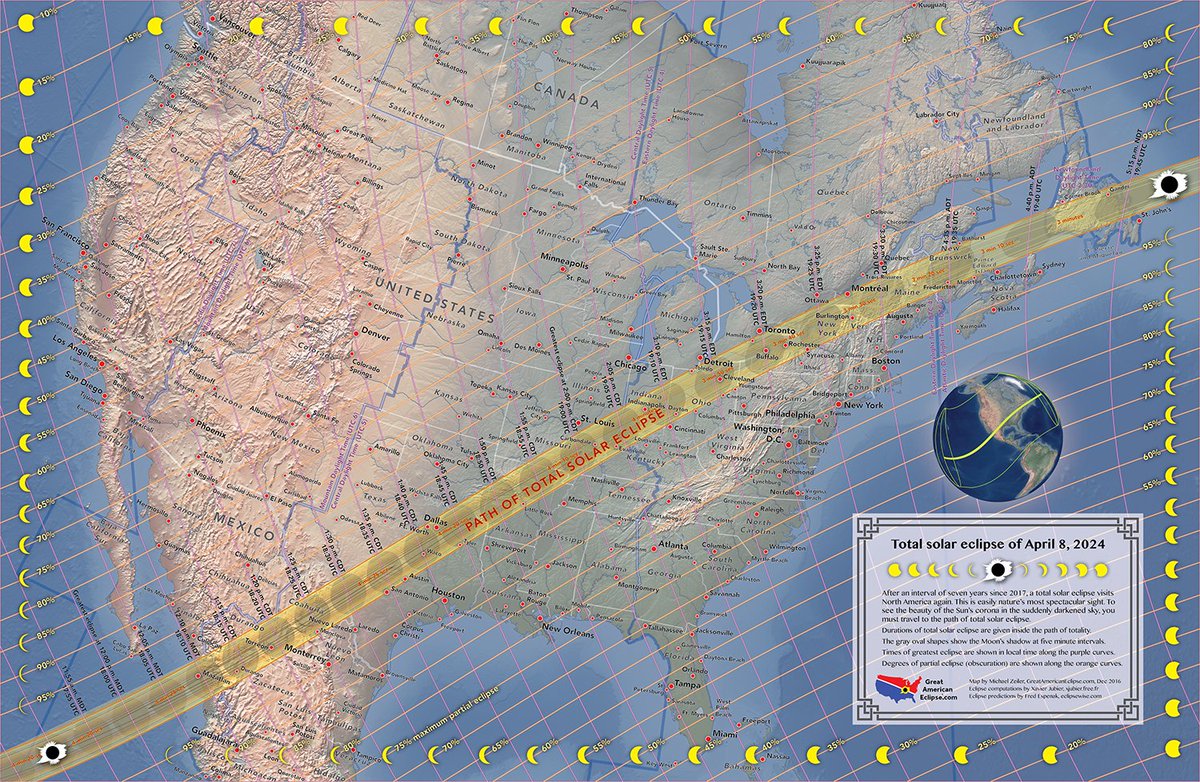
🌞 🌑 🌎 🇲🇽 🇺🇸 🇨🇦 Where will you be on April 8, 2024? ~1.5 years from today A Total Solar Eclipse! Totality 1st touches Mexico enters the United States at Texas cuts a diagonal to Maine, visits the maritime provinces of Canada https://t.co/kota0ldhlG #2024eclipse#eclipse2024
The 2021 American Astronomical Society | Solar Physics Division | Popular Media Awards have been selected!
This includes the inaugural selection for our new student category, in addition to our regular journalist and scientist categories.
@AAS_Press@SolarPhys#SciComm
New #SunPy paper now available #openaccess! ‘The SunPy Project: Open Source Development and Status of the Version 1.0 Core Package’ https://t.co/TWYssGt5tp via @IOPscience and software reviewed by @JOSS_TheOJ
Since its launch on Feb. 11, 2010, our Solar Dynamics Observatory has collected millions of scientific images of our nearest star, giving scientists new insights into its workings. Watch a few of the stunning solar events captured by SDO over the past decade. ⬇️
Live at 10:30pm ET: Watch #SolarOrbiter head to space aboard a @ulalaunch Atlas V rocket! Watch at https://t.co/U8T7pZsiWZ
Solar Orbiter will try to answer basic questions about the Sun, like what drives the solar wind and what creates its magnetic field: https://t.co/3PmnzzvJ3D
It's a very special #SunDay! ☀️ Tonight, @ESASolarOrbiter heads to space to give us a new perspective on the Sun. To beat the heat, #SolarOrbiter has a 15-inch-thick heat shield that keeps the instruments cool as it approaches our star: https://t.co/naFr4bsgbw
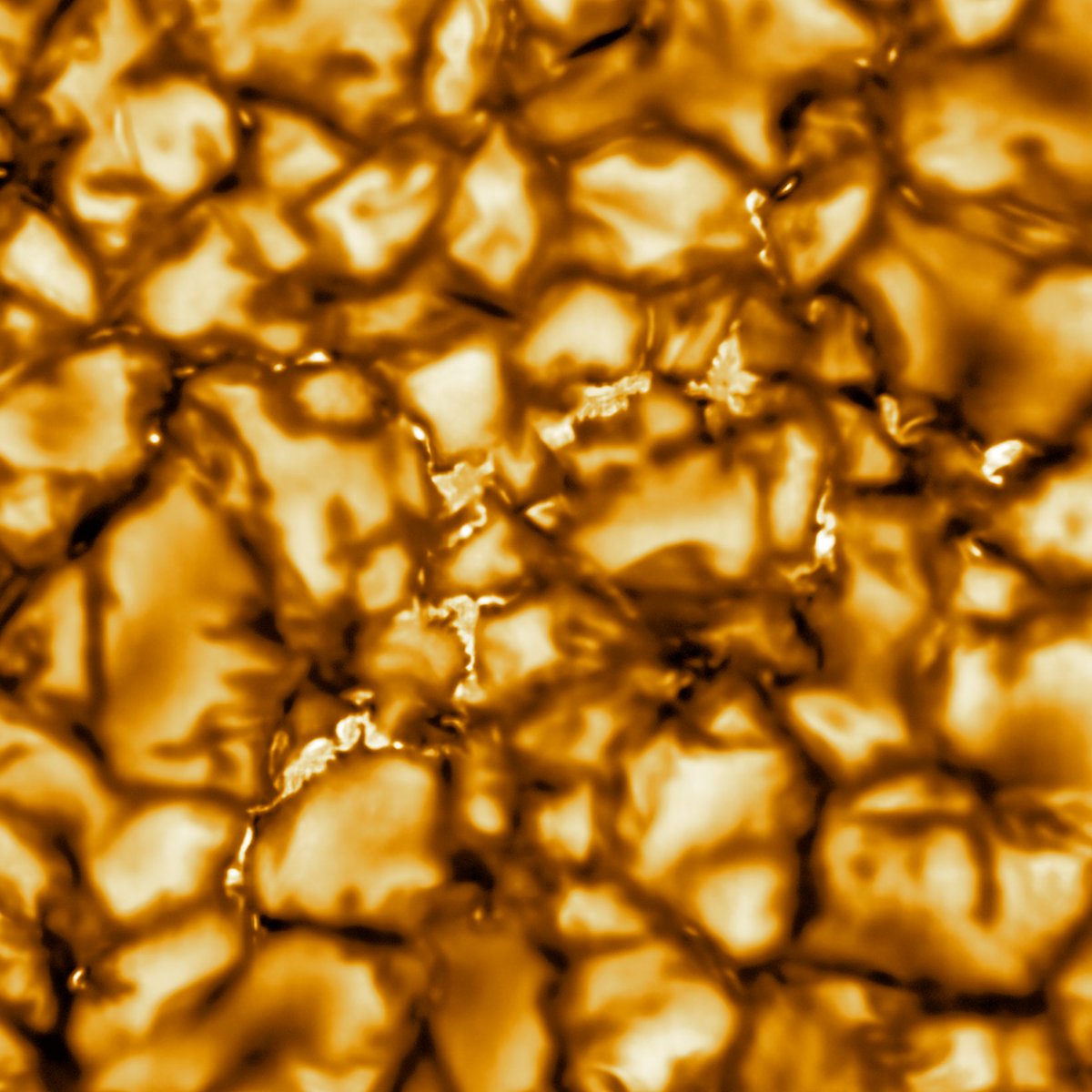
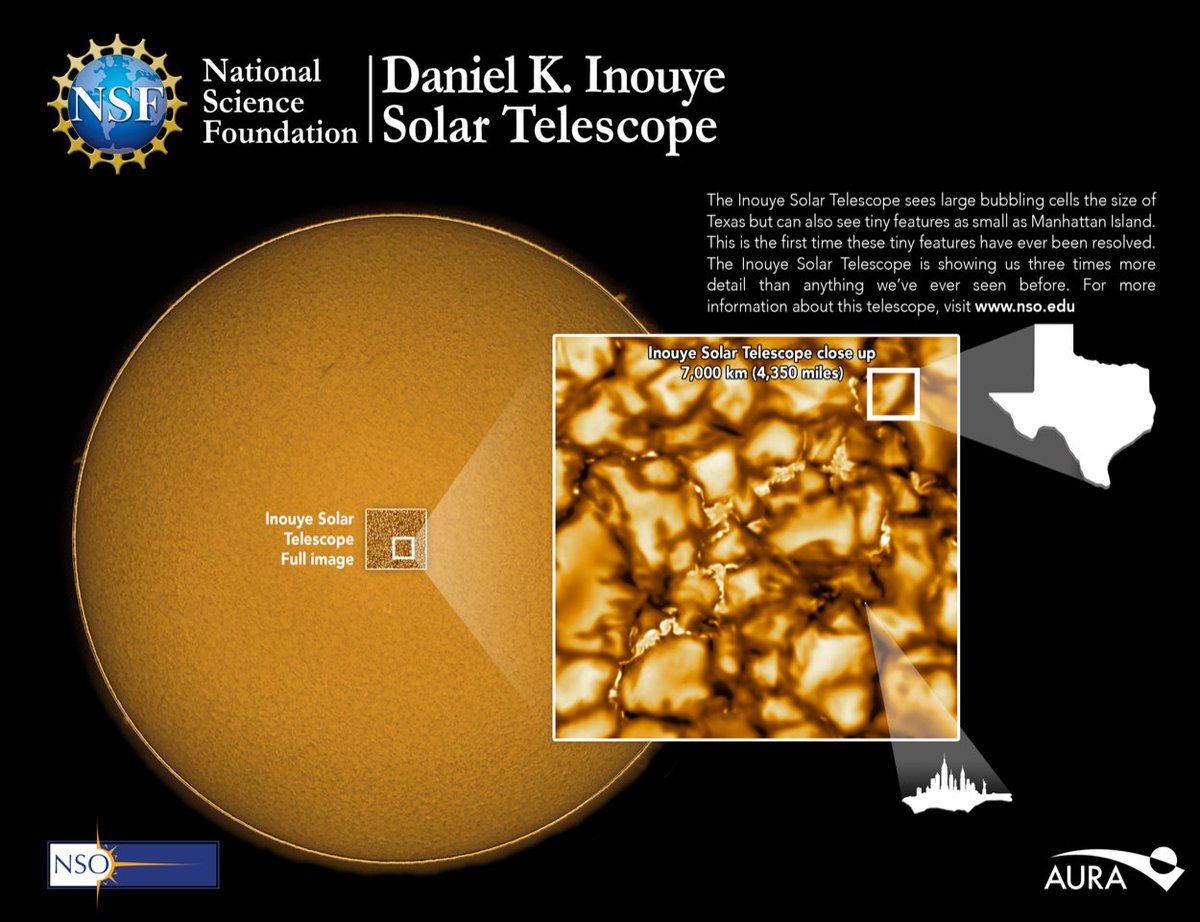
See the Sun like never before! @NSF’s Inouye Solar Telescope produces first detailed images of the sun’s surface. https://t.co/c3SPB6gg8w #SolarVision2020
📷: @NatSolarObs/ @AURADC/ NSF
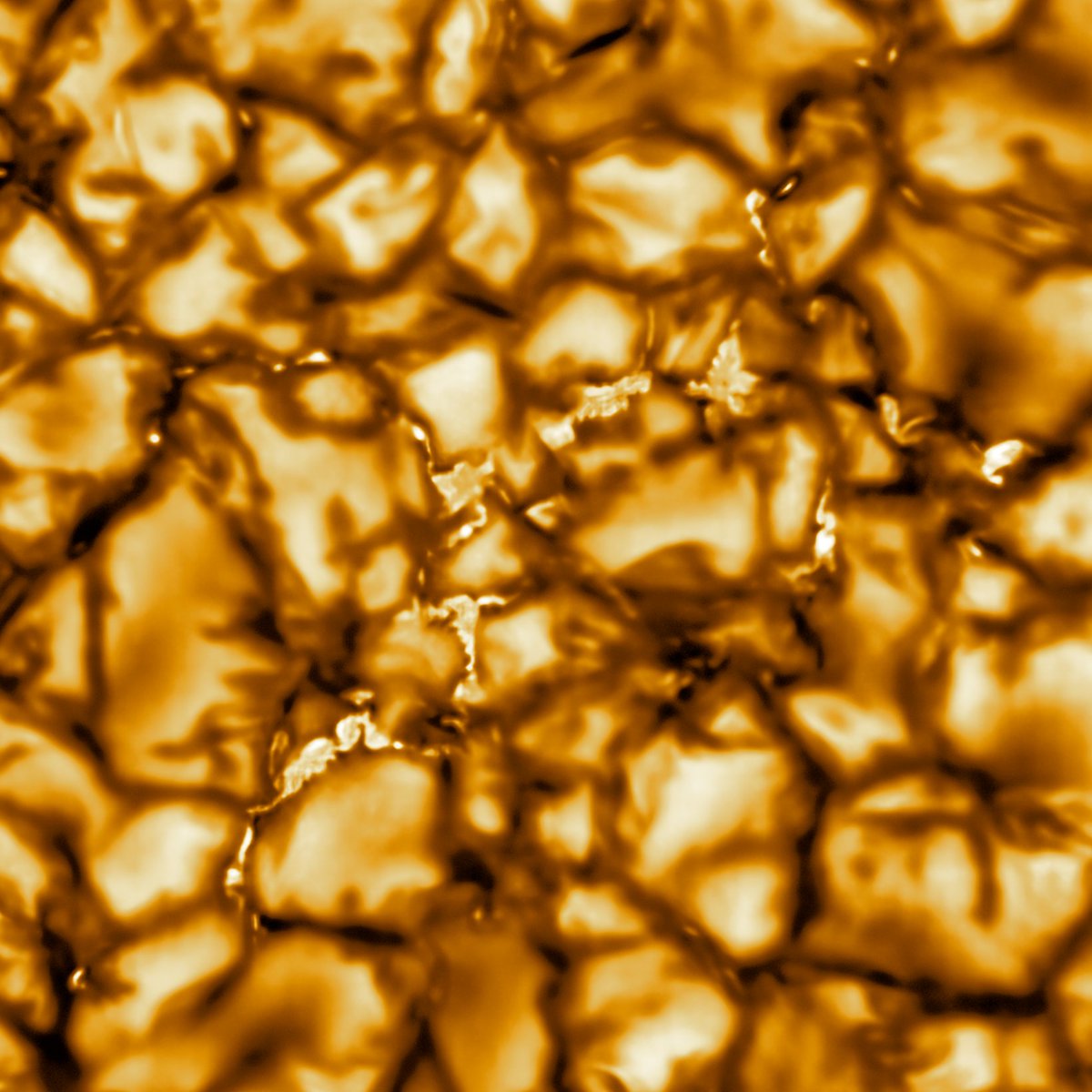
See the Sun in a new light! @NSF's Inouye Solar Telescope has produced the highest resolution observations of the Sun's surface ever taken, a unique view that complements the host of ways we study our star from space. 🤩
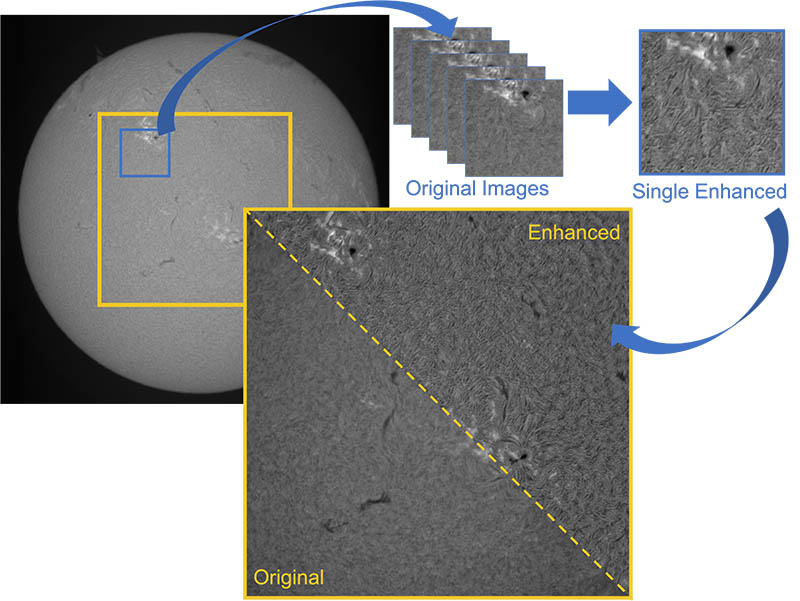
How can we use our most recent findings to learn something about the past? New advances in artificial intelligence make it possible to induce our new knowledge directly into previous observations. A new post in our #TheScienceOfEST series: https://t.co/eOe5CGqnfK
.
The @NSF's Inouye Solar Telescope images the sun in more detail than we’ve ever before. Close up, these images show, for the first time, the smallest features ever seen on the solar surface, some as small as 30km. #2020SolarVision
Background: NISP/GONG.
Great article in @nature by @alexwitze showing the first image of the bubbling solar surface taken by the Daniel K. Inouye Solar Telescope (DKIST) located in Hawaii. Wow, its mesmorising! I can't tear my eyes away!! 🌞👀😍🔭
https://t.co/ybCtSjyXrW
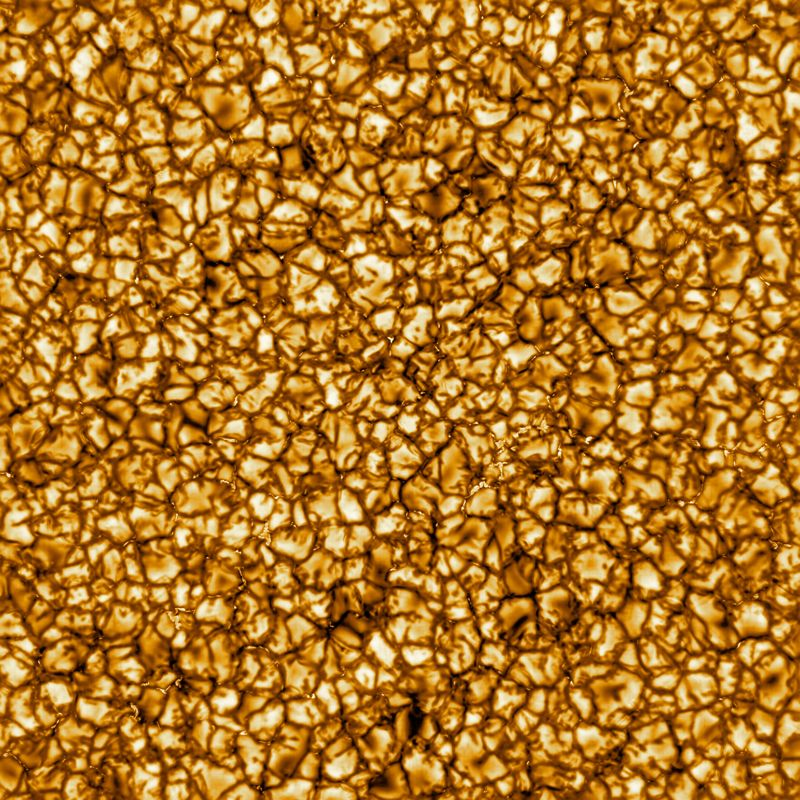
JUST RELEASED! First image from the @NSF's Inouye Solar Telescope, this is the highest resolution image of the Sun's surface ever taken! #2020SolarVision
It shows a pattern of “boiling” gas that covers the entire sun
Full image and more: https://t.co/jihfNGVcsR @NatSolarObs