The Space Sciences Laboratory (SSL) @UCBerkeley (UCB) is a preeminent university lab for space research and has participated in 50+ NASA missions since 1959.
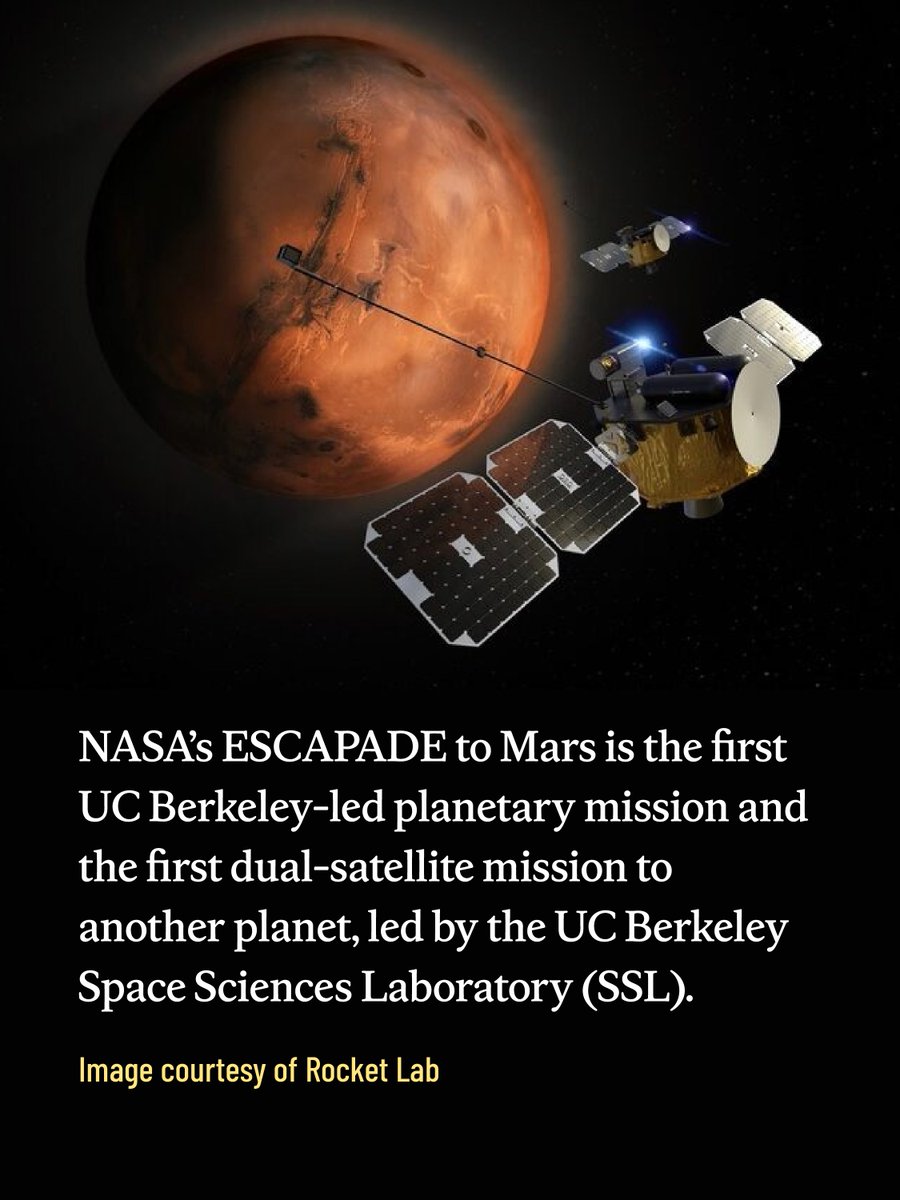
NASA's @escapade_mars mission is now studying Earth's magnetotail. PI @RobLillis describes this first ever visit to this distant region of the magnetosphere.
Read more 👇
https://t.co/9UZbCP8yEc
Reminder: Our Reddit AMA with UC Berkeley Space Sciences Laboratory (@ucbssl) starts tomorrow, Oct. 28 at 11:30am PT / 2:30pm ET.
You can submit your questions now: https://t.co/QqqIP67kGv
The Caltech-led UVEX, which is managed by
SSL/@UCBerkeley, is now an official NASA mission. “UVEX takes advantage of the unique expertise at Caltech and Berkeley to create a mission that increases our sensitivity to the ultraviolet..."
https://t.co/haI0XsAiDw
SSL affiliate Jessica Lu and David Weinberg of @OhioState have created collaboration of scientists — nearly a thousand and growing — to determine the most efficient way to digest over 1TB of daily data from the Nancy Grace Roman Telescope.
UC Berkeley researchers helped shape @NASA’s newest space telescope, the Nancy Grace Roman Space Telescope, which will help resolve unanswered questions about dark energy, dark matter, exoplanets, galaxies and more.
https://t.co/4euNvKA42d
Floor it!
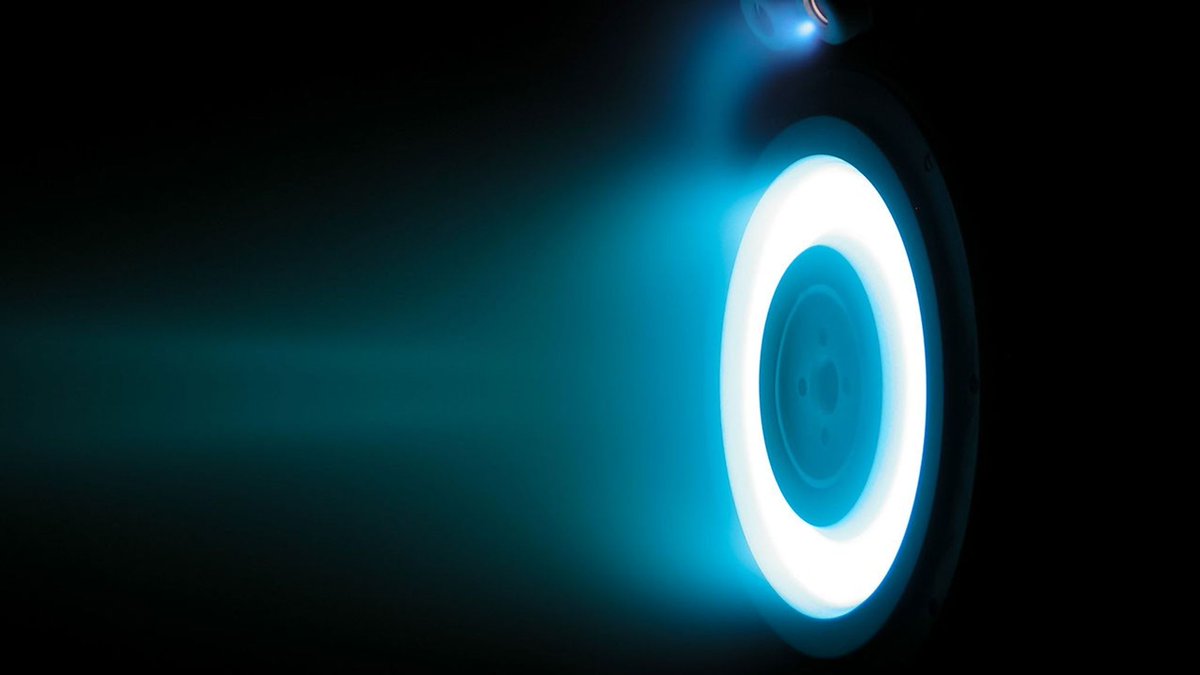
NASA’s Psyche spacecraft has fired up its thrusters and is accelerating to the metal-rich asteroid of the same name. Learn more about Psyche’s solar-powered propulsion system, which uses electromagnetic fields to steadily deliver thrust: https://t.co/MifXRy1npL
NASA's ESCAPADE mission is headed to Mars next month — and a scientist, engineer and mission operator behind it are ready to answer your questions! 🛰️
Join UC Berkeley Space Sciences Laboratory (@ucbssl) for a Reddit AMA on Wednesday, Oct. 28 at 11:30am PT / 2:30pm ET at u/UCBerkeley! https://t.co/TX6qeCjte4
Berkeley professor and SSL director from 1979-1985, Buford Price, collaborated with Francis Halzen on AMANDA (Antarctic Muon And Neutrino Detector Array). It later evolved into the IceCube experiment, which won Halzen the 2026 Nobel Prize in Physics.
UC Berkeley helped make IceCube a success — earning Francis Halzen the 2026 Nobel Prize in Physics. Berkeley physicist Buford Price was an early supporter of Halzen’s idea to detect high-energy neutrinos in Antarctic ice, helping turn the ambitious experiment into reality.
https://t.co/9IT26iuHXk
SSL Associate Director for Planetary Science @RobLillis gave a talk on NASA's ESCAPADE and lessons for low-cost missions as part of our colloquium series. Watch the full talk here👇
https://t.co/9mR3lYeHG1
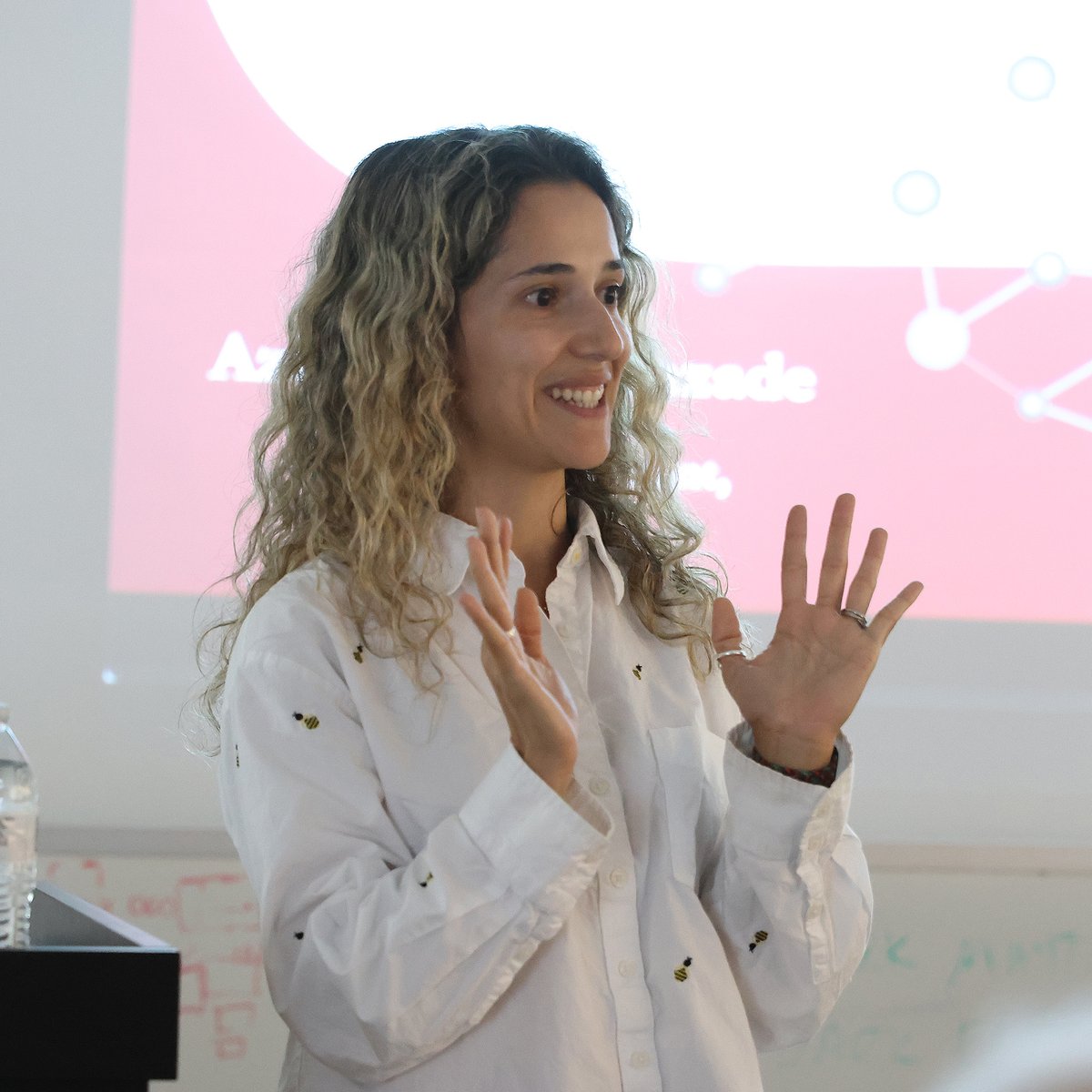
Thank you @AzizaS of @BerkeleyPhysics for stopping to tell us about entanglement as a resource for future instrument design. Looking forward to the arrival of space-based quantum systems at SSL!
A 10/10 view! 🪐
With Hubble, astronomers discovered a new "decagon" encircling Saturn's south pole.
Scientists think this giant 10-sided atmospheric wave might be an entirely new type of phenomenon evolving on the gas giant: https://t.co/XltULqCYLj
Today, @BepiColombo science orbiters separated from their transfer module to continue their voyage to Mercury. SSL and @UMengineering researchers have found something new for the mission to investigate: a radiation belt around Mercury. 🔭🛰🌑
https://t.co/sJGgV7RIl1
Saturn’s famous northern hexagon has perplexed scientists since its discovery in 1980. Now researchers with SSL, NASA and the University of the Basque Country, have spotted a recently emerged decagon near Saturn's southern pole. 🪐🔭
https://t.co/lgRnCleEHK
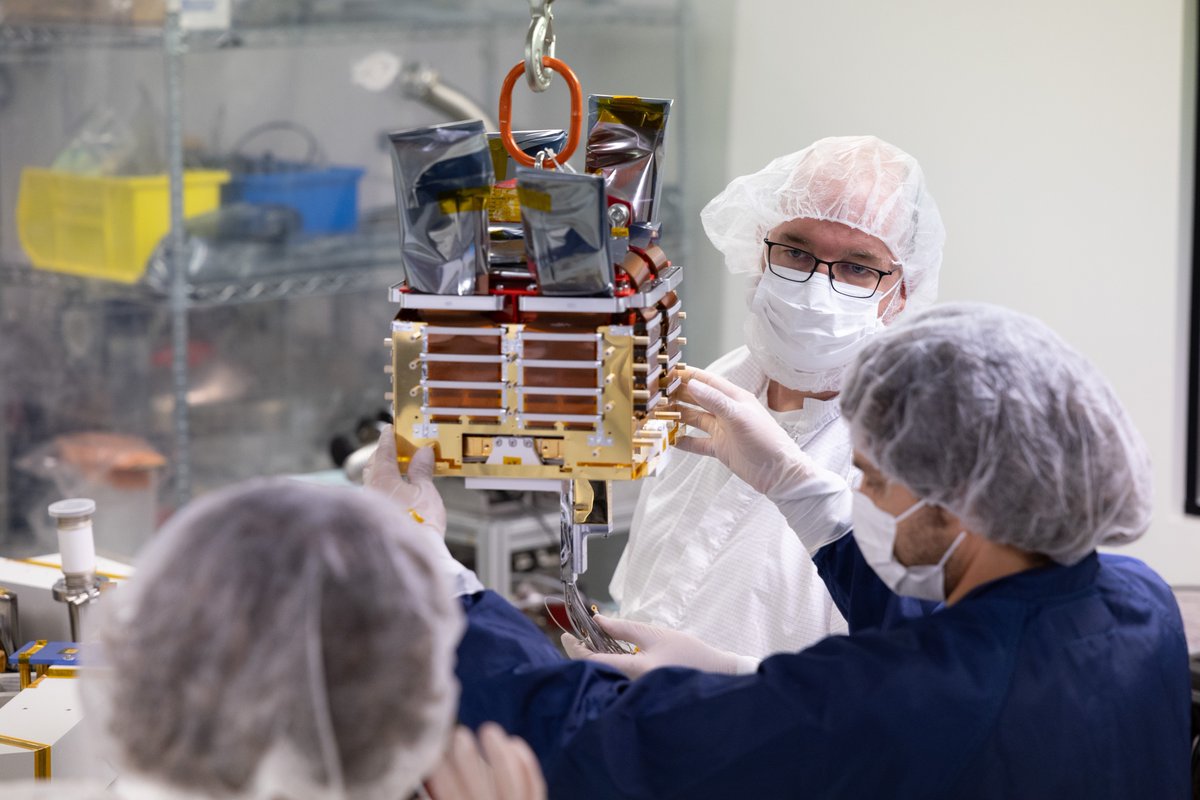
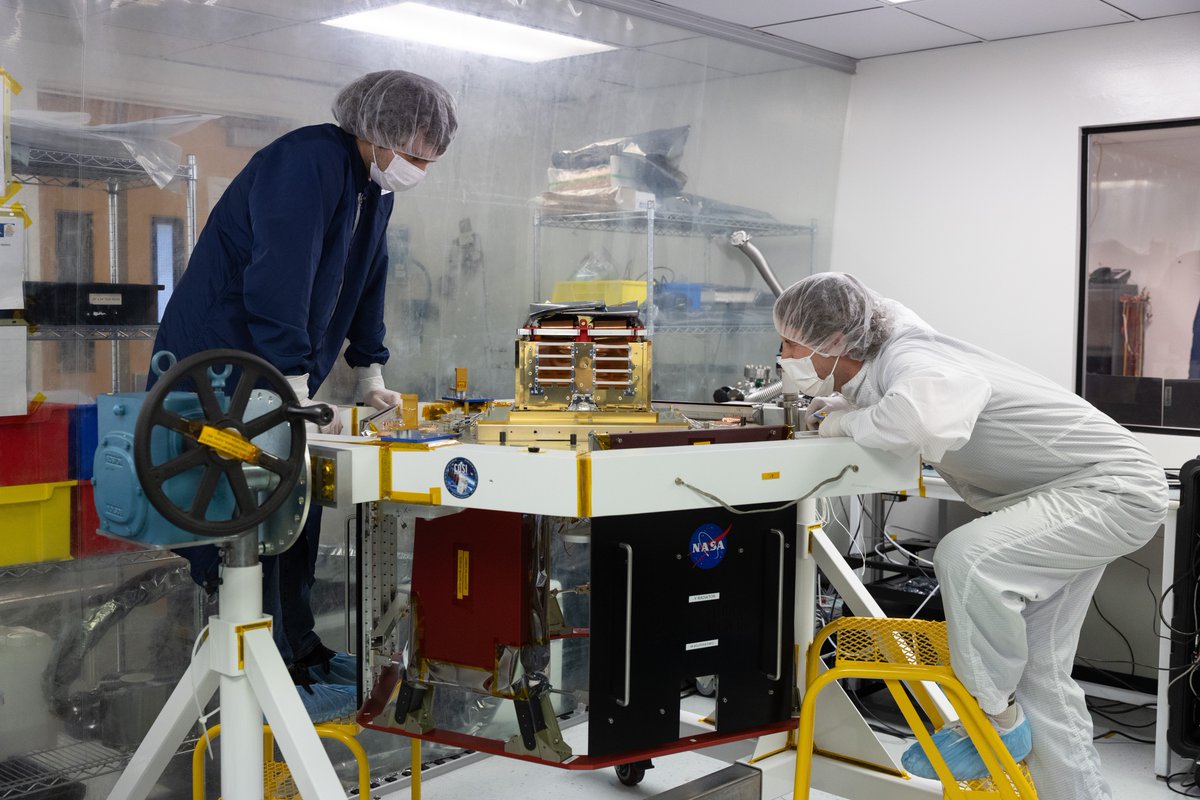
New photos and video documenting the COSI payload assembly at @ucbssl have posted on @NASA's Scientific Visualization Studio. 🔭🧪🛰️👇
https://t.co/bhFvkfsCpL
LIVE: After @NASARoman's successful launch this morning, agency and mission leaders are sharing the latest updates and what's to come in Roman's journey. https://t.co/wi3DL1uEQa
Shades on and batteries charging! 😎 🔋
Roman’s Solar Array Sun Shield and Lower Instrument Sun Shade have successfully deployed, powering the observatory and shading its instruments!
https://t.co/RAUgaDDx0Z
The Solar Radio Burst Tracker project, hosted by @the_zooniverse, needs your help to identify solar radio bursts in Parker Solar Probe spectra. Click on the following link to learn more and volunteer. https://t.co/Iig3HHFstL
High in the Berkeley hills, inside the Space Sciences Laboratory, @ltelkins picked up a model of the Psyche spacecraft. Then came that enormous smile.
That smile tells you something about Lindy. She brings extraordinary curiosity and enthusiasm to everything she does, along with a graciousness that makes people feel welcome. She listens closely. She makes room for questions. She is an exceptional leader because she never loses sight of the human beings doing the work.
Lindy is director of the Space Sciences Laboratory at the University of California, Berkeley, and principal investigator of NASA’s mission to 16 Psyche. The metal rich asteroid lies between Mars and Jupiter. It may contain material from the core of an early planetary body, giving us a chance to examine something we cannot reach inside Earth.
More: https://t.co/GPLeLLxYmg
@ucbssl@theNASEM@NASAJPL
SSL's Weijie Sun & Jiutong Zhao, along with @UMengineering's Ryan Dewey, analyzed MESSENGER mission data and found that Mercury has intermittent radiation belts. The findings could help protect the @BepiColombo mission when it reaches Mercury this year.
https://t.co/W1lUG7rH2W