Today, we’re celebrating a major milestone for the future of advanced nuclear energy.
BWXT manufactured TRISO fuel has successfully powered Antares Nuclear’s reactor through first criticality, marking the first new reactor to reach this milestone under the Administration’s Executive Order 14301.
Congratulations to the @AntaresNuclear team, the U.S. Department of @ENERGY (DOE), @INL and all those involved!
This achievement demonstrates what’s possible when U.S. innovation, proven fuel technology and a worldclass nuclear workforce come together.
Huge credit goes to the #BWXT teams whose skill, precision and dedication continue to advance next generation reactor demonstrations across the country.
Exciting days ahead!
https://t.co/iHOp9SuEaA
#NuclearEnergy #TRISO #AdvancedReactors
Several speakers detailed the need for space nuclear and aerospace capabilities to be brought together; also, emphasized the opportunity for universities and students. @JustinCKasper: it's an incredible opportunity for you to apply your skills in nuclear power and propulsion
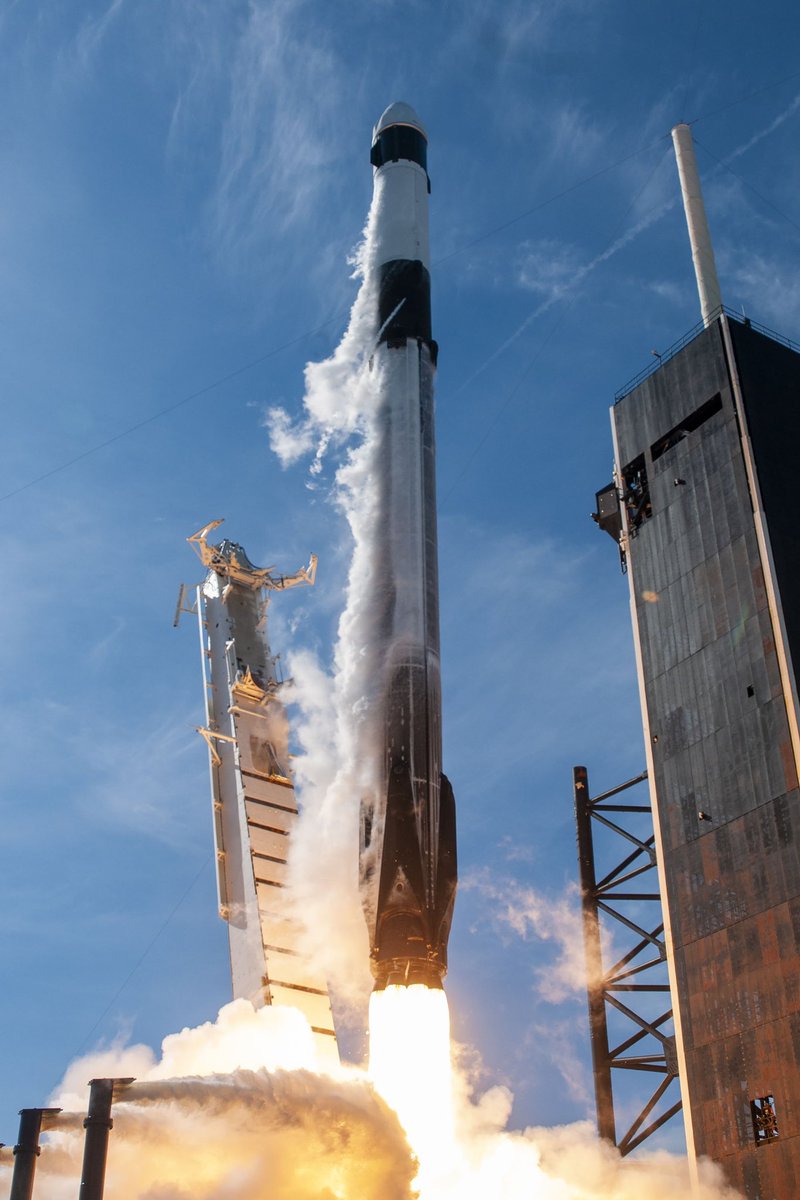
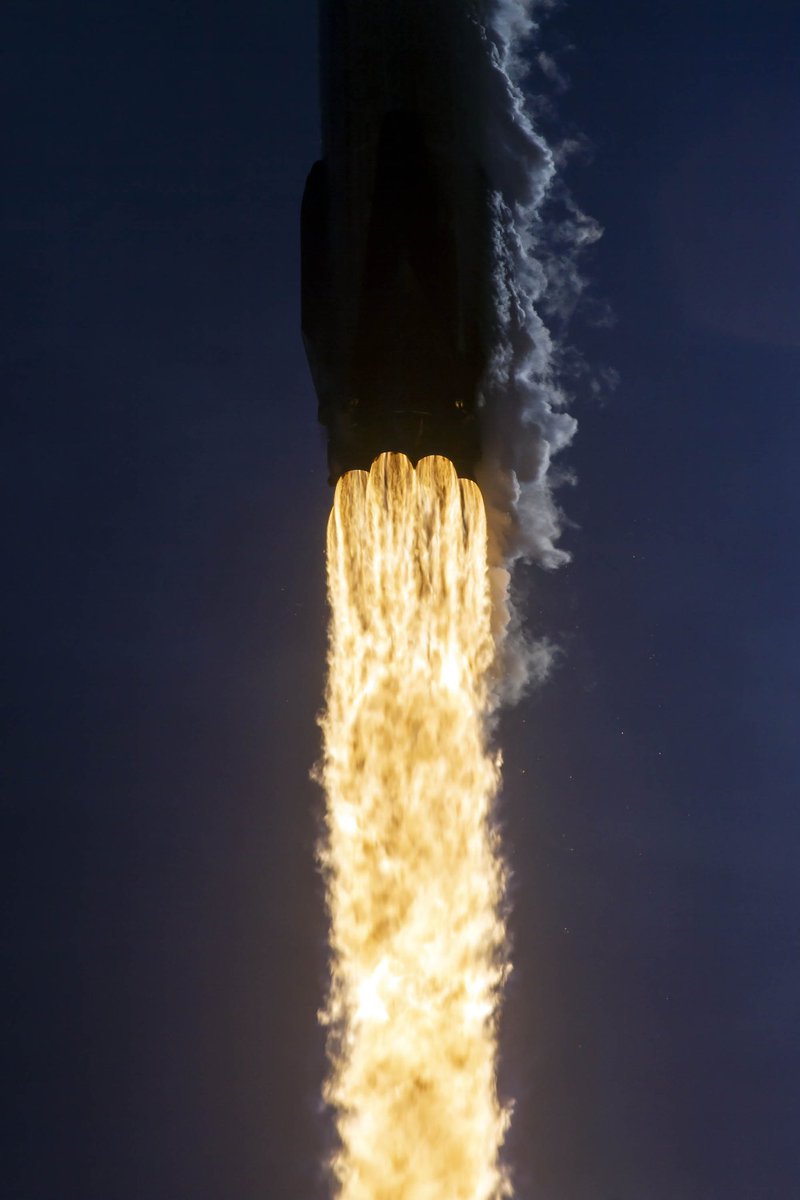
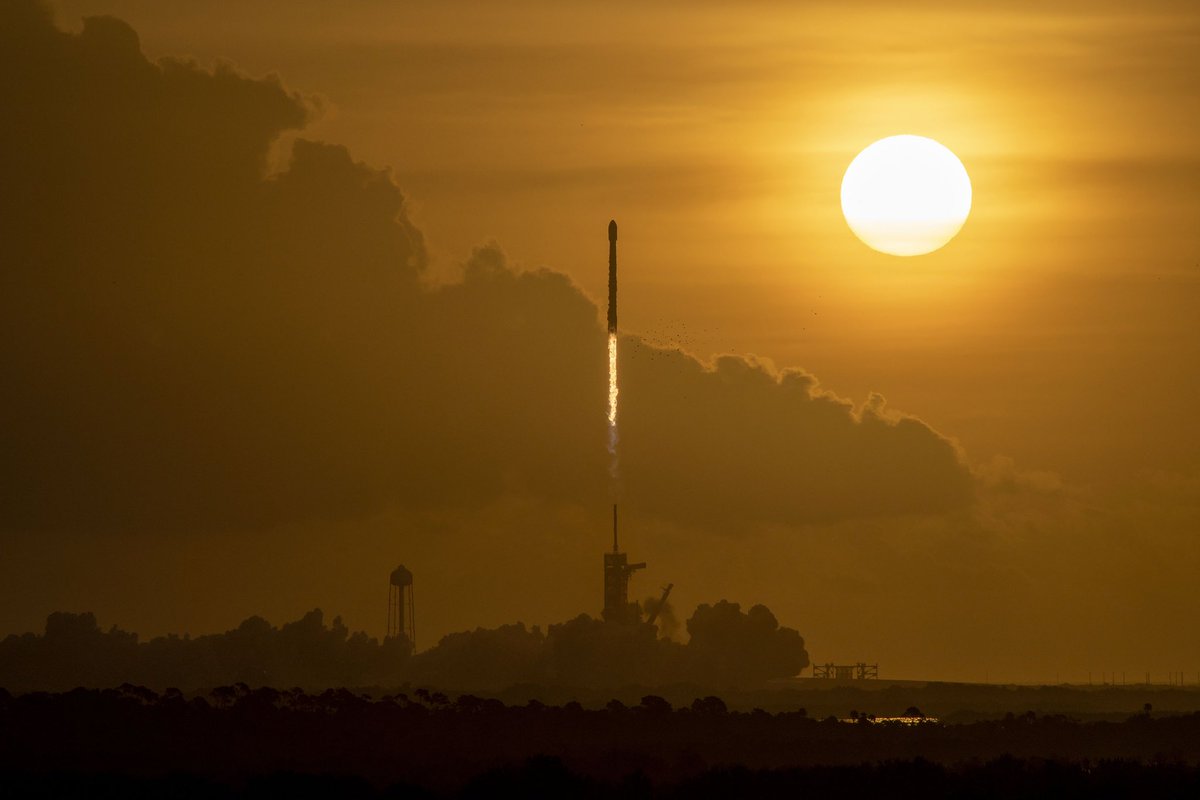
The Falcon fleet’s life leading rocket completed its 19th and final launch and landing on December 23. This one reusable rocket booster alone launched to orbit 2 astronauts and more than 860 satellites — totaling 260+ metric tons — in ~3.5 years
The Falcon fleet’s life leading rocket completed its 19th and final launch and landing on December 23. This one reusable rocket booster alone launched to orbit 2 astronauts and more than 860 satellites — totaling 260+ metric tons — in ~3.5 years
It wouldn't fit under the tree, but we were excited to unwrap a new steam generator for Unit 5 just in time for the holidays! Thank you to our MCR Rigging and Lifting team, and BWXT, Western Mechanical, E.S. FOX and the Ironworkers Union for this successful delivery.
Earlier this year, a team of experts gathered to discuss a mission concept to detect water and search for life under the icy crusts of moons that orbit Jupiter and Saturn: the cryobot, a cylindrical probe that employs state-of-the-art technologies to drill and investigate beneath the ice: https://t.co/gKg4hOnPsN
Earlier this year, a team of experts gathered to discuss a mission concept to detect water and search for life under the icy crusts of moons that orbit Jupiter and Saturn: the cryobot, a cylindrical probe that employs state-of-the-art technologies to drill and investigate beneath the ice: https://t.co/gKg4hOnPsN
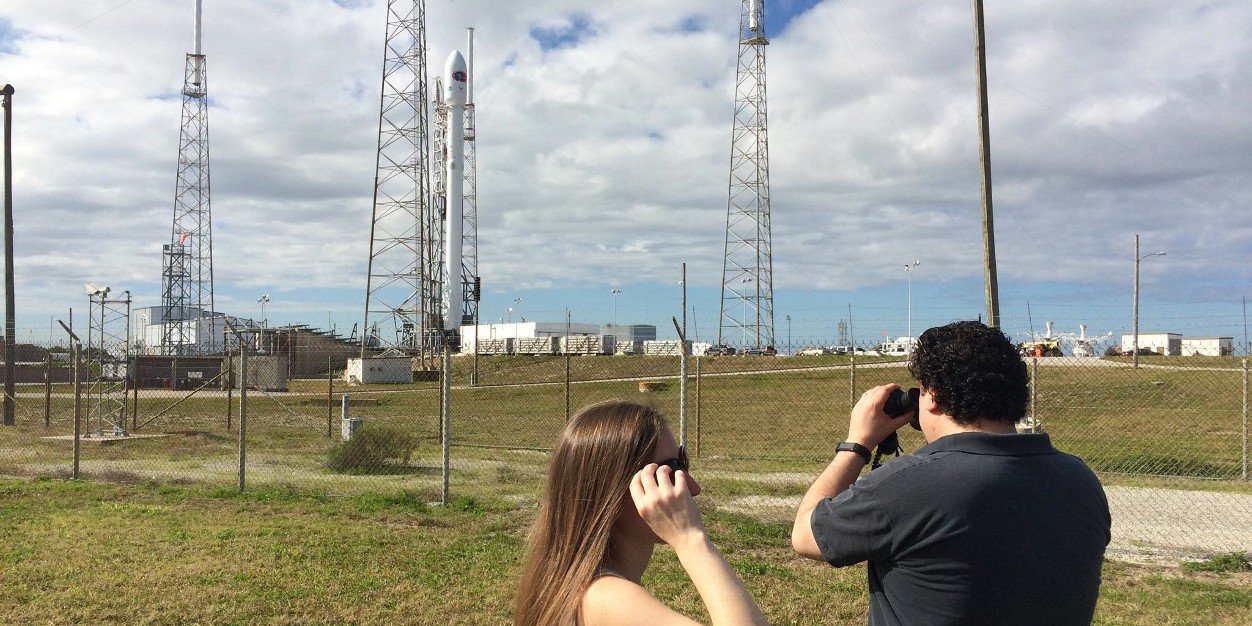
The SunRISE Mission is gearing for launch! Led by P.I. Professor Justin Kasper, the mission will study emissions from the sun.
Read on: https://t.co/iTwjYzL3Fr
#UMClimateSpace#NASA#JPL@NASAjpl@NASA
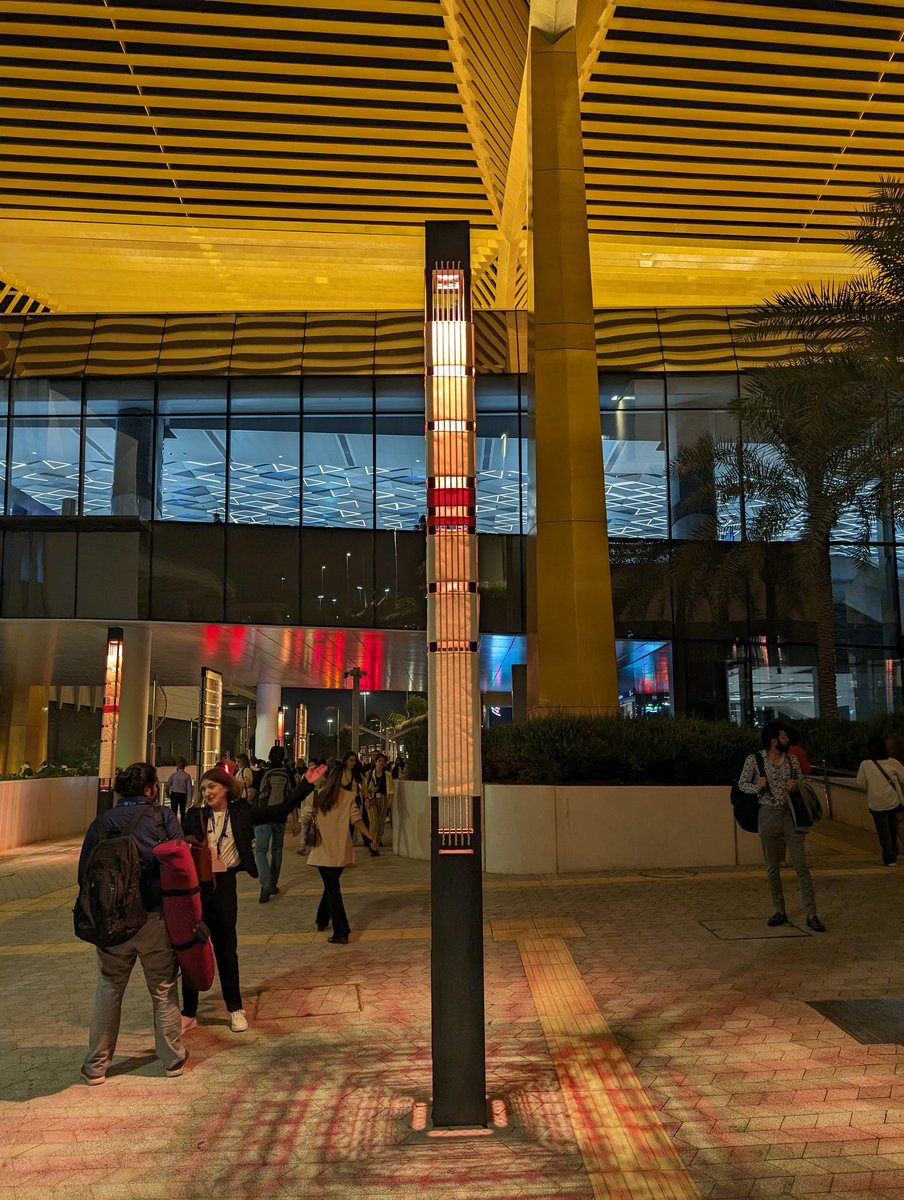
Did you know that Expo City, in Dubai, where COP28 is being held, glows at dusk from hundreds of lights shaped exactly like nuclear reactor fuel assemblies?
Nuclear-powered, nuclear-themed public art at COP28!
On winter nights in the UAE, most of the power is actually coming from the local Barakah nuclear plant, from fuel like these!
I have it on good authority this was intentional. How could it not? Compare it to the 4th picture, the real deal for a Westinghouse reactor.
Nuclear-powered nuclear art: I've never seen such a thing before. It really shows the pride that this country has in its new nuclear plant, which was being built at exactly the same time as Expo City.
An estimated 24 million visitors walked by these nuclear lights during Expo 2020 in 2021,
Do you think any of them realized what they were walking by? Or, for that manner, where the electricity was coming from?
@marsokod@NASAJPL@UMich Here’s a paper on the mission https://t.co/15HzDGZ9wF. One of our tricks is we use GNSS to measure precisely where we are in real time instead of forcing the spacecraft into precise locations. Thrusters just keep array in general locations.
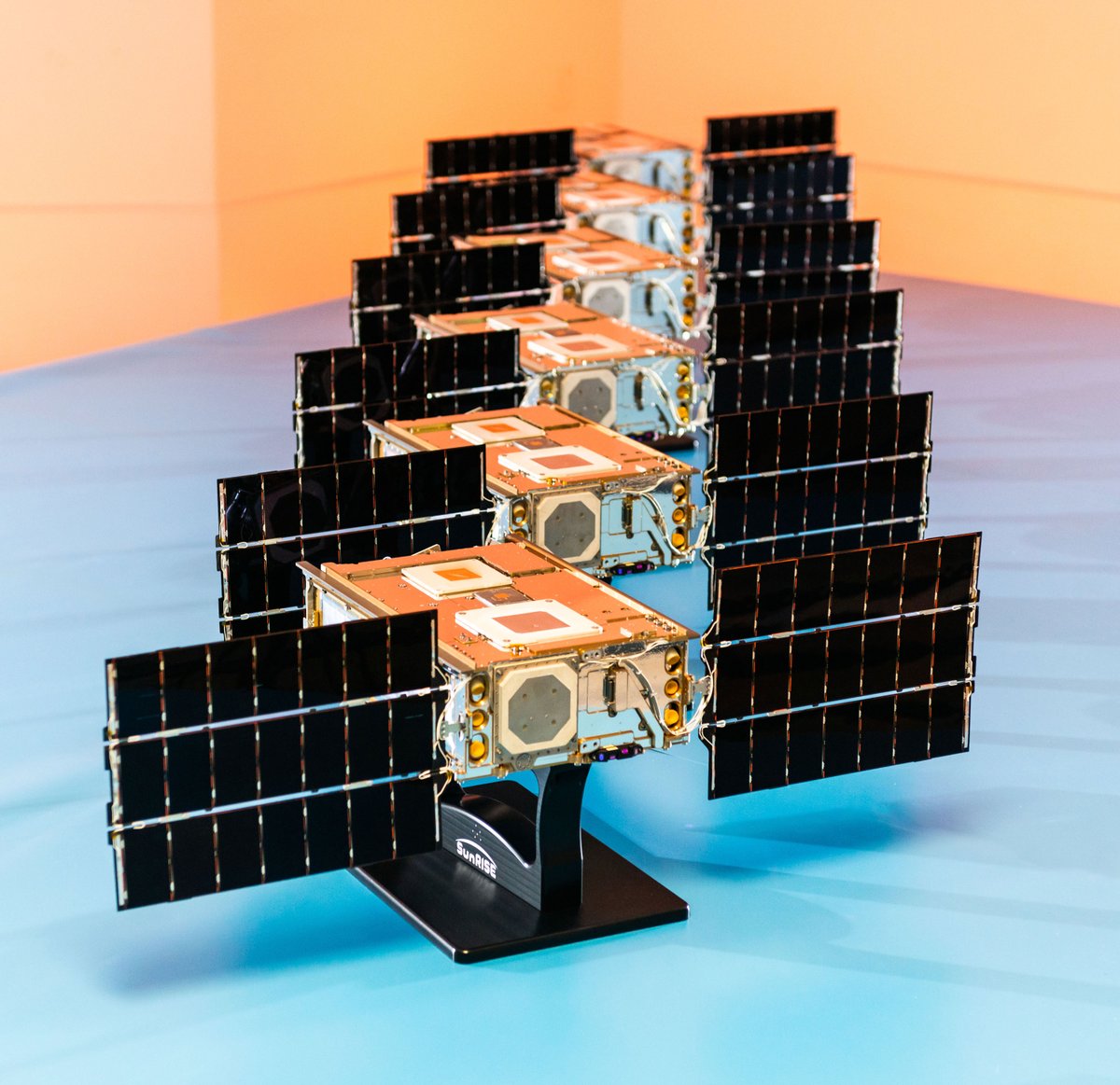
An iconic photo of our SunRISE spacecraft, ready to launch! These spacecraft are individually highly capable but will act in concert in orbit to create a virtual radio telescope 10km in diameter! My gratitude to the team at @NASAJPL SDL and @UMich for this historic milestone.
Ready for their moment in the Sun ☀️
A fleet of six cereal box-size satellites known as SunRISE are complete and awaiting final testing. Once launched, they will act as one giant radio antenna that will study solar radio bursts. https://t.co/HLeGulQa0V
@NASAScienceAA Congratulations on the exciting week @NASAScienceAA. My highlight was when we announced our six SunRISE spacecraft are ready for flight! https://t.co/OGUhD31A4P
Half a dozen cubesats working together to study the Sun? Sounds like a project for @umclasp's @JustinCKasper! Read more about this project by following the link in @NASAJPL's post.