Oceans Across Space & Time (OAST) is part of NASA's Network for Life Detection. We study how ocean worlds might evolve into detectable life, past or present.
Our very own Emily R. Paris, along with the Society for Women in Marine Science, wrote a blog post on our Orca Basin fieldwork! Check it out! https://t.co/0ofaJjxez5
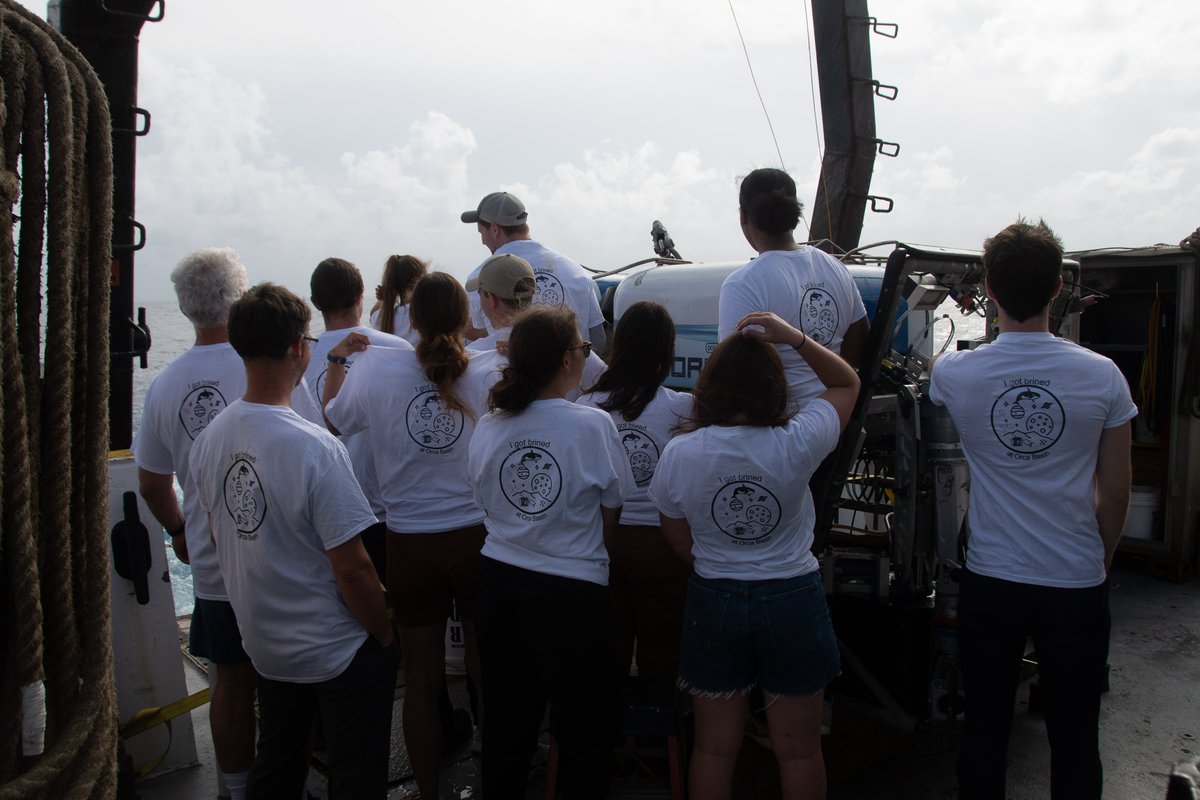
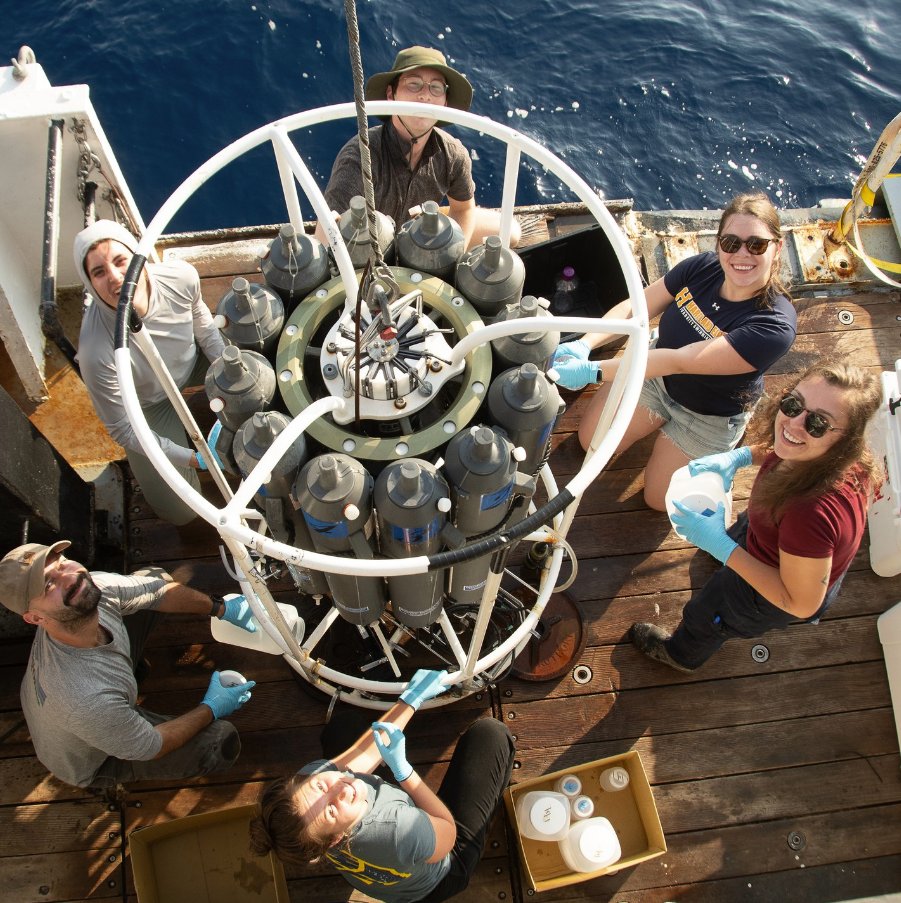
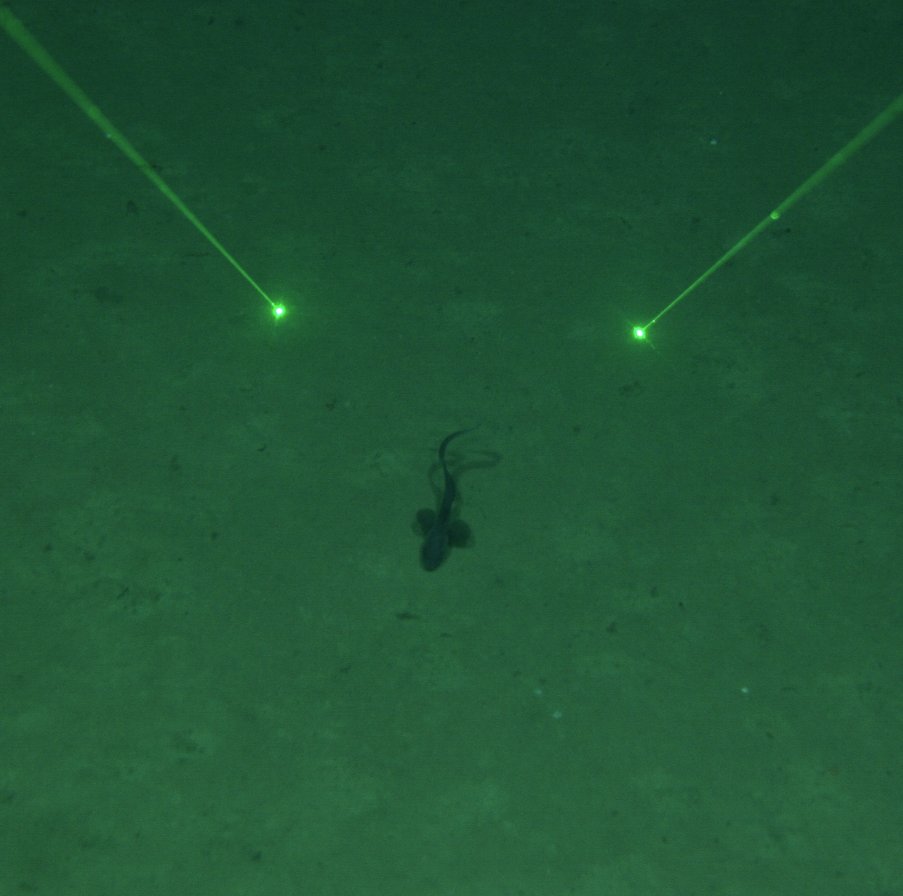
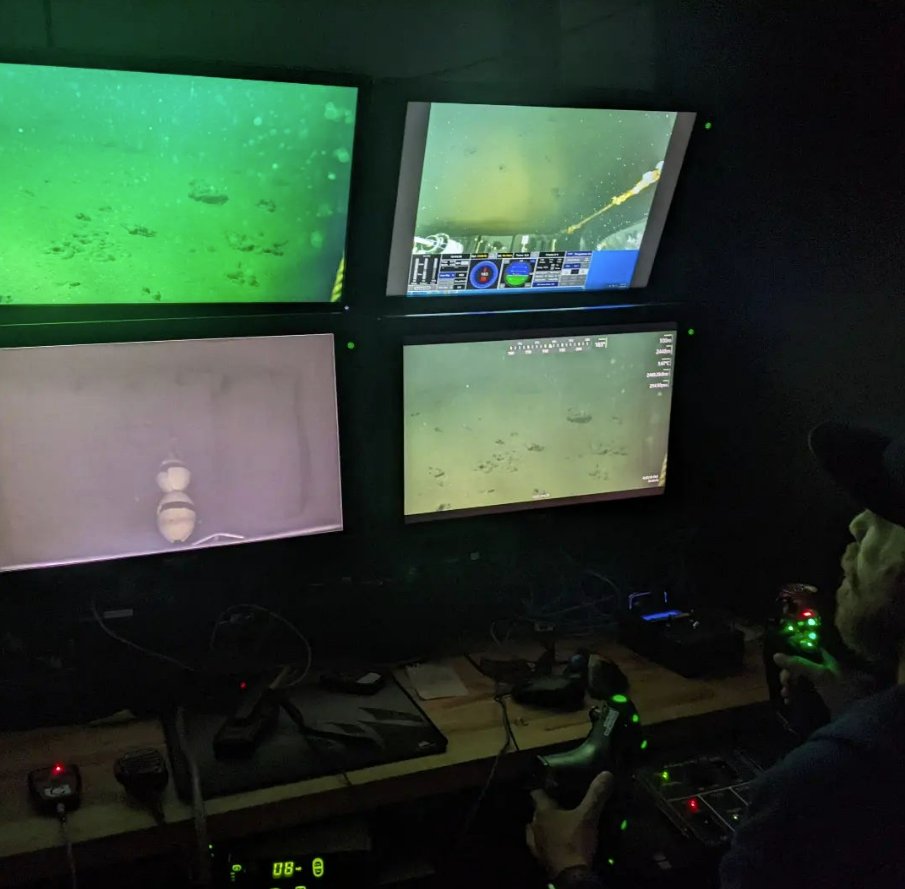
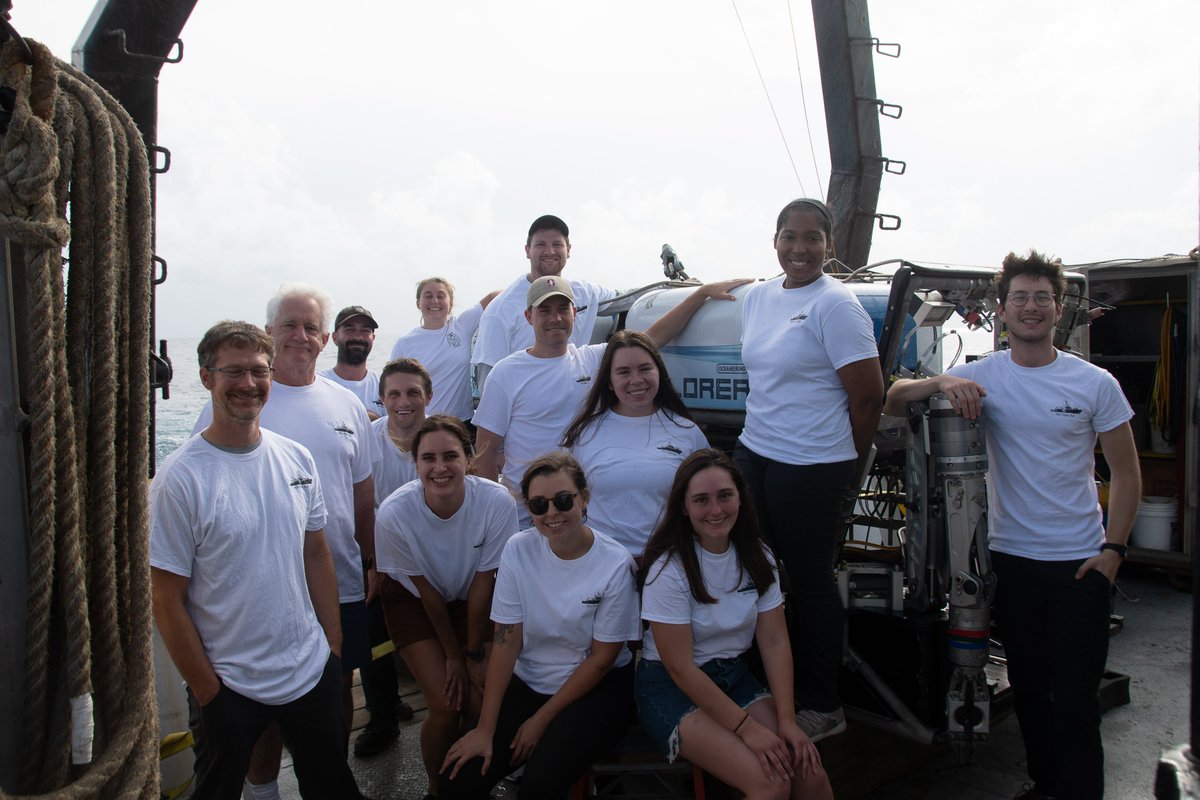
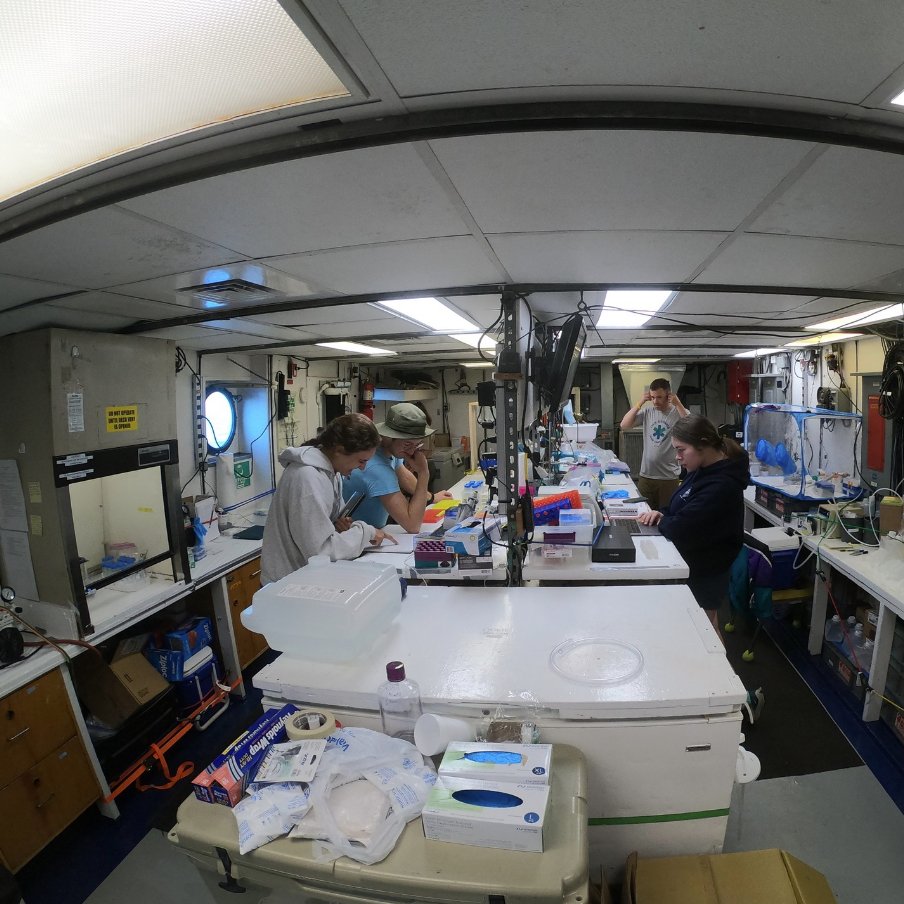
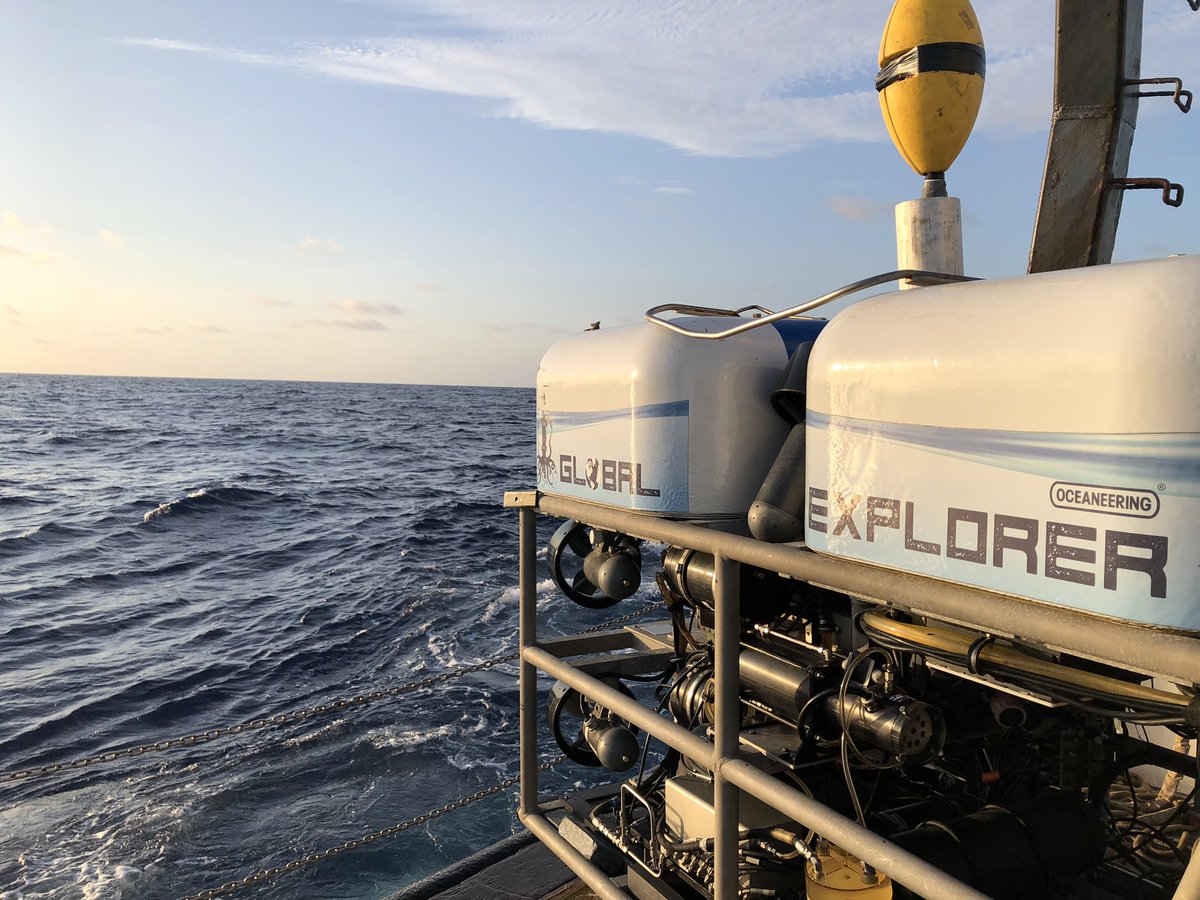
And we're done! Over 12 days, we conducted 21 CTD casts, 11 ROV dives, collected 10 sediment cores (they said it couldn't be done!), and a considerable number of water column samples. Huge thanks to everyone for making this a reality. On to the real work! #nasaastrobiology
DHABs like Orca Basin provide essential information on the coevolution of biological communities and their geologic niches, and on the limits of life under conditions relevant to contemporary oceans on Europa, Enceladus, other icy moons, and past oceans on Mars. #NASAAstrobiology
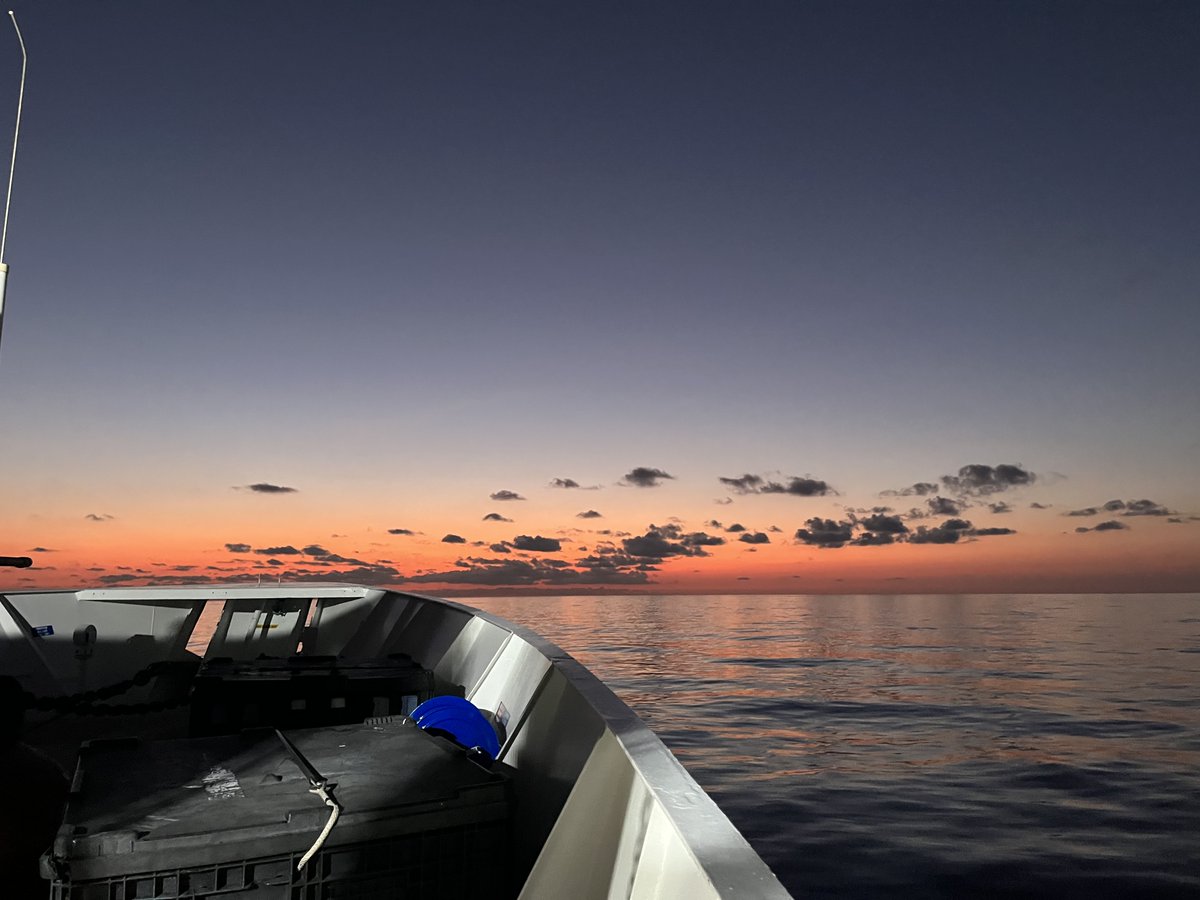
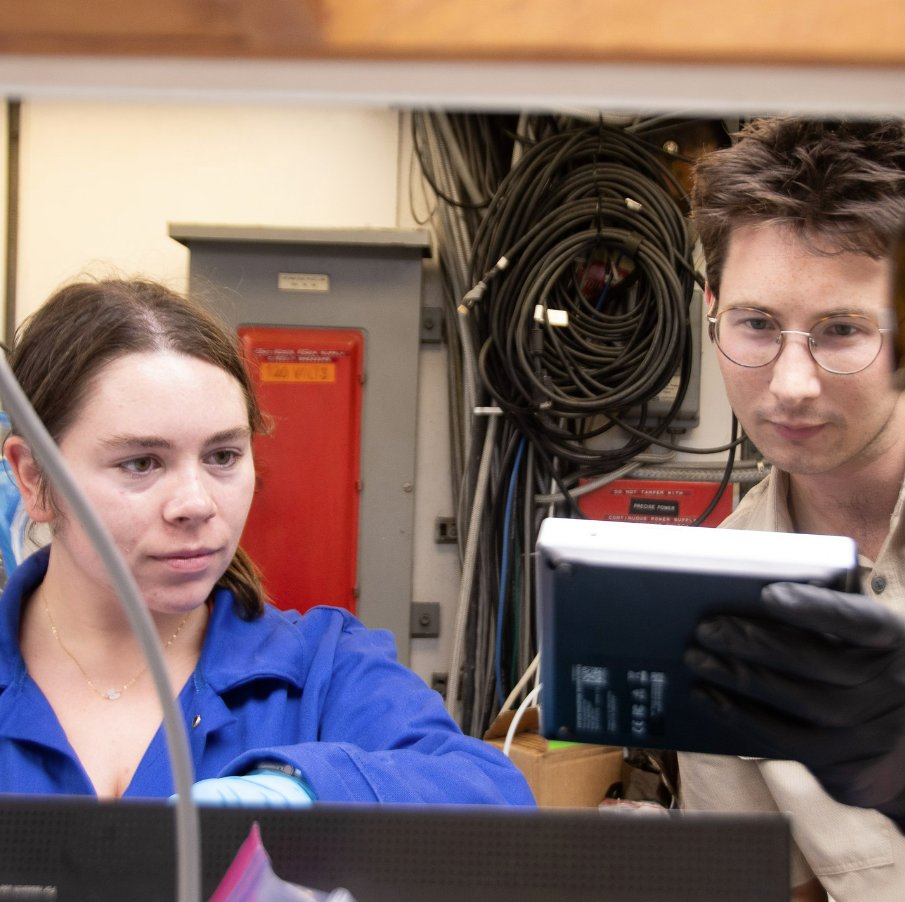
Some pictures of our two-week cruise to Orca Basin in the Gulf of Mexico!
Orca Basin, located approximately 250 km from the Louisiana coast at a depth of over 2000 m, is a NaCl-dominated basin and part of the extensive Louann salt formation that underlies much of the Gulf coast.
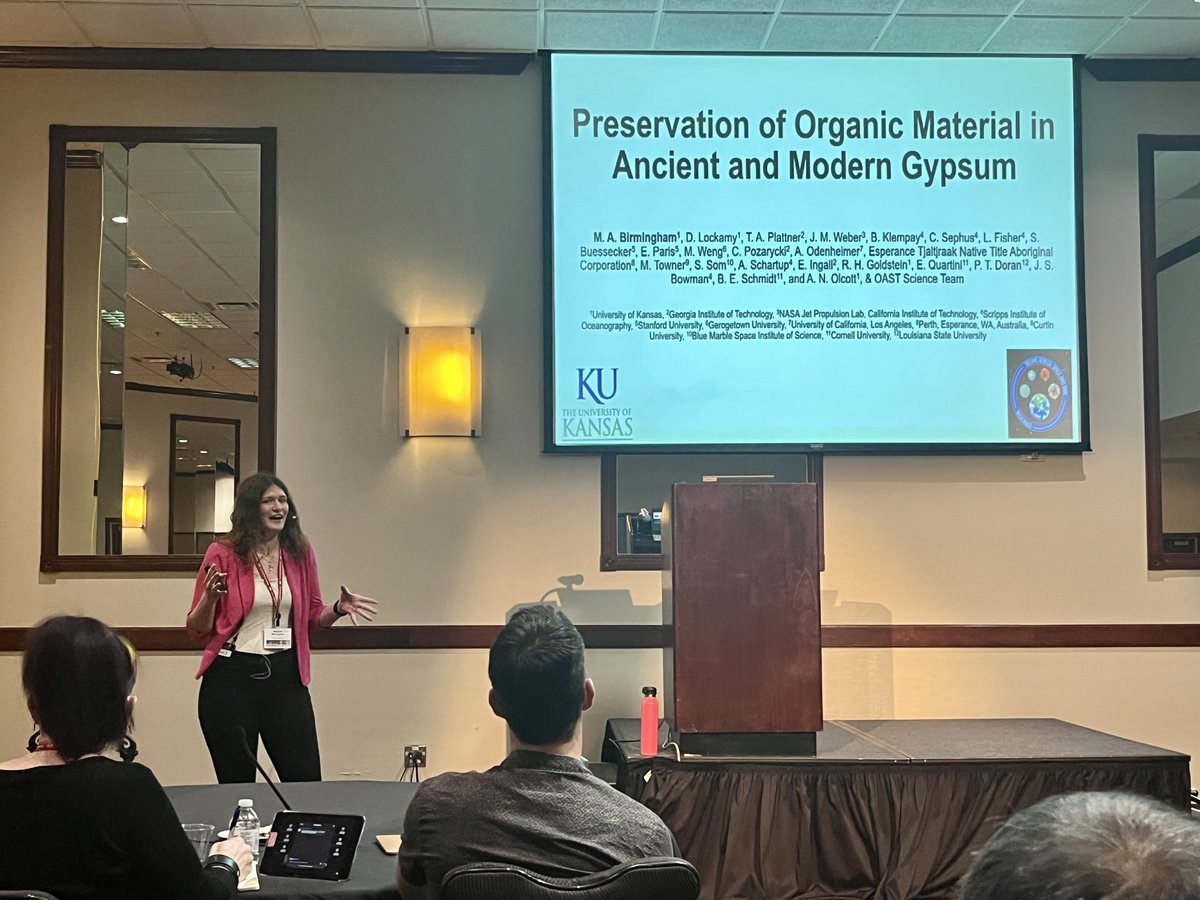
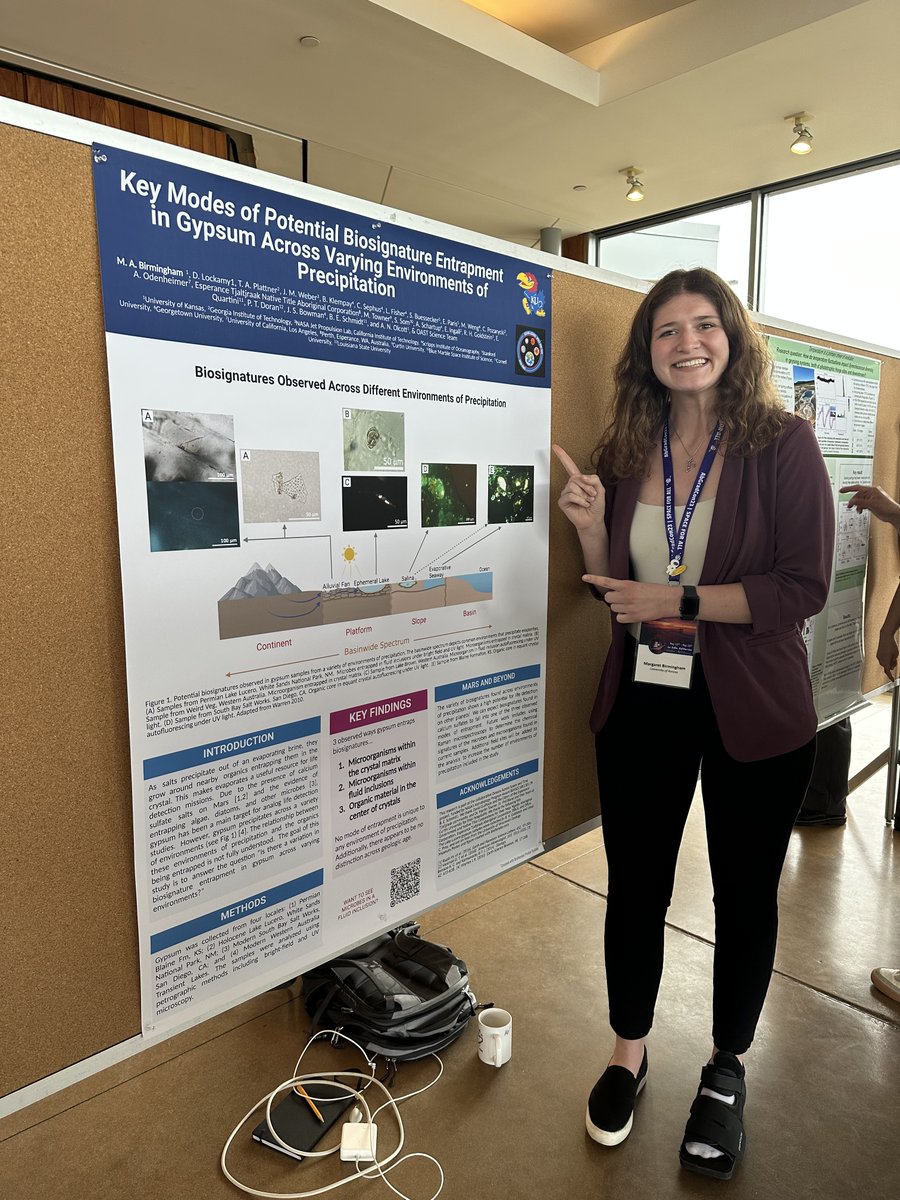
PhD Candidate Meg Birmingham presenting new findings at BrinesCon and AbGradCon. Meg’s research focuses on biosignature entrapment and detection in gypsum collected from Mars Analog sites here on Earth! @LPItoday@abgradcon@kugeology@univofkansas@SpaceOceansOAST
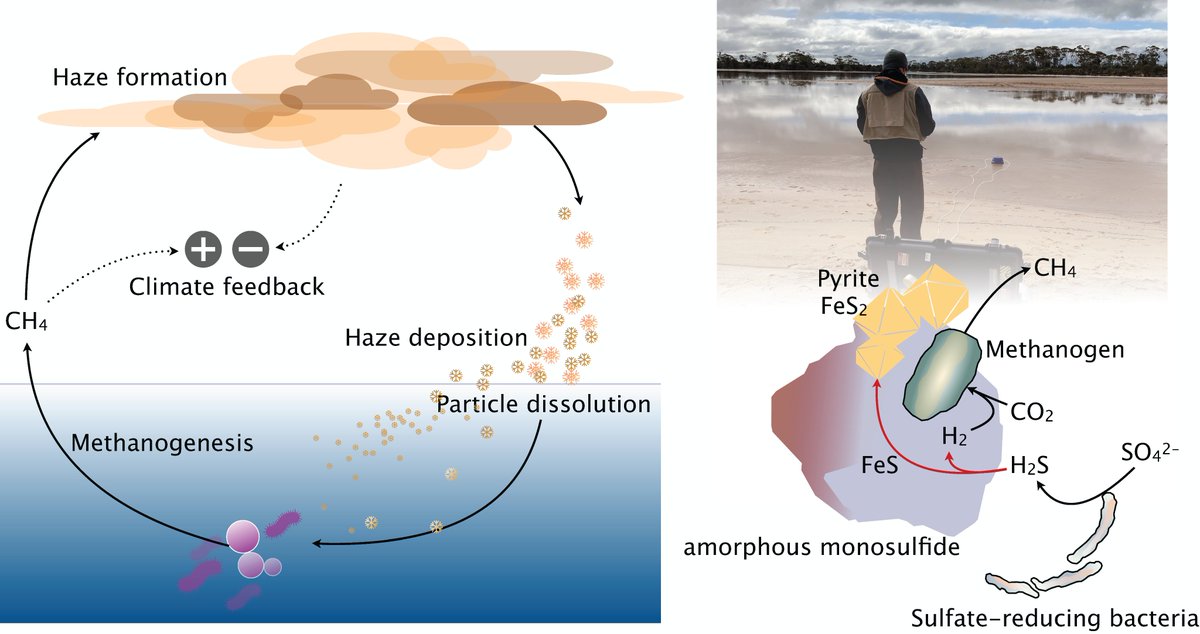
As a current @NASA postdoctoral fellow, @earthmicrobe works with @annedekas at @Stanford on microbial methane formation under hot or extremely saline conditions. As a member of the @SpaceOceansOAST project, he studies potential carbon and energy sources for methanogens.
Day 1 of our cruise to the Orca Basin in the Gulf of Mexico in scope of @SpaceOceansOAST. While deep hypersaline anoxic basins like Orca are rare on Earth, they could be more common on other planets or moons. #NASA#astrobiology#deepsea#ocean
Want to learn about COOL robots in Antarctica? Join @IcefinRobot's Dr. Britney Schmidt, TODAY at 10 a.m. EST, for a free special presentation about robots in Antarctica! Visit the link below to register for the webinar!
https://t.co/An7QKbLCOt
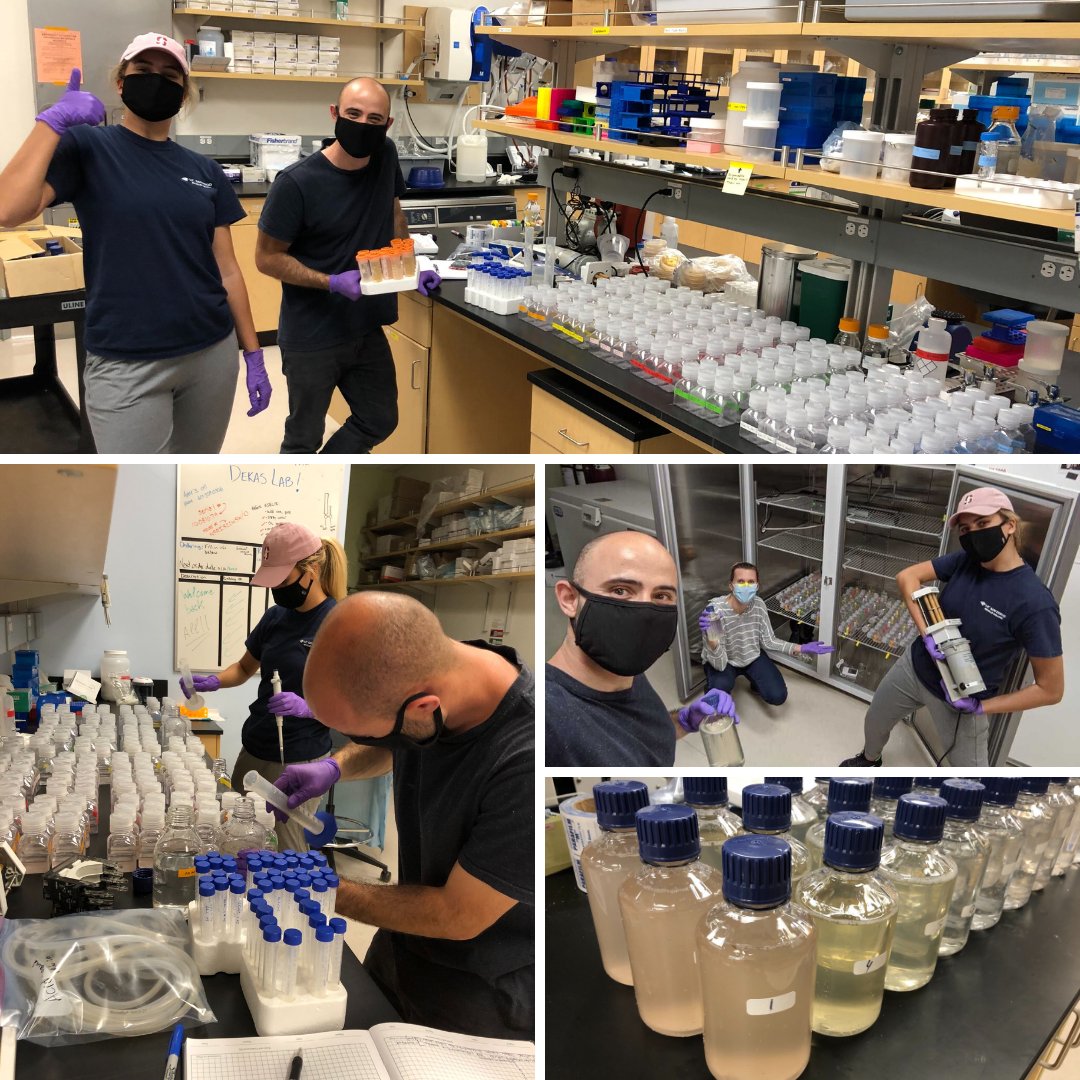
The Dekas Lab started 168 stable isotope incubations with water from sites around the South Bay Salt Works. Using samples from lakes with different salts - from sodium chloride to magnesium chloride - they’ll mimic environmental conditions to see how the samples respond.
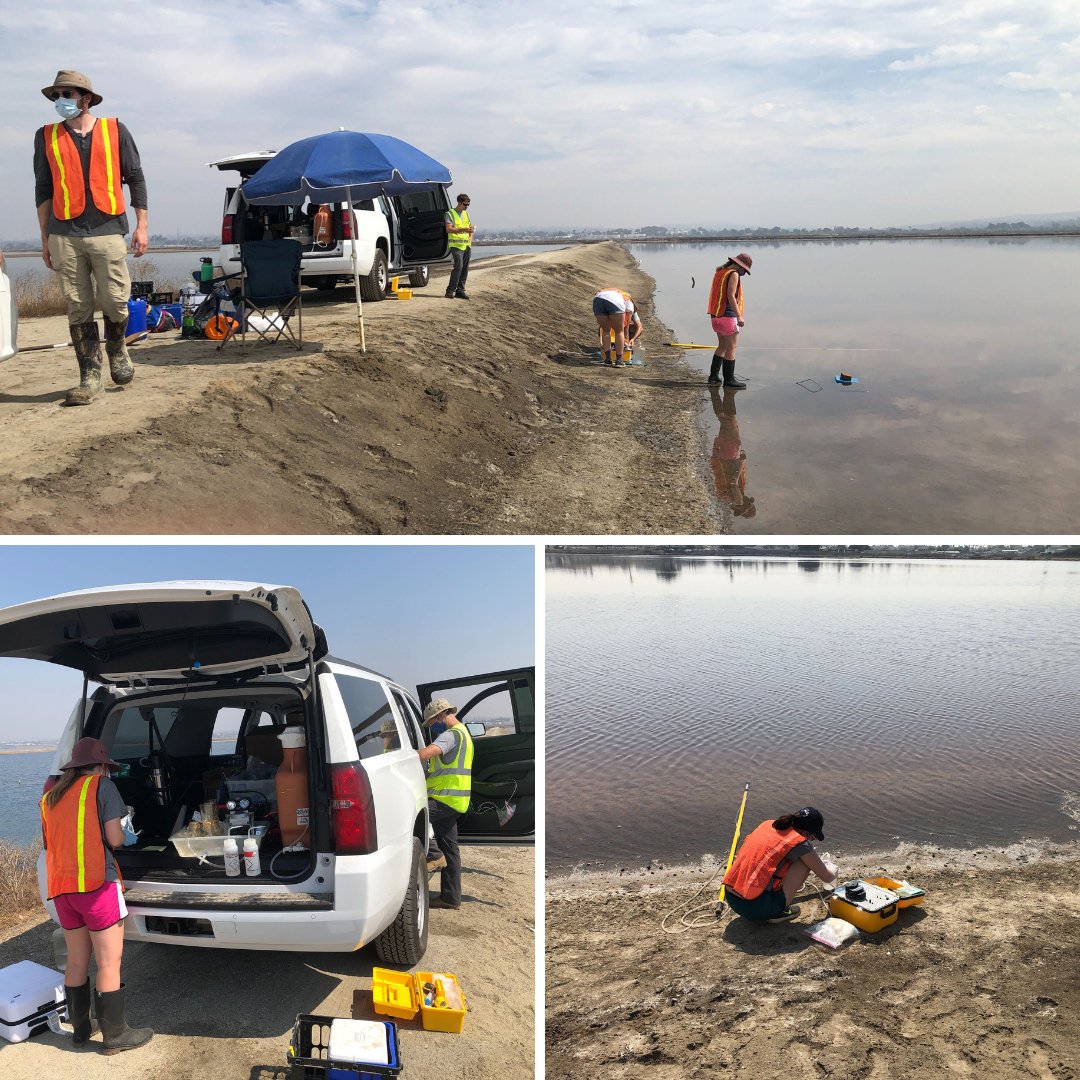
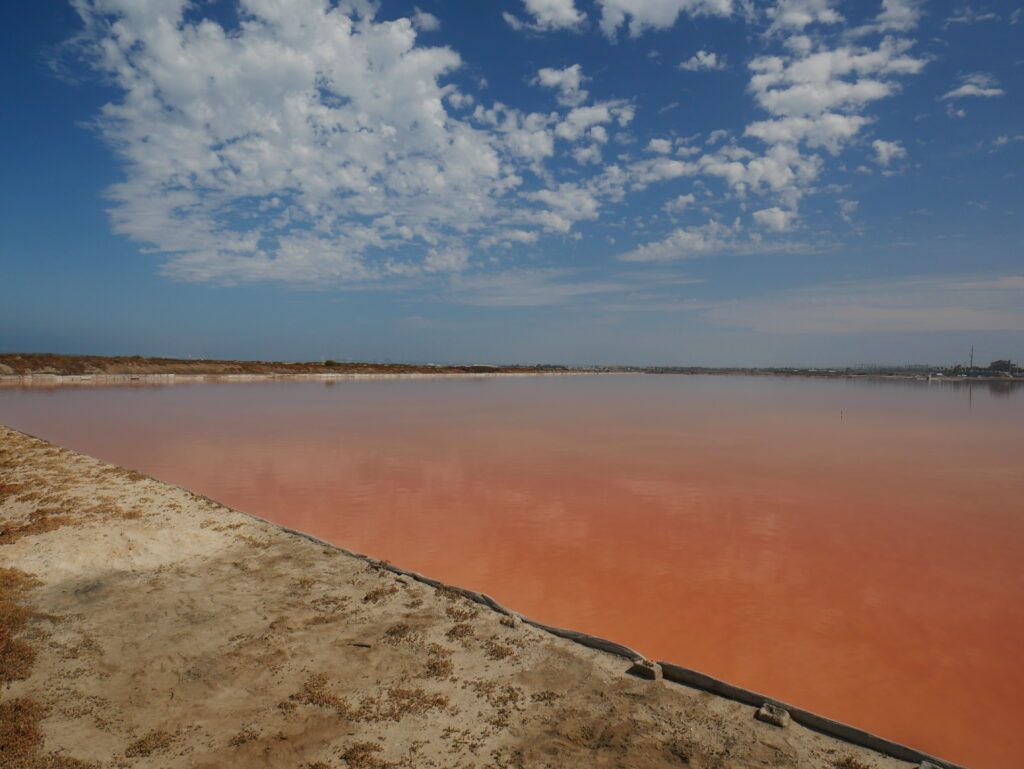
Brine time! Returning to South Bay Salt Works in Chula Vista, CA, our team collected samples from different salt ponds and the Otay River. The samples are being studied by team members across the country - some samples arrived in Atlanta to be filtered, a slow process!
At the Basque Lakes in Canada, OAST is investigating hypersaline lakes with diverse brine chemistries that may mirror those of several of NASA’s high priority astrobiology targets such as Europa, Enceladus, and Mars! #ResearchSpotlight https://t.co/V2NsP6kqYJ
Looking for life in pink and green salt ponds at the South Bay Salt Works is very similar to the challenge of life detection on other planets.
“These ponds will break any instrument that you put in them” said Jeff Bowman, OAST deputy PI.
https://t.co/03Cm9XQxX7
How do different salts and concentrations impact the search for life on other worlds? Join the OAST team as we take a look at the South Bay Salt Works lakes in Chula Vista, California!
https://t.co/BCENesflzI
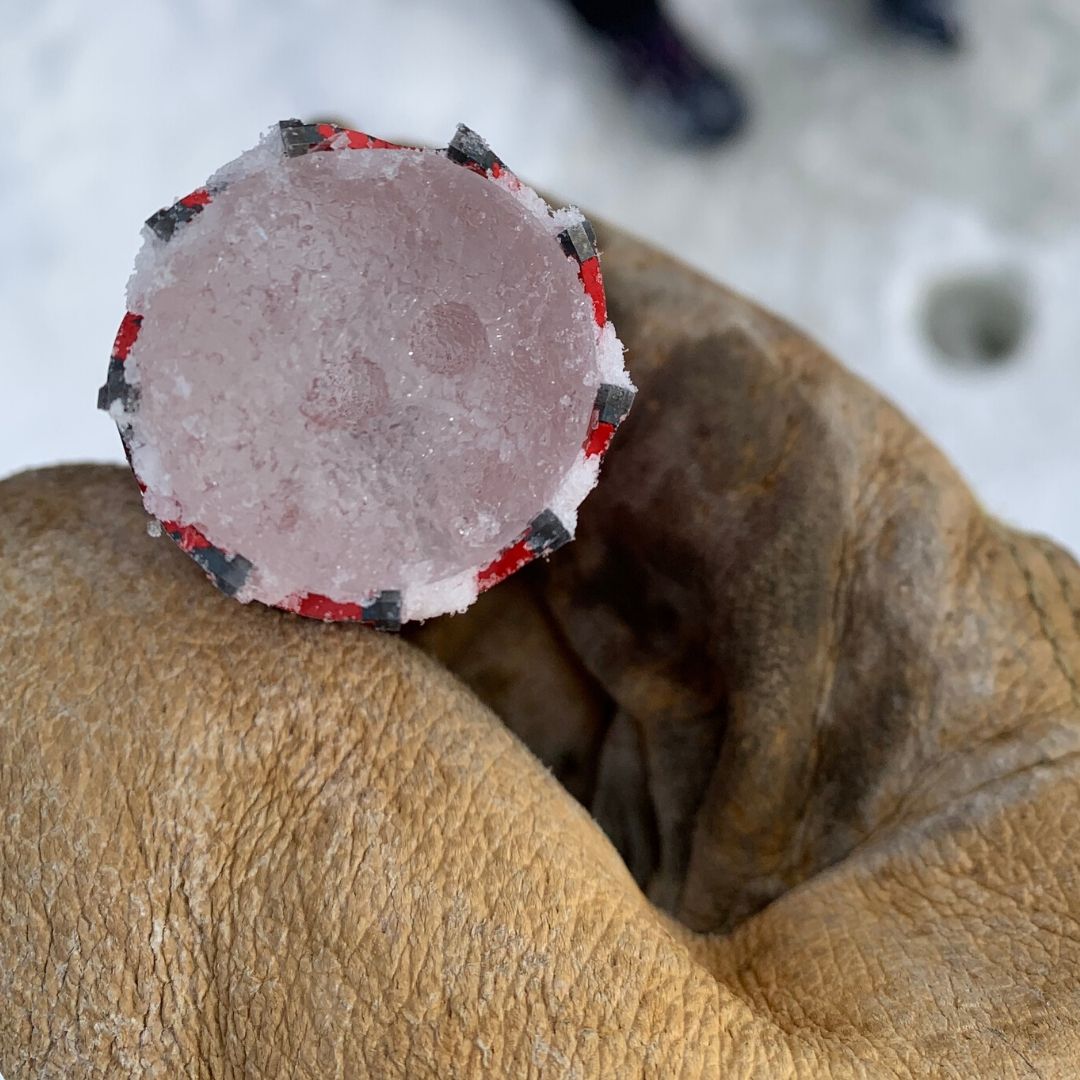
This is one of the ice cores the OAST team got from hypersaline lakes in British Columbia. You can see brine channels at the base of it (two circles that look like little bubbles). These porous regions are where solutes and biology can be transported through the ice.