The Starbase tower chopsticks catching their first Starship. This unique architecture was designed for full and rapid reusability, enabling repeat launches and landings from the same pad
@MrBeast@interstellargw@MrBeast Confirmed! You're tile stayed on and the signature even survived. You've touched hardware that flew to space and came back to Earth. If this YouTube thing doesn't work out, we can always use more heatshield technicians. Apply online at https://t.co/DGM7LdC9xN
Our Hera mission is now studying asteroid Didymos from just 28.5 km away in visible light and infrared to reveal its surface features, composition and temperature. ☄️
These observations will help us better understand asteroid properties and improve planetary defence.
Read more: https://t.co/LbpC7H0noO
In my ongoing quest to find the limits of Opus 5.5, I directed it to audit my old scientific field, theoretical astrophysics. We indexed about 150,000 papers, audited 50,000 for issues, and did progressively more thorough checks on thousands more. We found nearly 1000 major errors that got cited many times, most are still uncorrected. This survey enabled me to estimate the efficacy of peer review for correcting errors (not very good) and to identify dozens of open questions that anyone with spare Claude Max tokens could answer today (.md context files included).
Bottom line: AI can speed up quantitative science by >1000x with no further model improvement required. But I'm seeing no evidence of this being pushed within universities, only academics complaining about labs dropping math proofs.
Among my fellow reformed academic high agency founders, however, several are speed running entire disciplines.
This survey has implications for how science will be run in the very near future. Hint: Academic publishing is dead. It was already a very stupid way to record and promulgate knowledge, and had been so for decades, even before all that publicly funded knowledge was locked behind paywall cartels. Now AIs can generate thousands of novel, correct papers per day, it is no longer meaningful for humans to consider a research paper a "unit of science" or to even bother much with the 99.9% of science which, up to this point, was necessary drudgery. Time to discover something like General Relativity or Evolution every week. LFG!!
Enjoy: https://t.co/BhRxKVvbim
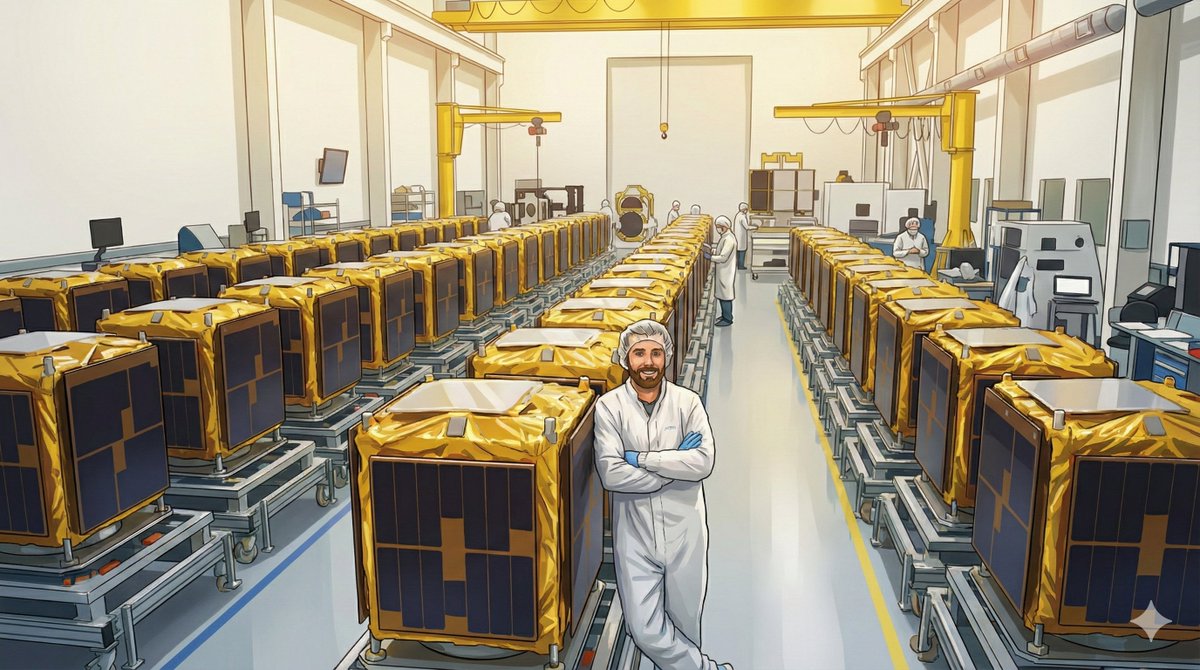
SpaceX is currently building a Starship upper stage—a vehicle larger than the Space Shuttle orbiter—every three weeks. The goal is to bring that down to every three days in the existing factory.
Absolutely unbelievable footage! 🤯 Just look at how smoothly Starship settles onto the chopsticks. You can barely even spot the moment of contact. A slight wobble of the arms, and that was it.
Bravo @SpaceX! You guys are freaking magicians!
SpaceX's Ship 42 returns to the arms of the Mechazilla Chopsticks, concluding Flight 15 and marking the first Ship catch in the Starship program.
➡️https://t.co/SDYSqSMI7q
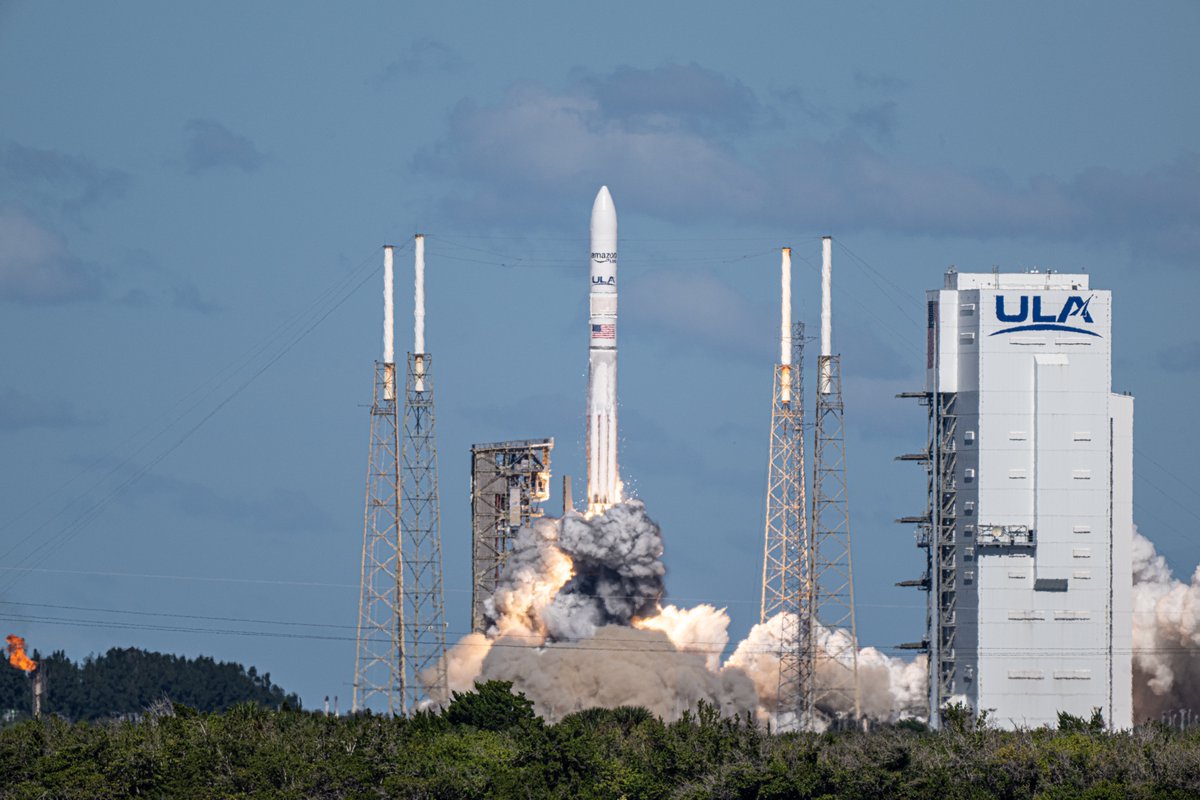
In a major setback for United Launch Alliance, a Vulcan rocket carrying a batch of Amazon Leo internet satellites, malfunctioned Sunday, dooming the payload and throwing a costly wrench into the launch schedule of both companies. https://t.co/gp5bQuyaax
📷 @mdcainjr
SpaceX's first Starship to complete a return to launch site landing after reaching orbit completes its journey. This time, Ship 42 has just a short, two-mile roadtrip back to the production site from the launch pad.
📹: @ABernNYC
Ship 42 returns to Starbase, Texas for the first-ever Starship tower catch during Flight 15! I have dreamt of creating this image for years... and today it became real.
Congrats, SpaceX team!