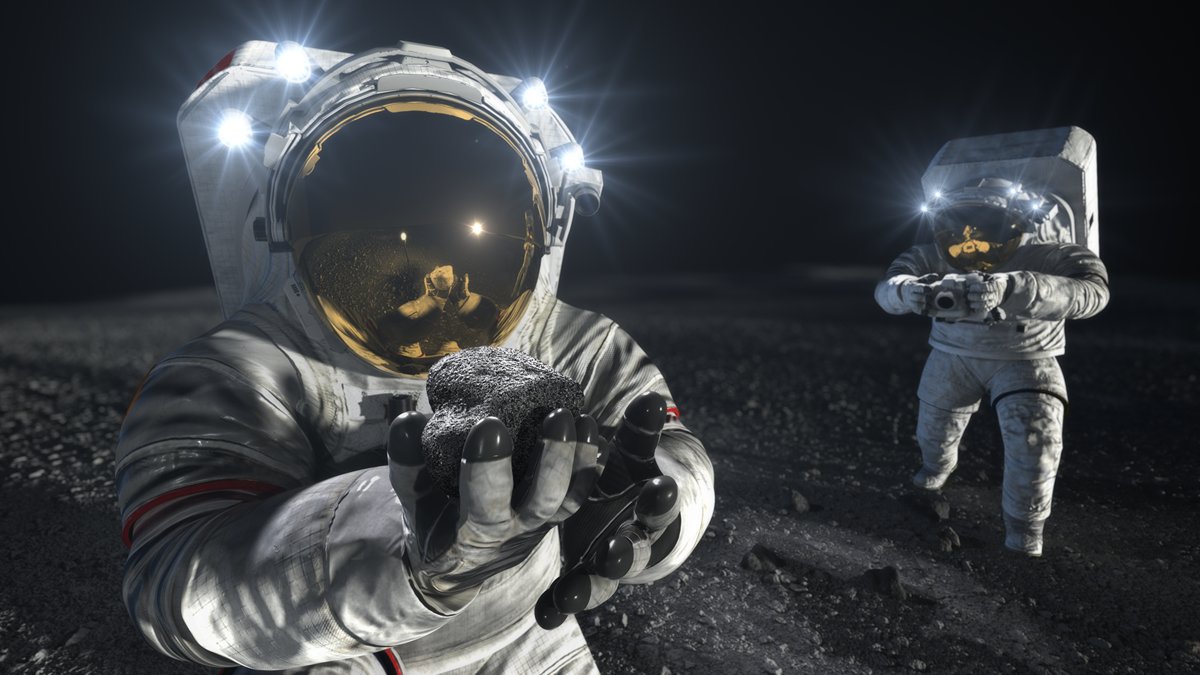
BREAKING: @NASA has selected two science instruments, designed for #Artemis IV astronauts to set up on the lunar surface, that will advance space exploration. ⬇️
🔗: https://t.co/erYQtyFTxO
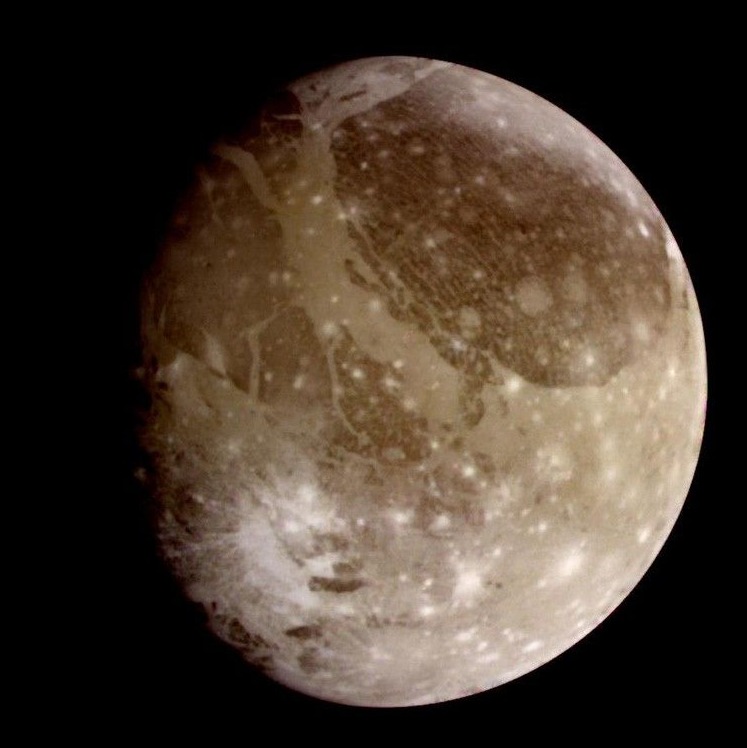
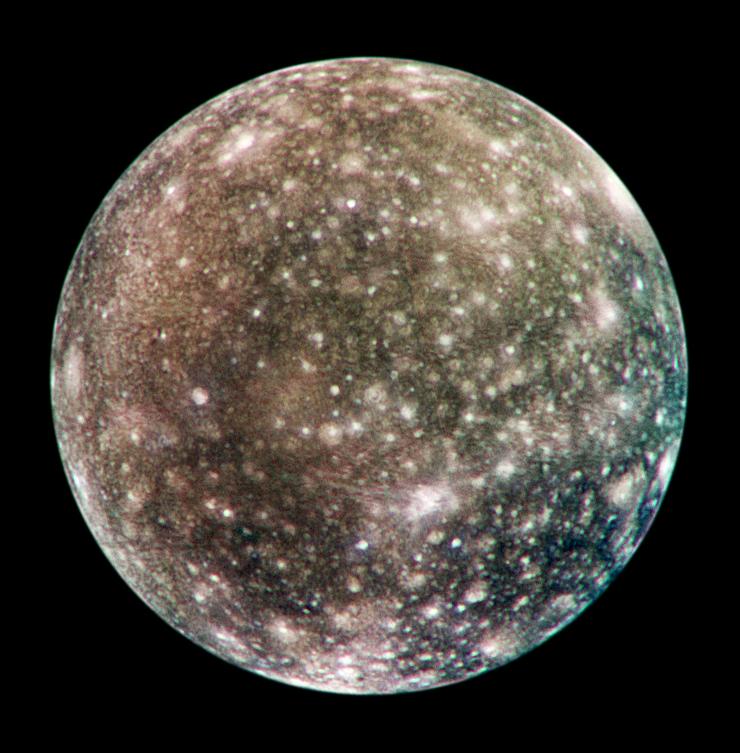
NASA's Galileo probe arrived at Jupiter, 30 years ago on Dec 7, 1995, becoming the first to orbit the planet. More than 6 years after the mission had been launched from space shuttle Atlantis, it was ready to get to work exploring the Jupiter system in detail!
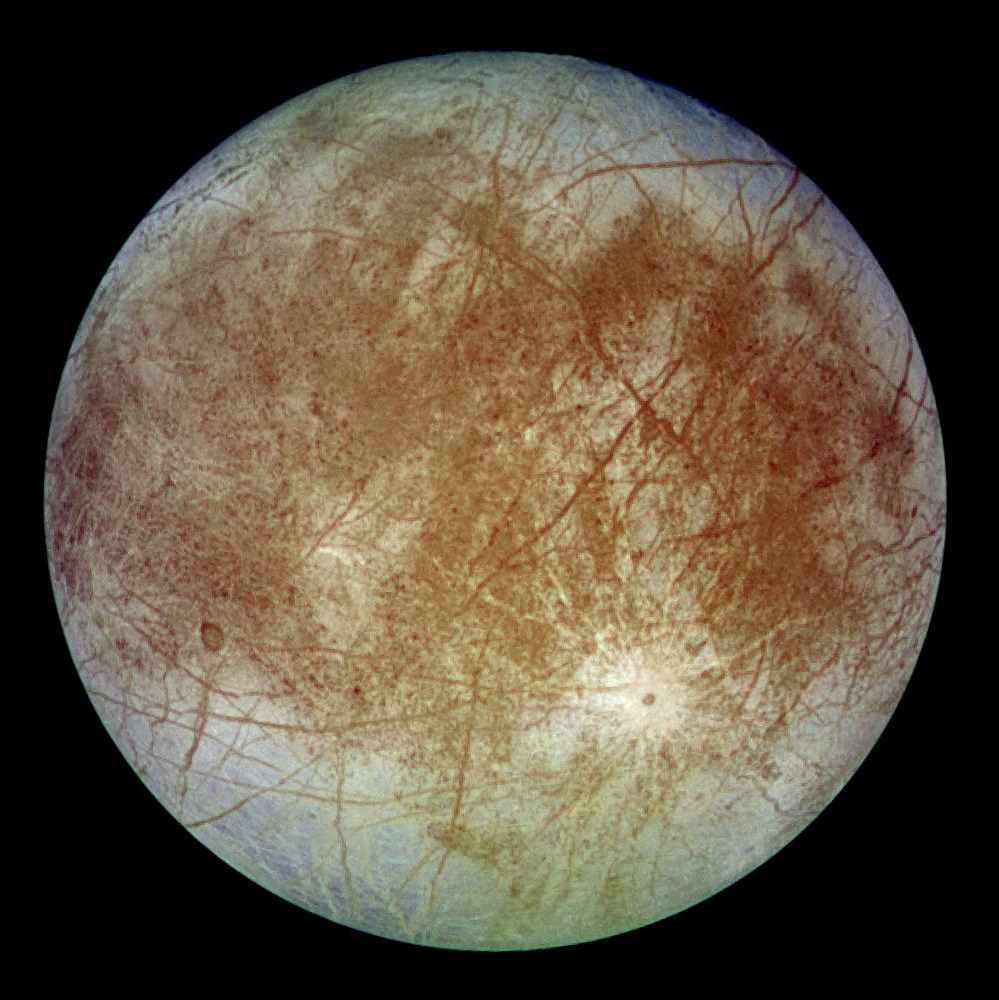
📷 Jupiter's 4 largest moons as seen by Galileo: Clockwise from top left: Io, Callisto, Europa, and Ganymede
Highlights from Galileo's mission at Jupiter: https://t.co/9Mubhe305Q
How does NASA prepare to explore the Moon, Mars and Ocean Worlds? For scientists like Bethany Theiling, it starts by venturing into Earth’s most extreme spots.
Join NASA Science Live on Dec. 10 at 3pm ET & ask your questions using #AskNASA! ➡️ https://t.co/i18F7dJvwe
A composition in light: our Cassini mission captured this view in June 2015. Foreground: sunlight illuminates one side of the icy moon Dione. Middle distance: Saturn's rings seen almost edge-on as a straight line. Background: reflected ringshine lights Saturn's night side.
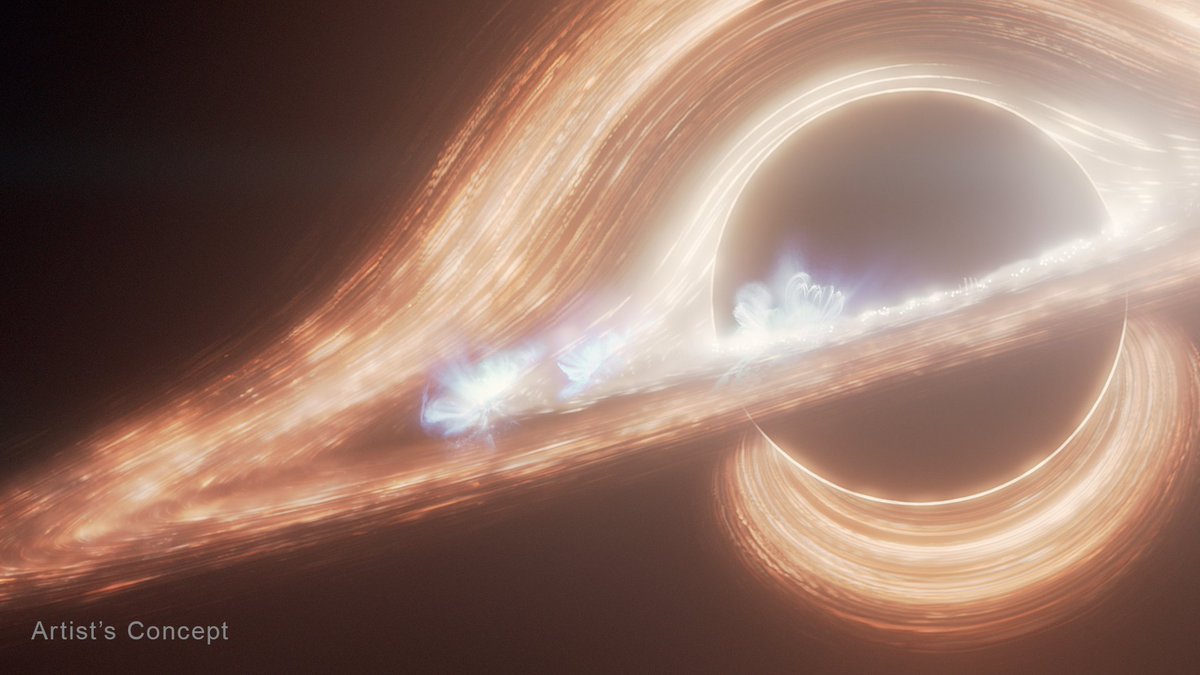
Webb’s got new insight on Sagittarius A*, the supermassive black hole at the center of our galaxy. The swirling disk of gas and dust surrounding it is more active than expected, emitting a constant but random stream of flares, from faint flickers to bright eruptions. https://t.co/rswkFaWAg3
Webb took a look at a rare type of exoplanet called an ultra-hot Neptune. Finding a planet of that size so close to its host star is like finding a snowball that hasn’t melted in a fire. It’s a peek into how planets evolve under extreme conditions. https://t.co/E0zezdZotP
BREAKING 🚨 President Trump stuns America by showing up to the First White House tour in years
Shoutout to First Lady Melania Trump for opening it back up ❤️
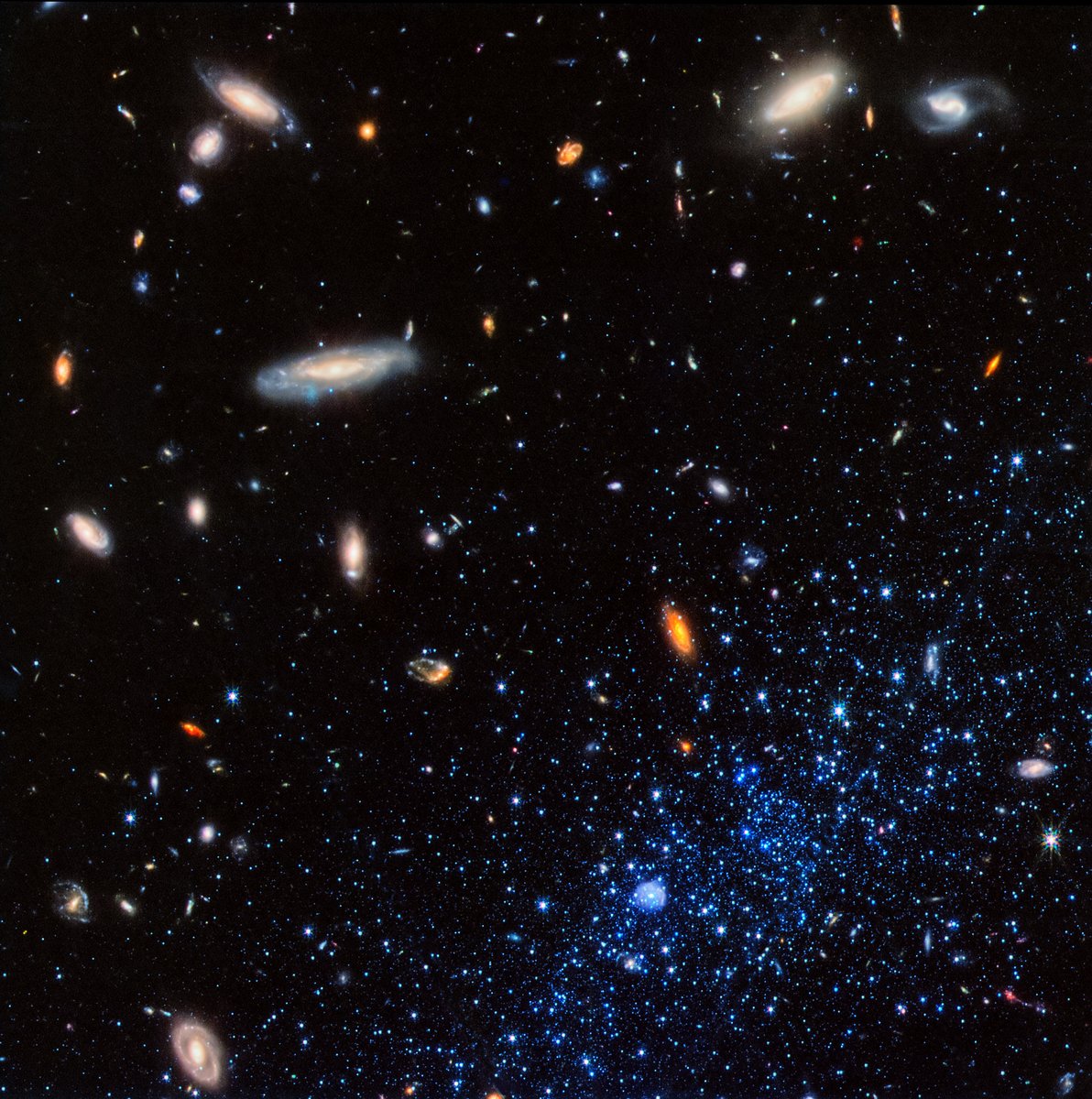
2/ This used observations of stars in a nearby galaxy which, in lacking large amounts of heavy elements, resembled the early Universe. Which galaxy was it?
Little galaxies can hold big clues
Webb took a look at Leo P, a dwarf galaxy, and its patterns of star formation. Unlike other dwarf galaxies, Leo P unusually resumed its star formation after the end of the universe’s “dark ages.” But why? https://t.co/jDsXWklJ3L
Webb’s infrared sensitivity has helped map the cooling gas that was a missing component in understanding the atypically high rate of star formation within the Phoenix galaxy cluster. https://t.co/HtbQyCe4ev
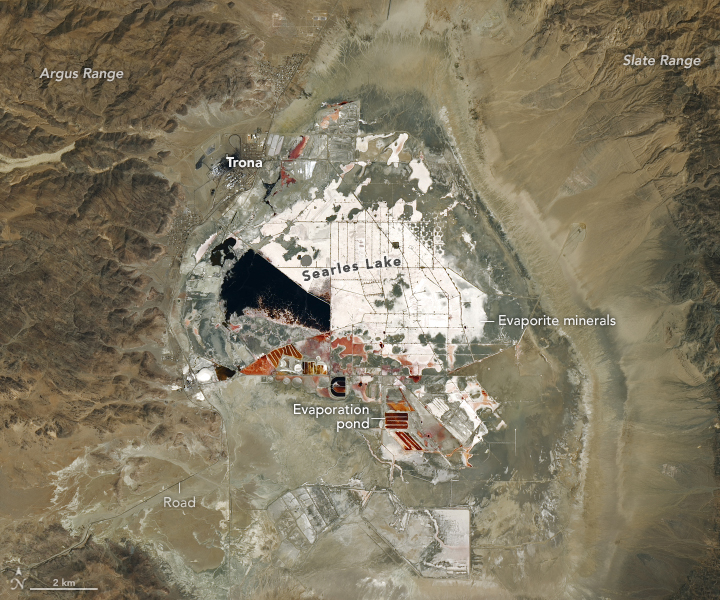
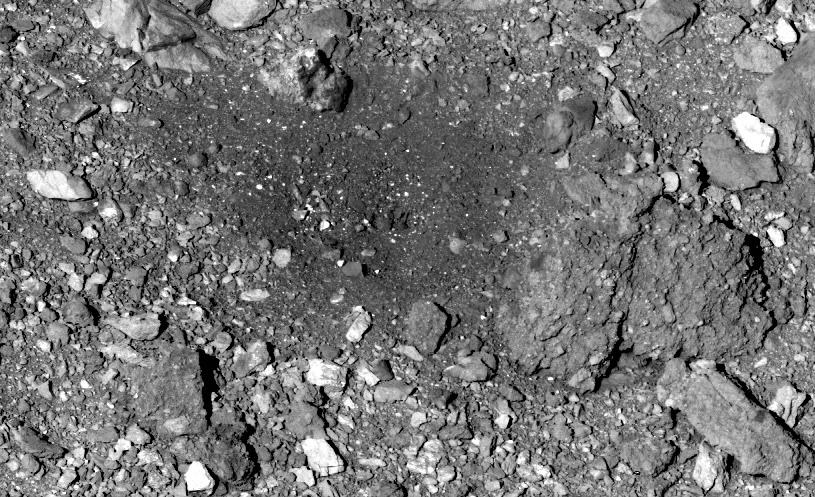
Asteroid Bennu’s parent body was likely a salty, wet environment – one surprisingly like a lakebed on Earth. @NASA scientists drew similarities between a sample collected from Bennu by the #OSIRISREx mission & minerals from Searles Lake, a dry lake in California’s Mojave Desert.
Dust in the (stellar) wind
This new Webb image shows an edge-on protoplanetary disc around a newly formed star, surrounded by jets and a disc wind, in unprecedented detail. Read more: https://t.co/tcxVh7FNHN
The Bennu samples contain amino acids — the building blocks of proteins — including 14 of the 20 that life uses to create proteins here on Earth. In addition, the samples contain all five of the nucleobases that encode genetic information in DNA and RNA.
https://t.co/HUbrXpHCFM
In 2023, we brought a sample of an asteroid called Bennu to Earth, part of a plan to study remnants of our early solar system. These grains of rock have shown that the building blocks of life and the conditions for making them existed on Bennu's parent body 4.5 billion years ago.
You put your right molecule in, you take your right molecule out, you put your sample in the centrifuge, and you shake it all about...
Amino acids — the building blocks of life — can be right or left-handed, a property known as chirality.