Takae Yamaguchi | 日本の宇宙を英語で世界へ Japan's space industry, in English. Co-founder, @SpaceWaveJapan | Ex- JAXA astronaut applicant. Ex-Hollywood. NASA Social alum
Netflix VP of Content for Asia Min Young Kim explains how plots preferences differ by region.
Traditionally, for mystery films:
▫️Western markets emphasize “who”
▫️Japan emphasizes “how”
▫️Koreans are about “why”
In romance, Korean romances tend to have happy endings while Chinese language are more sad.
Mr. Maezawa, who was set to fly around the Moon with artists aboard SpaceX Starship on the dearMoon mission, has now launched his own remarkable 114-meter vessel "Nausicaä". The engineering ambition and design (Marc Newson) look extraordinary. While we wait for Starship’s next chapters, this is a stunning Earth-side counterpart. Would love to see more of it someday!
@planet4589 Came through! The next milestone for Japan is Dec 9–10 (Dec 10 in Japan), when JAXA's Mio separates from MPO and BepiColombo becomes the first mission with two spacecraft orbiting Mercury.
Blue Origin and Google have entered into a launch services agreement for Project Suncatcher, Google’s research moonshot exploring how an interconnected network of solar-powered satellites equipped with its AI chips, Tensor Processing Units (TPUs), could scale machine learning compute in space.
https://t.co/84OZUsKBsI
Give me your best ideas for solving the Western launch crisis. Feel free to be creative, but not too unrealistic. Bonus points for a heavy lift vehicle capable of launching 25 metric tons or more to LEO.
Japan is a useful test case here. H3 is back, with three straight successes since its Dec 2025 failure, but it flew 3 times this year against a plan of about 6. MHI is aiming for 8 a year by 2028 and says growing beyond about 6 needs more people and facilities. So for the next 12 to 18 months, Japan's bottleneck is people as much as hardware.
We've heard back from Bepi - the spacecraft is now in contact with the ground and the teams at ESOC are busy assessing the telemetry. Flight Dynamics already has confirmed it achieved orbital capture around Mercury!
Early next week we'll share the next update with the upcoming steps.
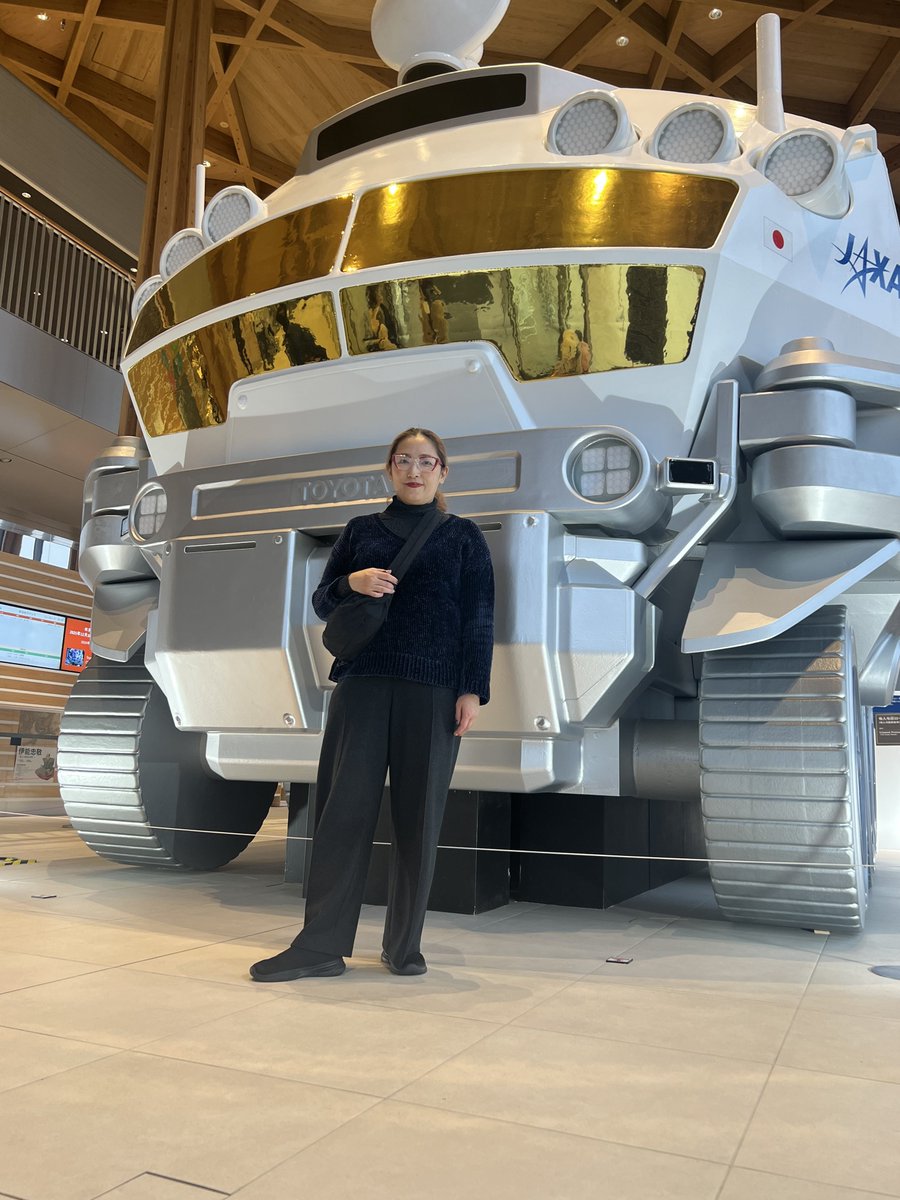
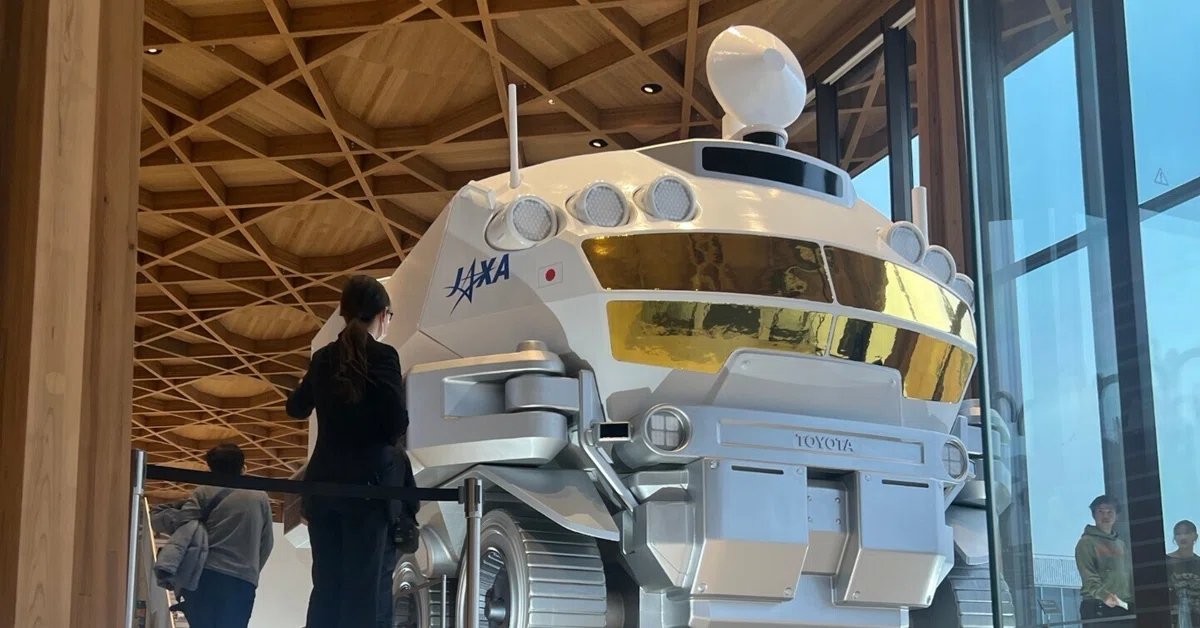
2 weeks ago, I showed President Yamakawa where we’ll launch Japan’s Pressurized Rover on its journey to the Moon. Here in Japan, I saw the rover prototype undergoing testing at ATLA and spent time with our friends at @JAXA_en’s Tsukuba Space Center, with the opportunity to speak to hundreds of JAXA employees and Japanese industry.
The rover they’re developing will give astronauts a place to live and work as they travel farther from base and explore more of the lunar surface. Thank you to President Yamakawa and the teams who took the time to walk us through their work.
@FelixSchlang@esaoperations Japan's part is the magnetic field. Mercury's field is oddly shifted north, and Mio will study it and how it meets the solar wind.
@esascience@BepiColombo A small bilingual note for arrival weekend: JAXA's orbiter is named Mio (澪), the waterway or wake that ships follow, chosen as a wish for a safe voyage. After 8 years and 9 planetary flybys, the name fits.
Now that would come in handy at the Moon Base. Japan’s secret weapon, maybe? 😄
Always loved #Evangelion and #Gundam. Isn’t it about time we made that future real? If we can imagine it, maybe one day we can build it. (AI image👇)
The next giant leap on the Moon starts with American and Japanese ingenuity. Deputy Chief of Mission Aaron Snipe joined @NASA Administrator Jared Isaacman and @JAXA_en President Hiroshi Yamakawa at Tsukuba Space Center to view a full-size replica of Japan’s pressurized lunar rover and hear how it will allow astronauts to explore the Moon. Thanks to @POTUS@realDonaldTrump’s bold leadership, 🇺🇸🤝🇯🇵 innovators are building the technologies that will power humanity’s next lunar era. 🚀🌕 @NASAAdmin@rookisaacman@NASAArtemis@TKSC_JAXA
@petefreeland Cool to hear you’re involved. The Lunar Cruiser concept is fascinating, especially as a mobile base. What’s your part in the work with Toyota?
NASA’s chief called Japan’s lunar rover a “mobile base.” What about the hardware Japan was building for Gateway?
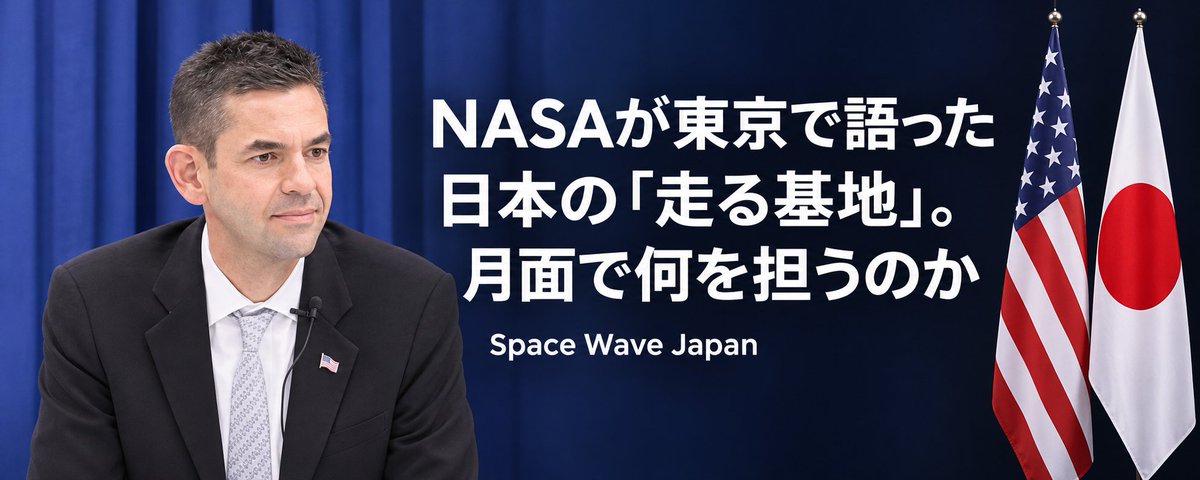
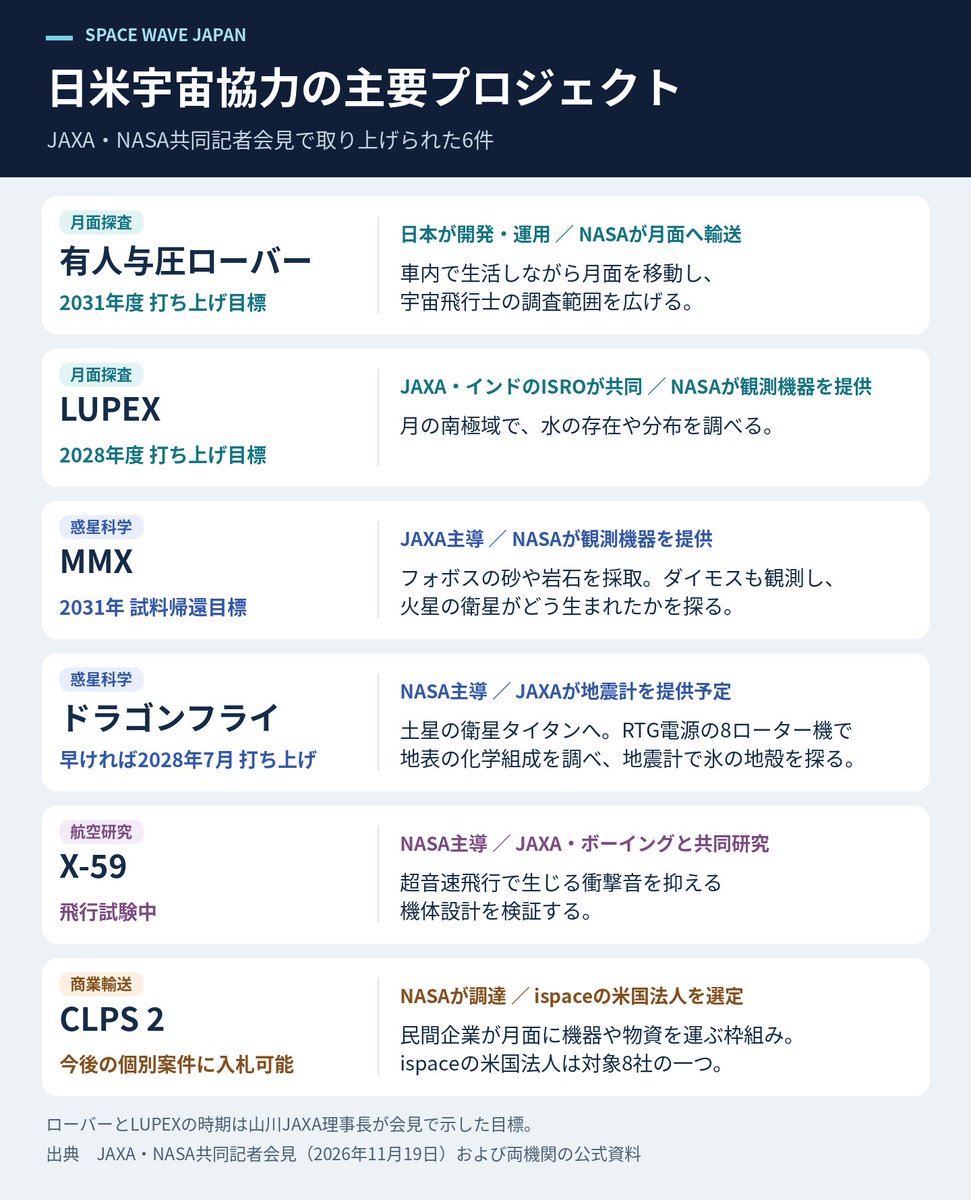
At the Nov. 19 press conference in Tokyo, NASA Administrator Jared Isaacman described how Japan’s pressurized rover would let astronauts travel farther and stay out longer on the Moon.
When asked whether Japan’s Gateway life-support systems and batteries could be used on the lunar surface, JAXA President Hiroshi Yamakawa said talks were still underway. Neither agency said which hardware or technologies might carry over.
Japan’s science ministry has already requested FY2027 funding for lunar exploration, including the rover. When the Cabinet releases its draft budget in December, I’ll look at how much it proposes for that work and whether it gives any clues about where Japan’s Gateway technology could end up.
It was fun walking into the full-scale Kibo module of the International Space Station there at the Dome. Kibo is Japan's own science lab on the ISS, and standing inside the model gives you a real feel for how much room astronauts have to work in. Outside, you can see its robotic arm and the exposed platform where experiments sit out in open space. If you're ever near Tsukuba (like Tokyo), it's worth the trip, and it's free.