“There is no better investment than one that saves lives, supports local economies and drives America’s global leadership in biomedical innovation." https://t.co/r3Mts38l0f
Congratulations to Karl, Peter, and Georg! Another great example of how basic research - in this case, understanding how an algal cell responds to light - can have an enormous impact on our understanding of something as complex as the brain.
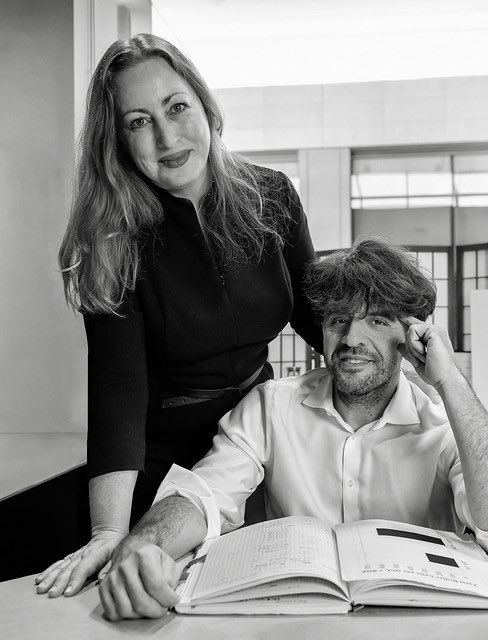
Ok. I’ve spent a whole day celebrating Karl Deisseroth’s very deserved Nobel (with every other brain enthusiast!). Now let’s talk about the brilliance of Dr. Michelle Monje, his wife.
A Stanford physician, neuroscientist and recipient of a MacArthur Genius grant, Michelle has helped pioneer cancer neuroscience, revealing how brain activity can fuel tumor growth and opening new possibilities for treatment.
And I say all this because I’ve been lucky to see her work firsthand and have been awe struck since the moment I met her. What makes Michelle extraordinary is the combination of scientific brilliance and her absolute unwavering commitment to children with devastating brain cancers. She is pushing the science forward because those children and their families cannot afford to wait.
Everybody deserves to know @michelle_monje.
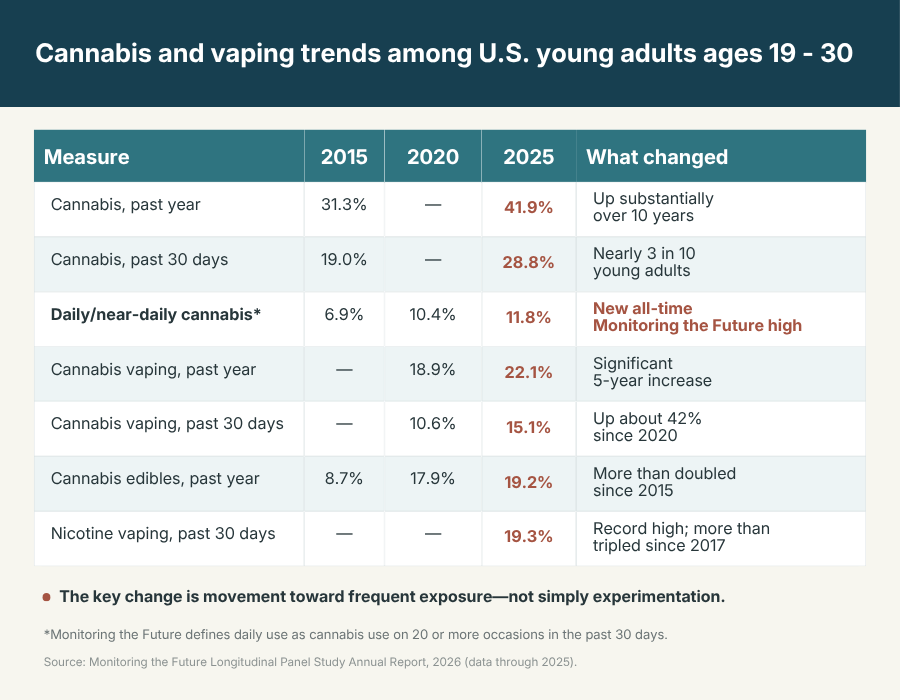
In 2025, nearly 1 in 8 young adults reported daily cannabis use.
When paired with highly potent products and a brain that is still developing, the cognitive risks of this record-high use are especially troubling 🧠
Read more here: https://t.co/sLQMTqRQeV
Theres confusion why hitting a 35-year record for measles is a bad thing. To be clear, 2,318 cases means:
-545 hospitalized
-12,300 school days missed
-Lose immunity to other viruses
-2 kids w permanent hearing loss
-1 kid will die in 10 years from brain disease
-$204m costs
How science works according to Nobel Prize winner Thomas Südhof:
Very often, politicians think that you can tell scientists what they’re supposed to discover. You can’t! Scientists don’t know what they are going to discover. They have to try things. They have to have curiosity and ideas, but they also have to have the knowledge to try things. Very often, it leads to nothing; it’s a waste. But we didn’t know when we started it’s a waste. But when something does work. When something clicks, it is exciting and rewarding but it’s never just one click. You get a result on it, you’re hopeful, you build on it. Maybe it’s confirmed you’re even more hopeful. So it’s an incremental process. It is never one thing - boom we discovered a major thing, my god this is it. It is more like walking up a flight of stairs where each step counts and the higher up the stairs you go the better you can see what’s on top and become excited about what’s there and how you can use.
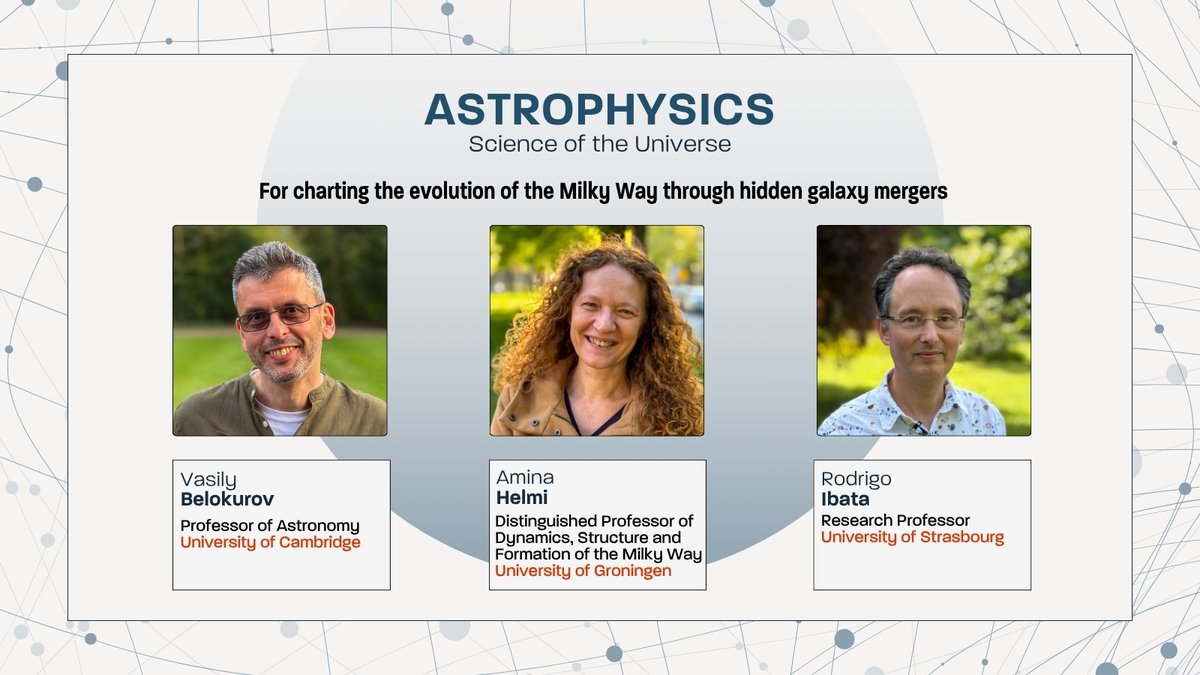
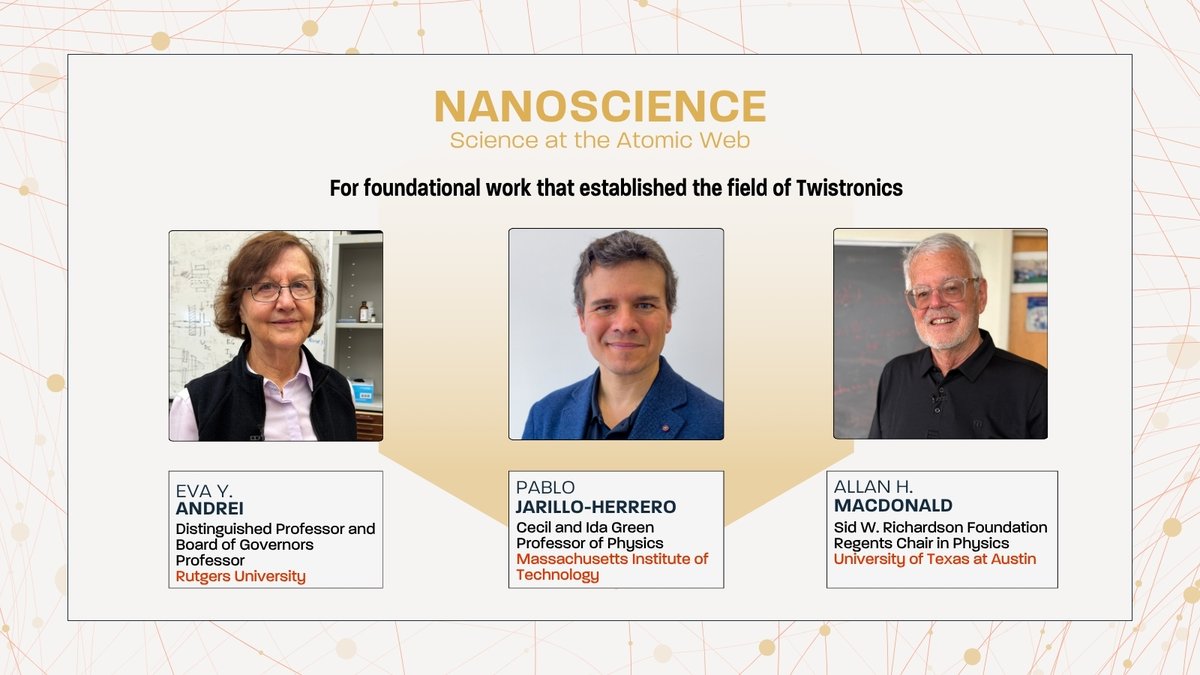
We're thrilled to announce the 2026 #KavliPrize Laureates, scientists pushing boundaries of what humanity knows in #astrophysics#nanoscience#neuroscience. They have revealed new chapters in the story of our universe, the smallest materials, and how the brain works. 1/2
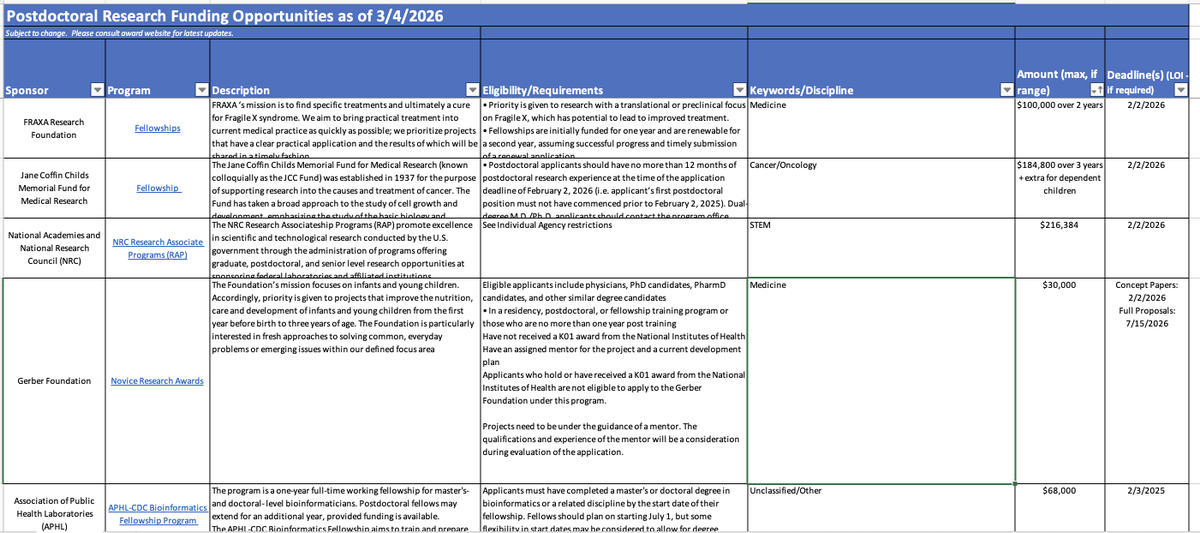
Download our extended database of postdoc fellowships.
276 funding opportunities. For each entry, we provide eligibility/requirements, amount, deadline, link, description, etc.
Download our database here: https://t.co/EbTahdzbkp
RSA members: Want to learn how to advocate for alcohol research?
Join the @RSAposts Advocacy Committee next Wednesday for a webinar on how Congress, federal agencies, and YOU shape research policy.
Your voice has impact. Come learn how to use it!
Current research continues to emphasize that adolescents should not be consuming #cannabis and need to be better educated about its health impacts 🧠
Read more about the mental and physical effects of cannabis use on the brain ⬇️ https://t.co/HUvGWHuThC
Our piece arguing that all scientists need to engage with the public if we are to turn back the anti-science tide is out in NatNeuro today: https://t.co/v8CTcHd3T0; @MichaelLouisPl1@aaronbatista KatiGothard, KarenParker, @doristsao@zivwilliamslab
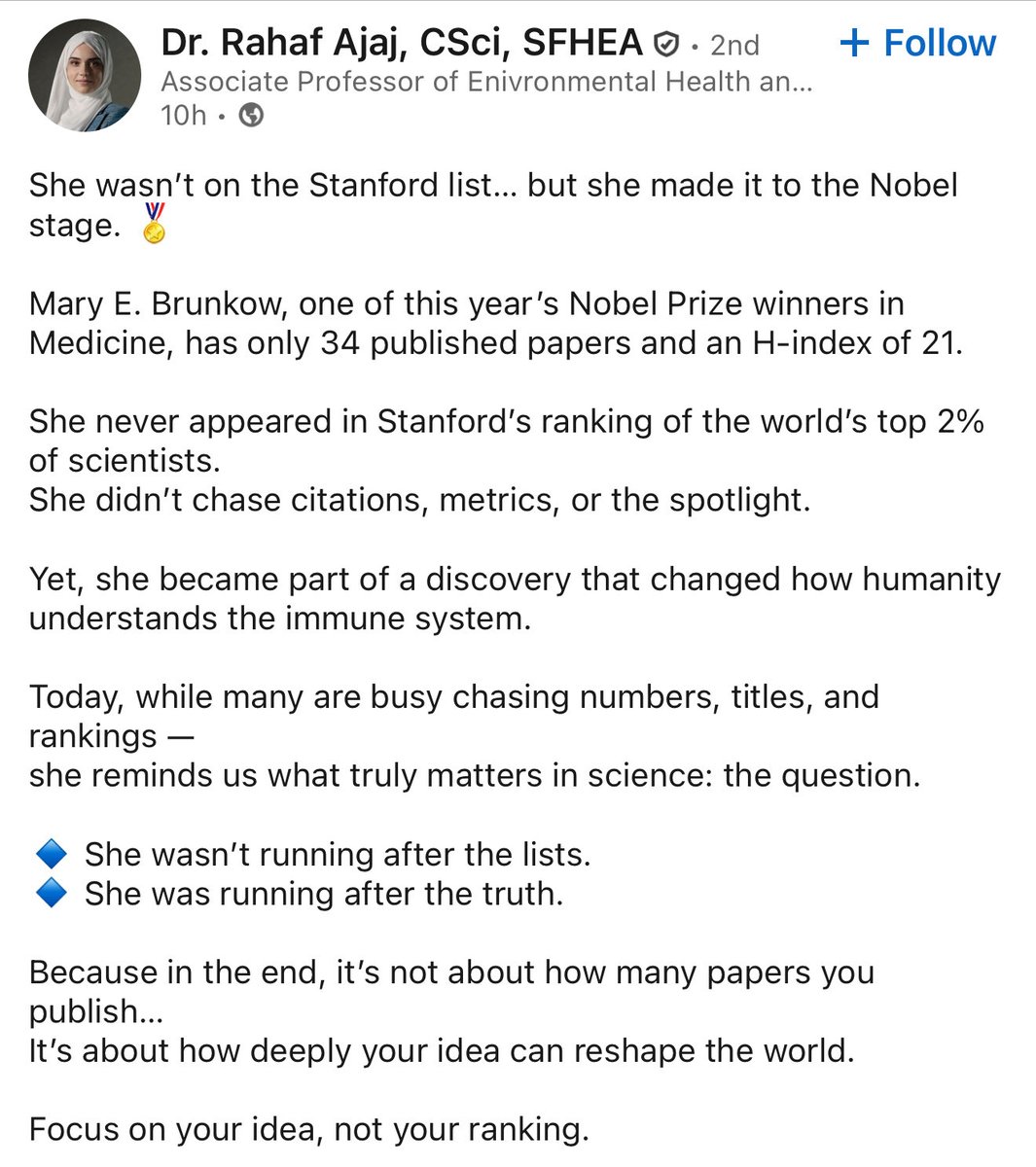
✅✅ A reminder by Dr. Rahaf Ajaj:
She wasn’t on the Stanford list… but she made it to the Nobel stage. 🏅
Mary E. Brunkow, one of this year’s Nobel Prize winners in Medicine, has only 34 published papers and an H-index of 21.
She never appeared in Stanford’s ranking of the world’s top 2% of scientists.
She didn’t chase citations, metrics, or the spotlight.
Yet, she became part of a discovery that changed how humanity understands the immune system.
Today, while many are busy chasing numbers, titles, and rankings —
she reminds us what truly matters in science: the question.
🔹 She wasn’t running after the lists.
🔹 She was running after the truth.
Because in the end, it’s not about how many papers you publish…
It’s about how deeply your idea can reshape the world.
Focus on your idea, not your ranking.
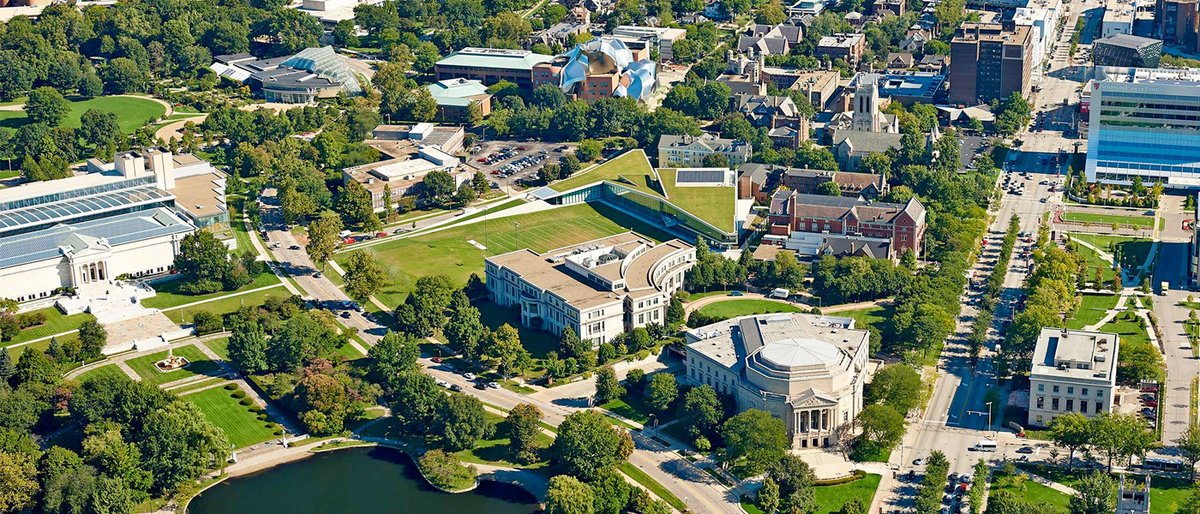
My department at Case Western Reserve is recruiting an Assistant / Associate Professor of Neurosciences - come be our colleague!
https://t.co/CUlxYILbMj
Microglia feet are highly dynamic and can be in contact with dense networks of axons.
In this video by our #ElectronMicroscopy team using MICrONS data, a microglia (purple) contacts with an excitatory pyramidal neuron (gold). Slowly the axons under the feet are revealed.