centromeres, we build 'em. chromosomes, we break 'em. repetitive DNA's not junk to us. we're basic researchers answering fundamental questions in human biology.
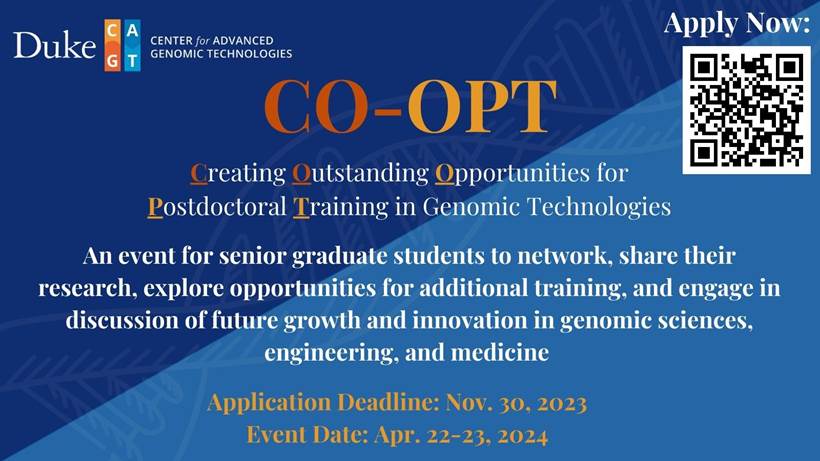
Creating Outstanding Opportunities for Postdoctoral Trainees (CO-OPT) in Genomic Technologies invites prospective postdoctoral fellows to visit @DukeU. Present your research, explore research opportunities in @DukeCAGT, & network with new colleagues! https://t.co/3X1974FbLU
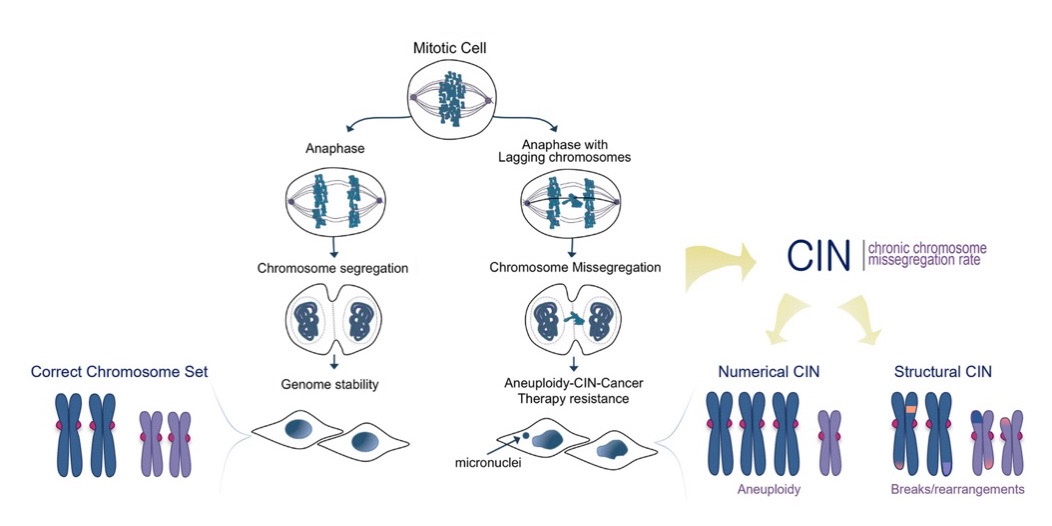
Glad to see our review on Chromosomal Instability (CIN) in cancer out today as part of a special issue guest edited by @SteSantaguida#ChromosomeResearch
It was a pleasure to contribute! @MayoUrology@MayoClinic
https://t.co/B3F5dgGwUT
Just received NOA for renewal of our human centromere R01 grant. We are extremely grateful to @NIGMS, U.S. taxpayers, and study section reviewers for their support of our research. 🧬 🔬🥼
Celebrating Mendel, McClintock, and Darlington: On end-to-end chromosome fusions and nested chromosome fusions - Martin A Lysak @CEITEC_Brno@MasarykUni#PlantSci https://t.co/cbBNq8VhTI
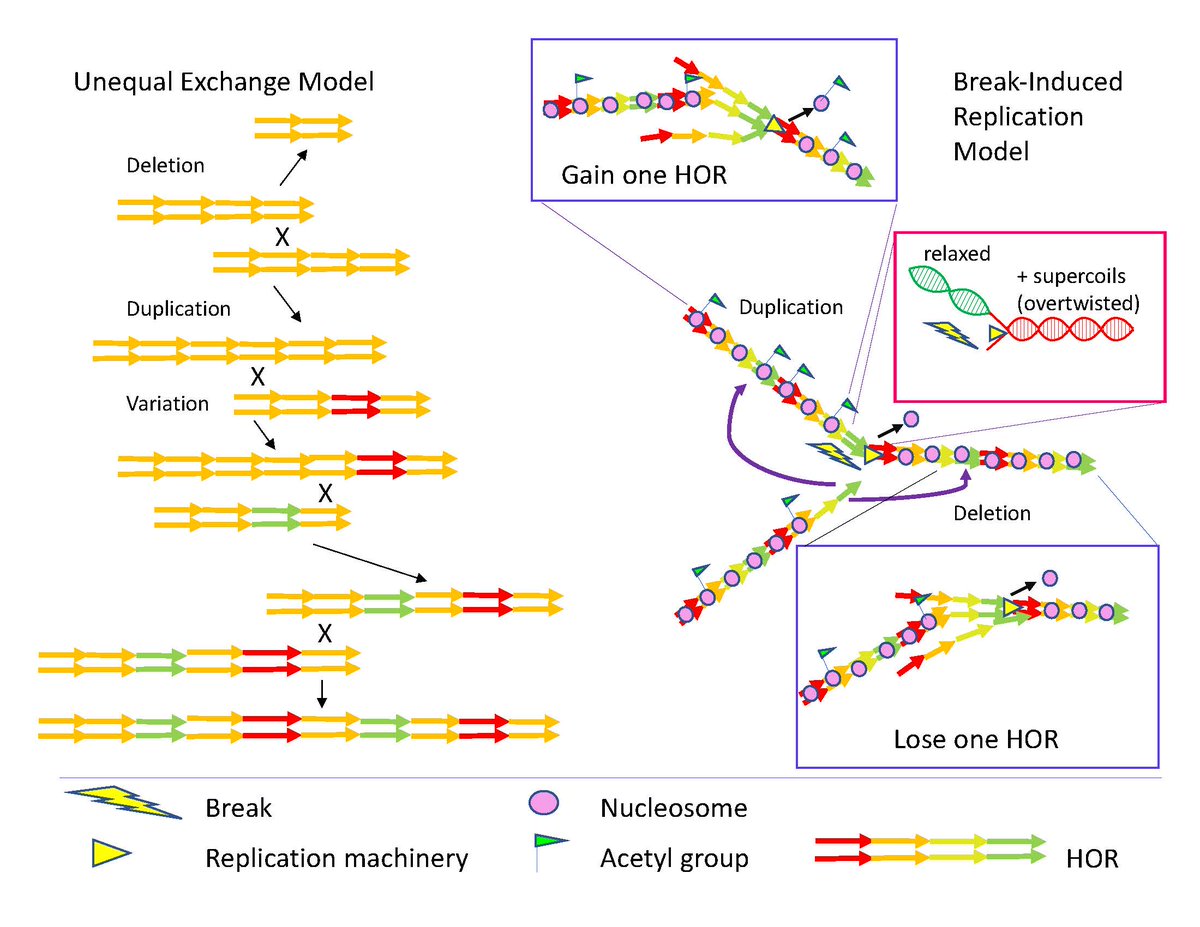
Centromeres have been difficult to analyze because they comprise highly repeated DNA. Long-read sequencing has made it possible to study their structure and evolution. Read more in this Perspective by Steven Henikoff @fredhutch@genomeresearch https://t.co/5IiXwBuvil #T2T
🎉BIG NEWS! 🎉
We've FULLY SEQUENCED the HUMAN GENOME! 🧬
This breakthrough achievement could lead to HUGE advances in medicine and research. Thanks to UCSC's @khmiga & @genome_gov 's @aphillippy for leading the #T2T team through this monumental effort!
https://t.co/InD53TpHUu
A fully sequenced human genome was announced more than 20 years ago. @ScienceMagazine, @genomeresearch, and others report on the efforts of the Telomere-to-Telomere (#T2T) Consortium to complete a comprehensive human reference genome. https://t.co/OLgVJcLlw2
"...it was a big revelation that it wasn’t just a bunch of genes strung out along the chromosome, that there were these big deserts in between genes." #SN100 https://t.co/w0HliSJPFN
Sad to hear of the passing of Haig Kazazian, a giant in the field of human genetics. After identifying a LINE1 insertion causing hemophilia, his lab trail-blazed 30+ yrs of key discoveries on human transposons. An amazing career he narrated here:
https://t.co/acX9OAFnzI
New in Science: Researchers introduce “Giraffe,” an open-source short-read mapping algorithm for human pangenomes that can map sequencing reads to thousands of human genomes at a speed similar to that of standard methods. https://t.co/podbIlWbyr
Apply now! Stanford Biochemistry is searching for new faculty at the Assistant or Associate level. Great environment, colleagues and support in a fabulous place! See here for details and apply https://t.co/v79wAkeQ4E. Please RT. @StanfordBiochem@StanfordMed
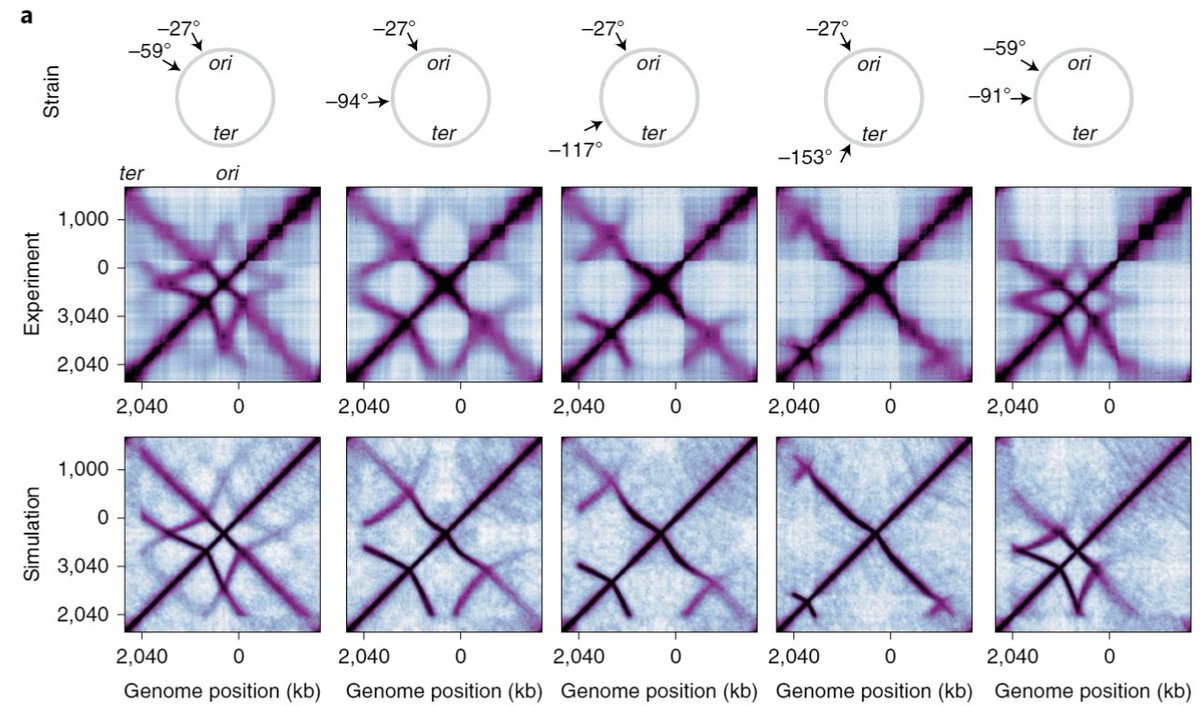
What happens when DNA-loop-extruding SMCs collide with one another in a living cell?
Our article on SMC complexes bypassing one another in vivo is out @NatureSMB, in
a wonderful collaboration with Xindan Wang, @leonidmirny, Warren Ren and @Xciencepig. https://t.co/DvLCiwhJSJ