"I like to deal with people where I feel a one-page contract will do the job. If I have to have 50 pages in there to protect me against the guy I'm dealing with, I'll always wonder whether I needed 51." – Warren Buffett
UPDATE: The owner of the #SouthPlainfield Party City says his store will remain open despite the company announcing it would close all locations. https://t.co/dFQBbw8QXq
Our PERFECT trial finally out in @TheLancet !
Pragmatic Nordic 🇫🇮🇳🇴 multicenter RCT comparing appendectomy within 24h versus 8h.
1803 patients!
No difference in rate of perforated appendicitis (9% vs 8%).
👉 Allows to postpone appendectomy to daytime.
https://t.co/AK77BsrTtG
The best instructors do two things simultaneously when they teach. They come to the table with incredible expertise. But they also flip back and forth from the position of expert to the position of novice, as if they are learning it for the first time.
Almost all doctors think they pay too much in tax, and most of them are right.
There are 3 tax deductions that generally outpace the others for physicians.
If you would like to pay less in tax, be aware of all of these and maximize them as much as possible.
1. Tax-Deferred Retirement Accounts
These come in a wide variety of flavors including 401(k), 403(b), 457(b), 401(a), defined benefit/cash balance plans, solo 401(k), SIMPLE IRA, SEP-IRA, and even traditional IRA.
You get an up-front tax deduction, and that money grows in a tax-protected way, meaning you do not have to pay any taxes on dividends or capital gains as you invest in the account between contribution and withdrawal.
2. Health Care Expenses
If you are an independent contractor or partner, you can deduct the entire cost of your health insurance premiums. If you use an HDHP, contribute to a Health Savings Account and the money grows tax-protected, just like your 401(k), and as long as it is spent on health care (including Medicare premiums), it comes out completely tax-free.
3. Standard Deduction
You don’t have to do a thing to get it. So, if you are married and make $300,000, you don’t pay taxes on the last $25,900 of that income, saving you $6,216 in taxes.
It’s possible you have enough itemized deductions to save even more. The three main itemized deductions are state income and property taxes up to $10,000 total, charitable contributions, and mortgage interest.
Are you going to come out ahead financially paying state income taxes, giving lots of money away, and buying a fancy house?
Of course not.
But if you’re going to do those things anyway, you might as well get a tax break for it.
Are you maximizing these three deductions?
Starting in the 2024-2025 residency application cycle, OBGYN applicants will no longer be using ERAS to apply to residency and will instead be using a more efficient and less expensive application platform. #MedEd#residency#obgyn
How much do hospitals receive from the government to train residents?
It depends. There are multiple funding streams and the formulae are complicated.
But here, a consulting firm did the math...
…and estimated that, in 2019, the average Medicare subsidy was $145,435/resident.
Oh you’re going to a teaching hospital in July? Well get ready…
for the most compassionate care from extremely empathetic interns along with their vigilant supervising attendings. Hope you like open ended questions and doctors listening to you bc you’re gonna drown in it.
Please add to this list of contentious online health discussions (in no particular order):
Vaccines (esp. Covid)
Autism
EMFs
SSRIs
Ice Baths
Whether apparent physical health of a MD/scientist is relevant
Addiction as a Disease
Sunscreen
Seed Oils
Oral Contraceptives
…
1/28
You are the resident on CICU. A patient arrives with an intra-aortic balloon pump (IABP). What is it? How does it work? How do you troubleshoot?
It's ⏰ for a @CardioNerds tweetorial!
AKA things I've gotten wrong on rounds so you don't have to.
First up: the basics
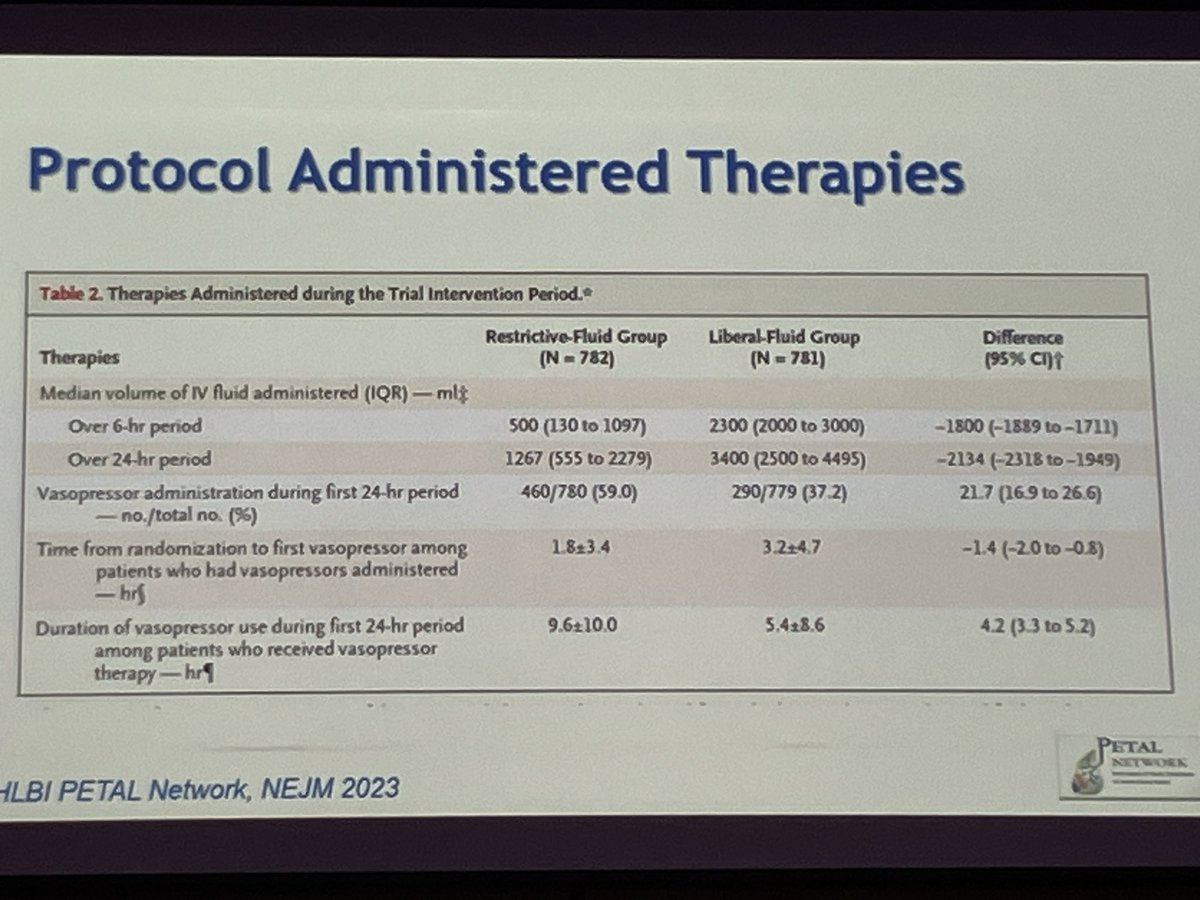
Restrictive fluid management in sepsis
#CLOVERStrial@com543
Clear separation in terms of the fluid volume administered
No significant differences in the primary outcome (all-cause mortality before discharge home by day 90)
🔗https://t.co/DFt9DBMh1n
#CCR23
Probably not only for new residents and students, a great review that you don’t find easily in books.
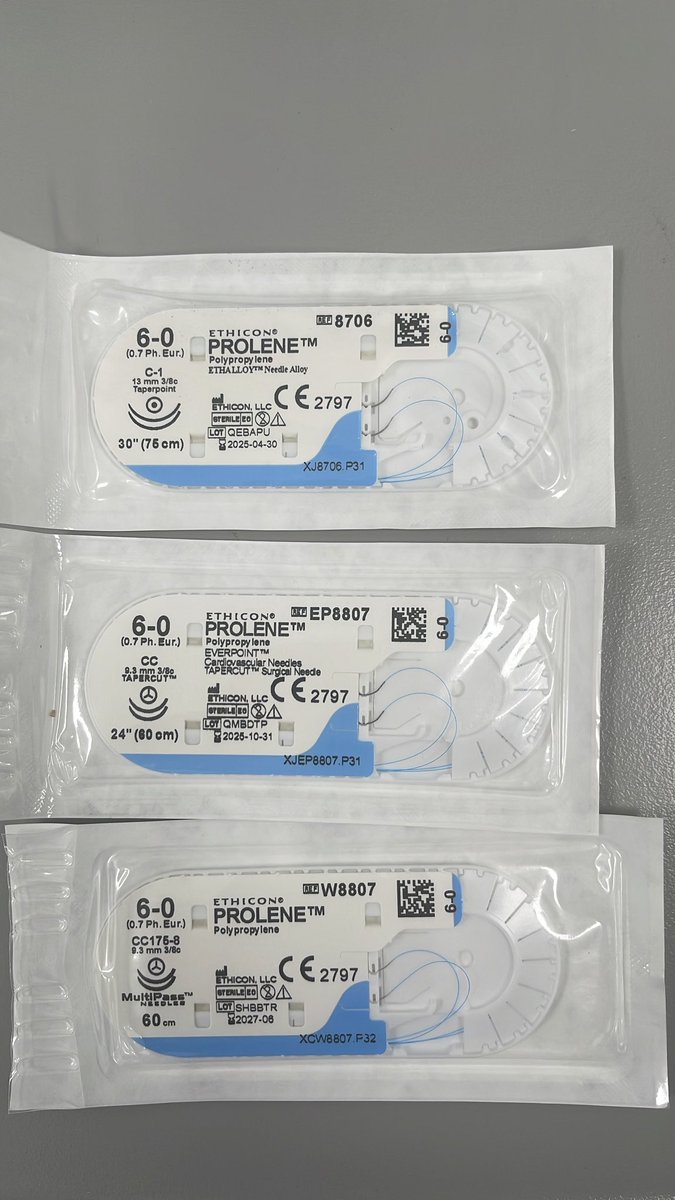
a scrub nurse can give you a hard time asking about all the details of the suture you ask for, you ask for 6.0 or 7.0 prolene followed by the needle size and type (at least)
👌🏻