In this review, Mohammad-Reza Ghovanloo & Stephen G. Waxman (@NeurologyYale) provide a framework for understanding the nuanced role of #Nav channels in health and disease ✍️ 🔬
Read it here 👇️
🔗 https://t.co/0zifSWxvtR
Seeking relief: A new Yale study suggests that a class of molecules found in cannabis offers great potential for treating chronic pain — without the drug’s mind-altering effects or the addictive potential of opioids: https://t.co/3A8k91CEHS #Yale
#Cannabinoids like CBG, CBD, and CBN show potential for pain relief by inhibiting Nav1.8 protein activity, offering a promising alternative to opioids without the associated risks. @yale@PNASNews https://t.co/8T9DUylLos https://t.co/Csz1ji7c7I
Chemicals found in cannabis show promise for treating chronic pain, a new Yale study shows, and may present an alternative to opioids. https://t.co/w6lq2IrUd5
Excited to share our latest work, now out in @CellReports.
1/ We show that the inflammatory cytokine, TNF-a, can drive pro-nociceptive Nav1.7 channels to neuronal membranes and acutely increase sensory neuronal excitability.
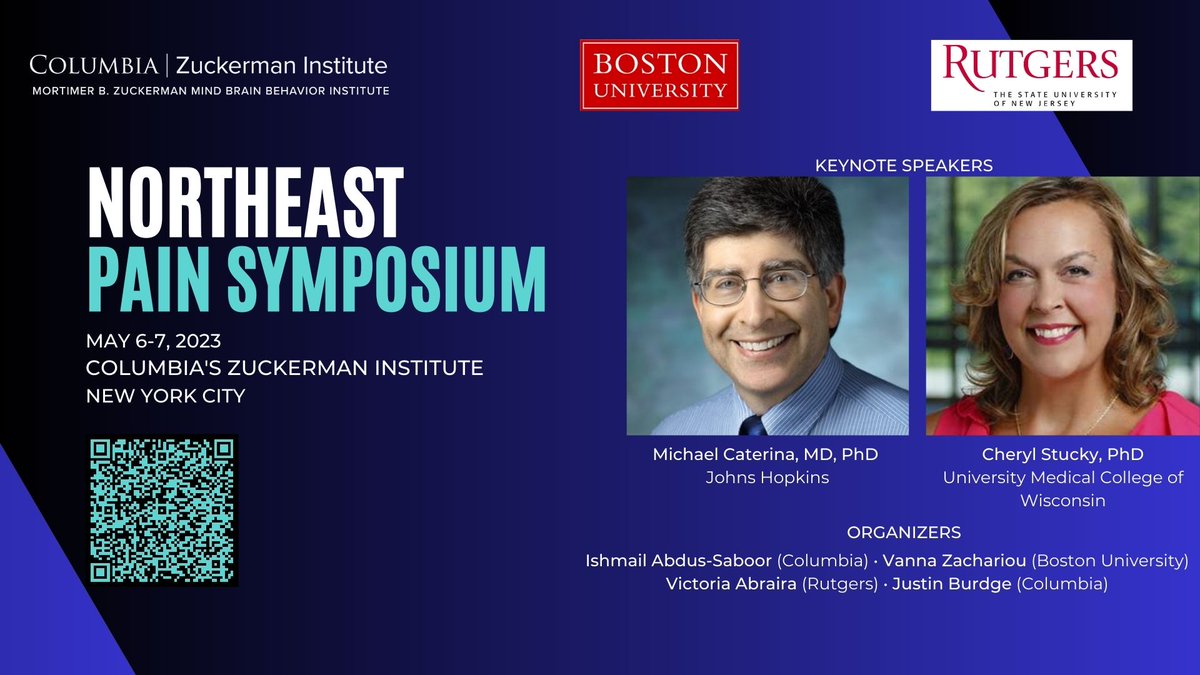
A reminder to join me and fellow organizers @VannaZachariou@VAbraira@justin_burdge in NYC for the 1st annual Northeast Pain Symposium. Amazing set of keynotes and all 10-15min talks will be given by grad students and postdocs.
Please register here:
https://t.co/uxxkY1OvYY