We mapped 3D chromosome organization during normal human B-cell development and in pediatric B-ALL. Our study shows that leukemia subtypes acquire distinct 3D genome architectures that help activate oncogenic transcriptional programs. In ETV6::RUNX1 B-ALL, altered chromatin interactions converge on ERG, linking nuclear organization to leukemia cell survival and impaired differentiation. These findings highlight 3D genome remodeling as a key layer of leukemia biology and a potential source of new therapeutic vulnerabilities.
Exciting breakthrough technology from the lab, now live in @CellCellPress ! Instead of cutting the genome where proteins bind (e.g., Cut&Tag), D&D-seq scars the DNA with a deaminase, allowing single cell genome mapping of TFs and chromatin remodellers!
A holy grail for our lab has been tracking myeloid cells in human tumors in the same way that we track T and B cells with TCR/BCR.
@vincentzliu and @CalebLareau solved it!
We developed Mitotrek using scATAC-seq + mitochondrial DNA to do exactly this. Using Mitotrek, we find that new myeloid cells clones constantly infiltrate the tumor via circulating monocytes — and that their macrophage or dendritic cell fate is epigenetically programmed before tumor entry.
@10xGenomics@parkerici@CancerResearch@TheMarkFdn
https://t.co/Y37qbyw3F5
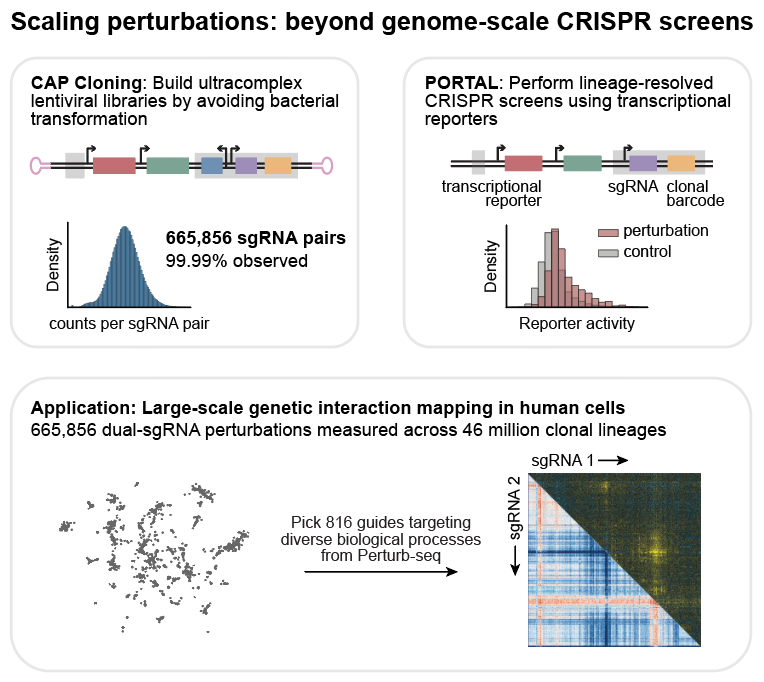
New preprint on technologies to scale up CRISPR screens.
We use them to map 665,856 pairwise genetic perturbations and outline a path to comprehensive interaction mapping in human cells.
We also introduce an approach for cloning lentiviral libraries with billions of elements.
Great to see it finally out!
"Mass spectrometry–based profiling of single-cell histone post-translational modifications"
Huge congratulations to @SimoneSidoli@cutleraging and co-authors!
Epigenetics Update – Investigation of a global mouse methylome atlas reveals subtype-specific copy number alterations in pediatric cancer models https://t.co/y045t3VuA8
#Epigenetic#DNAm#Cancer
---
Gain deeper insights at https://t.co/WmSYDGXnzb
Epigenetics Review - Epigenetic editing: from concept to clinic https://t.co/uRozZW2eEX
Marianne G. Rots (University of Groningen) reporting in Nat Rev Drug Disc
#Epigenetics#Review#EpigeneticEditing
---
Gain deeper insights into gene regulation; https://t.co/WmSYDGWPJD
Epigenetics Update - Addressing the specific roles of histone modifications in transcriptional repression https://t.co/iyllpZuHpG
Kristian Helin reporting in Nat Commun
#Epigenetics#HisMods#Chromatin
---
Discover the breakthrough at https://t.co/WmSYDGXnzb
First-born twins have a higher risk of acute leukemia, but concordance between twins is rare, says a new California twin cohort study. Epigenetics may explain birth order differences.
https://t.co/MdzquMRnaH
Interesting: ChIP-Seq is biased in favor of gene promoters and against intergenic Regions. CUT&Tag identifies H3K9me3 at young repetitive elements undetectable by ChIP-Seq.
https://t.co/04UB7z1NSM
Epigenetics Update - A subset of transposable elements as mechano-response enhancer elements in controlling human embryonic stem cell fate https://t.co/q7KLWJta5j
#Epigenetics#StemCells
---
High-res insights without cell sorting; https://t.co/WmSYDGXnzb
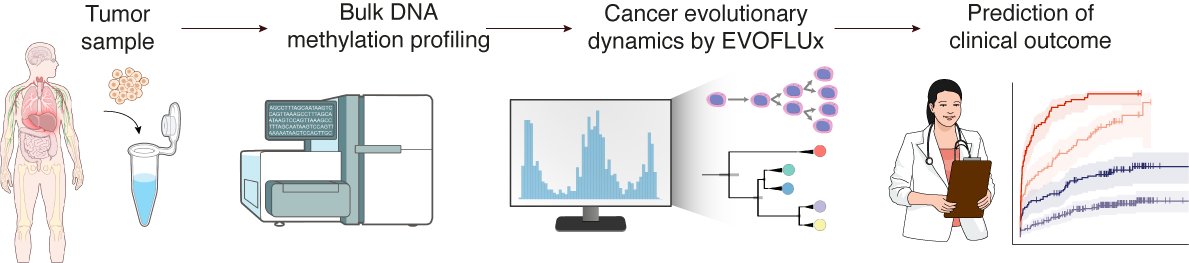
Cancer is an evolutionary disease, but does knowing a cancer’s evolutionary past help predict its future? Out today in @Nature, we learnt the evolution of 2000 lymphoid cancers and found it was highly correlated with clinical outcomes! (1/7, link below)
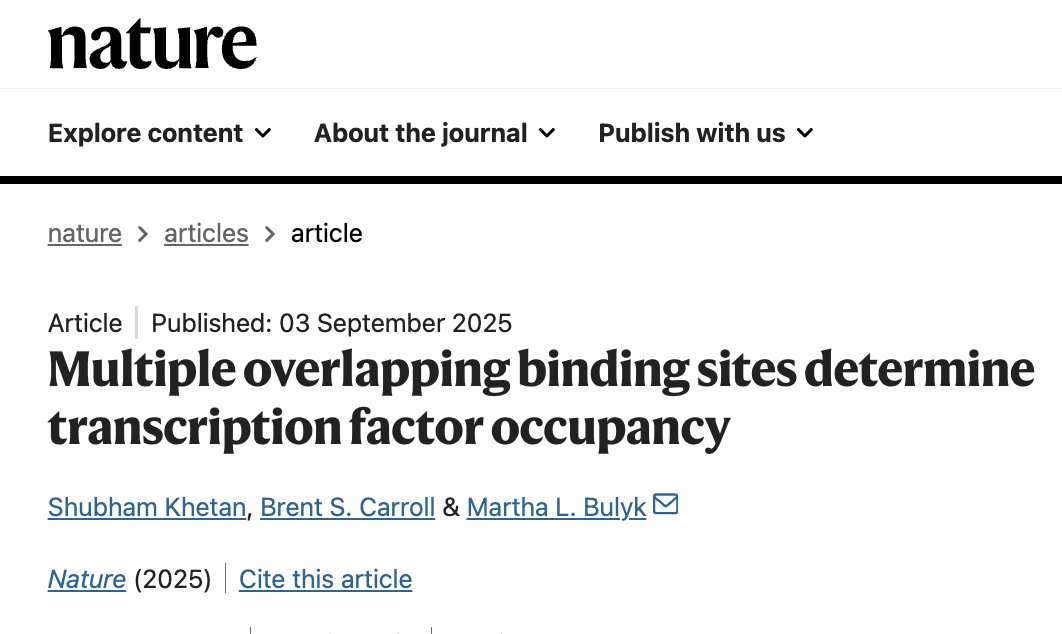
This article suggests that TF binding is determined by the sum of multiple, overlapping binding sites.
Thus, competition between paralogous TFs for shared high-affinity binding sites may be influences by flanking nucleotides from overlapping, lower-affinity binding sites.
🧵
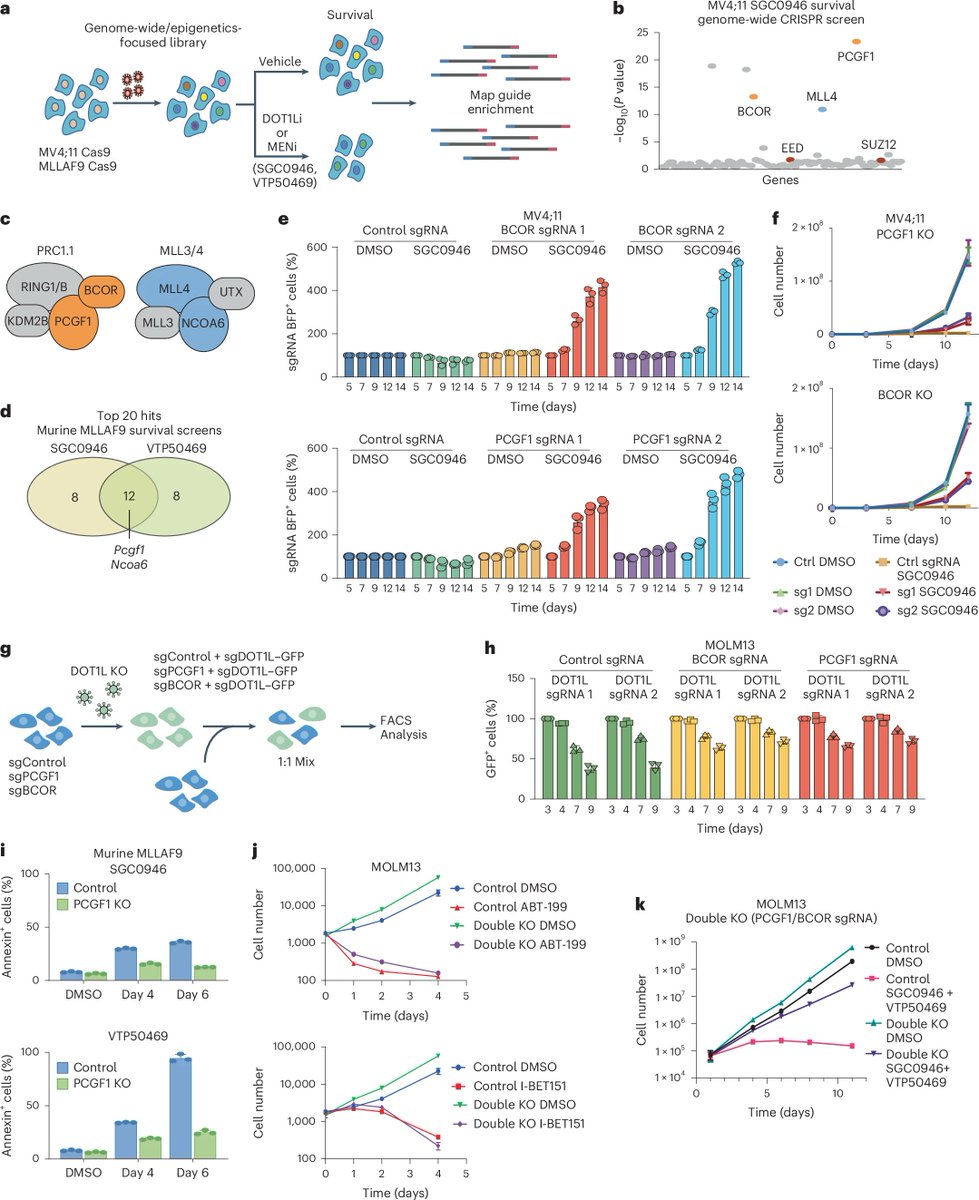
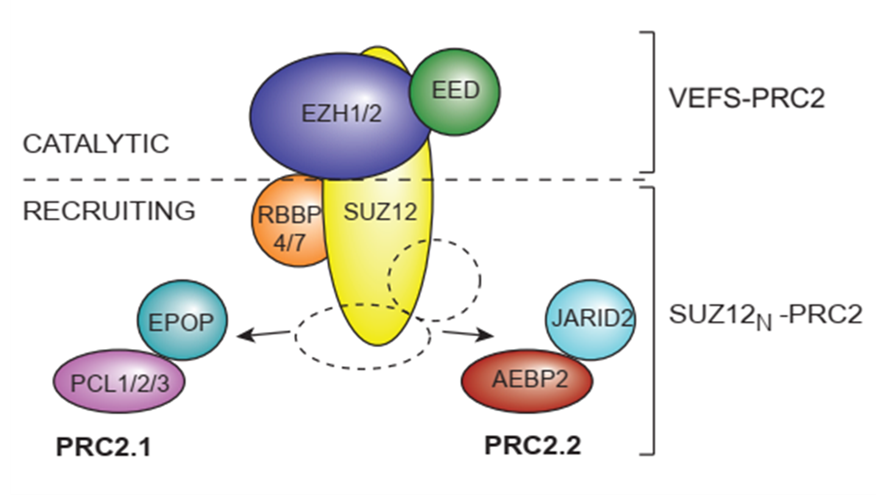
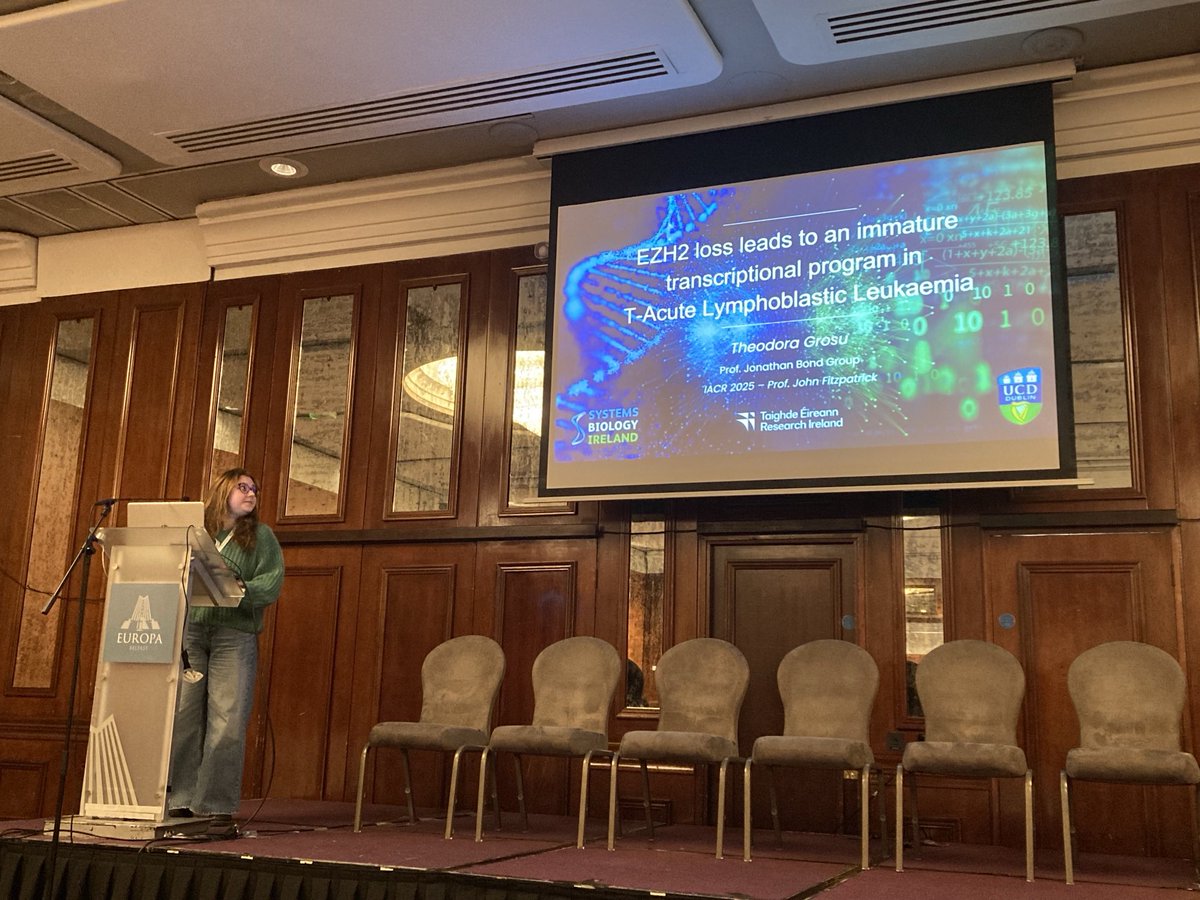
Pleased that the 2nd part of my PhD in now available as a preprint! Here, we investigated the epigenomic and transcriptomic changes occurring upon PRC2 depletion in AML cells. https://t.co/xc0v6DUXW3. A thread🧵1/17