1/ Excited to share our new paper in Science: “Toward life with a 19-amino acid alphabet through generative artificial intelligence design.” @ColumbiaSysBio@ColumbiaBME@Columbia
https://t.co/ZT3Ygw9tiG 🦠🧬🛠️🖥️💥
What happens to undigested protein in the gut?
Super review of protein handling in the gut, and in particular in the colon.
Read the full paper by @RobVBryant@Alice_APD
https://t.co/M4y87sVXGO
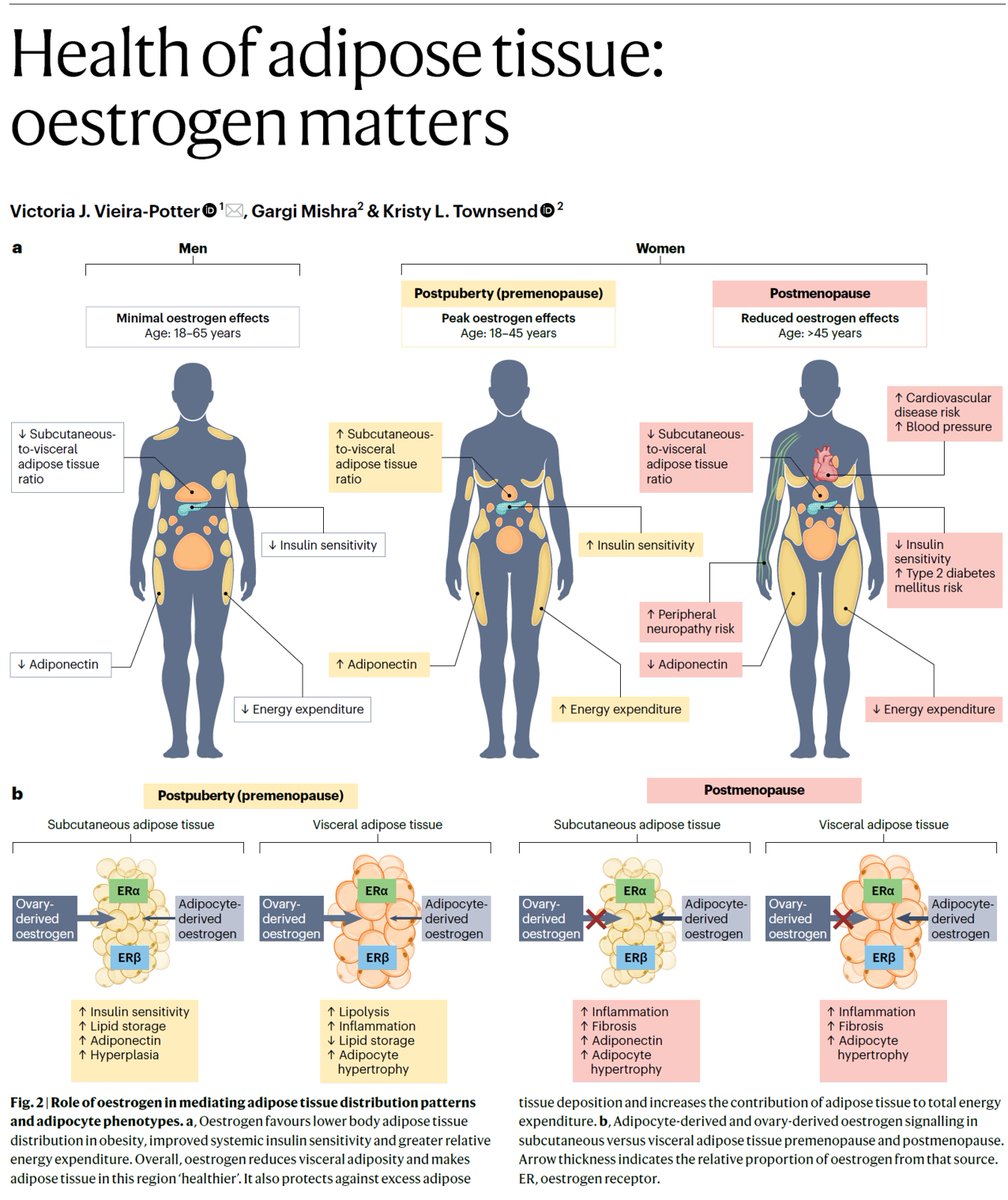
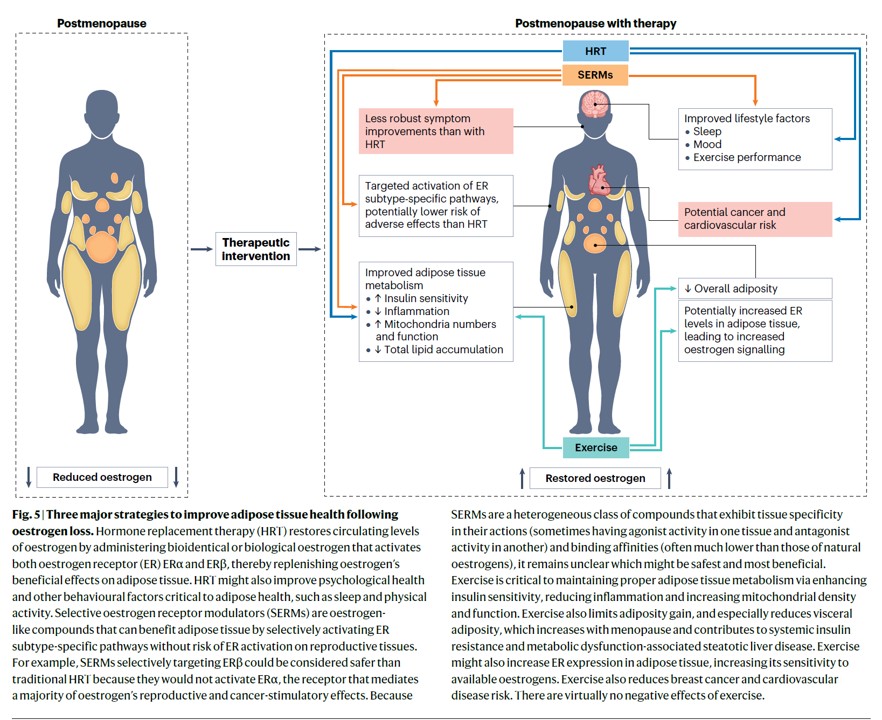
Estrogen maintains healthy weight and healthy glucose levels by acting on adipose tissue.
Timely review on Estrogen and how HRT + exercise can compensate for post-menopausal low estrogen state.
@NatureRevEndo
https://t.co/SLGdsGfewP
Did you know?
The color of hydrangea isn't just genetics — it's the soil they grow in.
Specifically, soil pH affects the availability of aluminum, which in turn influences flower color.
Bacteria may have adapted to oxygen well before Earth’s atmosphere was saturated with it, according to a new study in Science. The findings underscore the dynamic relationship between biological evolution and Earth's geological history.
https://t.co/Ar5fyoMnKb
It's that end of the year time when we count down some of our most impactful articles (in terms of Altmetrics score)
No.10 This Perspective led by @Pdorrestein1 on the changing metabolic landscape of bile acids
https://t.co/5BpYgpUasb
Our new @NatureAging paper: We built 14 "biological clocks" representing the biological age and rate of aging of 14 major body systems using data from 13,000 people of the Human Phenotype Project
Key findings:
1. Biological clocks are clinically meaningful: People with higher biological age for some body system are at greater risk for disease related to that body system (e.g., higher aging rate of insulin resistance associates with higher risk for diabetes)
2. Surprisingly, biological clocks for different body systems are mostly independent, i.e., a person with a higher rate of aging for one body system does not necessarily have higher aging rates in other body systems
3. Males and females age differently: While males age linearly, females exhibit a sharp non-linear increase between the ages 50-55. This sharp increase is associated with menopause. When comparing pre- and post-menopausal females of the same chronological age, we find that post-menopausal females have higher biological age for several body systems
Paper: https://t.co/RWfQ1mfMYV
Data: https://t.co/qRrFPaY4as
Access our aging models: https://t.co/3do2rlTgQV
Great job by @Lee_Reicher1, @NoamBar7, @nastya_godneva, Yotam Reisner, @ZahaviLiron, Nir Shahaf, @AdinaBlueBird, in collaboration with Raja Dhir
How do mitochondria, the cell’s energy-producing organelles, perform competing metabolic processes?
Segregation into distinct populations — one that makes energy-storing ATP molecules and one that does not — could explain it
https://t.co/McNw5KrKC6
If you are sedentary, you are unhealthy, even if you don’t have a diagnosed health condition.
A new study makes this quite clear.
Researchers compared sedentary adults (no structured exercise) to a group of adults who were moderately active (they exercised at least 150 minutes per week).
Importantly, both groups were “healthy” in that they had no diagnosed cardiometabolic conditions.
But the sedentary adults had worse mitochondrial function, poorer cardiorespiratory fitness, and a lower rate of fat oxidation at rest and during exercise. They also produced more lactate at a *much* lower power output than the moderately-active adults.
These findings have profound implications for how we classify and recruit participants in research studies.
They suggest that the “healthy sedentary” phenotype doesn’t exist—
a lack of disease does not imply someone is in good metabolic health. As such, we shouldn’t be using these “healthy sedentary” people as control subjects in studies.