We're launching @niteshiftdev – the full-stack cloud for coding agents
Verification is the new bottleneck.
Software teams can now define their dev environment and verification tools once. Then run any frontier agent in the cloud: Claude Code, Codex, or OpenCode
Everyone is talking about this Ramp blog post: background agents are now authoring 30-40% of their PRs (!)
If you read this and thought “I need that” the good news is we’ve built it for you: https://t.co/iZ2eqf0L4Z
If you’re at a fast moving AI-native company, DM me for early access
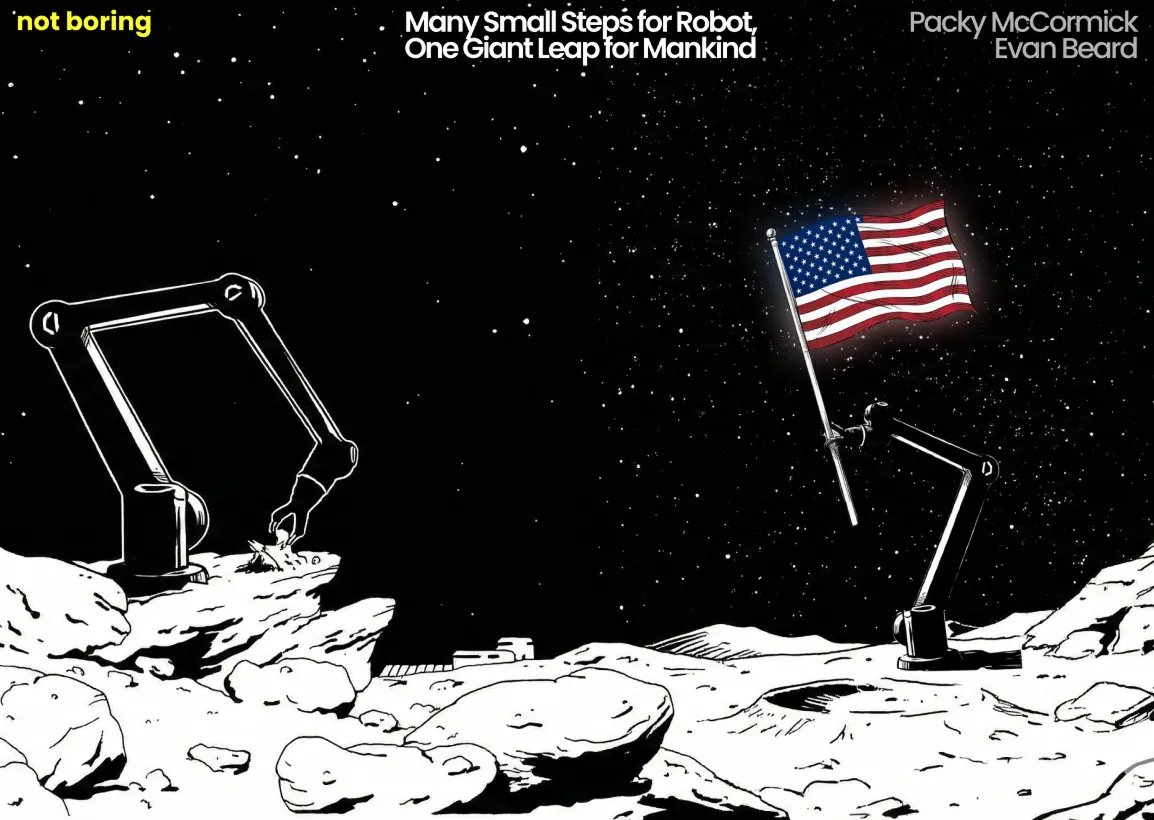
Investors are betting billions of dollars that robotics will experience a Giant Leap.
Meaning: robots are not useful today, but throw enough GPUs, models, data, and PhDs at the problem, and you’ll cross some threshold on the other side of which you will meet robots that can walk into any room and do whatever they’re told.
The Giant Leap view is sexy. It holds the promise of a totally unbounded market – labor today is a ~$25 trillion market, constrained by the cost and unreliability of humans; if robots become cheap, general, and autonomous, the argument goes that you get Jevons Paradox for labor - available to whichever team of geniuses in a garage produces the big breakthrough first. This is the type of innovation that Silicon Valley loves. Brilliant minds love opportunities where success is just a brilliant idea away.
My friend @evanbeard is betting that progress will happen by climbing the gradient of variability. That robotics will progress towards general usefulness in small steps.
The logic is clear:
- Robotics is bottlenecked on data.
- The best data is the data your robots collect actually doing things.
- The best strategy, then, even if it's not the sexiest, is to get paid to collect that data, learn, and iterate.
This is where the vast majority of value lies, and the real path to our abundant robotic future.
For the first co-written essay in not boring world, Evan and I write about the robots.