I also understand in my experience as a clinician that one of the hardest parts of caring for a critically unwell child is witnessing the distress of their parent or carer.
But wherever it is safe, they should always be supported to stay close and involved #Paediatrics#Resus
Excellent resuscitation is a balance of clinical skill, teamwork and communication.
In paediatrics - it also means remembering that the child’s family is part of the patient’s world; and that the patient is all of theirs.
#EPALS#Family#Paediatrics#CentredCare
Fantastic two days on the RCUK EPALS course at Hull Royal Infirmary!
Big thanks to a great faculty, but equally, to a great multidisciplinary attendance who all shared their own knowledge & experiences.
#RCUK#EPALS
No observation in isolation.
A reassuring number can hide a deteriorating patient.
SpO₂, ETCO₂, respiratory rate, ECG, BP... each is one piece of the greater clinical picture.
Treat the patient, interpret the trend, understand the physiology 🚑🫁📈
A reassuring SpO₂ does not always mean a reassuring patient.
• Respiratory rate, depth and pattern
• Chest movement and air entry
• Work of breathing, fatigue
• Consciousness
• ETCO₂
Sometimes the most dangerous deterioration is the one hidden behind a normal number 🚩
Never lose sight of the human behind the patient.
Whether it’s a first breath, a final breath, a routine intervention or a fight for life - every interaction matters.
Clinical excellence is essential. But so is kindness, compassion and simply being human.
Treat the person 💚
🚑 Calling all prehospital clinicians!
Take part in the PRECEPT-OHCA study exploring confidence, practice, and barriers in identifying reversible causes of OHCA.
⏱️ 5–7 min survey
📱 Scan QR or use the link: https://t.co/zyinuSeG6p
Your experience can help shape future cardiac arrest care.
Great performance rarely comes from working harder - it comes from creating bandwidth.
- Bandwidth to think before acting.
- Bandwidth to anticipate rather than react.
- Bandwidth to communicate clearly under pressure.
Flow isn’t accidental. It’s engineered.
#HumanFactors
The purpose of this study was to evaluate the efficacy of ketamine on quality of life measures following severe injury. The results of this study suggest acute ketamine administration has an impact on long-term mental health of injured patients, specifically anxiety and PTSD.
https://t.co/46i8yYII1D
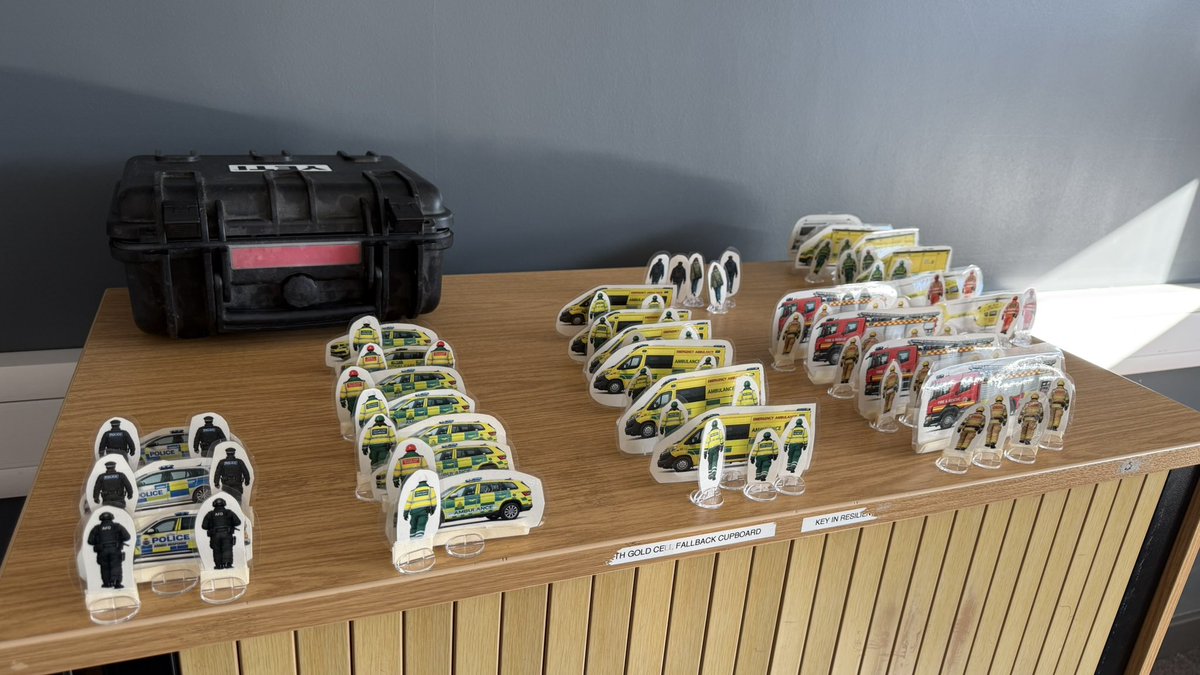
Finishing off the third of our annual Clinical Response to Major Incidents annual refresher for our critical care paramedics today. This year it’s a tabletop exercise focusing on creating clinically appropriate casualty flow and making ‘the least bad decision’ when overwhelmed
Pre-hospital acute behavioural disturbance, a guest post by Jack Lyon. What does the evidence say about Ketamine and other sedatives.
#FOAMedhttps://www.stemlynsblog.org/pre-hospital-abd/
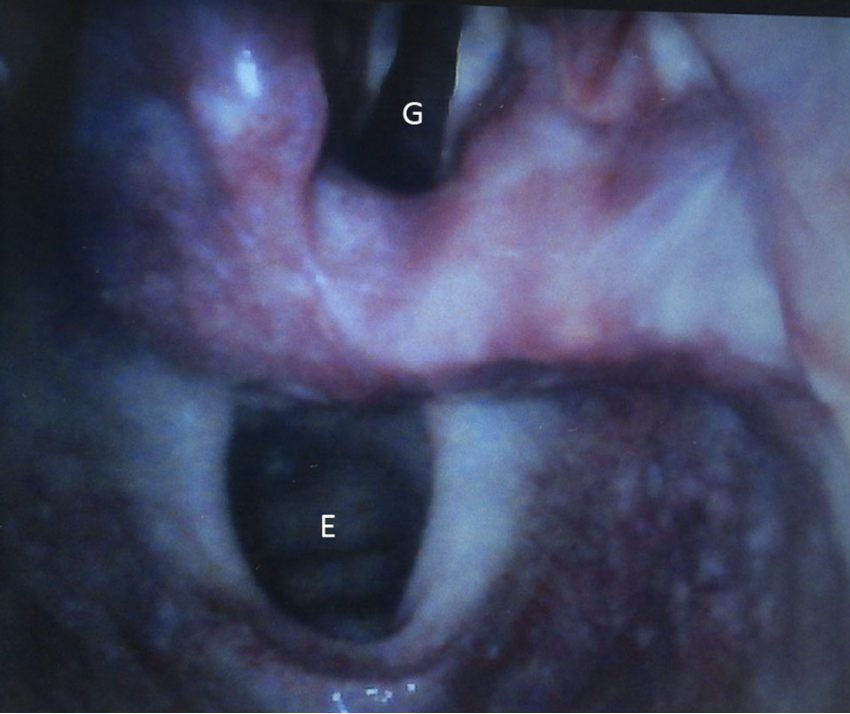
If you chose grade 1 CL or POGO >90%, you need to make sure that you were actually seeing the glottis...
In this case, the esophageal opening (E) can be confused with the normal glottic opening (G), thus impersonating it:
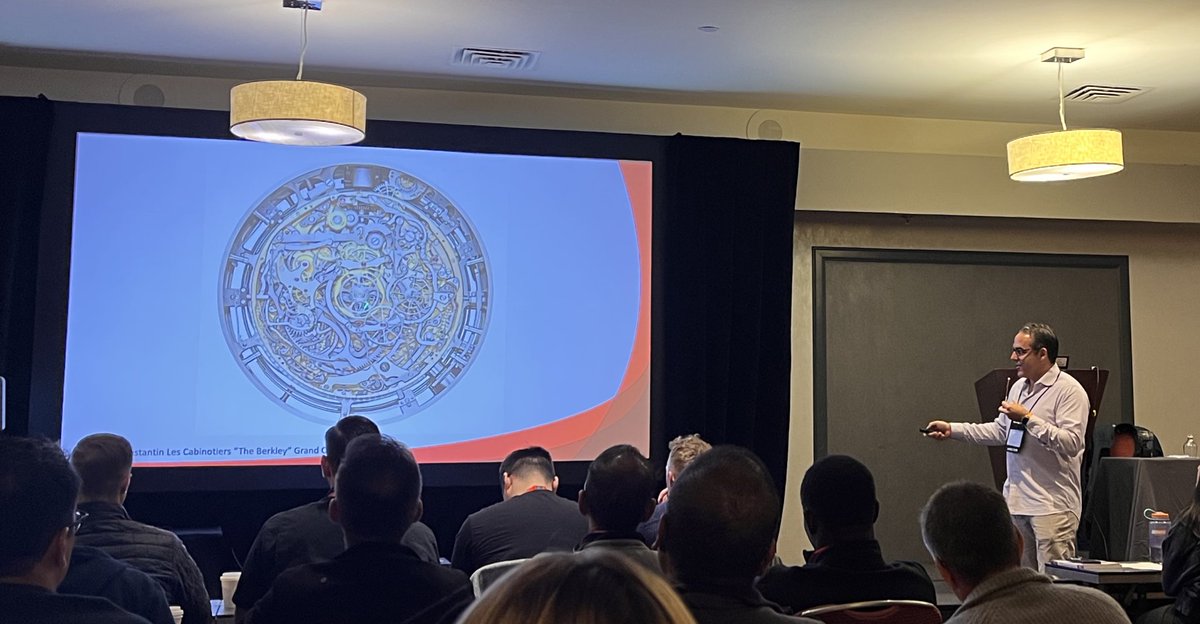
Excellent first lecture in the Difficult Airway Course by @jarrodmosier
The difference between complicated and complex; a watch is complicated but airways are complex!
Human factors are underestimated: the three foot world view can predominate leading to people trying to “plan a harder”
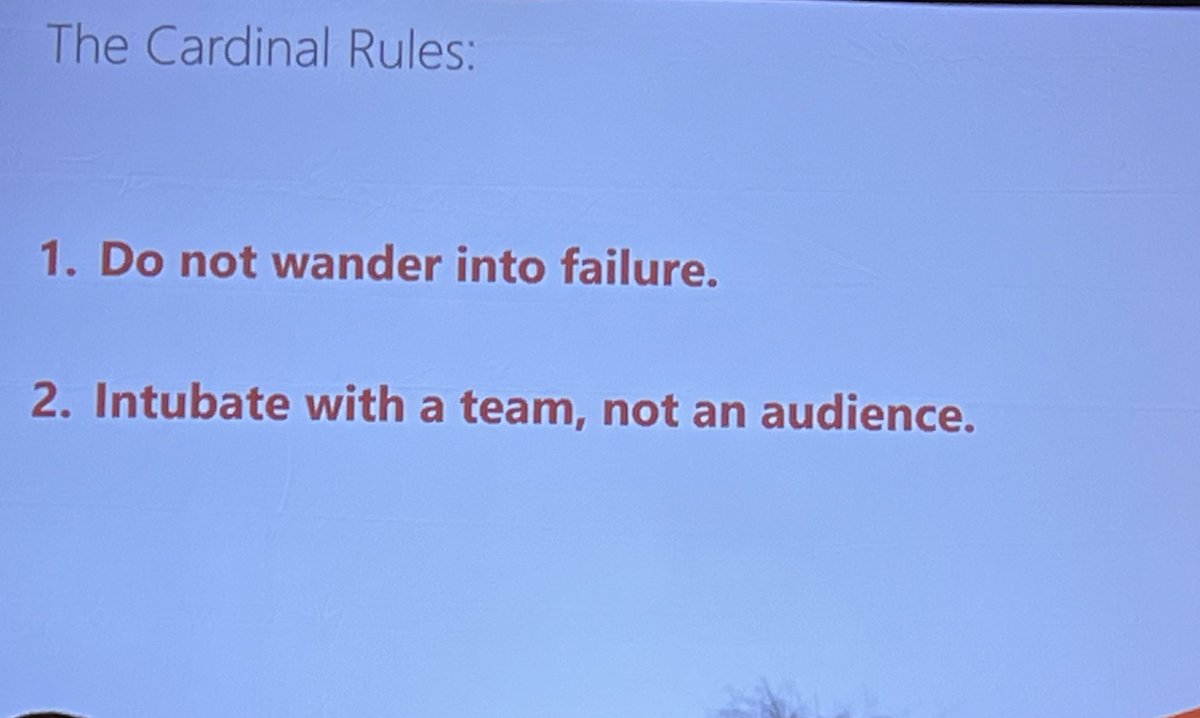
Two cardinal rules:
1. Do not wander into failure
2. Intubate with a team, not an audience
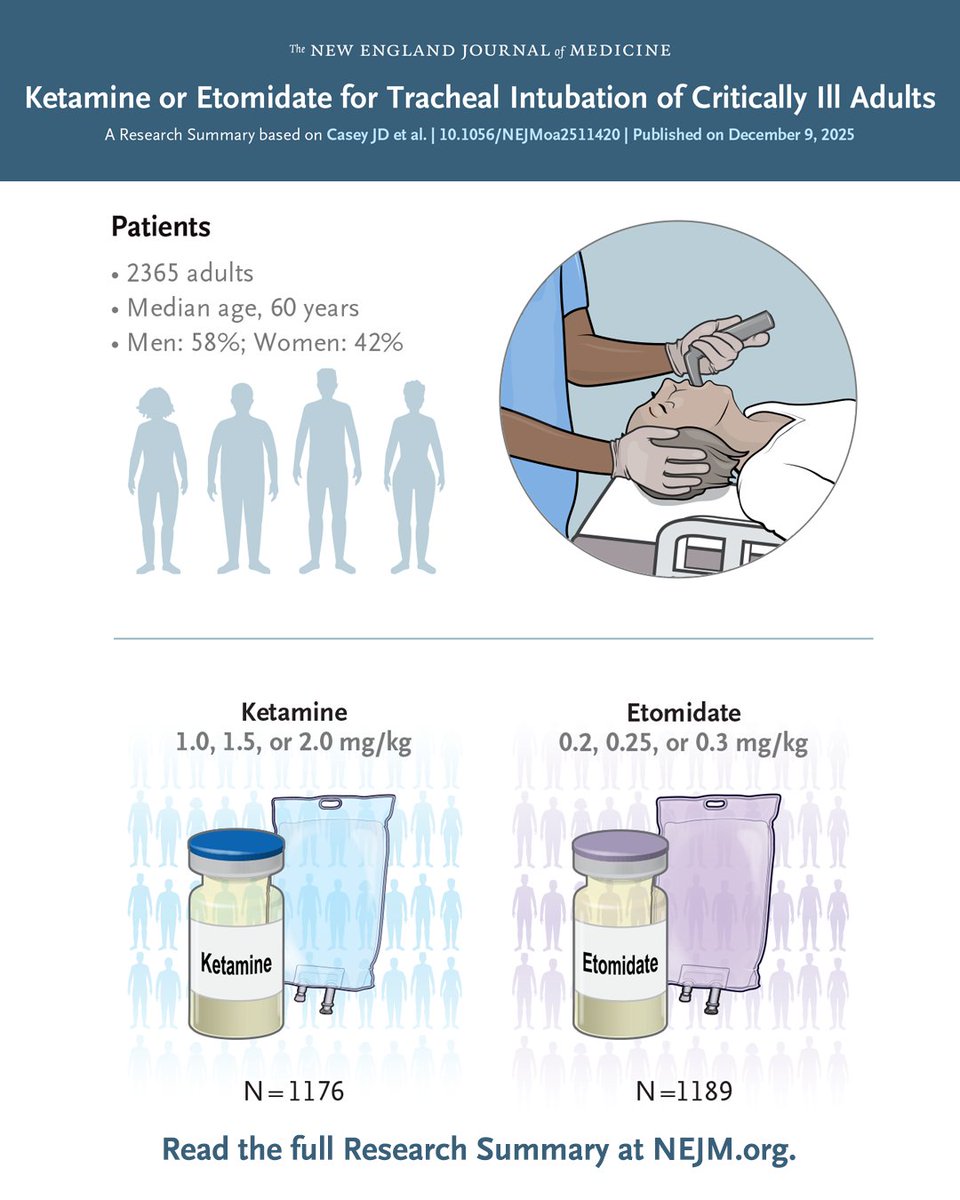
In the RSI trial involving critically ill patients undergoing intubation in EDs or ICUs, the use of ketamine for the induction of anesthesia did not lead to significantly lower in-hospital mortality than etomidate. Full trial results and Research Summary: https://t.co/KjMmYm2WSD
Great day of learning with @YorkshireAirAmb & colleagues, focusing on individualised, physiological targeted resuscitation, aimed at optimising survival & ROSC in the most challenging cases.
Thanks to @EMDocJB & @HaldenHB & the rest of the faculty.
OHCA management beyond #ALS
Making the most of q…t time on 06:00-18:00 critical care RRV shift - @TheResusRoom podcast on “Excellence in Defibrillation”, supported by latest paper by Dr Sheldon Cheskes et al, “Defib Current & Pad Efficacy”.
Is it time for A-P position from the start?
#OHCA#prehospital