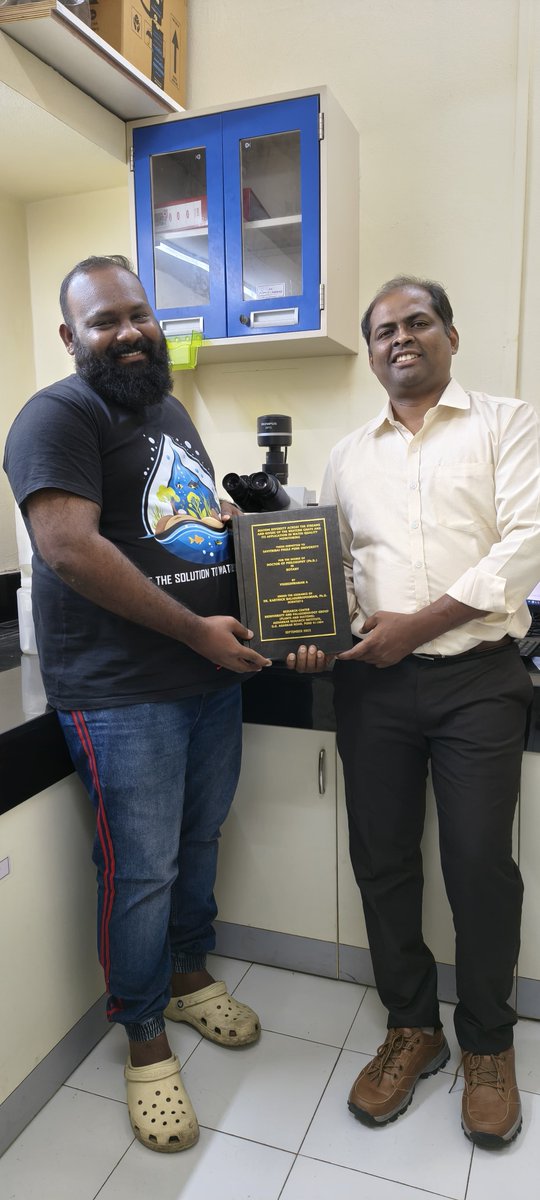
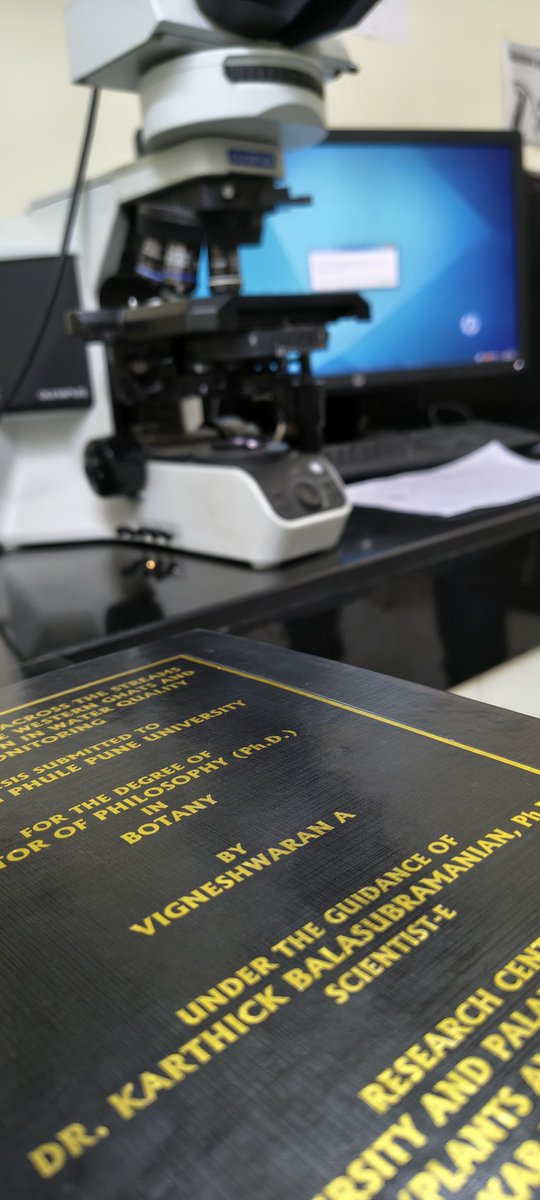
Congratulations to @Vikeyanbu on submitting his PhD thesis! His work on #diatoms across the Western Ghats identified key determinants of their distribution and developed indices for water quality monitoring. A big step forward for #freshwater ecology and #biomonitoring in India.
Algal blooms aren’t just urban phenomena. Even in pristine habitats with minimal human disturbance, like this national park, careful monitoring helps us understand natural nutrient dynamics and climate-linked changes. #AlgaeMonitoring#Ecology
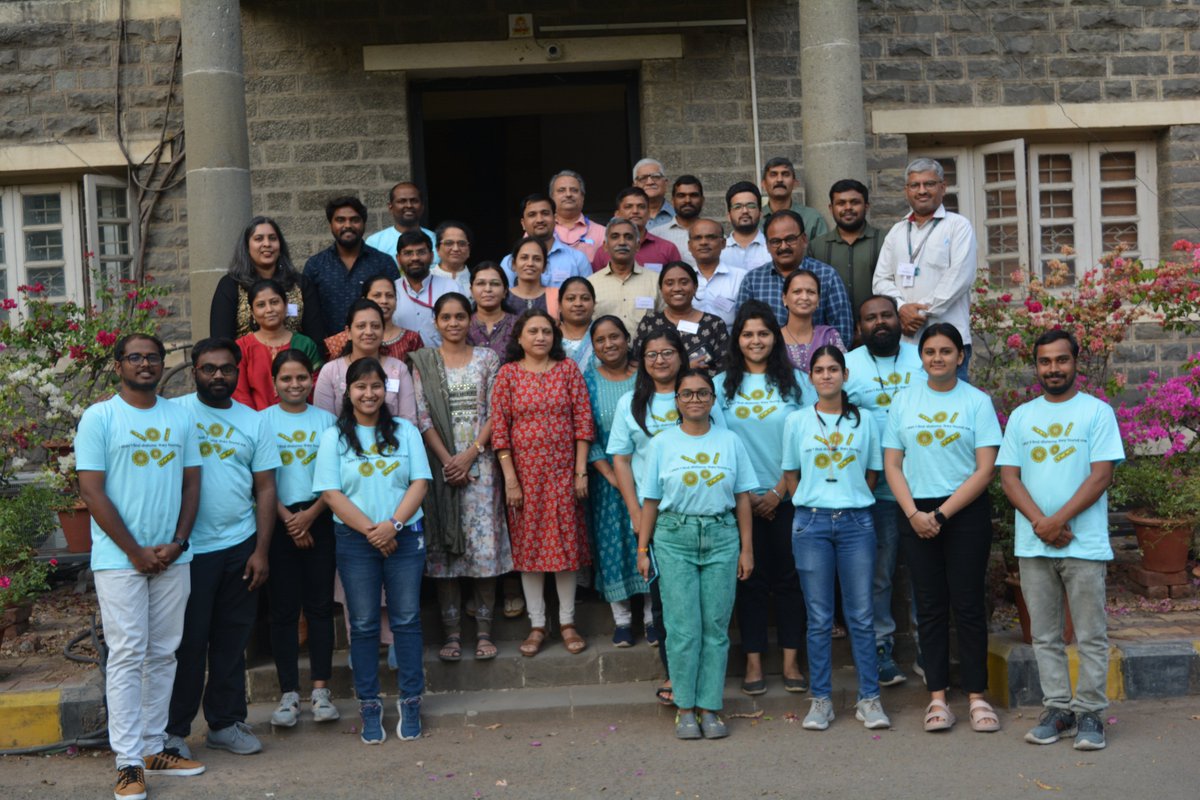
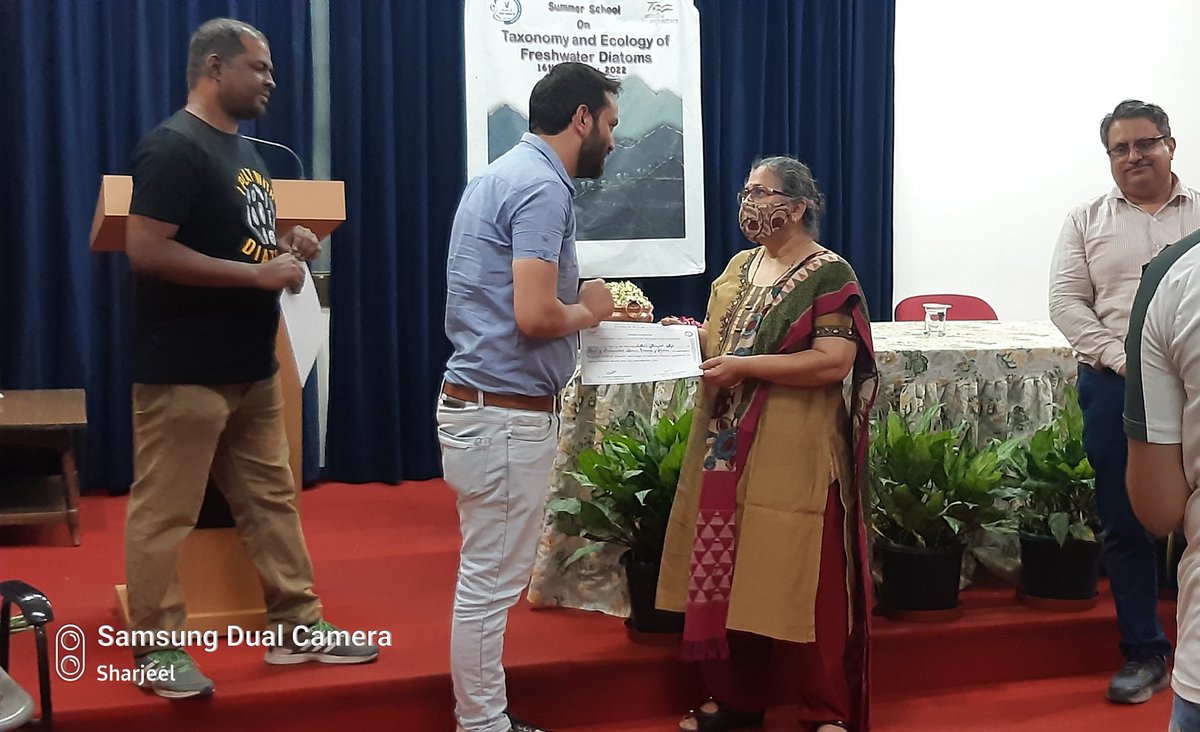
🌊🌿 Just concluded a transformative 2-day workshop on freshwater biodiversity as part of our Scientific Social Responsibility program of @serbonline exciting discussions, new insights, and collaborative efforts to safeguard our #freshwater#ecosystems. 🌍🔬
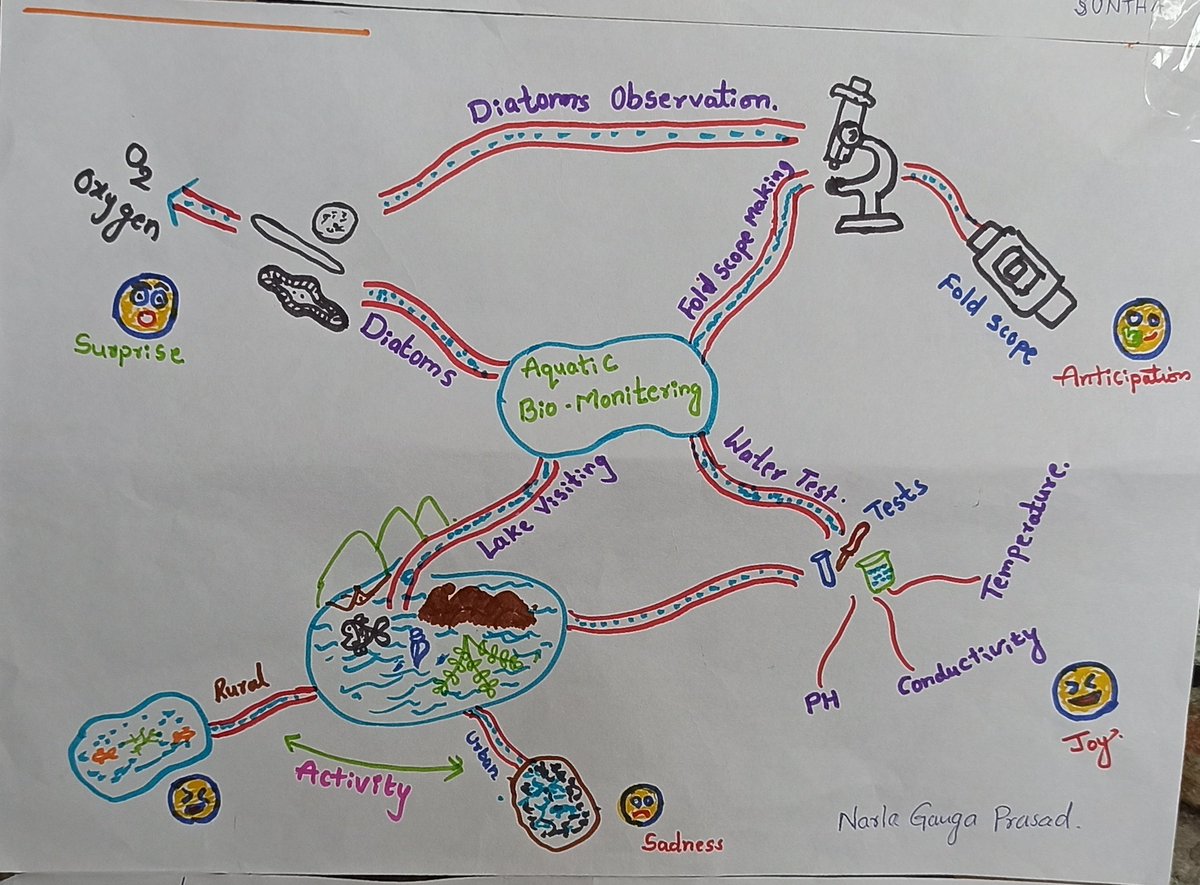
Check out this post about a training program we did recently along with the fantastic team of @AgastyaOrg, educators from the Fig Tree Learning Centre, & theatre artists from Banjaras theatres.
https://t.co/kCwh4asHMv
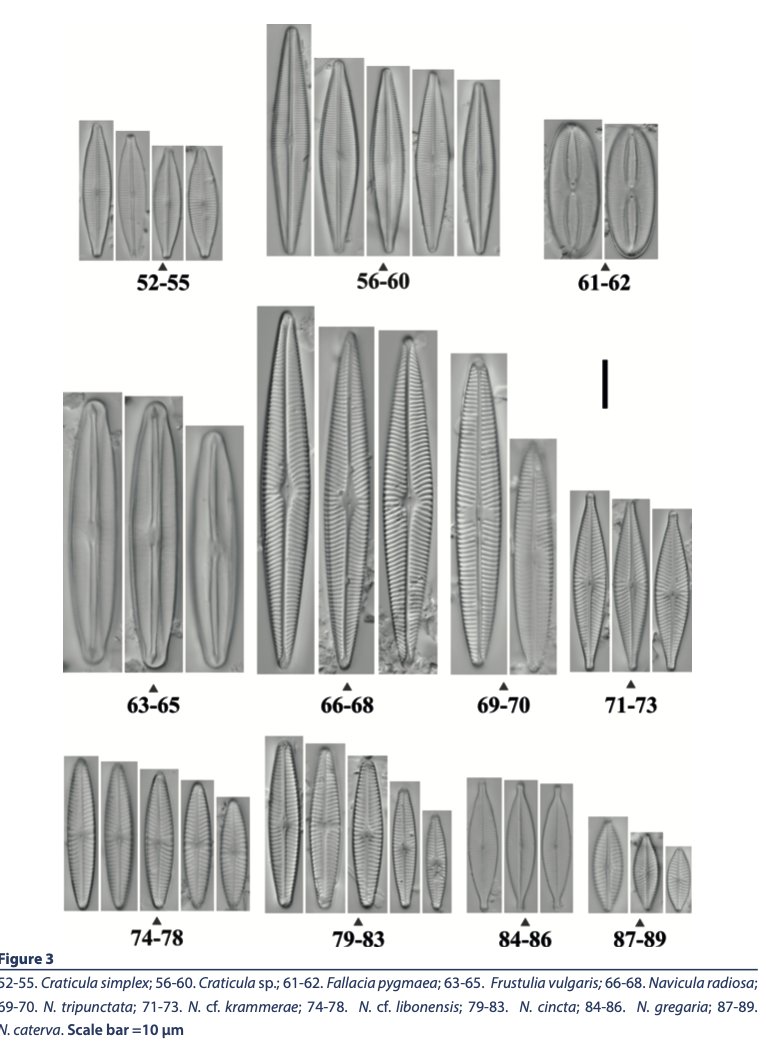
New Paper alert 𝑫𝒊𝒂𝒕𝒐𝒎𝒔 𝒐𝒇 𝒕𝒉𝒆 𝒘𝒐𝒓𝒍𝒅’𝒔 𝒉𝒊𝒈𝒉𝒆𝒔𝒕 𝒂𝒒𝒖𝒂𝒕𝒊𝒄 𝒆𝒏𝒗𝒊𝒓𝒐𝒏𝒎𝒆𝒏𝒕𝒔 𝒇𝒓𝒐𝒎 𝒕𝒉𝒆 𝑾𝒆𝒔𝒕𝒆𝒓𝒏 𝑯𝒊𝒎𝒂𝒍𝒂𝒚𝒂𝒔, 𝑰𝒏𝒅𝒊𝒂 published in @sciendo_ Ocea. & Hydrobio. Stud. Full paper https://t.co/tYCaoadgNb
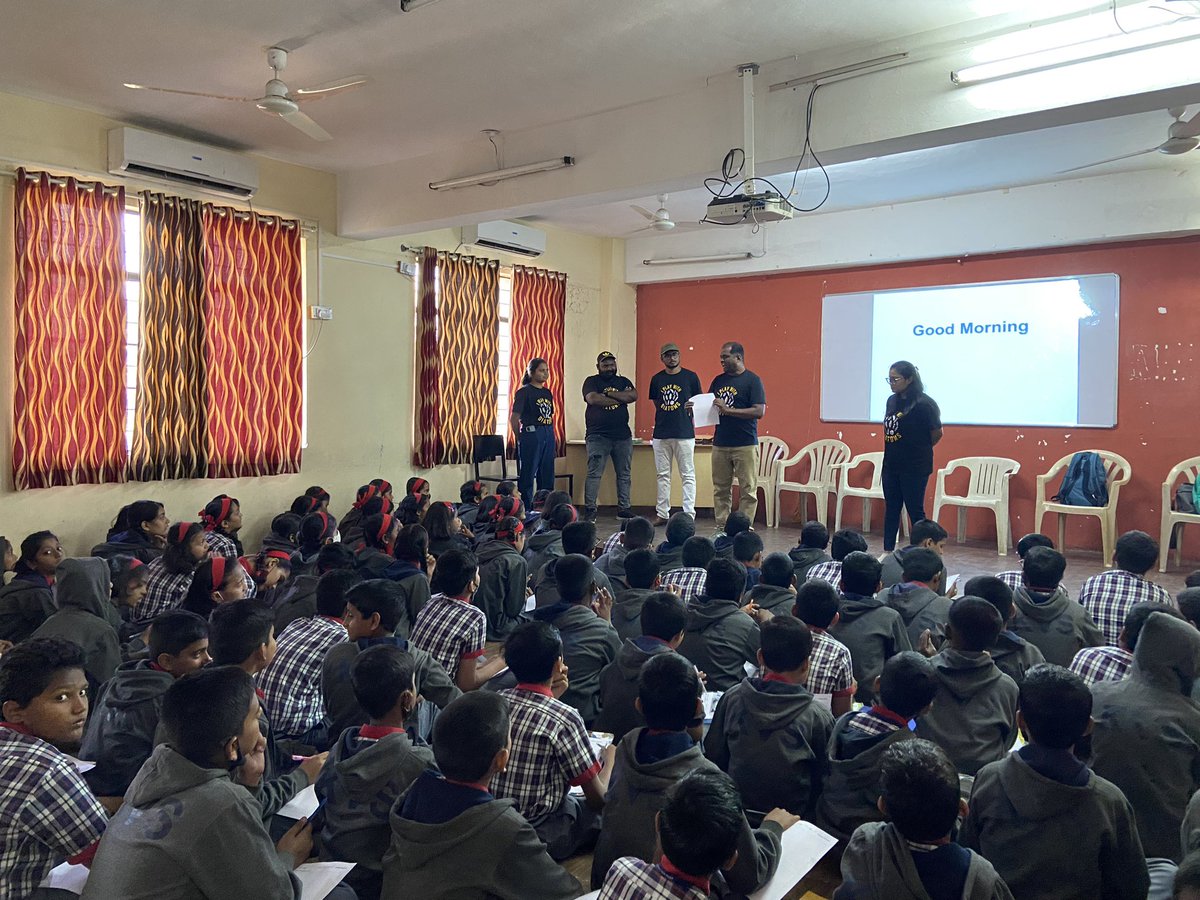
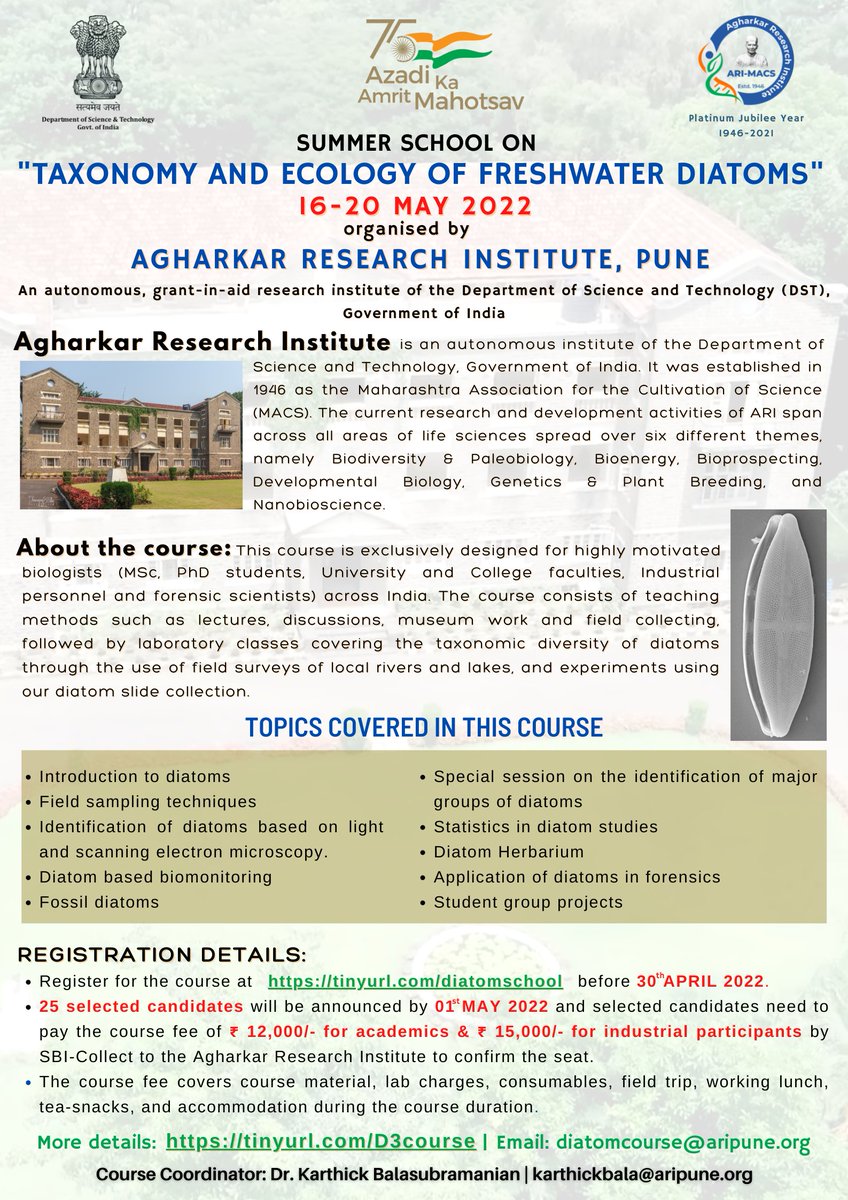
We have initiated a monthly one-day at school around Pune with a theme of “Diatoms as a tool to create environmental awareness”. Started the program with Kendriya Vidyalaya DIAT with 200 6th & 7th-grade students
@ari_pune#environment#awareness#River
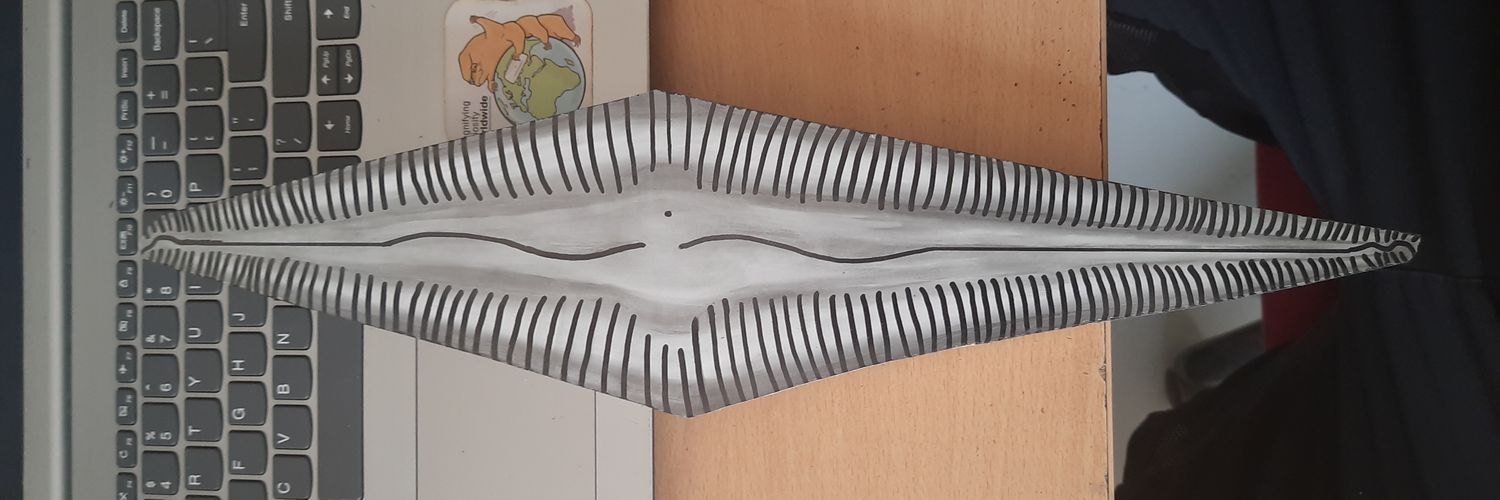
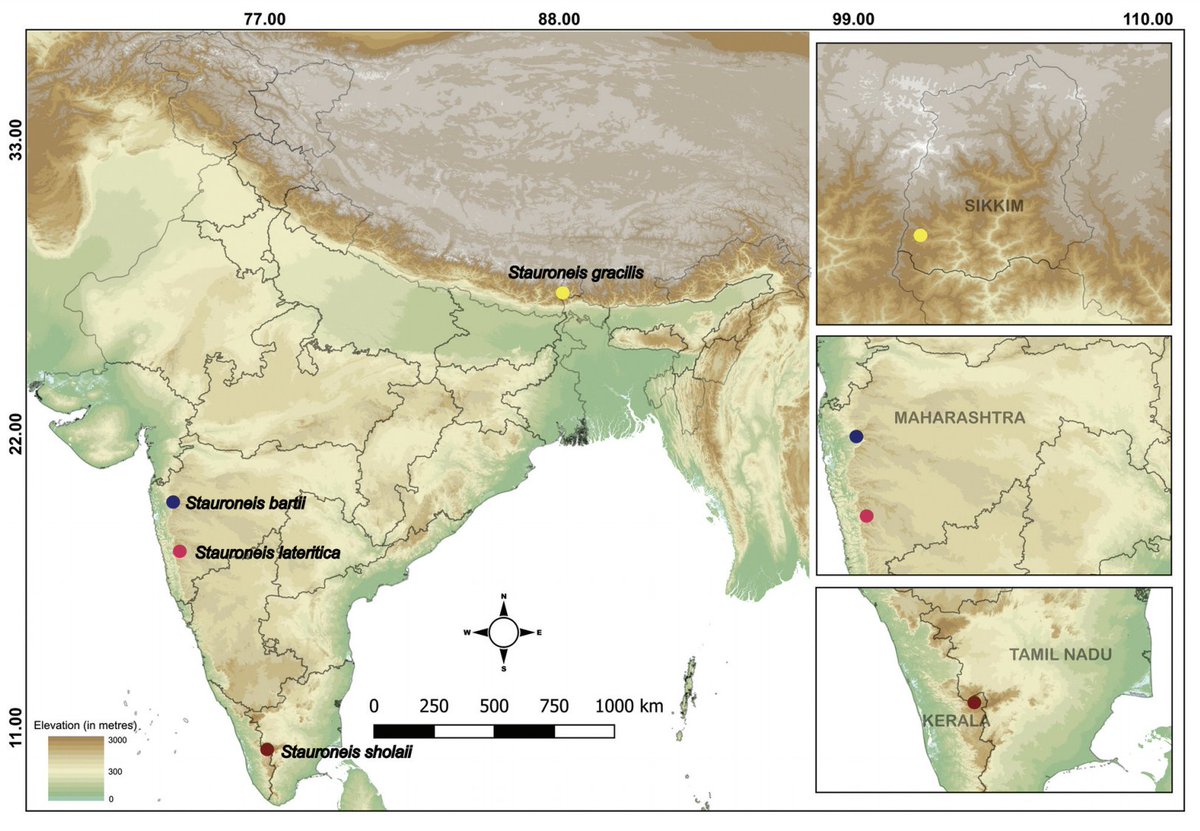
Super excited to share a new paper lead by @WadmareNeha describing 3 new species of #diatoms belongs to the genus 𝑺𝒕𝒂𝒖𝒓𝒐𝒏𝒆𝒊𝒔 from India. This paper marks our significant move to combine 𝐌𝐨𝐥𝐞𝐜𝐮𝐥𝐚𝐫 & 𝐌𝐨𝐫𝐩𝐡𝐨𝐥𝐨𝐠𝐲 taxonomy in diatoms in India - Thread 1/n
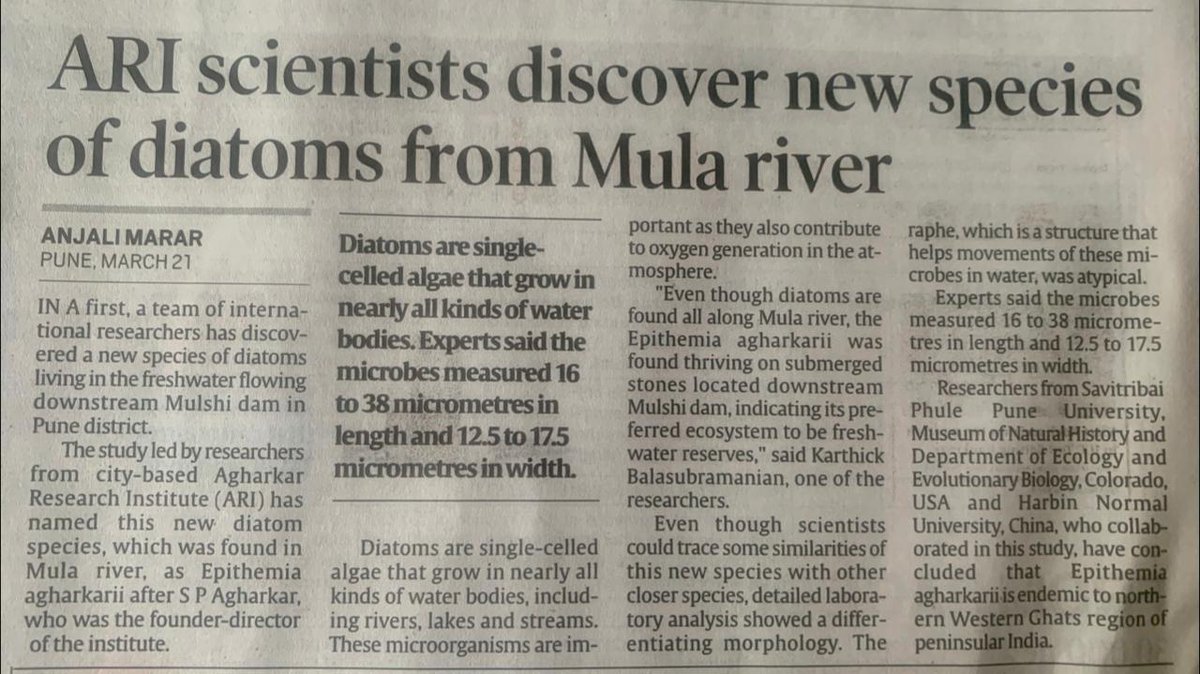
New paper alert!! Our new paper describes a new species from Mula River #Pune 𝙀𝙥𝙞𝙩𝙝𝙚𝙢𝙞𝙖 𝙖𝙜𝙖𝙧𝙠𝙖𝙧𝙞𝙞, named in honour of 𝗣𝗿𝗼𝗳. 𝗦𝗣 𝗔𝗴𝗵𝗮𝗿𝗸𝗮𝗿, founder of @ari_pune. Lead work by @Vikeyanbu. Thanks to @IndiaDST@serbonline@moefcc for research support.