Every child’s opportunity to learn is shaped, in part, by the teacher standing before them. Yet the teaching profession faces growing pressures that make supporting, protecting and retaining teachers more important than ever.
According to @UNESCO Global Report on Teachers, the world is projected to face a shortage of 44 million primary and secondary teachers by 2030, including a need for an additional 15 million teachers in sub-Saharan Africa to achieve global education targets. Teacher shortages can increase workloads, place additional pressure on education systems and affect the quality of learning.
World Teachers’ Day 2026 marks 60 years of the 1966 ILO/UNESCO Recommendation concerning the Status of Teachers. Under the theme, “Standing with teachers: 60 years of protecting the profession, advancing its status and shaping our futures,” this year’s observance calls attention to the need to recognise, protect and strengthen the teaching profession as it responds to a rapidly changing world.
The Wellbeing Foundation Africa recognises teachers as important partners in shaping the future of students. Beyond the classroom, teachers play an integral role in fostering healthy character, positive behaviours and habits that can influence students throughout their lives. Through the WBFA - @DettolNigeria Hygiene Quest Programme, our Nurse Educators teach students practical WASH knowledge, including proper handwashing, personal hygiene, safe water practices, sanitation and responsible waste disposal. These lessons help students understand the importance of healthy hygiene practices and develop habits that can extend from the school environment into their homes and communities.
Standing with teachers means valuing their contribution, listening to their voices and creating the conditions that allow them to teach with dignity, confidence and purpose.
Today, we celebrate every teacher who continues to educate, inspire and shape the future - one learner at a time.
#WorldTeachersDay2026 #StandingWithTeachers
Pregnancy brings important physical changes, and staying active through safe, appropriate exercise can help women maintain strength, mobility and overall wellbeing throughout pregnancy.
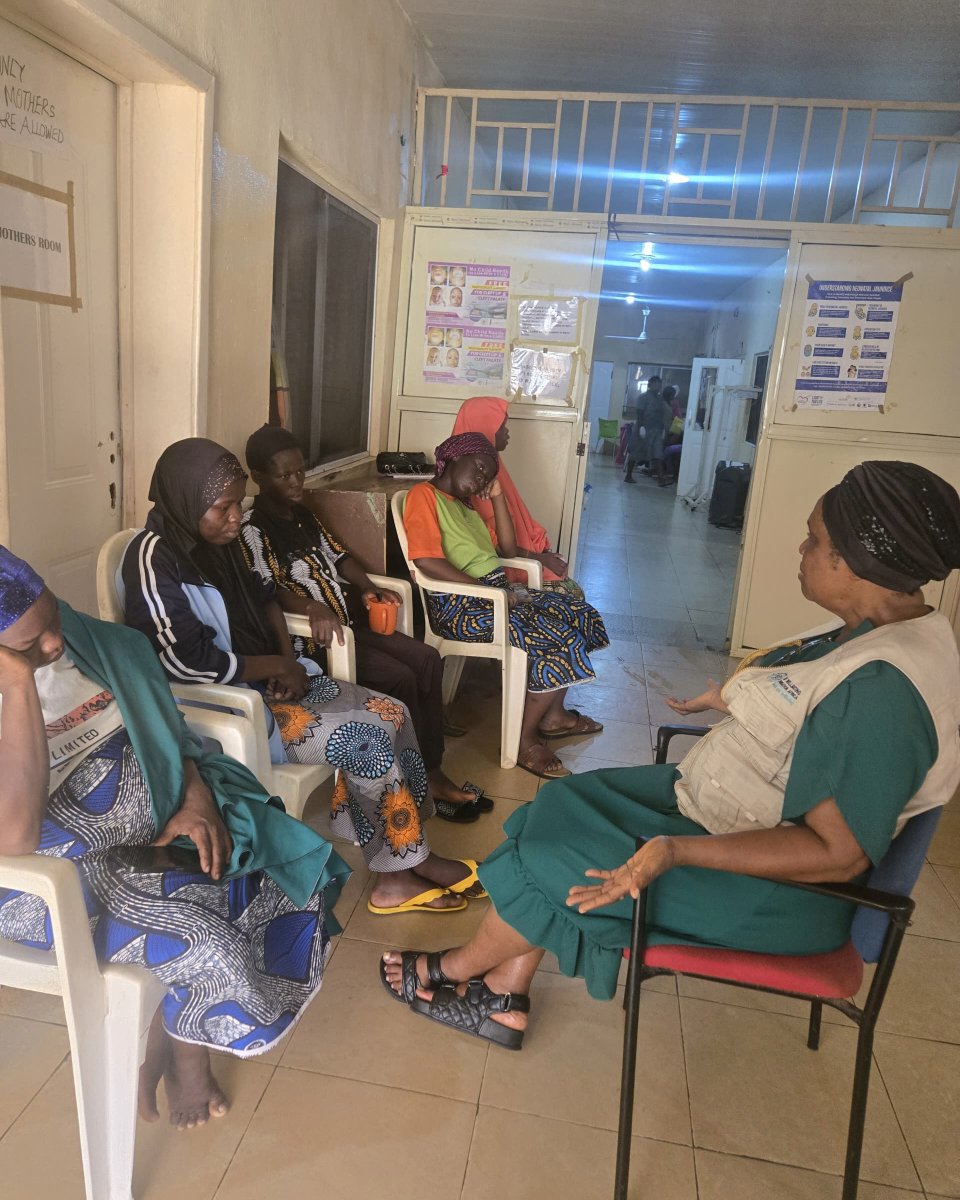
In our MamaCare360 classes, WBFA midwives engage mothers with practical, hands-on guidance on pregnancy-safe exercises that can support muscle strength, flexibility, posture and physical comfort, while helping mothers prepare their bodies for the demands of pregnancy and childbirth.
From gentle stretching and mobility exercises to activities that strengthen the pelvic floor and core muscles, mothers are guided on movements that are appropriate for their stage of pregnancy and encouraged to understand when to stop and seek professional advice.
These sessions give mothers the opportunity to learn, practise and ask questions, building the confidence to incorporate safe physical activity into their pregnancy journey.
WBFA continues to equip mothers with practical guidance for healthier pregnancies and safer beginnings.
#FrontlineFriday #MamaCare360
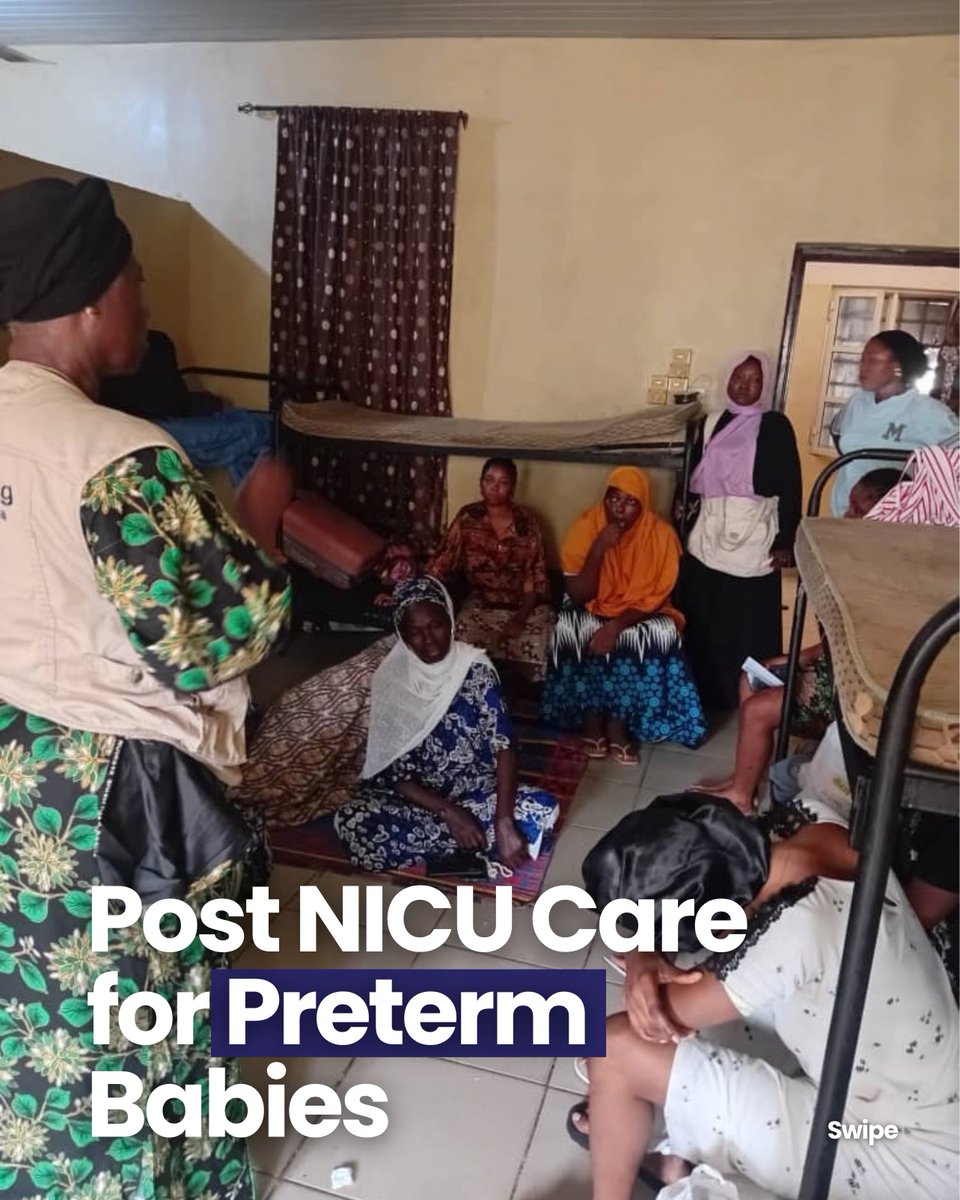
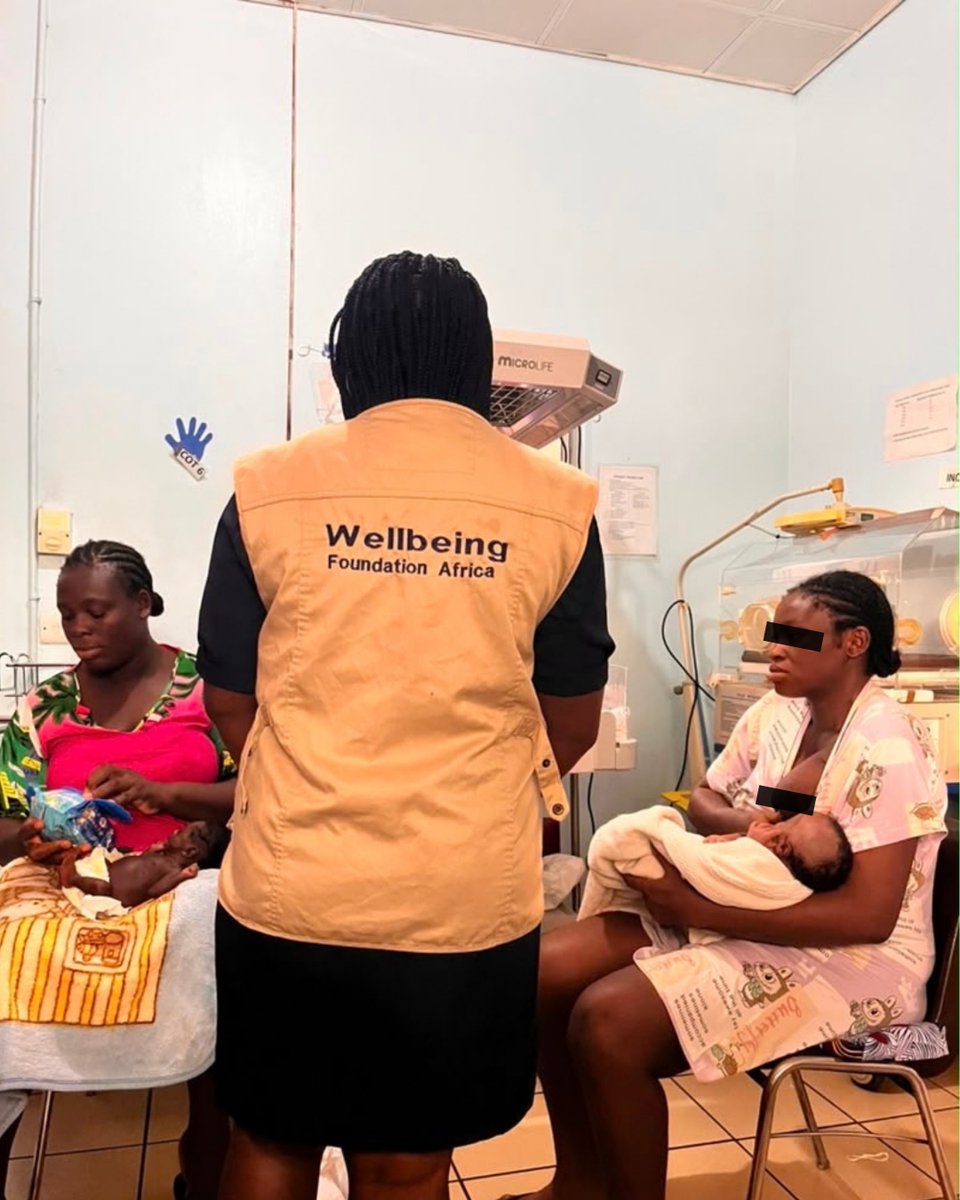
Discharge from the NICU marks the beginning of a new phase of care as a preterm baby transitions home. This period requires continued attention to feeding, hygiene, warmth, immunization, follow-up appointments, and other care needs that support healthy growth and development.
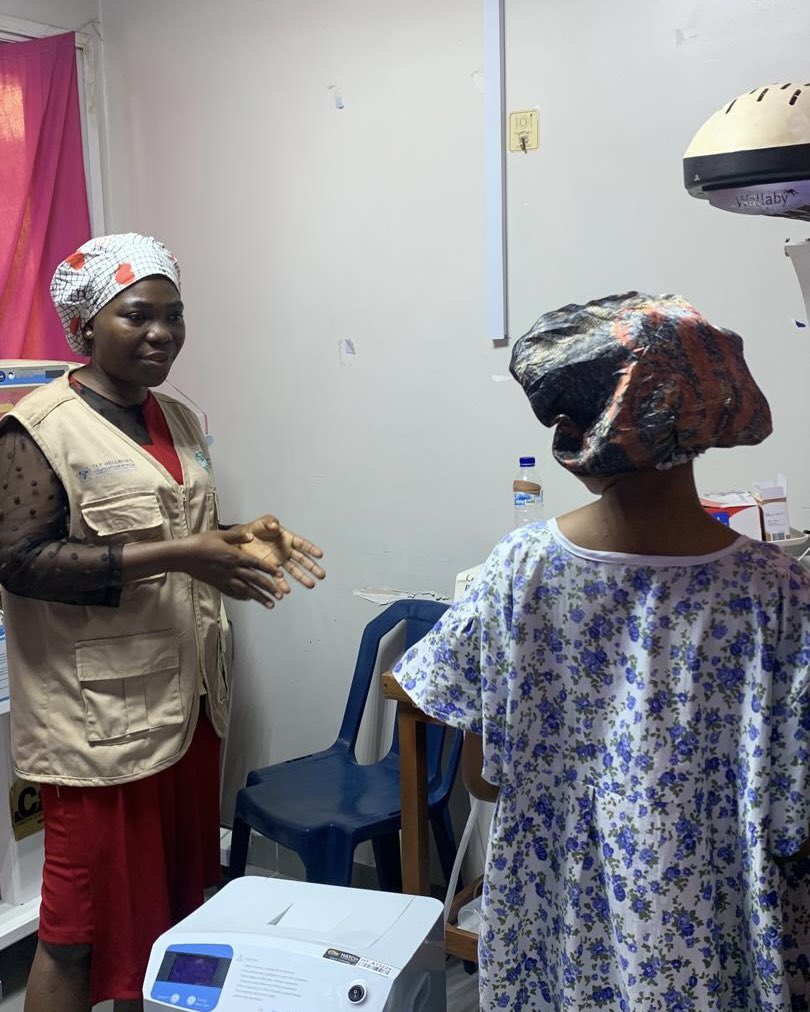
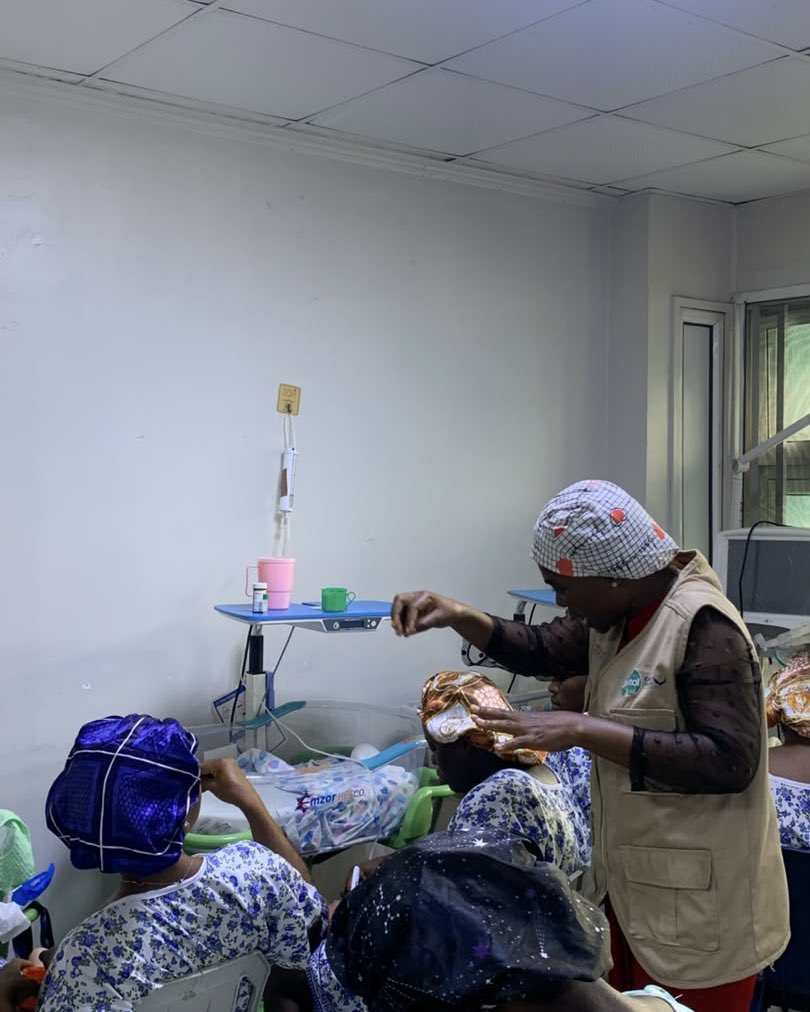
With our MamaCare360 NICUPlus Programme, WBFA midwives help mothers prepare for this transition by building their knowledge, confidence, and ability to provide appropriate care at home. They offer practical support, answer mothers’ questions, reinforce safe care practices, and help mothers recognize situations that require prompt medical attention.
Consistent follow-up and appropriate home care can support healthy growth, reduce preventable complications, and promote better outcomes for preterm babies after NICU discharge. A well-supported transition from hospital to home helps maintain continuity of care during this important stage of newborn development.
#ThriveThursday
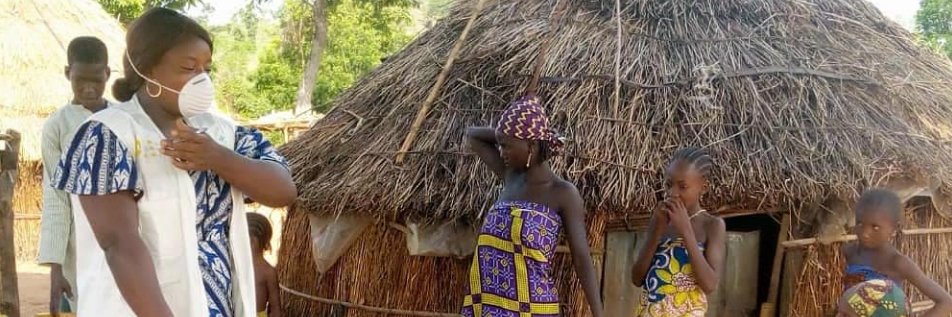
Across Nigeria, the WBFA–Dettol Nigeria Hygiene Quest Programme is helping teenagers take an active role in promoting better Water, Sanitation and Hygiene (WASH) practices in their schools and communities.
Across each DHQ session, we promote proper handwashing and responsible hygiene practices while identifying teenagers within schools who can influence the behaviours of their peers. When young people understand the importance of #WASH and take action, they can become important voices for healthier environments and stronger hygiene practices.
We believe that when teenagers lead by example, this peer-led approach can strengthen hygiene awareness, encourage greater responsiveness to WASH needs and support cleaner, healthier school environments.
The WBFA–Dettol Nigeria Hygiene Quest Programme places young people at the centre of this action, equipping them with the knowledge and confidence to promote better hygiene practices among their peers and within their schools.
#TeachingTuesday
#DettolHygieneQuest
#WASH
As my Global Office and the @WellbeingAfrica Foundation delegation continued its engagements through #UNGA81, my office joined the Business Council for International Understanding @BCIU and the Global Self-Care Federation for their high-level roundtable, Beyond the Next Pandemic and Towards Universal Health Coverage, on self-care, community resilience and the future of health sustainability.
Opened by Mr Greg Perry, Director General of @Selfcarefed_org, the discussion heard a keynote from Dr Mohamed Hassany, Assistant Minister of Health and Population of Egypt, and perspectives from Dr Samuel Kaba Akoriyea of the Ghana Health Service @_GHSofficial and Dr Mercy Mwangangi and Mr Anthony Lenayara of Kenya's Social Health Authority and Digital Health Agency, alongside partners including @ThisIsReckitt, @UNICEF, @UNFoundation, Colgate-Palmolive @CP_News and PATH Global Health.
GSCF's newly launched report, The Global Social and Economic Value of Self-Care 2.0, the first to measure the preventive value of self-care, finds that self-care now saves health systems some $144 billion a year, up from $119 billion four years ago, while adding 24 million high-quality years of life, with benefits that could rise by up to 50% by 2040 under supportive policies.
Across sub-Saharan Africa, which faces half of the world's projected shortfall of ten million health workers by 2030, self-care extends the reach of the health system into every home, as individuals, families and communities take an active part in promoting health, preventing disease and managing illness. Through our frontline programming and the health literacy our midwives, nurses, and community health workers build across Nigeria, the Wellbeing Foundation Africa equips women, adolescents and families with the knowledge and confidence to practise safe and informed self-care, recognise danger signs early and seek skilled care in good time.
I encourage governments and partners to integrate responsible self-care into national health strategies and primary health care, strengthening health literacy and access to quality-assured products on the road to universal health coverage. My thanks to BCIU, GSCF and Sidley Austin for such a timely convening.
#UNGA81
#SelfCare #UHC
#WellbeingForAll
As my Global Office and @WellbeingAfrica Foundation delegation continue through #UNGA81 High-Level Week, it was a privilege for my office to join The Women's Table networking breakfast at the 2026 Annual @ConcordiaSummit, convened under the theme of Advancing Human Rights and Social Progress, where I am glad to serve on the Leadership Council.
The morning brought together Mrs Cherie Blair CBE KC of Omnia Strategy LLP, Mrs Alyse Nelson of @VitalVoices, Ms Tarana Burke of @MeTooMVMT, Mrs Nitzia Logothetis of @selenidotorg, Ms Vivian Onano of the Leading Light Initiative, and Madam Bineta Ndeye Diop of the African Women Leaders Network @AWLNetwork, of which I am also a member, for a conversation on the leadership that human rights and social progress now ask of each of us.
Across decades of this work, I have found that the most lasting progress comes from women who keep faith with one another's ambitions long after the convening has closed. My thanks to Concordia for the invitation, and to every woman who took a seat at the table this morning.
#UNGA81
#Concordia2026
#WomensLeadership
#WellbeingForAll
As the work of #UNGA81 High-Level Week continues in New York, the @WellbeingAfrica Foundation was glad to be present at the @Devex Impact House for Everyday Impact: Scaling Postpartum Haemorrhage Prevention and Treatment Innovations, convened in partnership with MSD for Mothers.
Postpartum haemorrhage remains among the foremost causes of maternal death across the world, and it remains a cause that we have long known how to prevent and to treat, which is what makes each loss so difficult to accept. Moderated by Ms Rumbi Chakamba of Devex, the discussion brought together Dr Tomi Coker of the Ogun State Ministry of Health @ogsghealth, Dr Uchenna Igbokwe of the Solina Centre for International Development and Research @SCIDaR_, Dr Bashir Issak of the Ministry of Health of Kenya, and colleagues from @Jhpiego and LifeNet International, on what is required to carry proven innovation out of the pilot and into the routine practice of a health system, where it belongs.
This is the work at the core of #WBFA's mission, through the training of midwives, nurses, and frontline health workers, and through the antenatal and postnatal education that our midwives deliver to mothers in their thousands across Nigeria under #MamaCare360. Where the science has been settled for some time, it is the delivery that must now command our attention, so that care for women, children and adolescents is within reach across the life course, and I invite our partners across government, industry and philanthropy to hold that ambition alongside us.
#UNGA81
#MaternalHealth
#PostpartumHaemorrhage
#WellbeingForAll
My office was pleased to take part in the Africa Social Impact Summit Global Action Forum at #UNGA81, hosted by Sterling @OneFoundationng with @UNFPA and RALLY Africa as Strategic Co-Hosts, alongside @UN_Nigeria, the Federal Ministry of Budget and Economic Planning, and @GlobalCompactNG.
Convened under the theme of Financing for Development: Building Resilience and Transforming Emerging Economies, the Forum carried the conversation from Lagos to New York around a question that will shape the coming decade, which is how Africa might unlock and deploy new pools of capital at the scale that resilient economies and sustainable development genuinely require. Having served as a Member of the United Nations Global Compact since 2018, we at the @WellbeingAfrica Foundation have long worked toward the answer.
The delegation was glad to reconnect with Ms Mariarosa Cutillo Blake, Chief of the Private Sector and Civil Society Branch at UNFPA, whose work in drawing private capital toward the health and rights of women and girls speaks directly to the purpose of this convening.
That maternal health now sits among the investment priorities named in New York is a welcome recognition of what those of us in this field have long understood, which is that the health of a mother is not a cost to be carried but a foundation upon which the prosperity of a nation is built, and that what is invested in her returns to the household she leads, to the workforce she sustains, and to every generation that follows her. My hope is that the commitments made in that room travel home with those who made them, into the budgets, the institutions and the communities where they will be measured.
#UNGA81
#FinancingForDevelopment
#ASIS2026
#WellbeingForAll
As my Global Office and @WellbeingAfrica Foundation delegation continued its #UNGA81 engagements, my office joined the Annual Summit of the Global Alliance for Women's Health, convened by the World Economic Forum @WEF alongside the Forum's Sustainable Development Impact Meetings, where I am glad to serve within the Champions Community as a WEF Champion of the Global Alliance for Women's Health.
The session on the State of Women's Health brought together Dr Muyi Aina of Nigeria's National Primary Health Care Development Agency @NPHCDA, Claire Thwaites of @ThisIsReckitt, Ishaan Tewarie of EQT Life Sciences and Sanjana Bhardwaj of the @GatesFoundation.
Women spend a quarter more of their lives in poor health than men, and the Alliance was founded on the finding that closing that gap could add at least one trillion dollars to the global economy each year by 2040, the equivalent of 137 million women in full-time employment. Having joined this Alliance at its inception, it is a satisfaction to see the evidence maturing into investment, policy and care delivery.
Of particular significance for Nigeria was the Private-Sector Compact announced in support of the Maternal Mortality Reduction Innovation Initiative, aligning private and philanthropic capability behind workforce, supply chain, emergency transportation and financial protection in the local government areas where maternal mortality is highest, with government able to mobilise and track what each partner brings. Through #MamaCare360 and the midwives and nurses of my @WellbeingAfrica Foundation, we have long held that coordination of this kind is what turns a commitment into care a woman actually receives.
I invite investors, industry and governments to carry this next phase into delivery, financing women's health across the life course as the growth strategy the evidence has shown it to be.
#UNGA81
#WomensHealth
#MAMII
#WellbeingForAll
The delegation of my H.E. Toyin Saraki Global Policy and Philanthropy Office and the @WellbeingAfrica Foundation was glad to take part in Connect, Power, Heal, Bundling Connectivity, Energy, Innovation and Partnership at the Health Frontline, convened at the UN Church Center during #UNGA81 by the Health Innovation Exchange under this year's Better Together banner, bringing together @Proximie, @Amref_Worldwide, the M-PESA Foundation, the Mawingu Foundation, the Council of Governors of Kenya, the American College of Surgeons through ACS H.O.P.E., Lwala Community Alliance and Lacuna.
Ask a surgeon in a district hospital what stands between her and the operation in front of her, and the answer is seldom a single thing. The theatre may be equipped and the power unreliable, the clinician skilled and the specialist unreachable, the technology installed and the bandwidth absent. Bundled together, last-mile connectivity, dependable energy and fit-for-purpose clinical technology amount to a functioning service, while delivered separately each waits upon the others.
As Special Adviser to the Independent Advisory Group of the @WHOAFRO Regional Office, and in our capacity as a partner to this work through my Wellbeing Foundation Africa, I have observed how frequently the constraint upon our health systems rests in these foundations rather than in the will or the skill of African health workers, and how swiftly matters improve when partners arrive together rather than in turn.
There was a welcome discipline to this convening, as partners returned a year on from the commitments made at the last General Assembly to account for what has been delivered, what has held and what has proved harder than expected. That habit of coming back to report is one our sector would do well to adopt far more widely.
Governments, operators and investors would do well to design connectivity, energy and clinical technology as a single proposition, so that the frontline receives a service that works rather than a collection of parts.
#UNGA81
#HealthInnovation
#WellbeingForAll
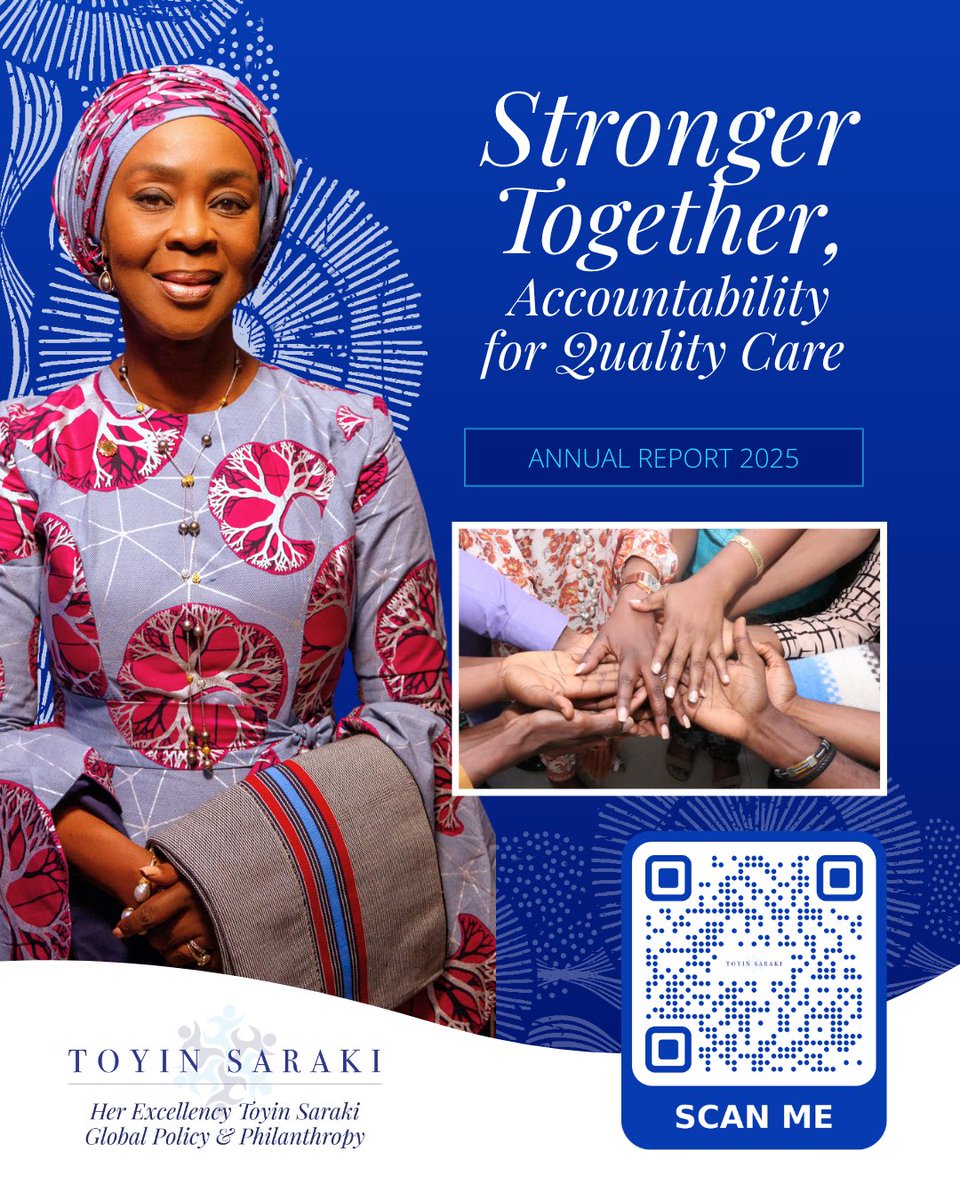
It is with profound honour that I present The Toyin Saraki Global Office Policy and Philanthropy Report 2025, published under the theme Stronger Together, Accountability for Quality Care, at a defining juncture in which the distance between declaration and delivery must be closed if the promise of universal, quality care is to be kept.
Where my 2024 report advanced the conviction that Collaboration is Multiplication, this year's report carries it into its next phase, for collective action acquires meaning only where its outcomes are measured. Partnership, in this understanding, is a discipline, requiring institutions to align policy, financing, implementation evidence, and accountability around care that is safe, respectful, and reliable.
Stronger Together names the understanding, and the actioning together, of women's, children's, and adolescent health, water, sanitation and hygiene, climate, and nutrition as a single indivisible agenda, in the spirit of the 2030 Agenda for Sustainable Development, in which progress in any one domain depends upon accountable movement in all.
My gratitude belongs to every @WellbeingAfrica partner who has upheld that standard alongside us, among them government, multilateral institutions, civil society, academia, and the private sector, and above all to the #WBFA midwives, nurses, doctors, and frontline health workers whose daily practice determines what those standards mean in reality.
Read the full report at https://t.co/WR33vthWLN
#AnnualReport2025
#StrongerTogether
#AccountabilityForQualityCare
#WellbeingForAll
As the work of High-Level Week at the 81st Session of the @UN General Assembly continued in New York, the delegation of my H.E. Toyin Saraki Global Policy and Philanthropy Office and the @WellbeingAfrica Foundation spoke at The Science Exists. Why Is Delivery Still Failing? Closing the Gap for Mothers, Children and Adolescents, the private breakfast roundtable convened by @ForeignPolicy in partnership with @ViiVHC and held under the Chatham House Rule, sharing the Foundation's frontline experience of health delivery in Nigeria.
The question posed in the title is precisely the one I carry as Co-Chair of the @AfricaREACH1 Leadership Council, where our purpose is to see a proven scientific and clinical protocol for the prevention of vertical transmission translated into routine service delivery reaching every mother, infant and adolescent on our continent.
Some 120,000 children acquired HIV through vertical transmission in the most recent year counted, and while 79% of adults living with HIV receive antiretroviral therapy, only 55% of children do, a disparity in coverage that has widened rather than closed. Nigeria remains among the countries carrying the largest numbers of children newly acquiring HIV, which places a particular duty upon all of us who work alongside our health system.
The means of prevention have been established for years, so the deficit lies in implementation, in antenatal services not reached, in testing not offered, in treatment not continued through the postpartum and breastfeeding period, and in paediatric formulations that do not arrive. Through #MamaCare360 and the midwives of my @WellbeingAfrica Foundation, we work precisely where those gaps open, in the antenatal and postnatal contact at which a mother and her infant can be tested, treated and retained in care.
As financing contracts, governments, industry and donors must protect the integration of HIV services within routine antenatal, newborn and adolescent care, so that no child begins life with an infection the world has long known how to prevent.
#UNGA81
#AfricaREACH
#EndPaediatricAIDS
#WellbeingForAll
1. MYTH: Hot water cleans hands better.
FACT: Water temperature matters less than proper technique. Washing hands thoroughly with soap and clean running water for at least 20 seconds helps remove germs that can contribute to infections in mothers and babies.
2. MYTH: Hand sanitiser kills all germs.
FACT: Alcohol-based hand sanitiser reduces many germs but does not eliminate every type. It is also less effective on visibly dirty or greasy hands. For mothers and caregivers, knowing when to use soap and water is essential for safer newborn and maternal care.
3. MYTH: Frequent handwashing damages the skin, so I should wash less often.
FACT: Frequent washing may cause dryness, but hand hygiene should not be skipped. Mothers, caregivers and health workers should maintain regular hand hygiene and moisturise appropriately to help protect the skin while reducing the spread of infection to themselves and their babies.
4. MYTH: Cloth towels are unhygienic.
FACT: Clean, dry and properly managed reusable towels can effectively dry hands. Regular washing and appropriate handling are important, particularly in households where mothers and newborns require frequent caregiving.
5. MYTH: Hand sanitiser is always better than soap and water.
FACT: Soap and clean running water are preferred when hands are visibly dirty or greasy. Effective hand hygiene is especially important before preparing food, feeding a baby, handling expressed breast milk, changing nappies or providing newborn care.
Through the WBFA – @Dettolnigeria Hygiene Quest Programme, the Wellbeing Foundation Africa promotes practical hygiene and infection-prevention practices that help mothers, caregivers, children and communities protect their health and wellbeing.
#Maternalmonday #Hygienequest
For preterm babies, every opportunity to support healthy growth and development matters. Mother’s own milk provides essential nutrients and protective components that support growth, development and protection from illness.
In Nigeria, only 29% of infants aged 0–5 months are exclusively breastfed, while just 36% are breastfed within the first hour of birth. These gaps reinforce the need for timely, practical and sustained support for mothers to initiate and continue breastfeeding.
For mothers of preterm babies, providing breast milk can present additional challenges, particularly when a baby is too small or medically vulnerable to breastfeed directly.
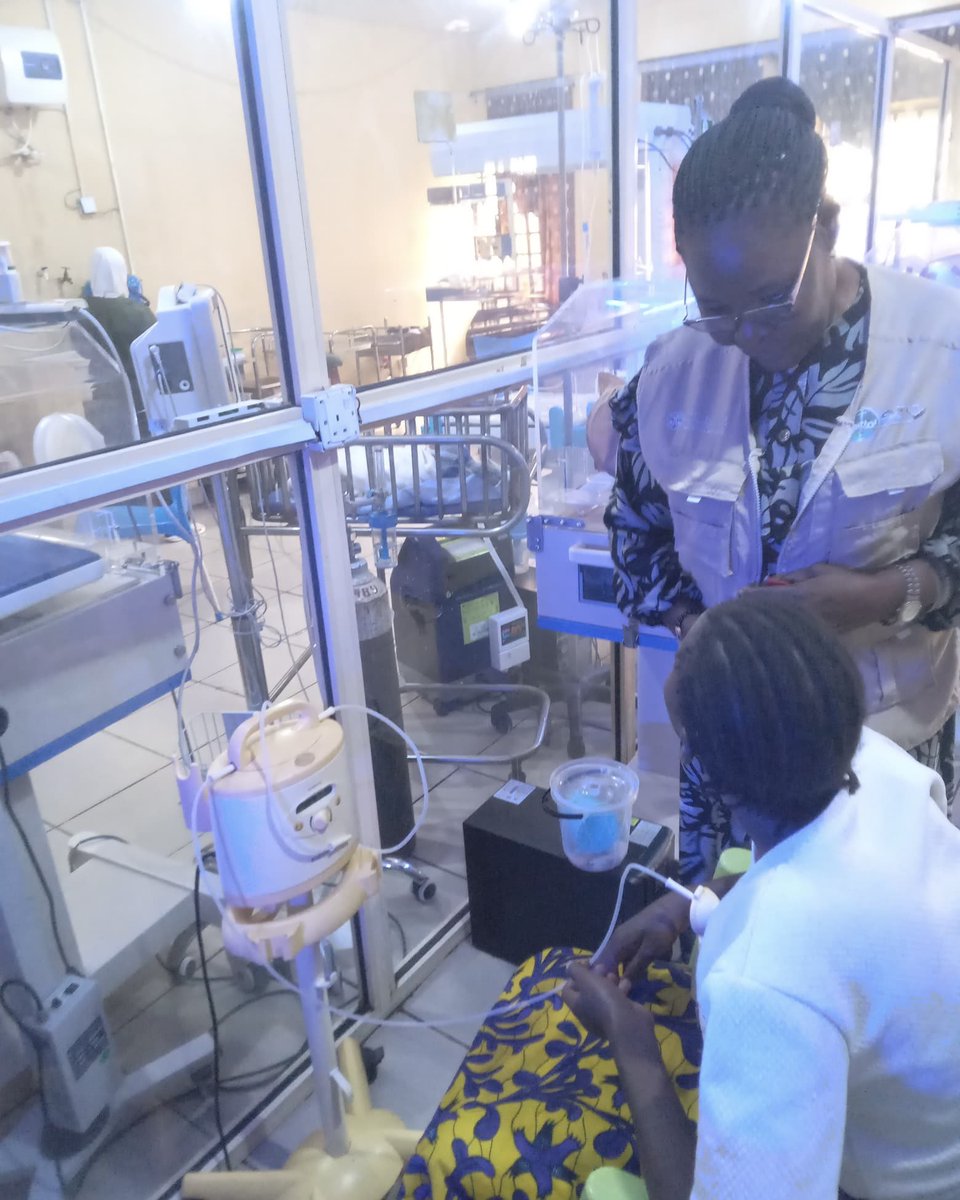
Through #MamaCare360 NICUPlus, mothers of preterms receive breastfeeding counselling and practical support to express, safely store and provide their own milk when direct breastfeeding is not yet possible. The programme also supports health facilities with breast pumps and guidance to help mothers maintain milk expression throughout their baby’s neonatal care.
This enables mothers to remain actively involved in their baby’s nutrition while the baby receives the specialised care needed in the NICU. Because when mothers are supported, they are better equipped to provide the nourishment their babies need to grow, develop and thrive.
#ThriveThursday
Good hygiene at home is more than keeping things visibly clean. Some everyday habits can easily be overlooked and create opportunities for germs to spread.
Here are some common family hygiene mistakes to watch out for:
▫️Not washing hands at the right times: Wash hands before preparing or eating food, after using the toilet, handling waste, or coughing and sneezing.
▫️Sharing personal items: Towels, toothbrushes, razors and other personal items can transfer germs between family members and should not be shared.
▫️ Neglecting high-touch surfaces: Door handles, taps, light switches, remote controls and phones can collect germs and should be cleaned regularly.
▫️Leaving wet items around: Damp towels, sponges and cleaning cloths can allow germs to multiply. Wash, dry and replace them regularly.
▫️Improper food handling: Keep raw and cooked foods separate, use clean utensils, and wash hands before handling food.
▫️Overlooking water storage: Store drinking water in clean, covered containers and handle it in ways that prevent contamination.
The WBFA-Dettol Hygiene Quest Programme continues to promote everyday hygiene practices that help families make safer choices at home and in their communities. Good hygiene is built into daily routines, and when these habits are practiced consistently, they can help reduce the spread of germs and create cleaner, healthier spaces for everyone.
Good hygiene starts with the habits we practice every day.
#WASHWednesday
As the delegation of my Global Policy and Philanthropy Office and the @WellbeingAfrica Foundation opened our #UNGA81 High-Level Week programme, it was a privilege for my office to join @EveryPregnancy, the coalition on whose Advisory Board I am honoured to serve, at @GoalsHouse for From Pipeline to Pregnancy, convened together with @Philips and the Office of the Senior Special Assistant to the President on Women's Health.
Moderated by Isra Chaker @IsraSpeaks, Founder and CEO of Every Pregnancy, the conversation brought together Dr Zaher @Sahloul, President and CEO of @MedGlobalOrg; Mazen Mokhtar, CEO of @Baitulmaal; Dr Matthew Rielly, Ventures Business Leader at Philips; and @Dr_Adanna, Senior Special Assistant to the President of Nigeria on Women's Health, with remarks from Dr Rasa Izadnegahdar of the @GatesFoundation, each speaking to how financing, frontline partners and innovation can meet a mother across the whole pathway of her care.
In 2023, an estimated 260,000 women lost their lives to complications of pregnancy and childbirth, the equivalent of one mother every two minutes, and seven in ten of those deaths occurred in sub-Saharan Africa, despite the overwhelming majority being preventable with skilled and timely care. Every Pregnancy, the world's first Zakat-approved Muslim collaborative for maternal and newborn health, is changing how communities of faith respond, channelling giving through trusted local partners to mobilise $91 million from more than 192,000 donors during Ramadan 2026 and nearly $130 million for mothers and newborns since 2024.
I encourage every partner in this room and beyond to keep aligning resources behind the midwives, health workers and local organisations who carry this work each day, a commitment the Wellbeing Foundation Africa shares through our own work alongside midwives and nurses across Nigeria, so that every mother is assured a safe pregnancy.
#UNGA81
#EveryPregnancy
#WellbeingForAll
As my Global Office and @WellbeingAfrica Foundation delegation continued its #UNGA81 engagements, it was a privilege for my office to attend Health Resilience in the 21st Century, Delivering Outcomes Amid Shocks and Stressors, convened by The @RockefellerFdn and @Seed_Global Health, on whose Board of Trustees I am honoured to serve, and livestreamed to audiences around the world.
Nigeria's voice opened the programme, as the Honourable Minister of Finance and Coordinating Minister of the Economy, Mr @taiwoyedele, delivered an opening address, and it was especially meaningful to hear him speak to the central role of finance ministries in building health systems that endure.
A second panel on resilience from the ground up, moderated by Manisha Bhinge of the Rockefeller Foundation, heard from Dr Monika Moir of Stellenbosch University, Dr Agostinho Sousa of the UK Health Security Agency, Dr Mebratu Massebo of Ethiopia's Ministry of Health and Joy Phumaphi of the African Leaders Malaria Alliance, followed by a conversation between Dr Vanessa Kerry, Co-Founder and CEO of Seed and WHO Director-General's Special Envoy for Health Resilience, and Hon. Budi Gunadi Sadikin, Minister of Health of Indonesia, and closing remarks from Dr Naveen Rao.
Seed's partnerships with governments and universities have trained more than 47,000 doctors, nurses and midwives across Africa, and the Wellbeing Foundation Africa holds the same conviction in Nigeria, where our midwives, nurses, doctors and health workers help keep care for women, children and adolescents within reach across the life course when systems come under strain.
I invite governments, philanthropies and partners to treat the health workforce as core infrastructure and to finance resilience through integrated, country-led primary health care, placing mothers and newborns at the centre of every preparedness plan. My thanks to the Rockefeller Foundation, Dr Kerry and Seed, and to the Honourable Minister for bringing Nigeria's perspective to so important a conversation.
#UNGA81
#HealthResilience
#HealthWorkforce
#WellbeingForAll
A clean school environment supports healthier learning and helps reduce the spread of infections. With students sharing classrooms, toilets, playgrounds, desks, and other facilities daily, maintaining good hygiene is a shared responsibility.
Students can contribute to healthier school environments by keeping their surroundings clean, disposing of waste responsibly, and washing their hands with soap and clean water at critical times, particularly before eating and after using the toilet.
Teachers play an equally important role in reinforcing these practices. As students spend a significant part of their active hours in school, teachers are well positioned to integrate hygiene education into everyday learning, model appropriate hygiene behaviours, reinforce good practices, and encourage students to take responsibility for their shared environment. Consistent reminders, supervision, and positive reinforcement can help turn hygiene lessons into habits that extend beyond the classroom.
The WBFA – @Dettolnigeria Hygiene Quest Programme engages students and teachers in practical hygiene education, equipping them with the knowledge and behaviours needed to maintain cleaner, safer, and healthier schools. By strengthening hygiene knowledge and reinforcing everyday practices, the programme supports school communities to make hygiene a sustained part of daily life.
#TeachingTuesday
As the world commemorated the World Cleanup Day yesterday, we are reminded that more than one billion meals are wasted globally each day, contributing to environmental pollution and the loss of valuable resources. The UNEP Food Waste Index Report 2024 estimates that 1.05 billion tonnes of food were wasted at household, food-service and retail levels in 2022.
The World Cleanup Day 2026 theme, “From Clean Plates to Clean Cities,” highlights how responsible food and waste management can contribute to healthier communities.
Through the WBFA - @DettolNigeria Hygiene Quest Programme, the Wellbeing Foundation Africa is advancing practical WASH knowledge and responsible environmental practices across communities. By engaging households, schools and community members, WBFA promotes everyday actions that help reduce environmental contamination, improve hygiene and protect community health.
From reducing avoidable food waste to disposing of refuse responsibly and keeping shared spaces clean, WBFA continues to support communities in turning practical hygiene knowledge into healthier environments.
#WorldCleanupDay2026 #WASH #Hygiene #FoodWaste #CleanCommunities