We in the Wernig lab are excited about coding neurons and glia by reprogramming and develop human cell models and next generation cell therapies for the brain
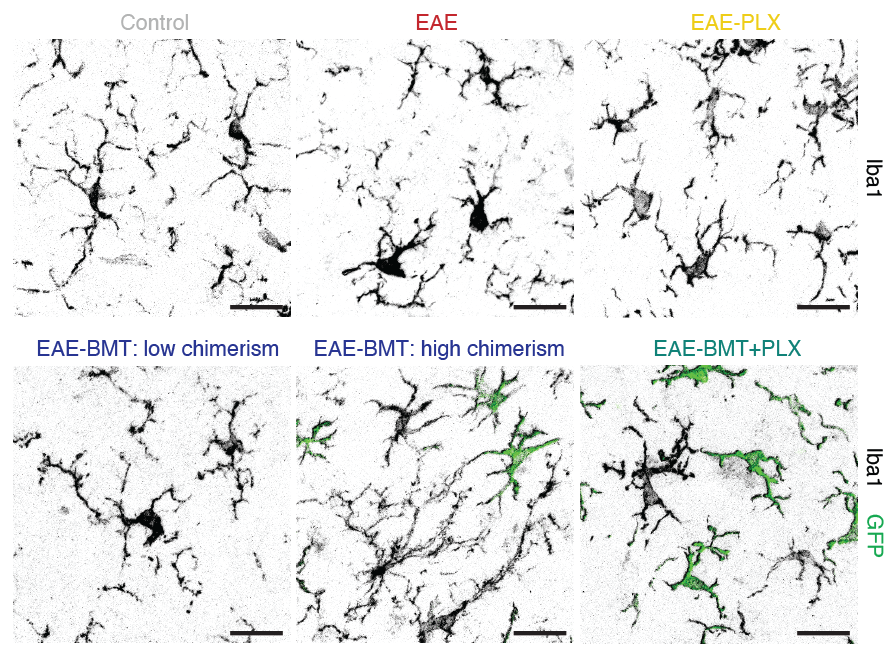
A reactive myeloid state is neuroprotective in chronic neuroinflammation that can be enhanced by microglial replacement! Congrats to @marius_mader and all co-outhors in collaboration with @wysscoray and Larry Steinman. thanks @NatureNeuro! https://t.co/9GTIGUFC36
LYTACs pioneered by @CarolynBertozzi opened the door to degradation of cell surface and extracellular proteins through lysosomal targeting. Here, we introduce genetically-encoded LYTACs, or GELYTACs, which are (1) easier to produce by recombinant expression (LYTACs, antibody conjugates to glycopeptides, are harder to make), (2) amenable to engineering via directed evolution, and (3) possible to secrete from therapeutic cells such as T-cells.
We demonstrate degradation of various soluble targets, including TGFb, IL6R ectodomain, and mCherry with GELYTACs optimized via yeast display directed evolution, added either as recombinant protein or secreted from living T-cells.
Congratulations to lead author @Jony_theChemist, our wonderful collaborators Sean Yamada-Hunter, @LouaiLabanieh and @molecular_elena from the @mackalllab, and great teaming up again with the formidable @CarolynBertozzi.
https://t.co/WVYAadruBP
Excited to share that Cheen’s paper got published in PNAS today! We found that Emx1+Ngn2 produces more homogeneous excitatory forebrain neurons than Ngn2 alone. https://t.co/B8JQIctOvT. Thanks @PNASNews and all co-authors!
Stanford Neurosurgery seeks a basic or translational neuroscientist with a proven track record in molecular and cellular neurobiology to join the Department as Assistant, Associate or Full Professor. @StanfordBrain#neurojobs#neurotwitter
Apply here: https://t.co/7AExBrsWvW
The Next Gen Faculty Symposium is back!
If you’re a postdoc or grad student going on the faculty job market, this is a great launching pad.
https://t.co/wUZMDOG4Fs
Organized by @fordycelab@airstreets Jason Sello
of @UCSF@Stanford and @UCBerkeley
Please retweet 🙏
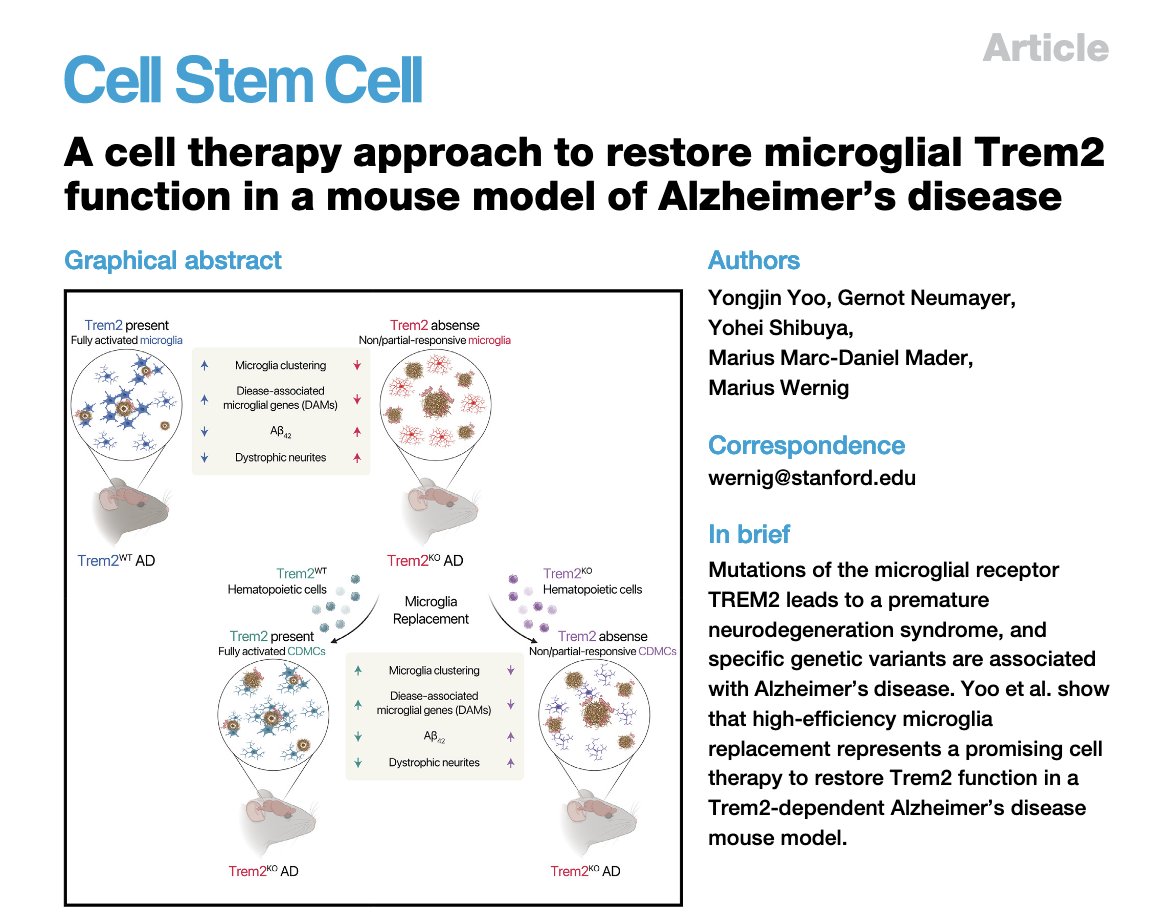
Check out our new exciting @CellStemCell paper that shows microglia replacement can restore Trem2 function in a mouse AD model. Congratulations Yongjin @yongjinyoo and the other contributors from the lab!
https://t.co/vY06NmhSuB
Check out our new paper where we identified a neuroprotective microglial state in chronic EAE enhanced by hematopoietic cell transplantation. Congrats to @marius_mader and team and thanks to our collaborators Larry Steinman and @wysscoray! https://t.co/VSVEjF2Pa1
Our newest endeavor to regenerate neurons from glia is out now @ScienceAdvances. In this paper we try and coax Muller glia to regenerate retinal ganglion cells (Brief overview below)
https://t.co/PPpIAacrv3
Thrilled to share our new paper by @_justynajanas on the surprising role of Tip60 on H2A.Zac, neuronal fate specification and bivalent gene activation. Many thanks to our collaborators, Or Gozani, Peter Jackson and @eliaslab1, and to @MolecularCell! https://t.co/foBzEKAHM7
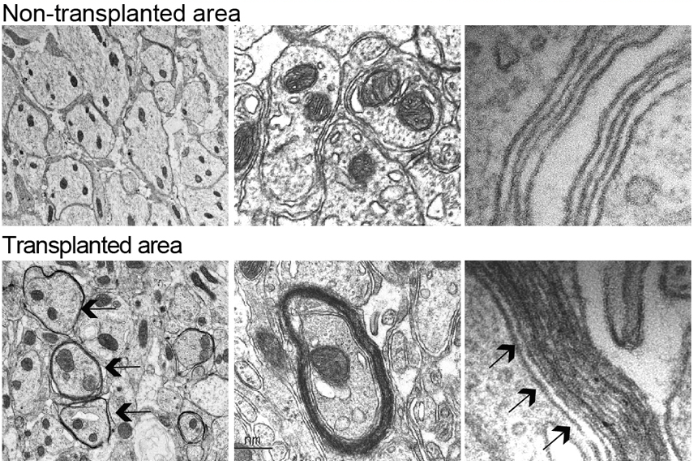
congratulations to Koji @IPeaceInc_J and Hiroko to have accomplished the successful conversion of human fibroblasts to iOPCs!! and thanks to @Dev_journal for publishing it
In their Open Access Research Article, Koji Tanabe, Hiroko Nobuta, Marius Wernig @WernigLab and colleagues present their protocol for rapid generation of human oligodendrocytes from human dermal fibroblasts. 2/10
#OpenAccess#ReadandPublish
https://t.co/zPmsdVOQkT
Check out iPeace Inc. by Koji Tanabe, Shinya's former student and my former postdoc at Thursday's lunch showcase at #ISSCR2022 annual meeting in SF. He is truly transforming iPS cell generation enabling autologous applications.
So wonderful to meet colleagues and friends in person again. Thanks @YaleSCC for inviting me and this picture! I truly enjoyed my visit. See you soon again at @ISSCR meeting in San Francisco!
Myt1l is a powerful reprogramming factor and high confidence autism gene. In a great collaboration with @MarkusWohr and @SudhofThomas labs we found intriguing behavioral phenotypes in Myt1l+/- mice. Congrats and thanks to all co-authors!
Our Myt1l study on the @SFARIorg top-ranked autism candidate gene is now published with @SpringerNature in @MolecularAutism. Collaborative project @Stanford supported by @AvHStiftung. Thanks to @WernigLab and @SudhofThomas lab members for all the support. https://t.co/Nd5F2QIipk
Can #microglia be harnessed as a therapy? NYSCF – Robertson #StemCell Investigator Alumnus @WernigLab and team incl. NYSCF – Druckenmiller Fellow @yongjinyoo found a way to replace the immune cells of the brain, improving neurological disease in mice: https://t.co/rfgnoV2Dzp
How do genetic and environment interact to alter microglia states and functions in health & disease?
Excited to share preprint collaboration with @macosko led by @MartineTherrie4@dolanmjg@sasajereb and many others
https://t.co/MgIDcuCfZF
1/x
At AD/PD, Aβ immunotherapy scientists showed new analyses of old data to try to bolster their claim that clearing plaque slows cognitive decline. #alzheimersdisease https://t.co/Gl0GXGIpu5
The Buck Institute for Research on Aging has an opening for a new faculty member at Assistant, Associate, or Full Professor. We are seeking an outstanding candidate who works on the Biology of Aging and/or Age-Related Diseases.
Job link: https://t.co/iZ4TmUoVh5 #sciencejobs