79% of J&K Teens of ages between 14 & 16 Use Smartphones for Social Media, Only 64% for Education: ASER 2024 Survey.
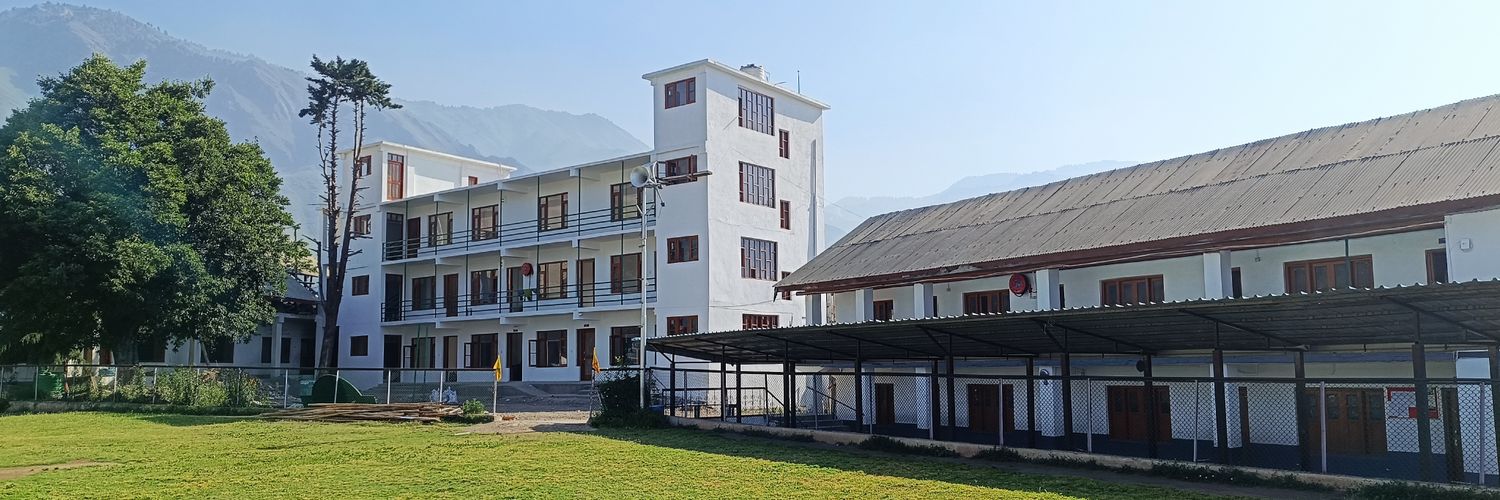
The Pathetic state of education in Govt Schools.
English kept me tied even when I wanted it to let me go. They would not educate us in our own culture and language, and instead exiled us into a universe that was not ours.
Brilliant essay by a dear friend Ashaq Hussain Parray.
https://t.co/dGGaXUtUqL
If bookstores had michelin stars, wardah books singapore would at least have two, arguably the best english bookshop entirely dedicated to islamicate tradition/literature in the world.
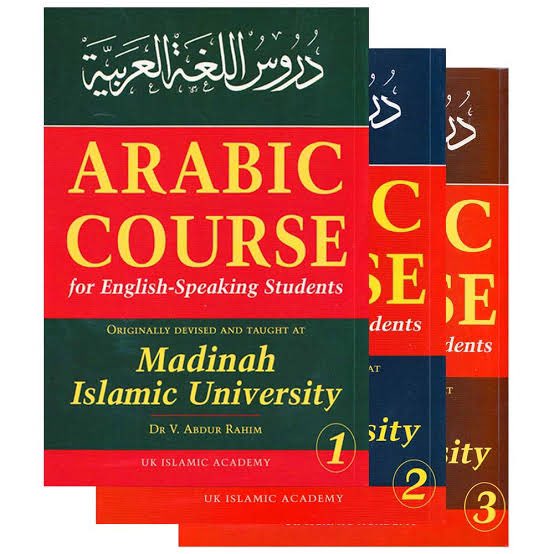
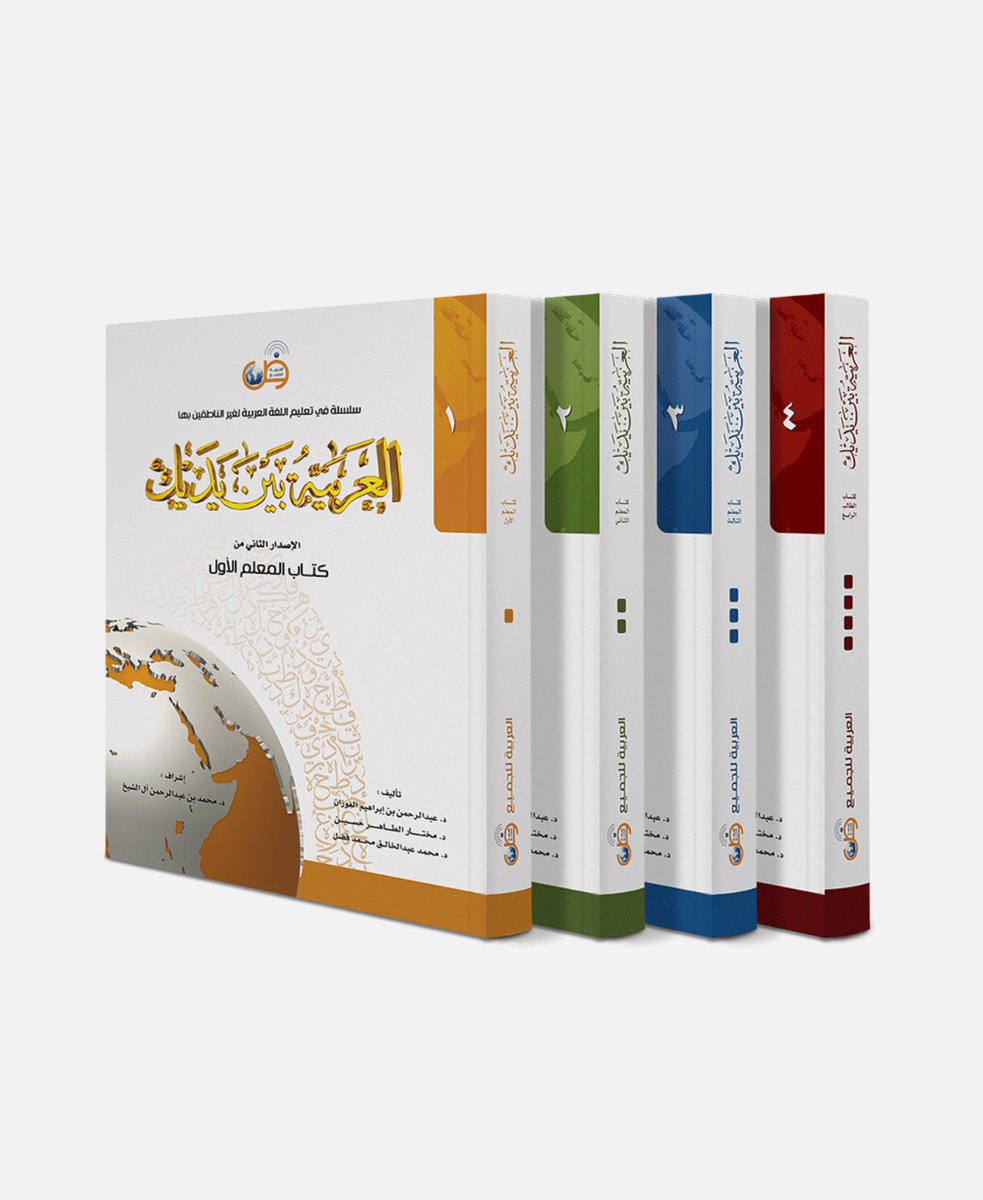
We might have went a little overboard with the haul.
The maximalist reading of having a good opinion of others (ḥusn al-ẓann) — treat every claim, every claimant, every fund-raiser charitably, and treat any skepticism as a moral defect — collapses categories that Islamic tradition maintains distinct.
The actual standard is more of a two-tier structure. Where no right of others is at stake, particularly private affairs, ḥusn al-ẓann governs. As the famous counsel of Ibn Sīrīn has it, “If something reaches you about your brother, seek an excuse for him; if you find none, say: 'Perhaps he has an excuse I do not know.'”
But in the domain of ḥuqūq (rights) — testimony, religious knowledge, money, fundraising, etc.— the governing values are clarification (tabayyun), prudence (ḥazm), and faithful trusteeship (amāna).
God commands that reports be verified, not presumed true: “If an iniquitous person comes to you with tidings, then be discerning, lest you harm a people out of ignorance and become remorseful over that which you have done” (Q 49:6). This presupposes assessing the character of the source before accepting a report. The Prophet ﷺ advised to maintain vigilance: “The believer is not stung from the same hole twice.” Naïveté repeated is not a virtue.
Where rights are at stake, Islamic law does not operate on presumptive trust: integrity of witnesses must be formally established. The entire science of ḥadīth criticism rests on scholars publicly declaring certain narrators unreliable. When ʿUmar vetted a character witness, he asked: Have you been his neighbor? Traveled with him? Dealt with him in money? When the man answered no to all three, ʿUmar concluded he did not truly know him.
The strategy of manipulators is to import the ethic of the first tier into the second. They reframe due diligence as sūʾ al-ẓann (suspicion and conjecture) and warranted criticism as ghība (backbiting), weaponizing the community’s virtues against it. But extending unexamined trust in matters of rights is not virtue; it is negligence. Ḥusn al-ẓann is a discipline of the heart toward private conduct. It is not a license to hand the community’s money, trust, and religion to anyone who asks.
People have replied with lots of good suggestions on resources on the crisis of liberalism/The West brought on the Gaza war(s). I'm making a thread here for them, in no particular order. Some are books, some articles, some podcasts associated or not associated with books, etc:
More than 10,000 locals were hit by pellets in Kashmir from 2010- 2016, hundreds of them losing eyesight in one or both eyes. Ask their families how they have suffered.Dead eyes, crippled bodies.
Gutka Devgun: let's poke fun at them, rub in a little more!
https://t.co/vd963gRmBO
#OpenAccess
Neo-traditionalism in Islam in the West
Orthodoxy, Spirituality and Politics
Walaa Quisay, Edinburgh Univ Pr, 2023
PDF 🎯
https://t.co/GnOXc54QOQ
https://t.co/n5cpf6aTr8
Excellent new addition to the Makers of the Muslim World Series, a volume on the brilliant Shah Waliyullah Dihlavi by SherAli Tareen. @OneworldNews@SheraliTareen https://t.co/0SfEaVzVd8
"Imam's work seeks to recover alternative ways of imagining a radically different political order grounded in agency, justice, and radical critiques of nationalism itself."
https://t.co/jqDeWYlaWl
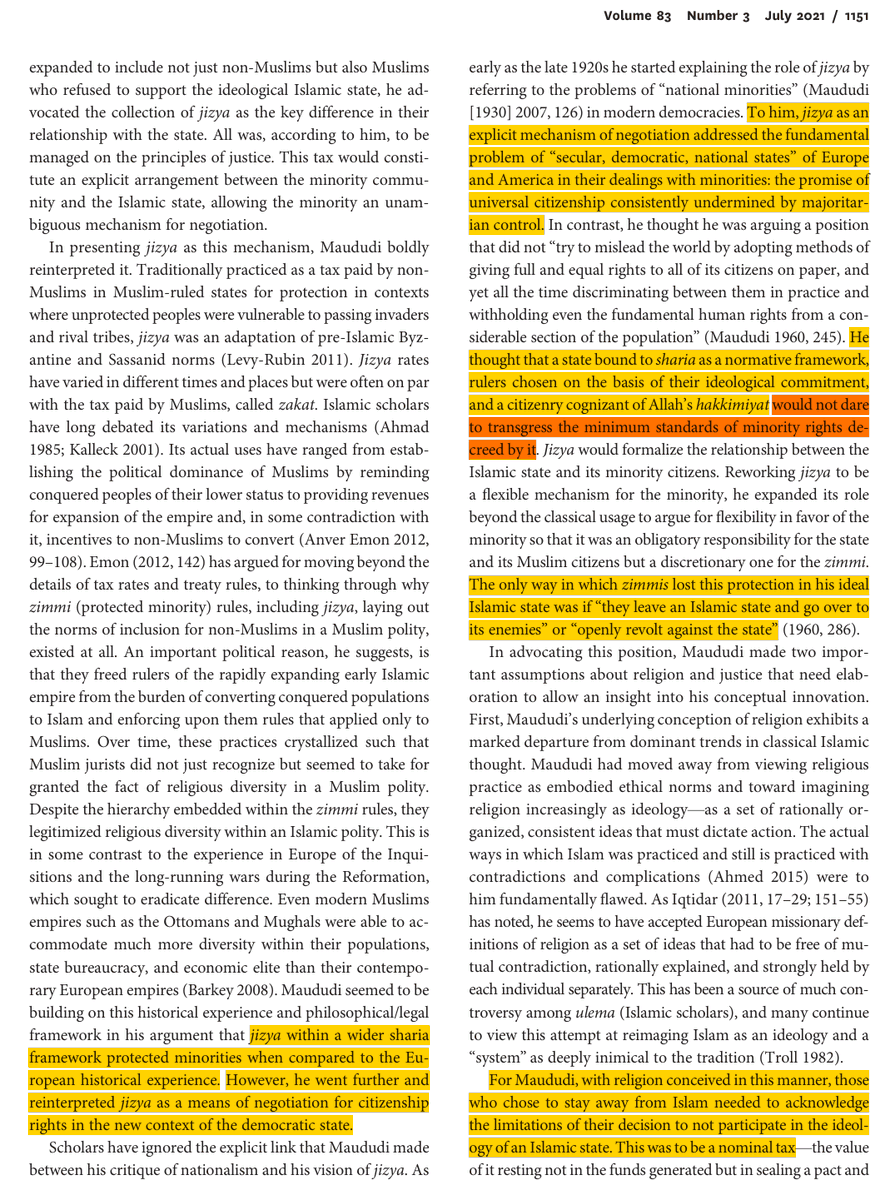
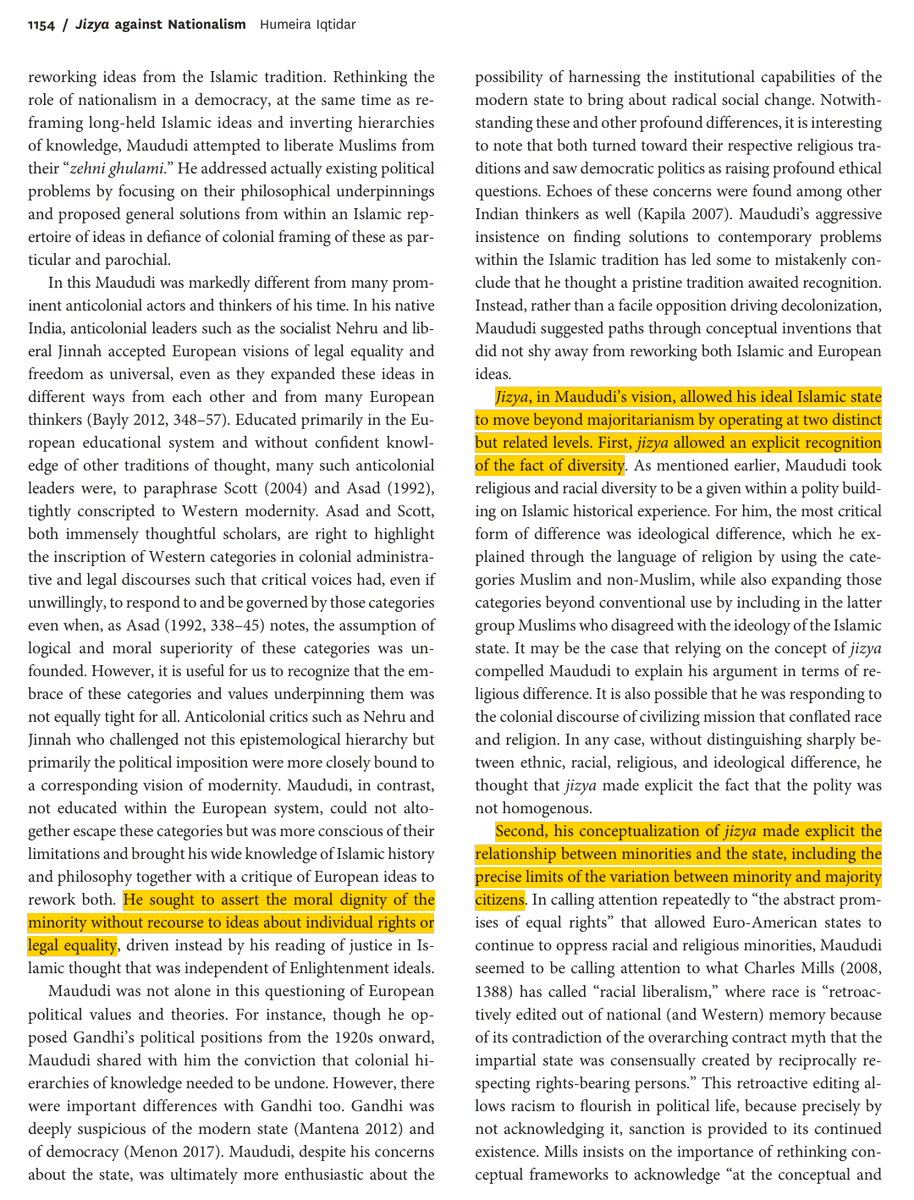
Humeira Iqtidar argues how Maududi's vision of an Islamic state—one that imposes Jizya on its non-Muslim subjects—should be seen as a DECOLONIAL response to the failure of "secular, democratic, national states" to resolve the minority question. (1/n)
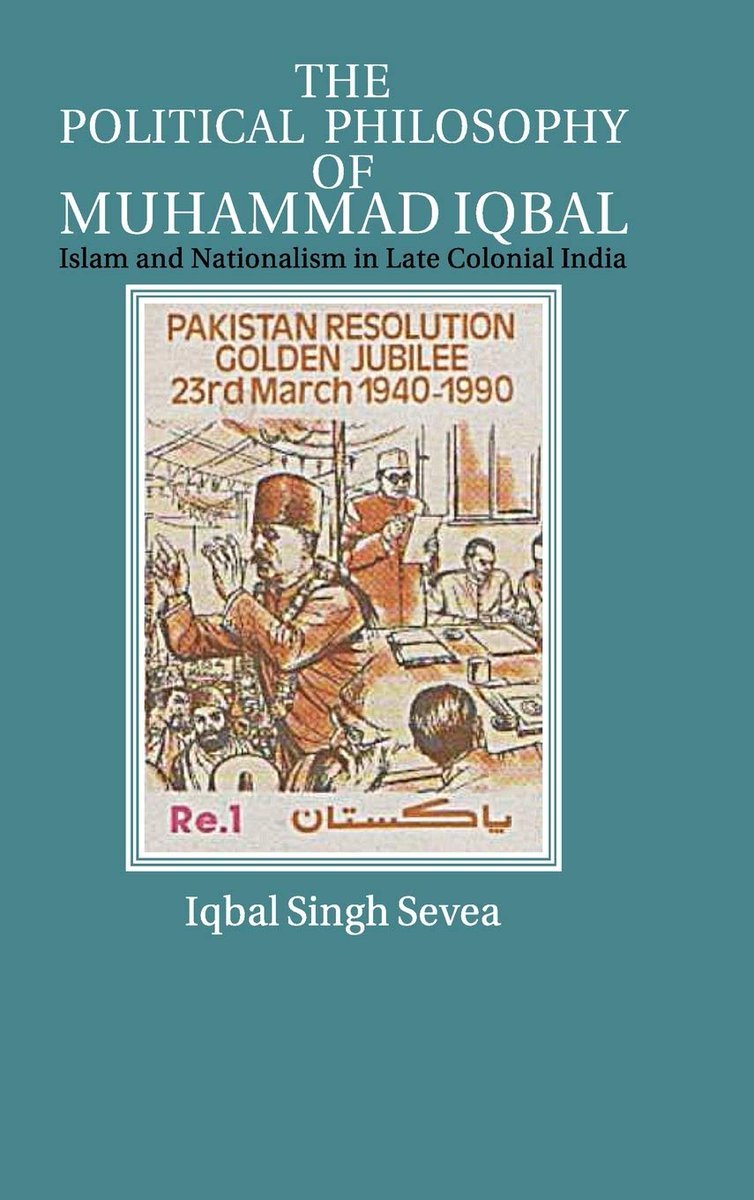
The Political Philosophy of Muhammad Iqbal: Islam and Nationalism in Late Colonial India
Iqbal Singh Sevea. Cambridge Univ Pr, 2012
https://t.co/8eBZPwwAtg
PDF 🎯
https://t.co/42KNNckEQL
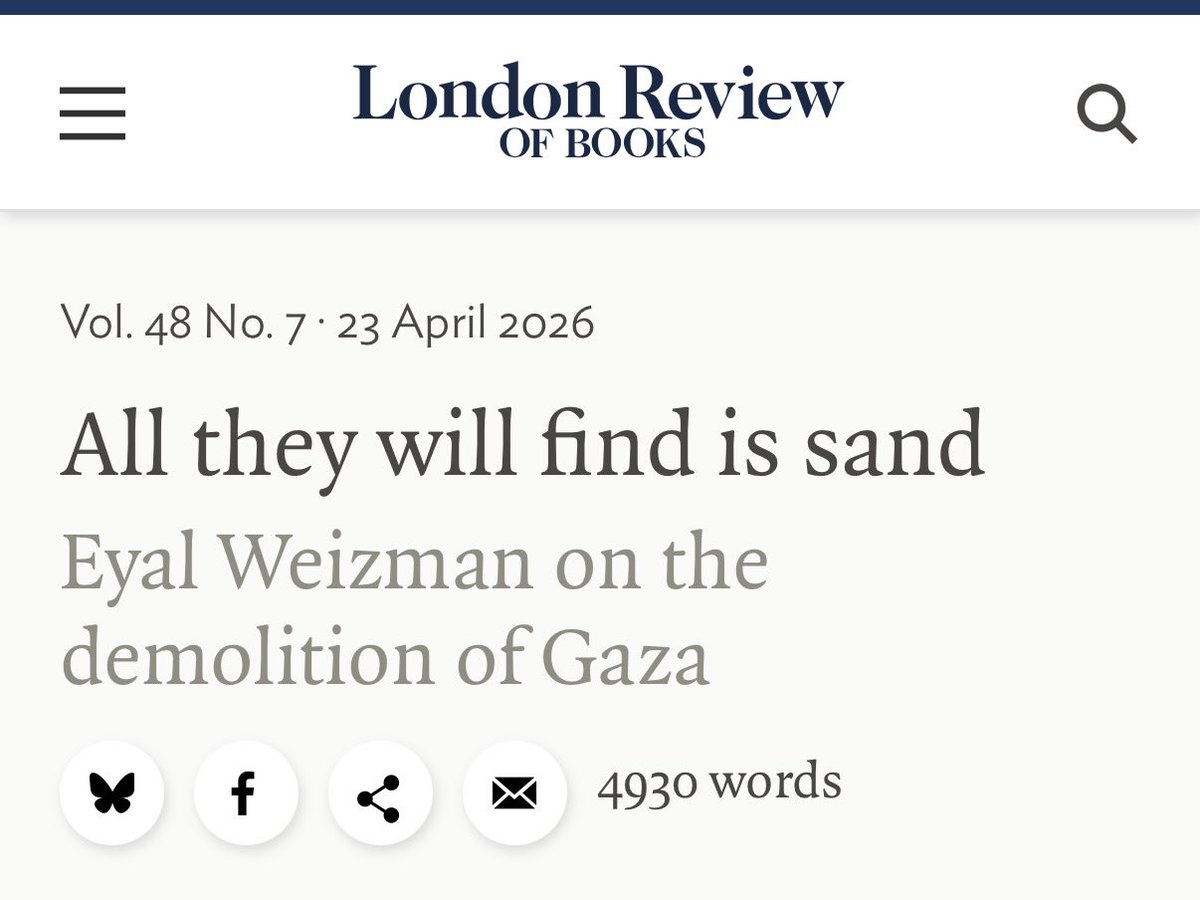
Absolute must read. You don’t just need gas chambers to commit genocide. Level the homes, poison the water, erase the hospitals—make human survival impossible.
“All they will find is sand” isn’t a metaphor, it’s a strategic plan to erase a civilisation
https://t.co/Te4qTbBE4e
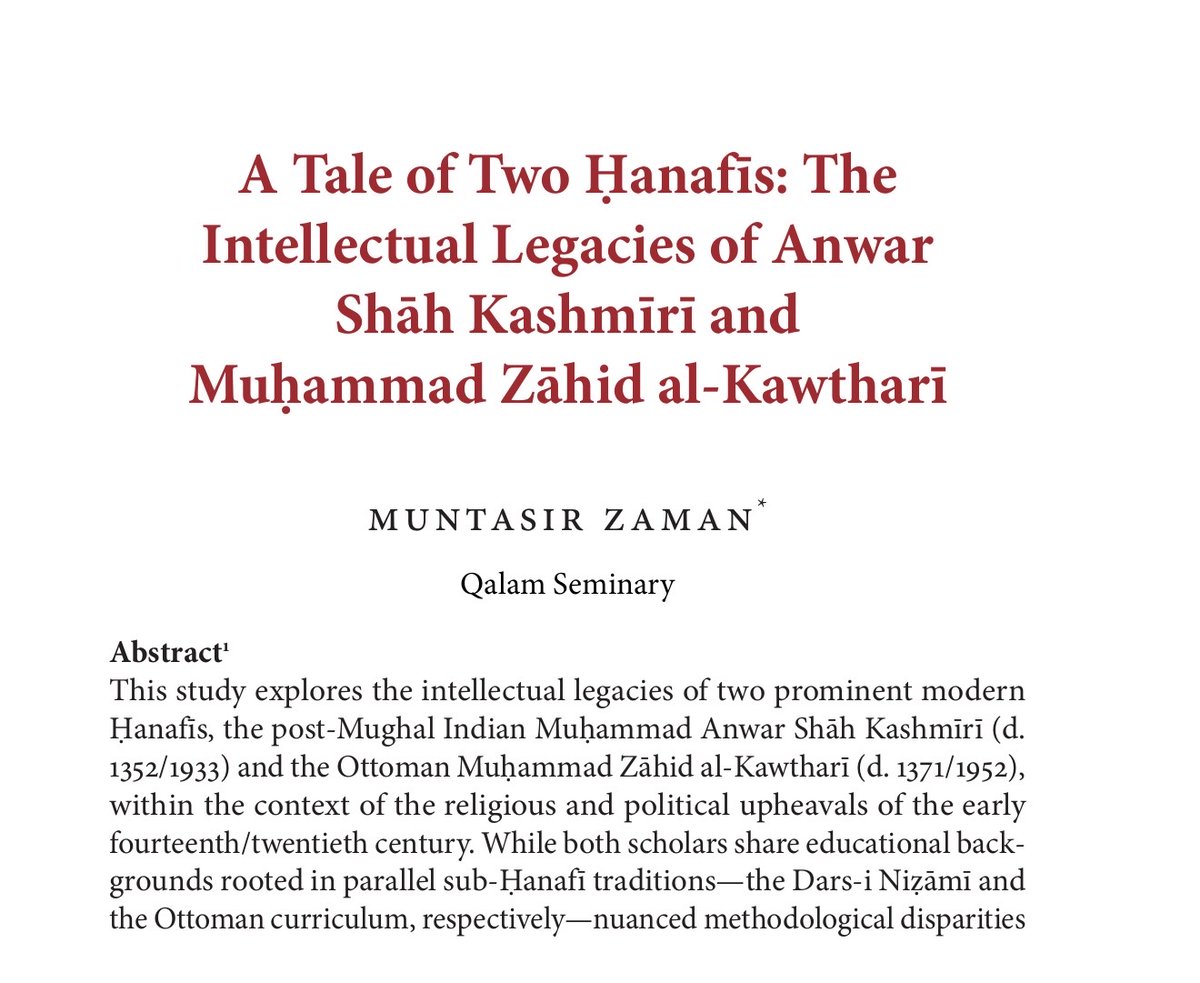
My paper examining the intellectual legacies of Anwarshāh Kashmīrī and Zāhid al-Kawtharī, two towering 20th-century Ḥanafī scholars, is now available for download.
https://t.co/x8BIbl4gV4
In 2013, Yale professor Ben Polak gave a legendary 1-hour lecture on Game Theory.
It will change how you make decisions in negotiations, business, and life.
His frameworks:
• Dominance arguments
• Backward induction
• The proactive bias
12 lessons to make better decisions:
Congratulations to Mehdi Berriah and Arjan Post for a fascinating collection of new studies on Ibn Taymiyya and his legacy. Available in hardcopy or open access (next post) https://t.co/3DtVKdPRV2
Came across this in @Substack- where I mostly reside tbh - well worth your time..
'How to Teach Yourself Political Philosophy (A 9-Step Roadmap)' - by @SamuelRinko
https://t.co/0WxpLdLioP