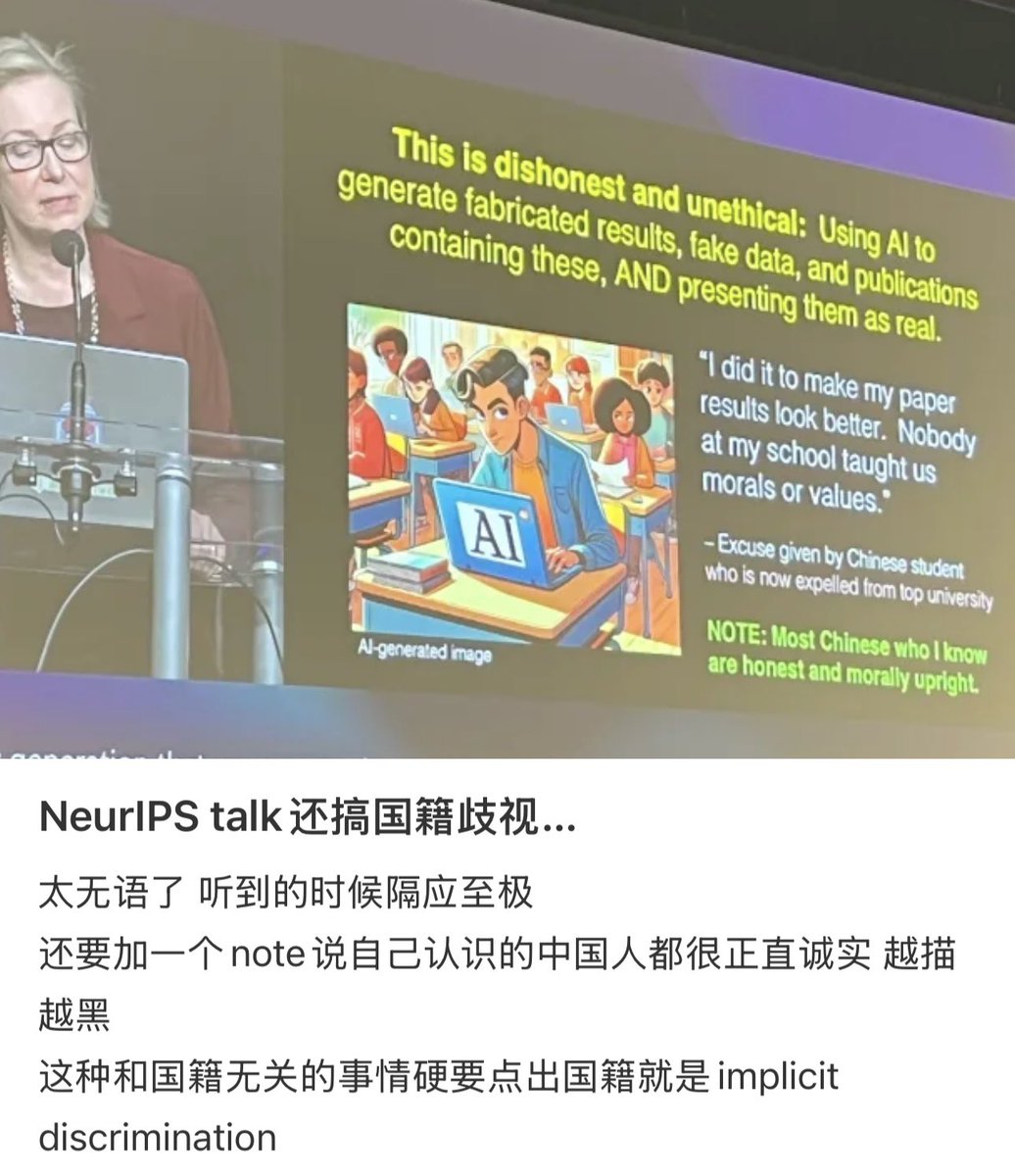
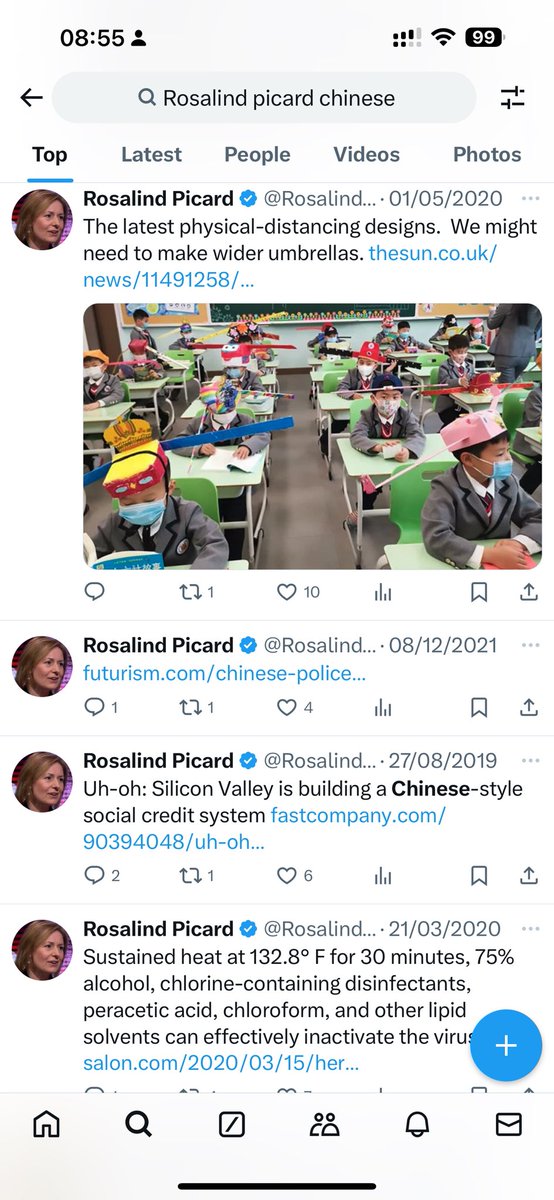
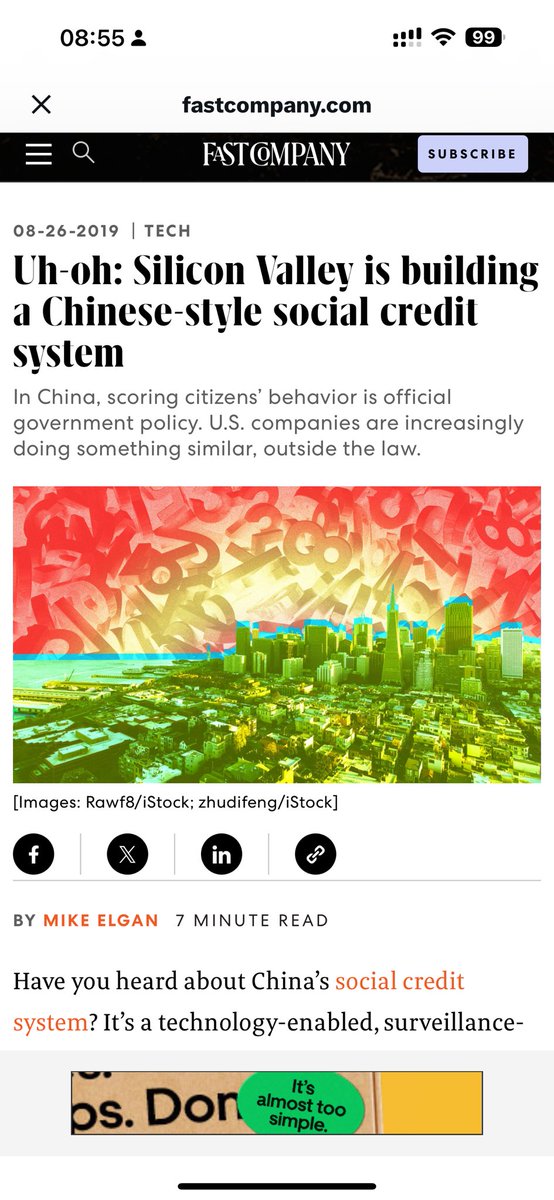
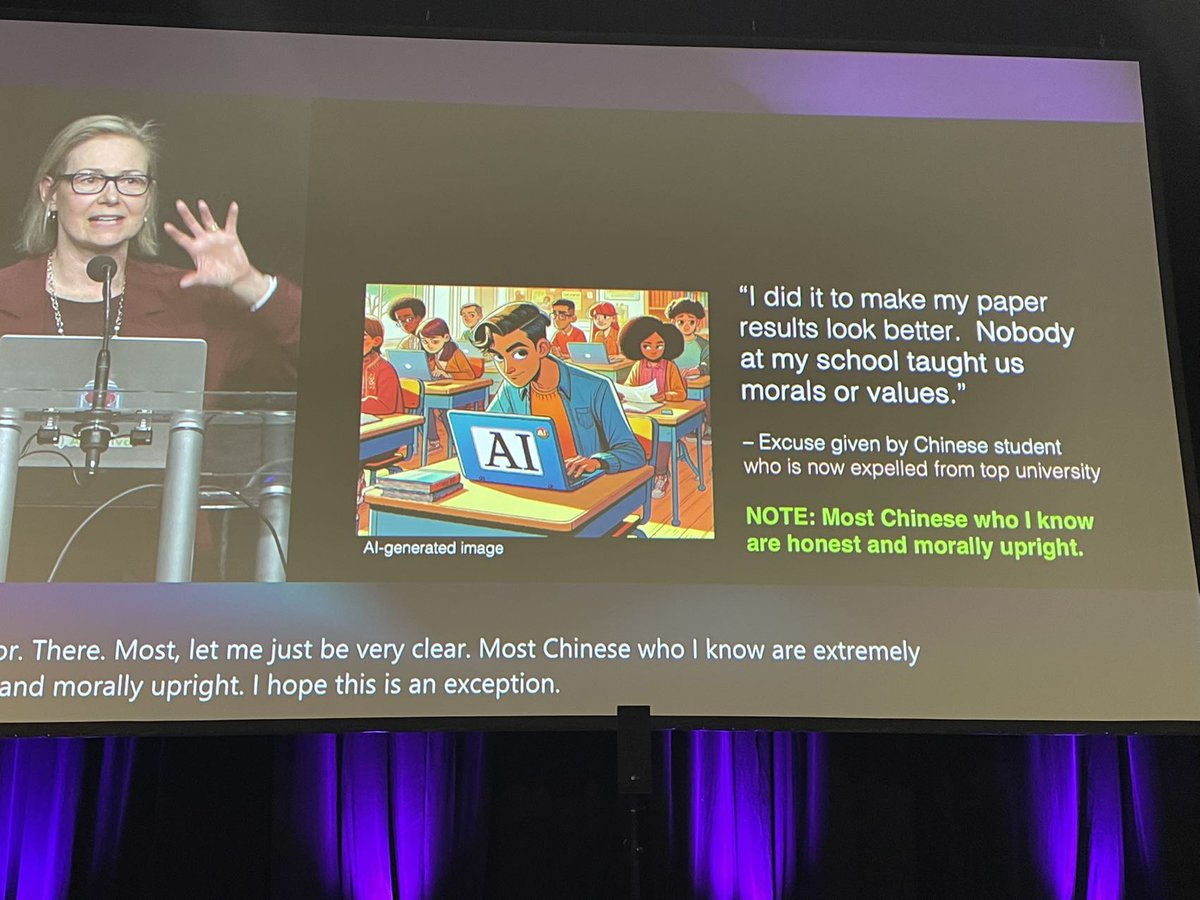
Someone confronted on the spot, and they said “ Maybe there is one, maybe they are common, who knows what. I hope it was an outlier.” Even this explanation is full of implicit racial bias. See the full conv: https://t.co/s8Wzh4VxEw
Remember this habitual offender of racial discrimination. Shame of @MIT 🙃
Hallucination is not a problem of AI, it’s a problem of this group of humans, no? Once we eliminate their corpus from the training set we might solve the hallucination problem:)
I'm shocked to see racism happening in academia again, at the best AI conference @NeurIPSConf. Targeting specific ethnic groups to describe misconduct is inappropriate and unacceptable. @NeurIPSConf must take a stand. We call on Rosalind Picard @MIT@medialab to retract and apologize for her statement.
Excited to share our latest publication in single-cell clustering! Check out our paper on "Ensemble deep learning of embeddings for clustering multimodal single-cell omics data" (Now Published!) at https://t.co/fdctTJ9Lgk
Sorry, I'm late. A new paper of clustering multimodal single cell data is posted at bioRxiv.
A huge thanks to @ChunleiLiu0 and my amazing supervisor @PengyiYang82 and @jeanyang21 for the their support and guidance over the course of this project.
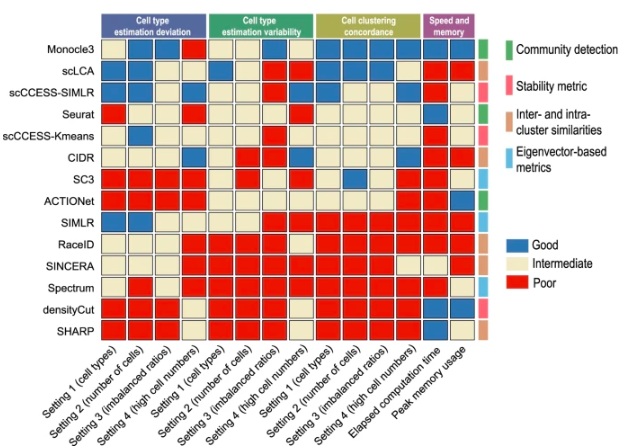
Benchmarking of clustering algorithms on single-cell RNA-seq data, for cell type estimation, from @YuLijia, @PengyiYang82 & co. They assess 14 methods from 4 categories, on datasets from Tabula Muris and Tabula Sapiens, and ranked for different tasks https://t.co/981VoQ4kch
Sorry, I'm late. A new paper of clustering multimodal single cell data is posted at bioRxiv.
A huge thanks to @ChunleiLiu0 and my amazing supervisor @PengyiYang82 and @jeanyang21 for the their support and guidance over the course of this project.
Continue on her highly successful study on the number of cell type estimation in #singleCell using clustering, @YuLijia led the development of a method for #ensemble deep learning of embeddings for clustering multimodal single-cell omics data https://t.co/tFMxgS3dmN. RT please.
My first preprint is out on bioRxiv!✨
The identification of genes that vary across spatial domains in tissues/cells is an essential step in spatial transcriptomics data analysis. Given this, we evaluate the performance of various proposed SVG methods. https://t.co/OxJ8RtbwyF
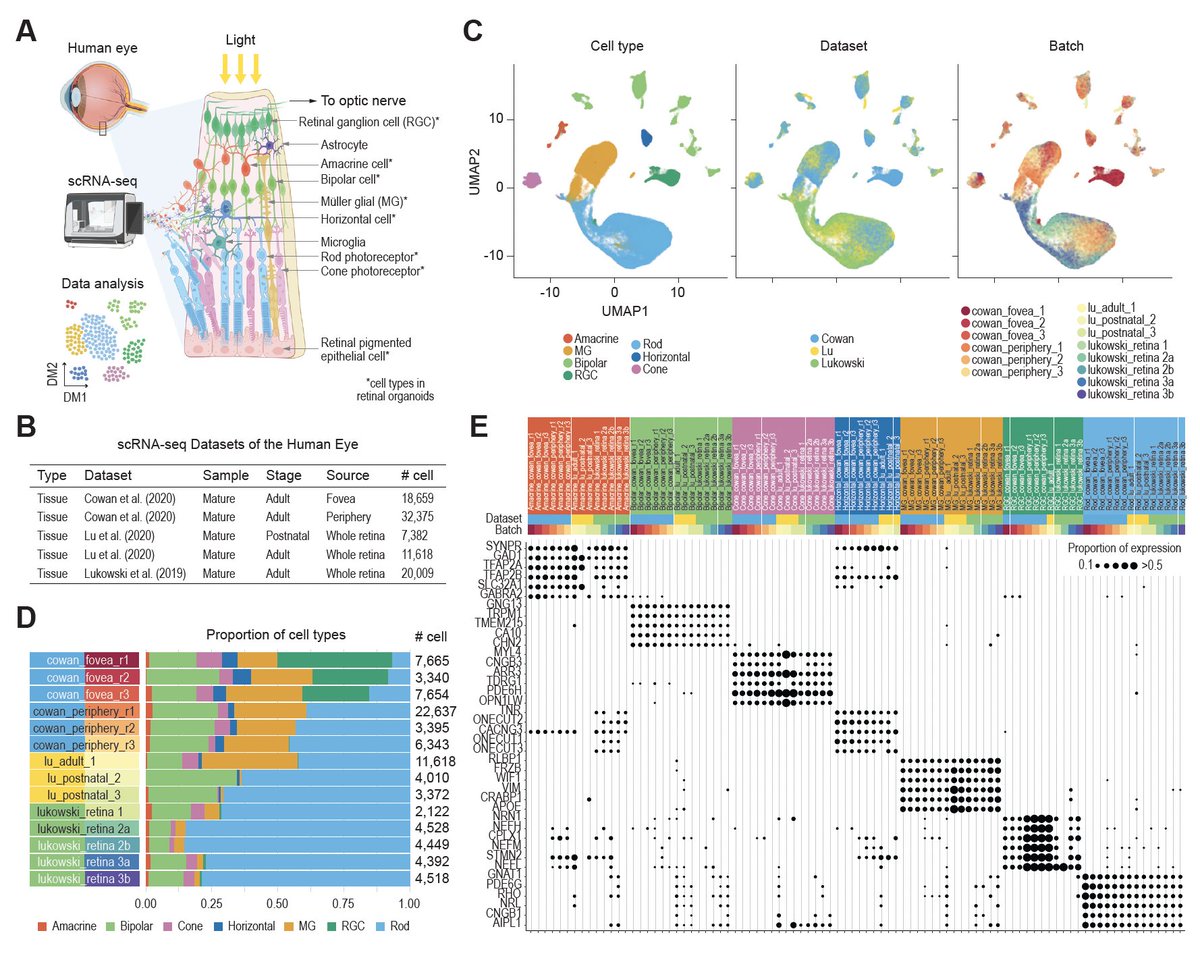
How well do “mini-organs” in a dish recapitulate the human tissue? We set out to answer this question for the human eye, a super fascinating organ! I'm excited to share our preprint on @biorxivpreprint. Check out the full story through the link! 🧵https://t.co/3501IKJdJB
Very excited that our latest work scJoint integrates atlas-scale single-cell RNA-seq and ATAC-seq data with transfer learning is finally out @NatureBiotech! https://t.co/zFK1pkjDHx It is a joint work and a great collaboration between Wong Lab @Stanford and @sydneybioinfo
8/8 We thank our amazing reviewers and editors who helped substantially improve the quality of this work! We will continue benchmarking new methods and new updates on old methods.