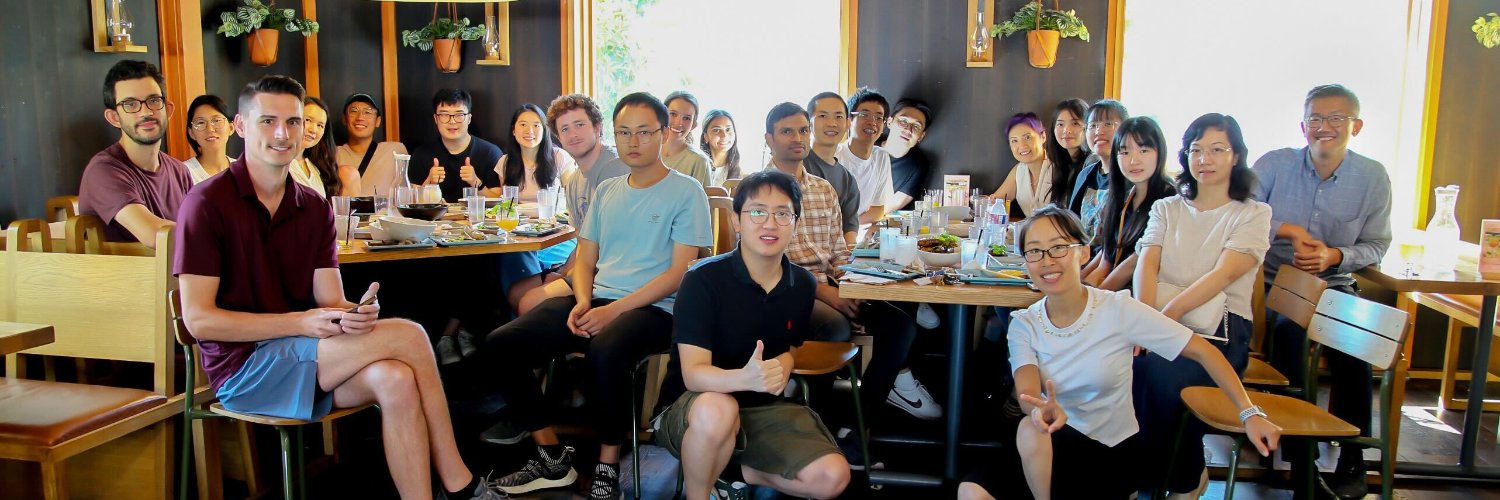
Somatic mutations accumulate in “normal” non-cancerous tissues (blood, skin, liver). But why are mutant clones selected? Do they merely proliferate more, selfishly? Or can clones adapt to disease? Could they protect tissues? We shed light on this: https://t.co/Vu1d4U3stc 1/10
Congratulations to our SCCC members!! $22.6 million across 18 CPRIT awards, a 35% increase compared to last year. Means so much for the enablement of our cancer research, prevention, and patient care mission! @utswcancer
Excited to share our new work in Gut, led by @galvarezsola from our lab! We asked: could the ethanol-induced hepatic secretome reveal therapeutic targets for alcohol-associated liver disease?
#LiverTwitter#ALD@Gut_BMJ
https://t.co/ZoVzWS3pyF
We combined human proteomics with mouse liver transcriptomics to identify secreted proteins that were induced by alcohol. FSTL3 stood out as a top hit, and with no prior link to ALD.
We then used multiple complementary approaches, including human liver spatial transcriptomics, to identify FSTL3 as a protective factor secreted by hepatic stellate cells, acting through neutralization of hepatocyte secreted Activin A.
What’s most exciting for us is that drugs targeting Activin A and its receptors are already being developed or are FDA approved for other diseases. Our next goal is to test whether we can repurpose these drugs as a potential treatments for ALD.
Thanks to @galvarezsola and all our collaborators for the work that brought this story together!
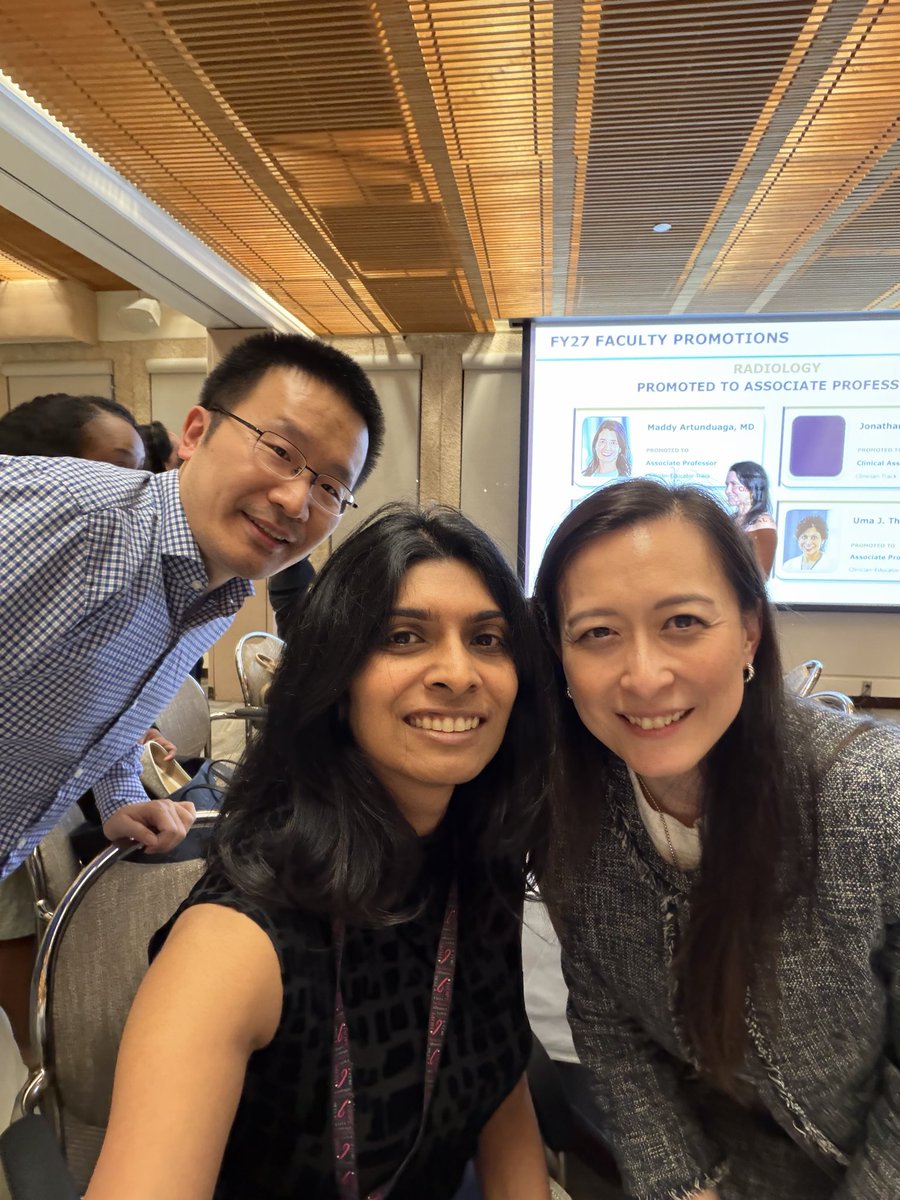
Excited to celebrate academic promotion to Associate Professor with @TiansterZhang, Tuoqi Wu and other colleagues at @UTSWMedCenter ! Congrats to everyone promoted this cycle!
Reminder: Abstracts are due tomorrow (Nov 10) for the upcoming Keystone Symposium on 'Somatic Mosaicism'. We have an exciting line-up of speakers, and we will be selecting more from the abstracts! @nlbigas@GenomeDoctor
https://t.co/LQWxp2F0HD
🗣️ POSTDOC wanted for @Zhu_Lab check out details & research specifics 👇 and join our #relentlessdiscovery in CRI's Tissue Regeneration Program.
https://t.co/DEAeNDJGiX
My biggest struggle with reviews in 2026 is that (AI) reviewers don’t seem to know the difference between limitations and critical issues. An LLM can easily find 100+ limitations in any paper (even the best ones in history), but that doesn’t mean the paper shouldn’t be accepted.
People reviewing papers: Can u stop using AI? First, you can't upload papers onto AI, it's just not cool. 2nd, the reviews are crap-they make no sense, and they often produce stupid comments. 3rd, if you are going to use AI to review, can you take less than 4 months to do it?
@RFrancoDuarte I have never used AI to review a paper for a journal. I don't think everyone does it. If someone spends 5 years to produce the paper, the least we can do is to read the paper with our eyes and then to think about it with our brains. I'm fine with AI polishing.
Can we all collectively agree that paper writing and reviewing is a broken outdated practice and just move on? Just received 2 reports which are verbatim the same thing amd clearlyAI generated.
So. AI writes, AI reviews, AI fixes? What's the point?
Yes. AI can produce a mass of objections for any paper, most of which trivial but dressed up in exaggerated language, or sophistries that miss the main point. Infuriating that some reviewers think this is ok.