Delighted to share that I've been appointed as Cabinet Member for Finance and Resources, becoming the youngest person on record to serve in this role on Hounslow Council.
After years of unprecedented pressure on council finances, authorities like Hounslow that weathered the storm can now be ambitious again about what local government can deliver for residents.
I'm honoured to be given the opportunity to play a part in that, and can't wait to get started 💜
Cllr @_maxmosley has been nominated as Cabinet Member for Finance and Resources at Hounslow Council.
He is expected to be appointed to the role at the Council’s AGM on Tuesday 26 May.
#Hounslow#LocalGovernment
Housing is only as scarce a resource as we want it to be. There is a choice for everyone here. We can accept the status quo of scarcity and fight over prioritising certain groups, or we can build more. Too many in politics choose the former. Choosing the short-lived dopamine of the reactionary, rather than building the case for something better.
More than half a million Londoners now live in flat shares. The average private rent in London is nearly £27,480 a year. London is adding 33,000 homes a year, while its population is projected to rise by around half a million over the next decade. If tensions feel high today, imagine what they will look like after another decade of failure.
✍️@KaneEmerson
https://t.co/zlgX0oKodj
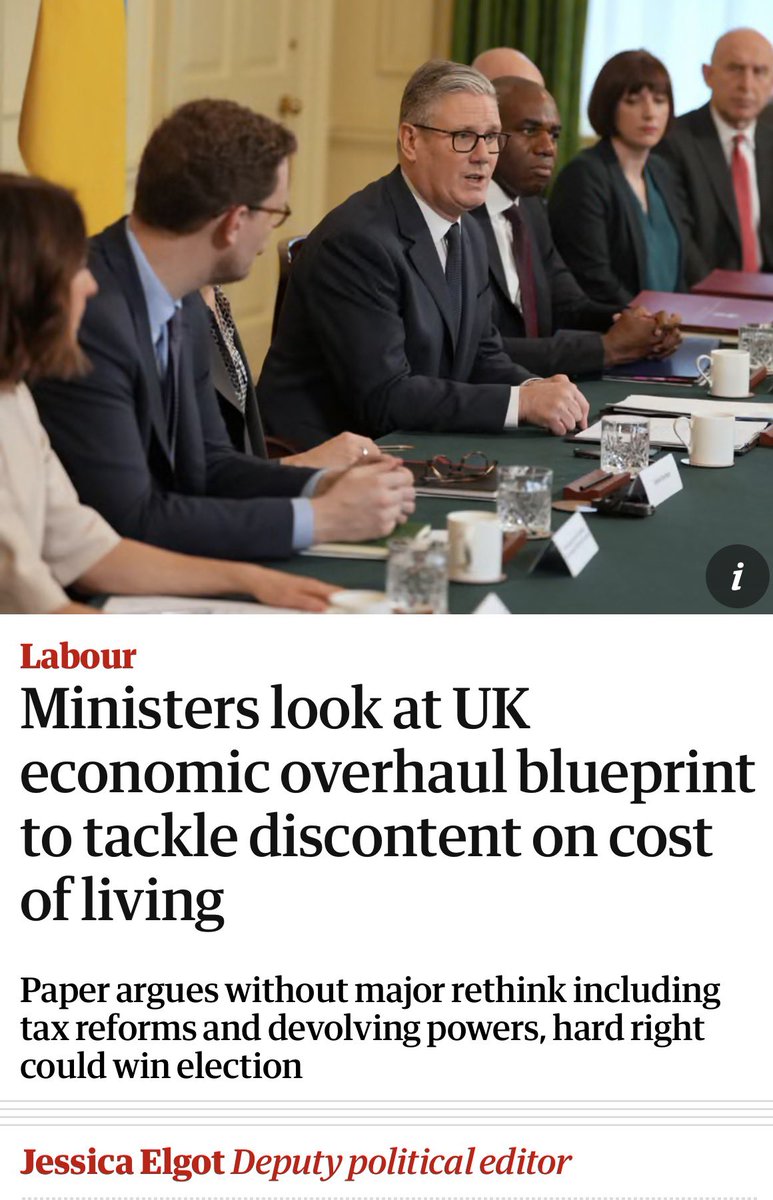
Today will be dominated by who’s up and who’s down, but not enough on the big ideas for now to fix the country. So this is well worth a read from @MarkMcvitie and the @LabourGrowth
Delighted to have played a small part 👇
This is for the people who do the work.
The nurses doing double shifts. The teachers who stay late. The plumbers, the carers, the small builders, the people running shops. The graduates trying to build a life. The founders who chose to build something here.
Britain has stopped being a country that backs them.
Over 40 years of political choices Britain has built an economy where owning things pays better than building them.
Holding scarce land. Holding protected market positions. Holding the right credentials. Holding the right postcode. Gaming process. Capturing public money meant for someone else.
These have become safer routes to reward than working, investing, teaching, caring, manufacturing or taking productive risk.
This isn't a conspiracy. It's the predictable result of a state that has lost the ability to build, decide, enforce and shape markets in the public interest.
The planning system rations land. The energy system rations power. Capital fails to scale British firms. Regulation protects incumbents and crushes challengers. Tax falls hard on work and lightly on position.
Government compensates people for the costs this creates. But in rationed markets, that compensation is often captured by the same scarcity that made it necessary. Public money flows through broken systems and strengthens the very interests that broke them.
Fiscal space shrinks. The state becomes more cautious, less capable, more dependent on the processes that created the failure. The loop tightens.
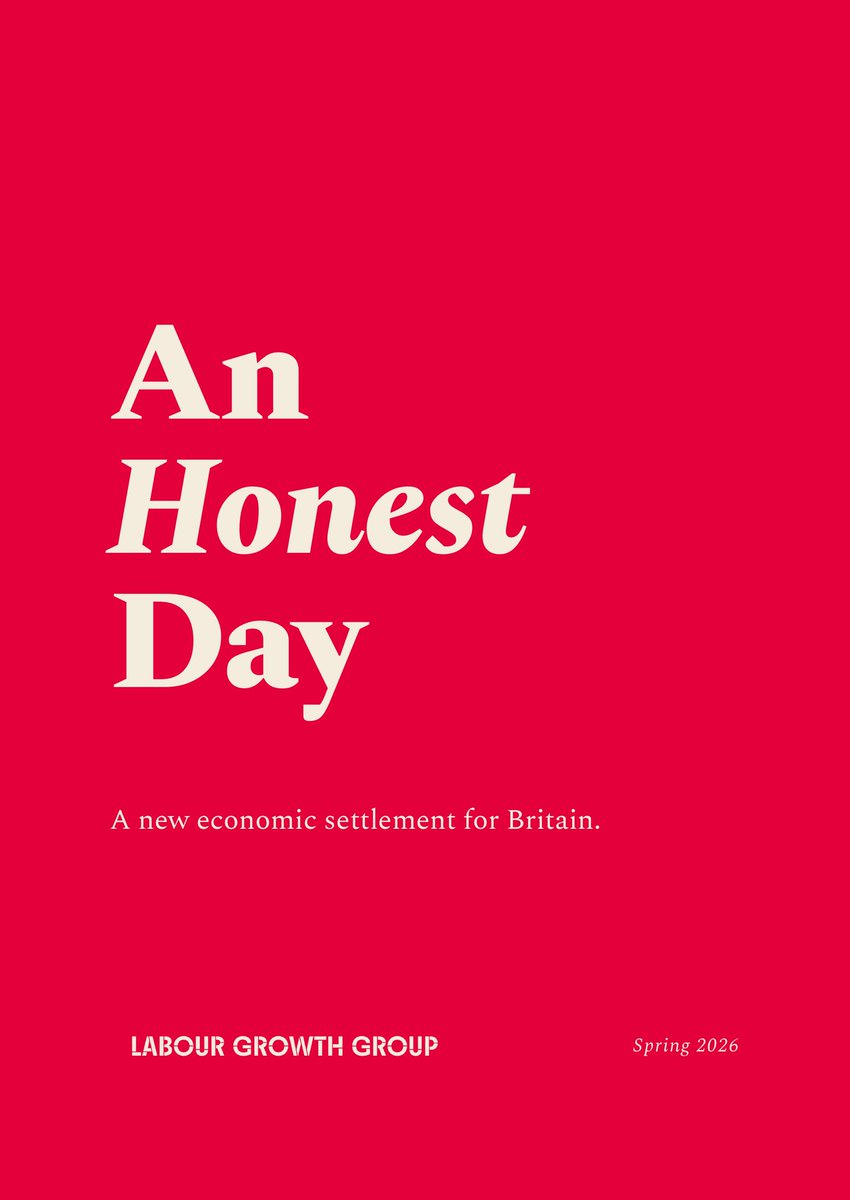
An Honest Day is a new economic settlement for Britain. The shift required is from a distributive state to a capable one. Support people now. Reform the scarcity that makes support necessary. Reward action, not position.
Read it now
https://t.co/Wluq39f59s
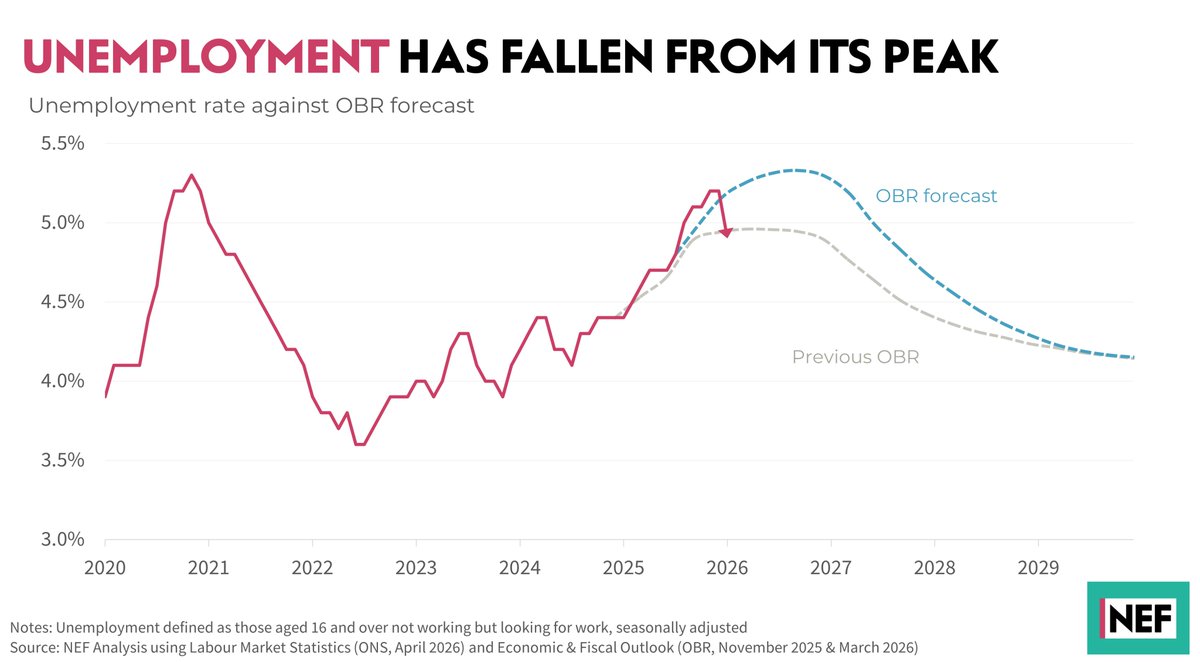
🚨 The last set of labour market figures before the Iran War show we entered this crisis on a stronger footing, with lower unemployment than expected
But under the hood, a cooling jobs market risks dragging on growth just as the economy faces a fresh external shock
I wrote for LBC on what yesterday’s jobs figures say about the UK economy heading into the Iran war 👇
"The war in Iran is an external shock that the UK did not choose. But the vulnerability it is landing on was made here at home"
https://t.co/Xz0adKbZhN
"Outside the pandemic, if you are looking for a job, you are competing for the lowest number of vacancies in the last 10 years."
@_maxmosley writes for @LBC
https://t.co/65Pv869JuP
With the UK economy entering a new economic shock, we are entering a period of heightened uncertainty.
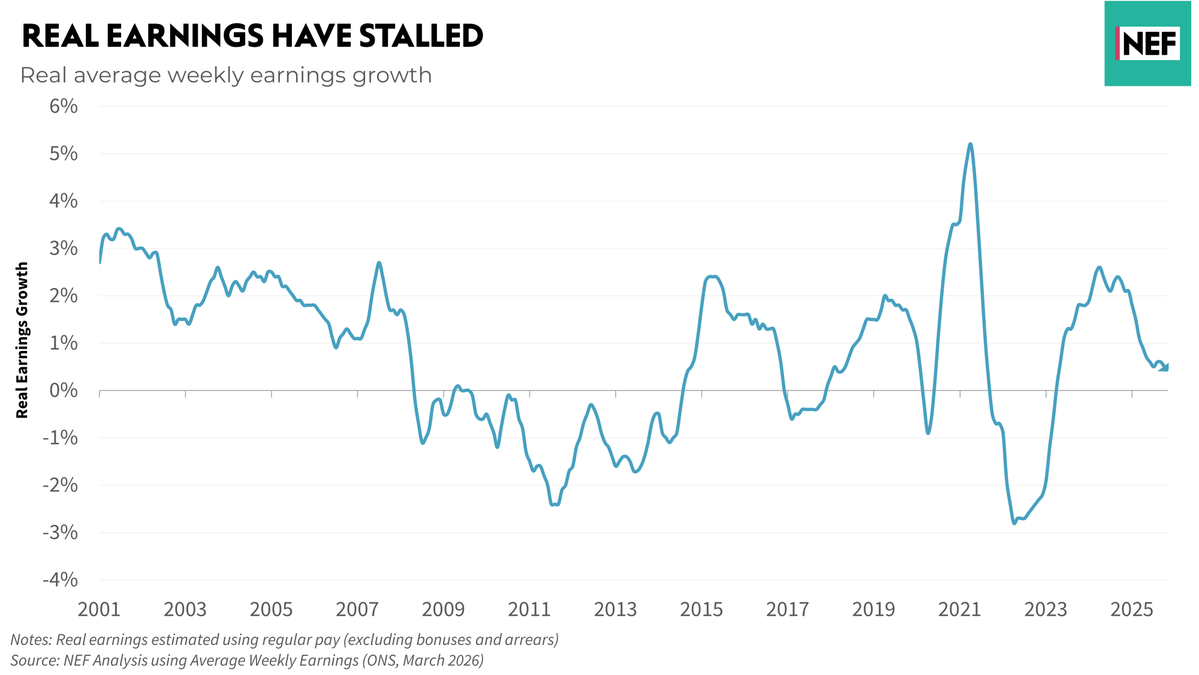
That's reflected in wage growth data, which grew by a modest 0.2% when adjusted for inflation
🚨 The last set of labour market figures before the Iran War show we entered this crisis on a stronger footing, with lower unemployment than expected
But under the hood, a cooling jobs market risks dragging on growth just as the economy faces a fresh external shock
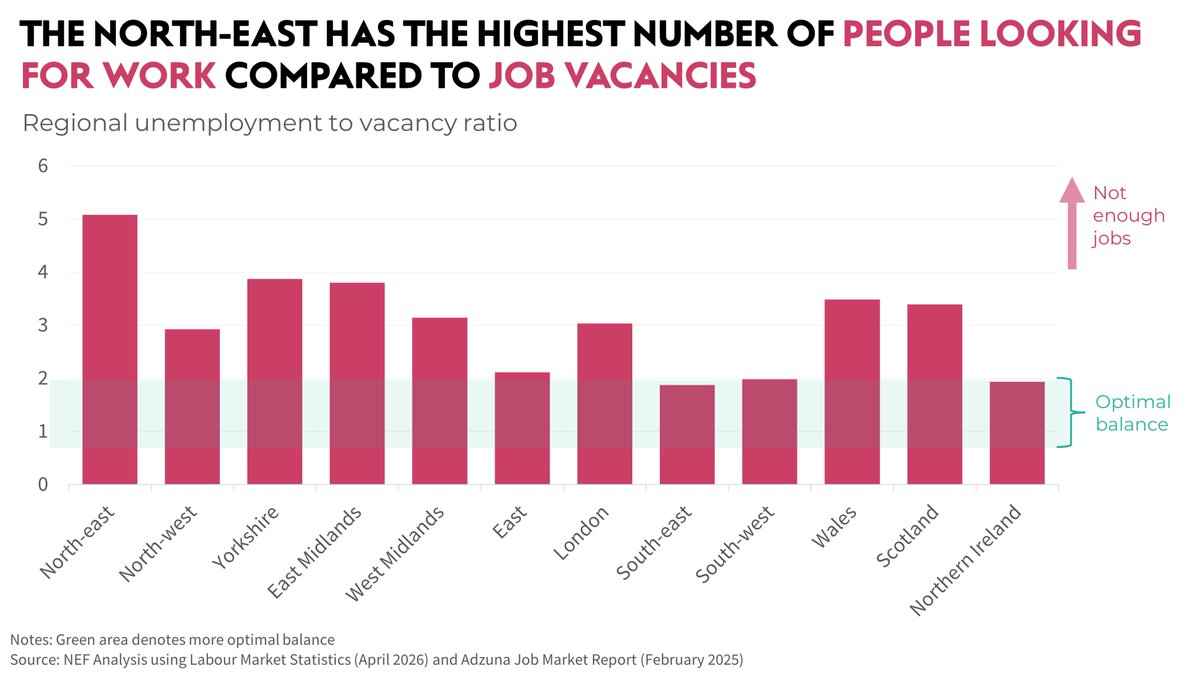
We can break this down by region, showing the imbalance is sharpest in the north-east where there are five unemployed people per vacancy, and the most balanced in the south-east
As a member of a planning committee I’ve seen how the system incentivises people to say what they don’t want, this would give people the ability to define what they do want
Brilliant idea 👏
What if the residents of a street could collectively decide to build more homes on it - and share directly in the benefits?
That's street votes. In our new paper with @LabourTogether we set out how community-led street votes could help @SteveReedMP build 1.5 million new homes.
https://t.co/sAz7BwOpKS
Street votes let neighbours come together, work with an architect, agree a new plan for their street, and vote. If they say yes, building happens with their consent, on their terms, with benefits flowing to the people who already live there.
Building in towns and cities is vital - it adds much-needed homes where people want to live, it’s more sustainable and it grows a more resilient local economy. But building in cities and towns is difficult. Under street votes, instead of builders, councils, and residents fighting each other, the community can push for more homes themselves. And because ordinary people are driving the change on small sites, new homes can be built faster than the big schemes relying on big developers.
Street votes learn from international schemes that have delivered tens of thousands of homes a year in cities like Seoul and Tel Aviv. Applied here, the evidence suggests up to 30,000 new homes a year in the places we need them most - with the first homes delivered before the end of this Parliament.
Much of the work has already been done to put communities in the driver’s seat with street votes. MHCLG just needs to implement the rules. In this paper, @1jamesHowat, @KaneEmerson & @dc_lawrence set out the final steps that the Government should take to build thousands of new homes with popular support.
Reform say the system is rigged. The Greens say everyday people are getting ripped off. They’re right, but neither is bold enough to fix it.
Torching energy security and price caps won’t remake our economy, just drive it into the ground. We’re working on something that can.
👇
So domestically, the labour market is telling us rates may already be too high. But the BoE will need to balance this against the price shocks from the Iran war
Expectations are they'll hold rates today, but what would you do?
🚨 Today's labour market stats will give the BoE quite the headache...
Energy shock from the Iran conflict raises the need for higher rates, but but back home the jobs market is fading fast, hinting policy may already be too tight...