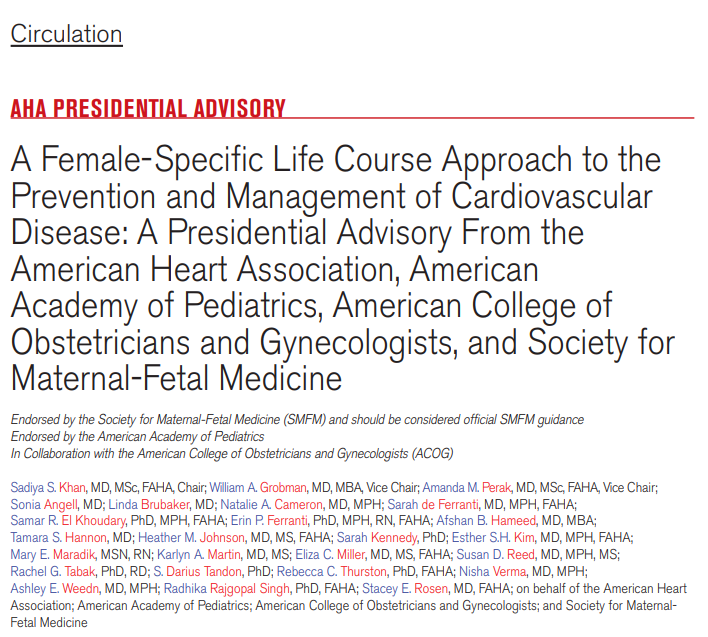
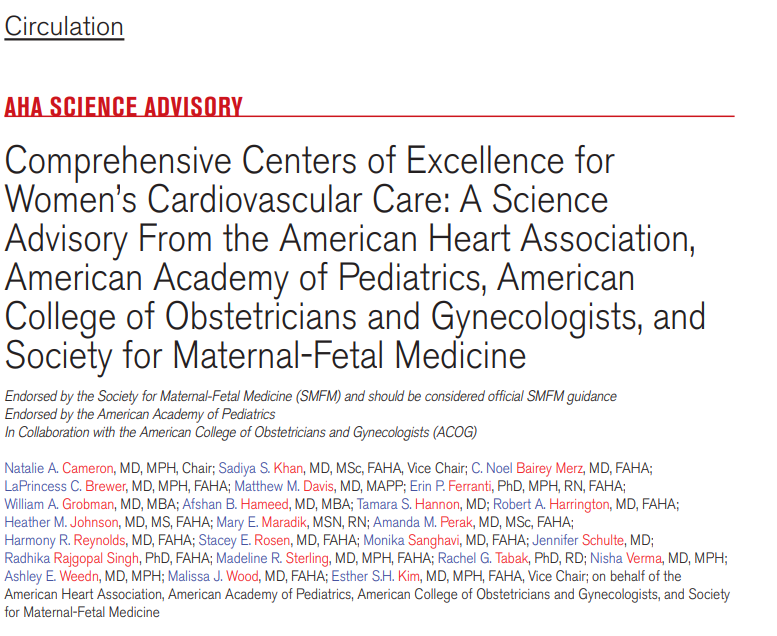
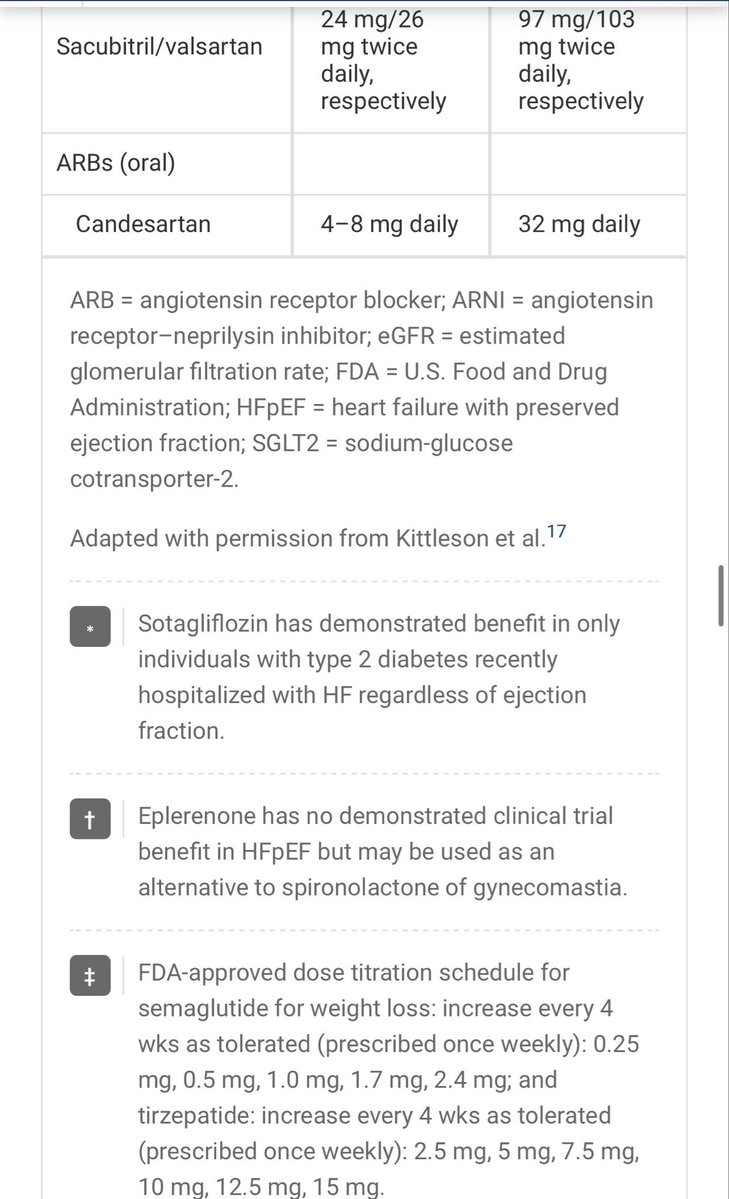
From menarche to menopause and beyond, women's cardiovascular health shouldn't fall through the gaps. In a new commentary, Karen Florio and colleagues call for better coordination between gynecology and cardiology across the life course. https://t.co/pSi1Jd63ju
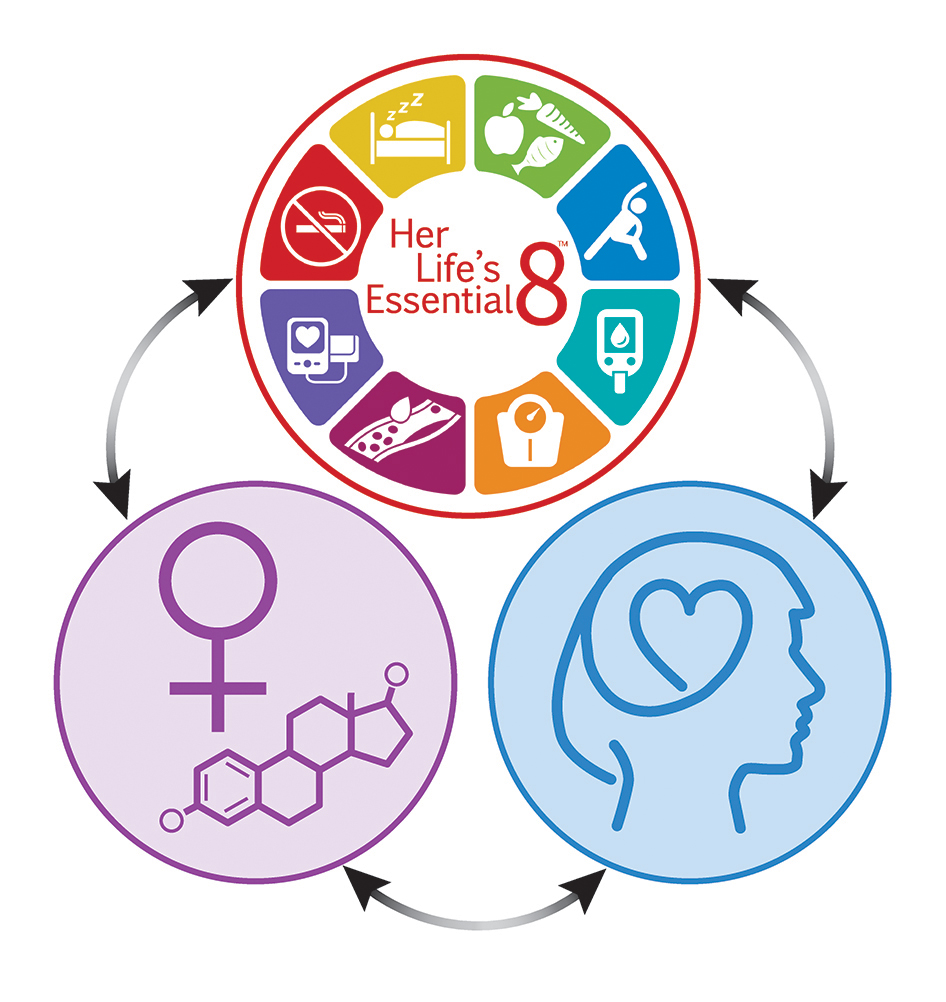
A paradigm shift in women’s cardiovascular (CV) care is required.
This Female Life Stage framework provides a unifying, person centered approach across the life course beginning with menarche and through the years after menopause to optimize CV health for all girls, women, and their communities.
Physiologic changes in sex hormones define clinically distinct life stages: perimenarche, ovarian cycling, perimenopause, postmenopause, each informing female-specific screening, prevention, and management. The peripregnancy period and exposure to exogenous hormone therapy can be considered as cross-cutting modifiers. Premenarche does not have sex-specific guidance for CV health, but is a foundational period to long-term CV health with CV health behaviors and attitudes being developed early.
@American_Heart, @AmerAcadPeds, @acog and the Society for Maternal-Fetal Medicine jointly approve this shared model.
📷 Interconnected hormonal, psychosocial, and cardiovascular health across the female life course.
✍🏼 @heartDocSadiya
https://t.co/aIw557Ic8u
Improving cardiovascular health in women is an urgent public health priority.
Persistent gaps remain in awareness, prevention, and management of cardiovascular disease (CVD) in women. Only 41% of women identify heart disease as the leading cause of death. CVD accounts for >400,000 deaths among US women in 2024, which is more than breast cancer, lung cancer, and chronic lung disease combined.
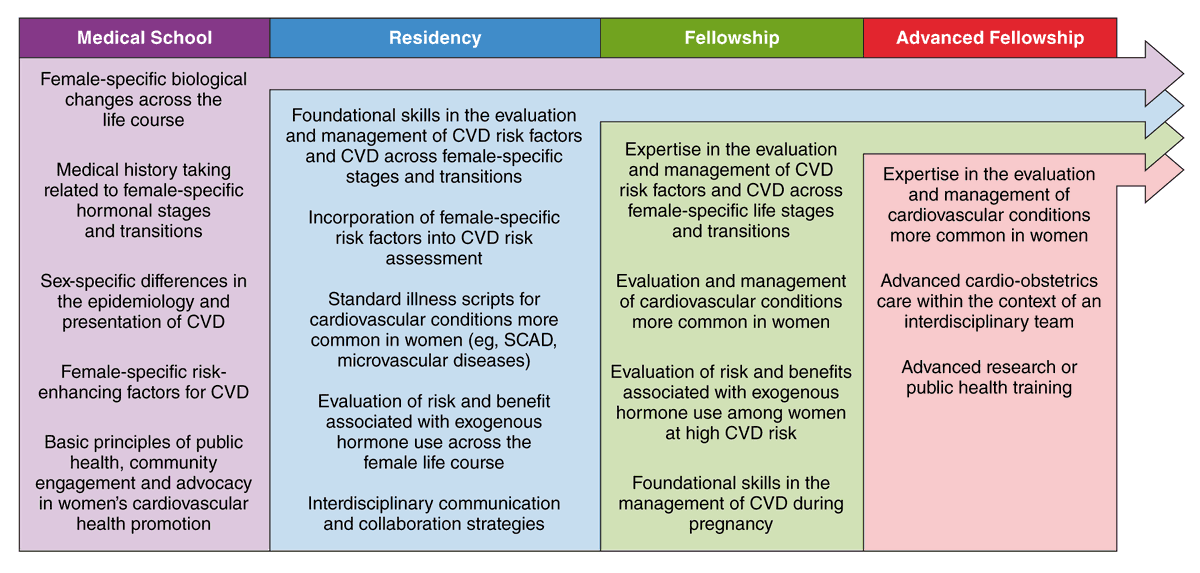
The Advisory describes the current landscape and proposes a novel infrastructure to support expansion of dedicated Comprehensive Centers of Excellence (CCoE) for Women's Cardiovascular Care: interdisciplinary care models built on four interdisciplinary pillars: clinical care, education and training, research, and community partnerships. Integrated pathways spanning disciplines can reduce fragmentation, enable earlier risk identification, and expand women's representation in clinical research.
@American_Heart, @AmerAcadPeds, @acog and the Society for Maternal-Fetal Medicine jointly approve this shared model.
📷 Examples of women’s cardiovascular health education topics across medical education and training.
✍🏼 @heartDocSadiya
https://t.co/aIw557Ic8u
👉Oral PCSK9 inhibitors: A new era of intensive LDL-C lowering.
☝️Key takeaways:
1️⃣ Enlicitide: ~60% LDL-C reduction across three Phase 3 trials, with sustained efficacy through 52 weeks.
2️⃣ Laroprovstat: Up to 51% LDL-C reduction in Phase 2, with a distinct mechanism of action and no fasting requirement.
3️⃣ Combination therapy: Oral PCSK9-targeted therapies plus statins could achieve >80% LDL-C reductions with a single daily pill.
4️⃣ The next milestone: CORALreef-Outcomes and AZURE-Outcomes will establish whether these impressive LDL-C reductions translate into cardiovascular benefits.
5️⃣ The real challenge: Efficacy is no longer the main limitation. Access, affordability, clinical adoption, and long-term adherence will determine real-world impact.
☝️ “Ultimately, their success will be measured not only by their efficacy in clinical trials, but by the degree to which they enable more patients with or at risk for ASCVD to reach lipid goals in routine practice.”
🔗 10.1097/MOL.0000000000001061
@society_eas@AnnMarieNavar
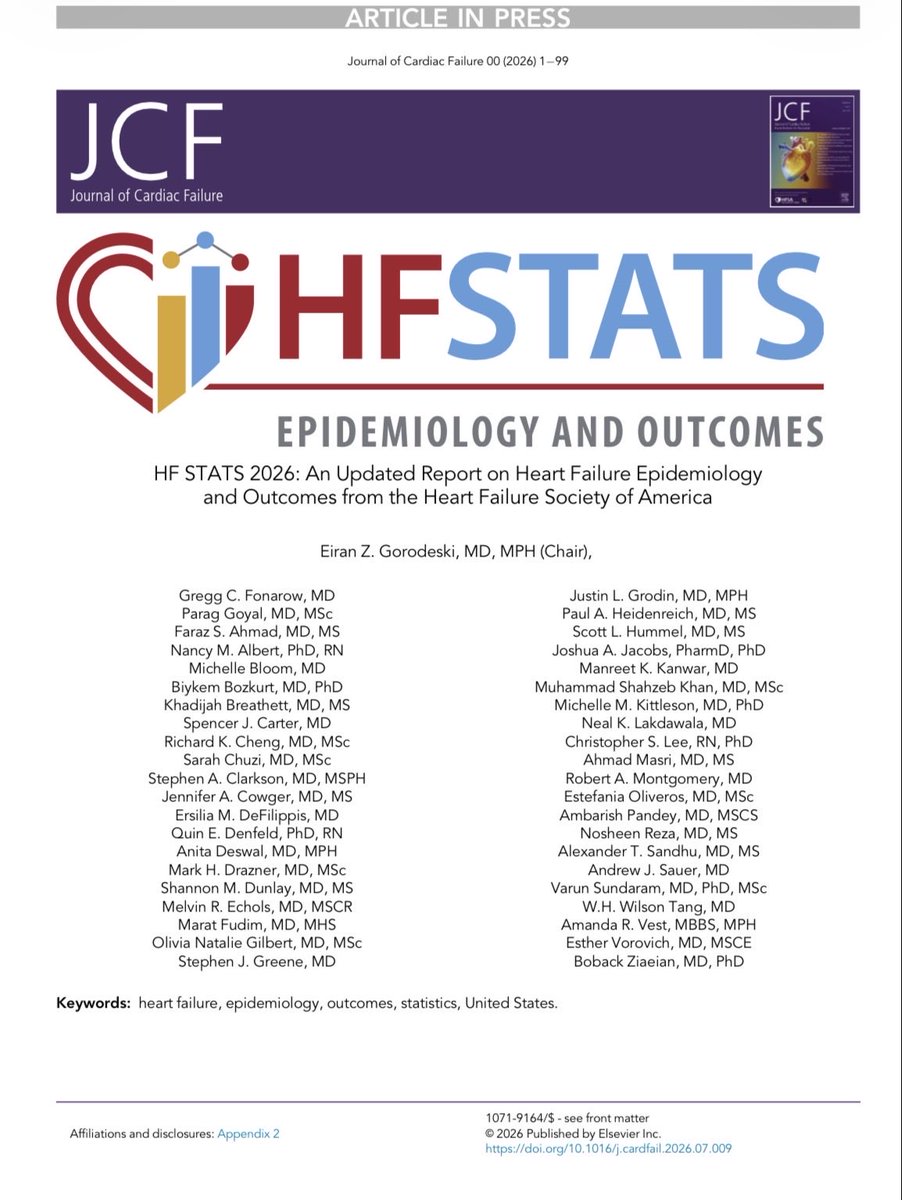
My sincere thanks to @HFSA and the @JCardFail for the opportunity to lead this work, and to an outstanding writing group of colleagues from across the country for their expertise and dedication. Read the full report: https://t.co/MR6fCR5Z2l #HFSTATS#HFSA2026
A very proud moment: my new proposed definition of MINOCA with the “I” for “injury” and not “infarction”, has been adopted worldwide by the 5th Definition of Myocardial Infarction Guideline by @escardio, @ACCinTouch, @AHAScience@worldheartfed
An important step in making an accurate diagnosis for adequate treatment.
new definition of MINOCA https://t.co/NHzMNhcxAR
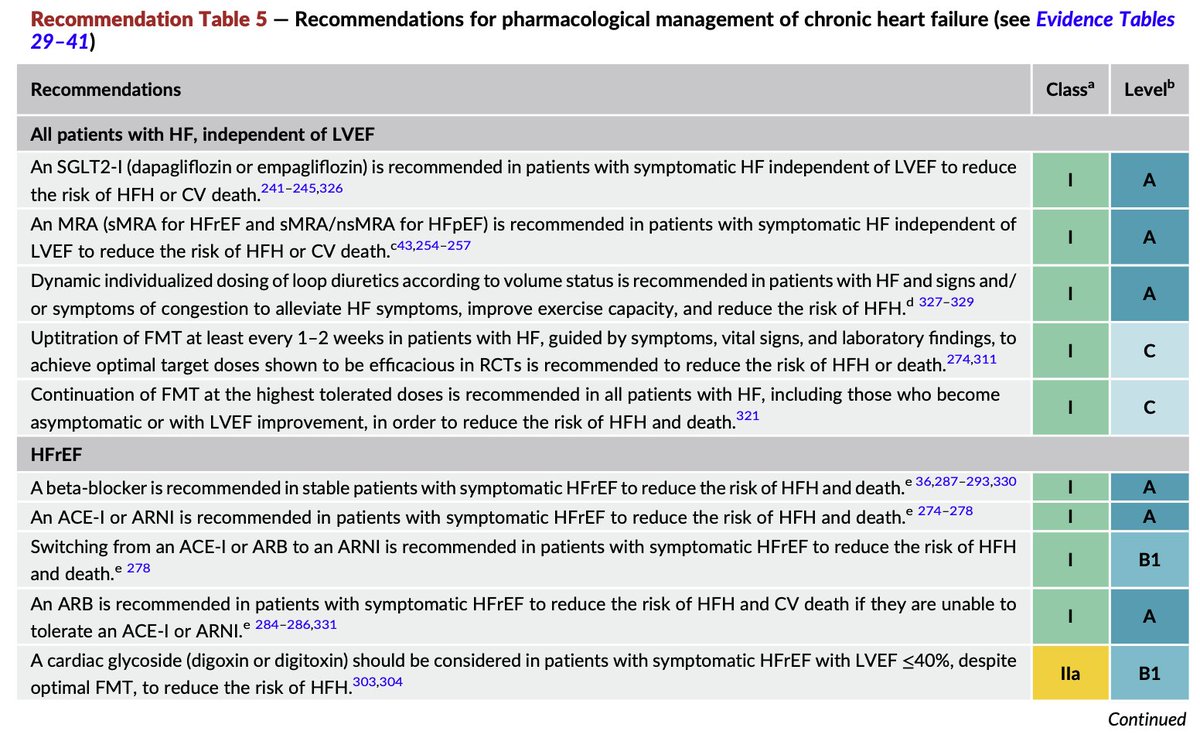
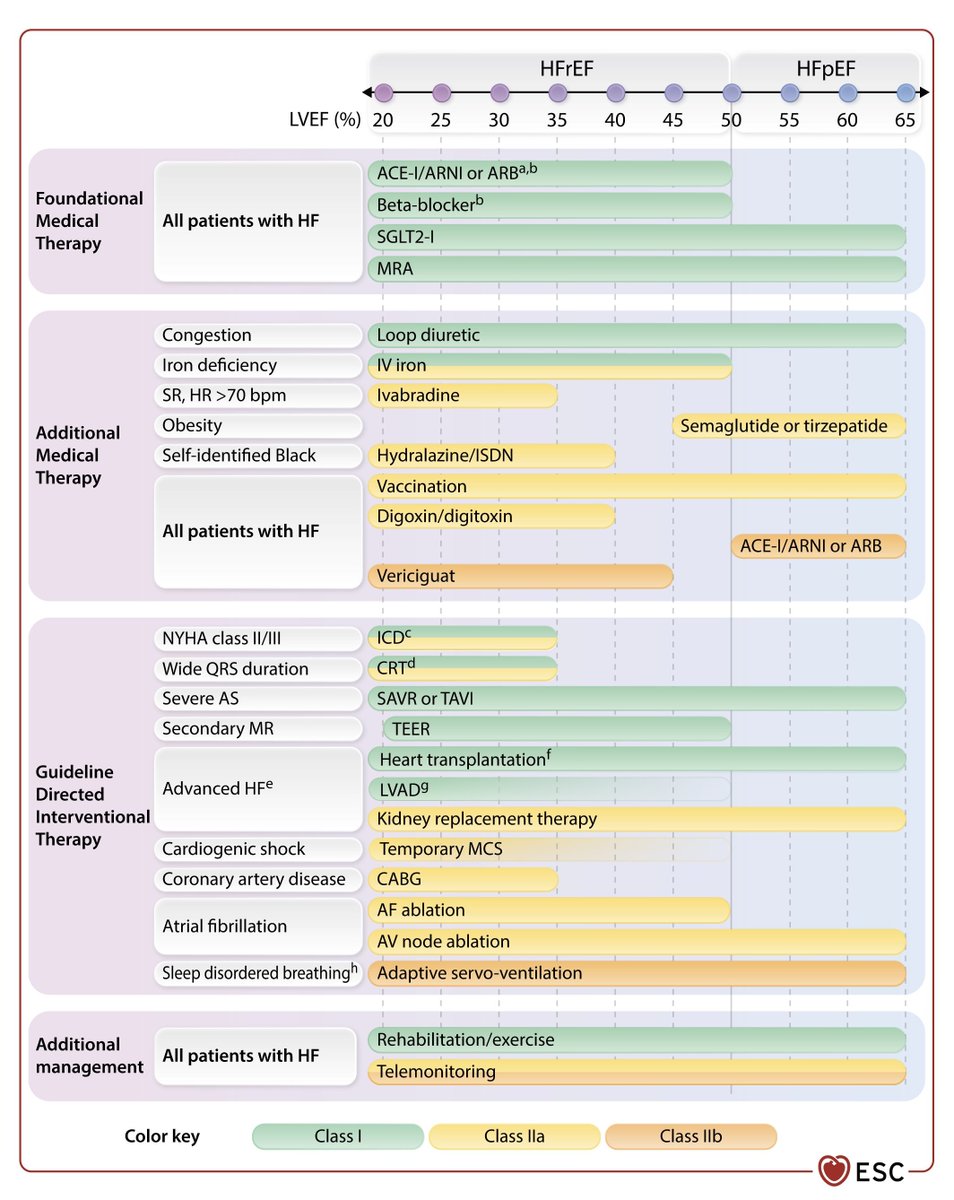
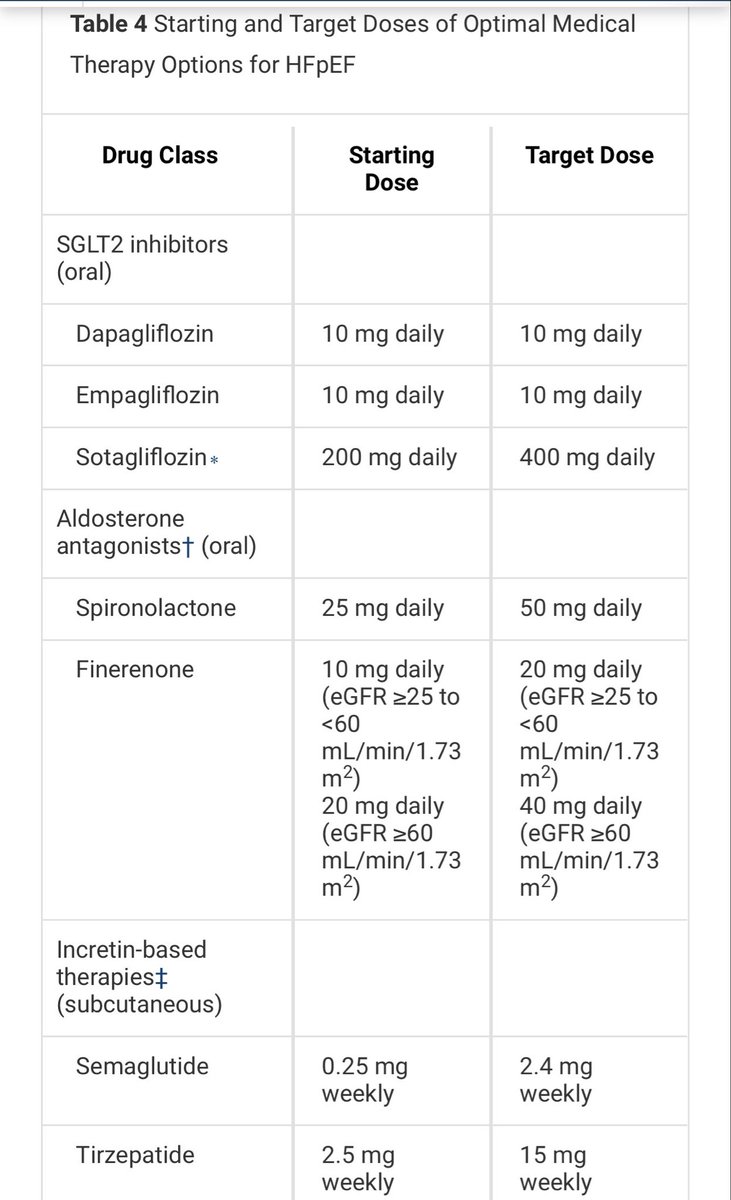
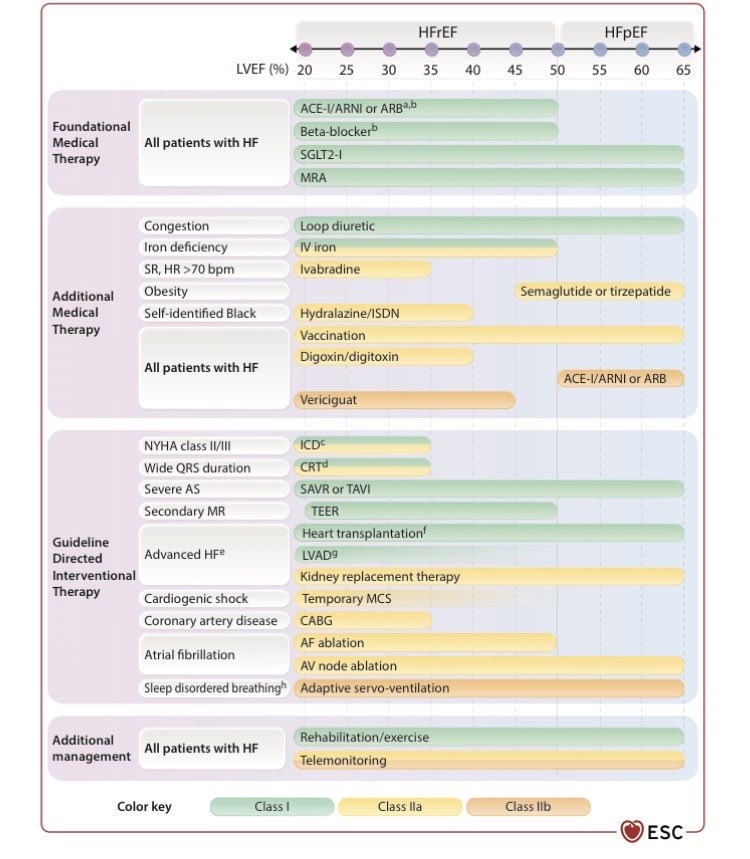
#SGLT2i 🫱🏾🫲🏽#MRA foundational therapy
as class I recommendation for all patients with HF
irrespective of LVEF
massive workflow implication: implement early after HF syndrome established alongside further LVEF phenotyping!
#ESCGuidelines#ESCCongress
Presented at #ESCCongress:
In patients with atrial fibrillation and intermediate stroke risk, direct oral anticoagulation led to a lower risk of stroke, systemic embolism, major bleeding, or death from cardiovascular causes than no anticoagulation. Full SINGLE-AF trial results: https://t.co/rISG8pcl17
Editorial: Anticoagulation for Atrial Fibrillation with a Single Risk Factor for Stroke https://t.co/GvgayePOoC
@escardio
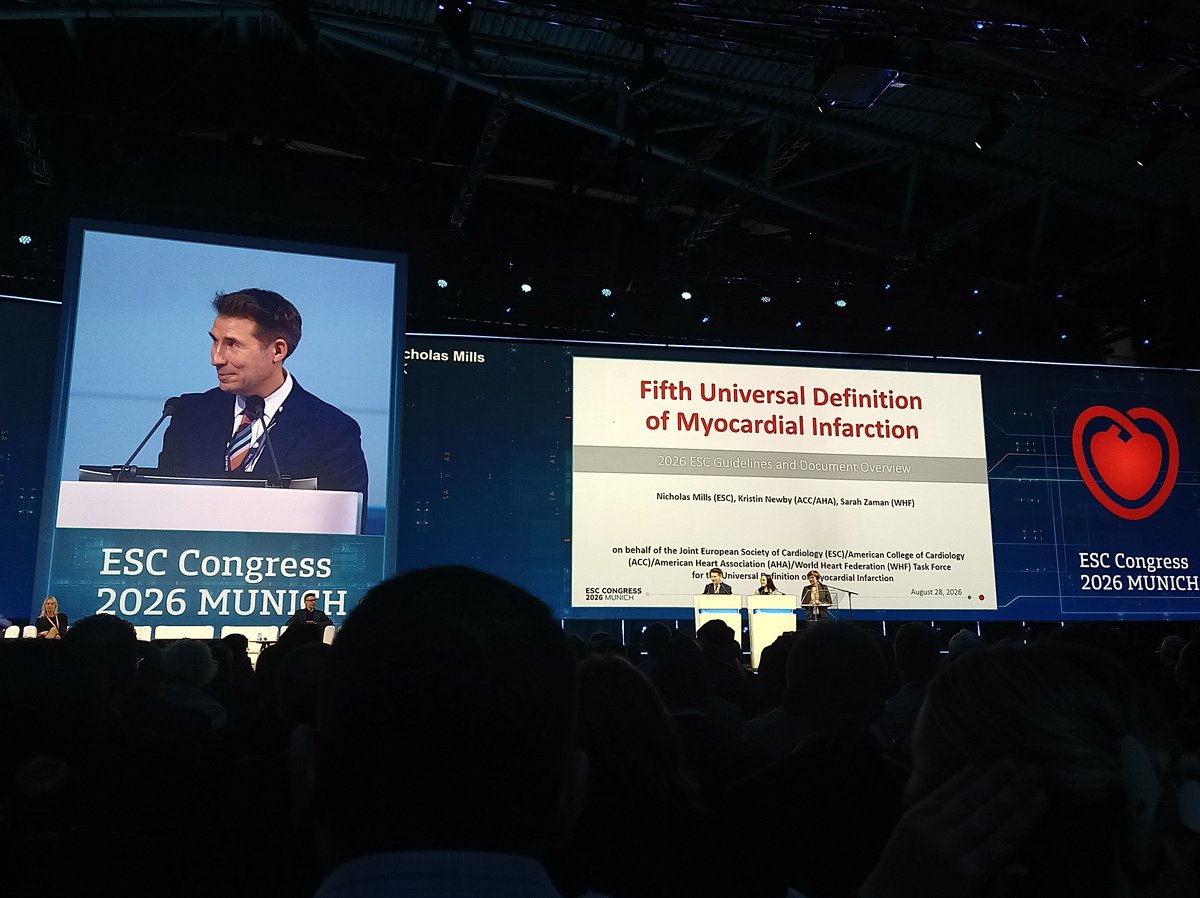
🫀Types 1, 2, 3, 4 and 5 myocardial infarction as we knew them are gone.
Perhaps the most important conceptual change presented this morning at #ESCCongress comes from the Fifth Universal Definition of Myocardial Infarction.
The new classification moves away from numbers and toward pathophysiology.
We now have three clinical categories:
Primary MI now includes the complete spectrum of acute primary coronary pathology, not only atherothrombosis.
Plaque rupture or erosion, spontaneous coronary artery dissection, coronary embolism and coronary vasospasm all belong here.
Even restenosis, stent thrombosis or graft failure occurring more than 30 days after a procedure are considered new primary coronary disease rather than late procedural MI.
This fundamentally cleans up one of the problems of the old Type 2 classification.
And Type 2 MI?
The concept becomes secondary myocardial infarction, but importantly with greater diagnostic specificity.
An ICU patient with sepsis, anaemia, hypoxaemia, hypotension, tachyarrhythmia or severe hypertension may have a rise and fall in troponin.
That establishes acute myocardial injury.
It does not automatically establish myocardial infarction.
For secondary MI, the injury must occur in the context of oxygen supply–demand imbalance with evidence supporting myocardial ischaemia, and the new document places much greater emphasis on objective coronary or cardiac imaging when appropriate.
For those of us working with critically ill patients, this distinction matters enormously.
Troponin is a marker of myocardial injury.
Ischaemia makes it myocardial infarction.
The mechanism tells us which infarction we are dealing with.
There are other major changes.
Type 3 MI disappears. Sudden cardiac death suspected to be due to MI should instead be classified as primary, secondary or procedure-related according to the clinical setting or post-mortem findings.
Types 4 and 5 disappear as separate entities. PCI- and surgery-related events are unified under procedure-related MI, applying a common mechanistic framework to cardiac procedures.
And importantly, the old arbitrary troponin thresholds of 5× and 10× the 99th percentile are no longer the basis for defining PCI- and CABG-related MI. The emphasis shifts toward demonstrating a clinically meaningful procedural coronary complication and myocardial consequences.
Another fascinating change:
MINOCA no longer means “myocardial infarction with non-obstructive coronary arteries”..It is now “myocardial injury with non-obstructive coronary arteries.”
A deliberate reminder that MINOCA is a working diagnosis, not an aetiological endpoint.
@European Society of Cardiology
@escardio
#ESCCongress #MyocardialInfarction #Troponin #ACS #CriticalCare #Cardiology @escardio@ACCinTouch@American_Heart@worldheartfed@ehj_ed@KralerSimon@drmilicaa
🚨 The 2026 @escardio#HeartFailure Guidelines are here❗️#ESCcongress@secardiologia
1) HFmrEF is gone.
Acute HF is gone.
NT-proBNP cut-offs are now age-adjusted.
Everything that matters 🧵👇
2/ 🔄 NEW DEFINITION — two phenotypes only
❤️🩹 HFrEF → LVEF <50% + symptoms/signs
🫀 HFpEF → LVEF ≥50% + symptoms/signs + objective evidence of structural/functional abnormality
❌ HFmrEF eliminated: same aetiology, same pathophysiology, same treatment response as HFrEF
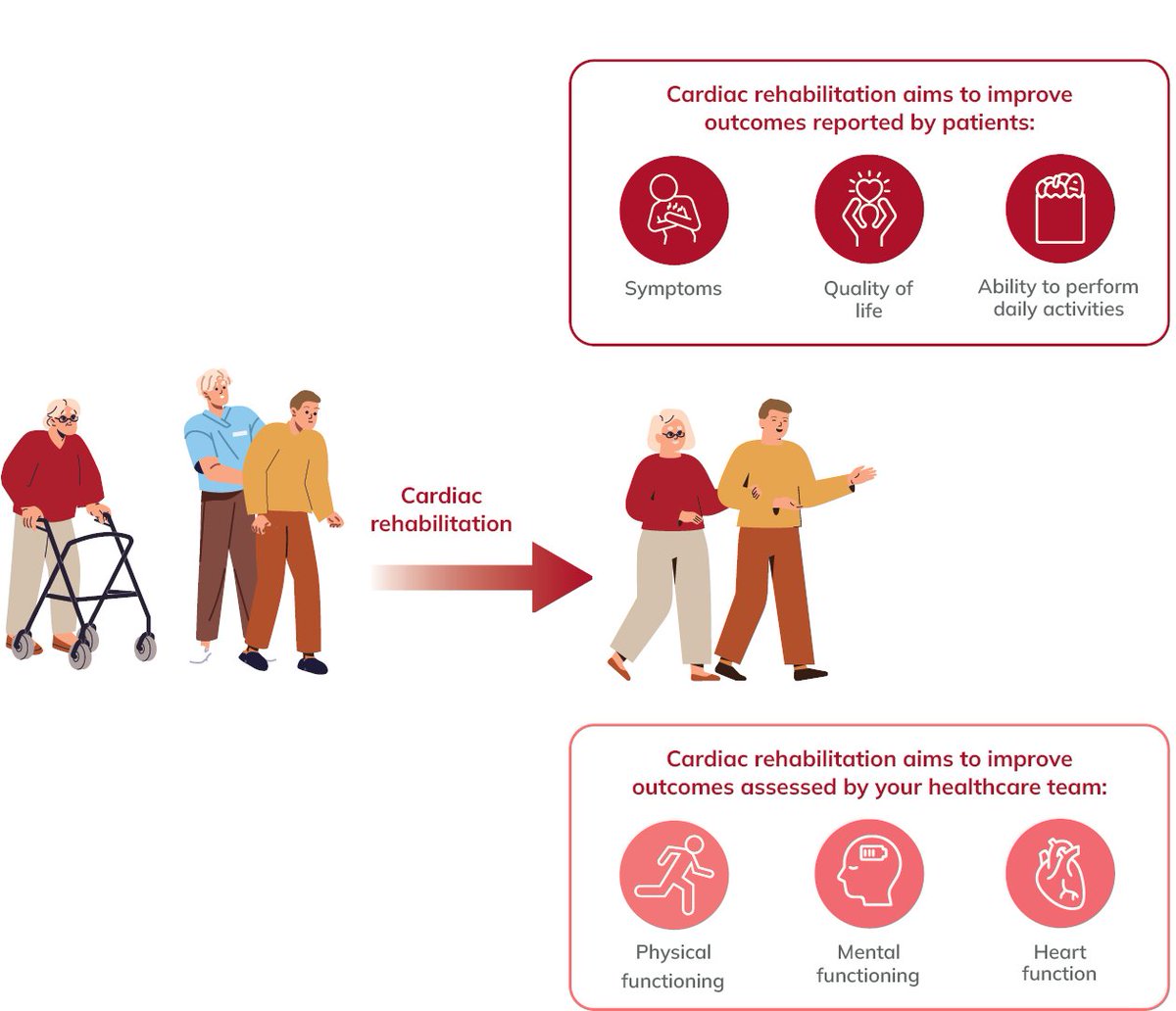
NEW: Patient version of 2026 #ESCGuidelines on Cardiac Rehabilitation 👉 https://t.co/I8c6MHI63C
This guide applies to adults who are recommended to receive cardiac rehabilitation at a local centre or in their own home as an outpatient.
Please share it with your patients.
#ESCCongress #ESCPatientForum