i can't believe nobody caught this.
Anthropic's entire growth marketing team was just ONE PERSON
(for 10 months, confirmed)
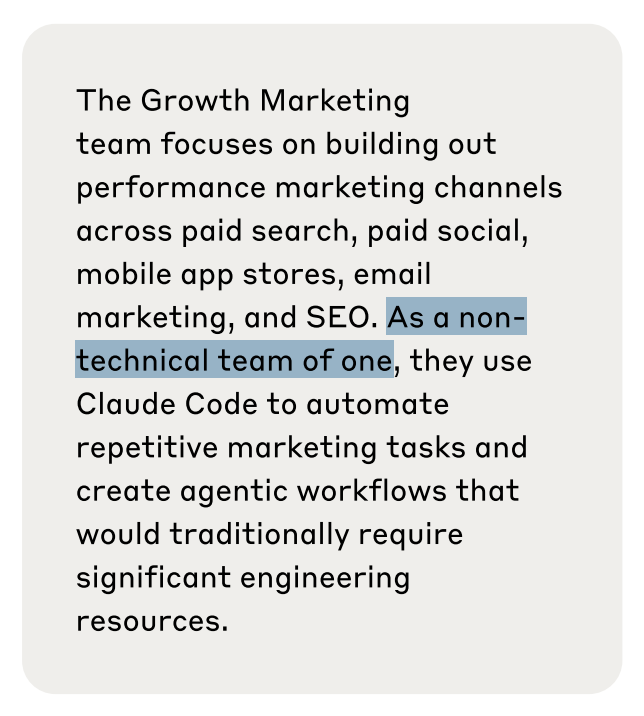
a single non-technical person ran paid search, paid social, app stores, email marketing, and SEO for the $380B company behind claude
here's exactly how one human is doing the job of a full marketing team:
it starts with a CSV.
1. he exports all his existing ads from his ad platforms along with their performance metrics (click-through rates, conversions, spend, etc)
2. feeds the whole file into claude code
3. and tells it to find what's underperforming.
claude analyzes the data, flags the weak ads, and generates new copy variations on the spot
this is where he gets clever:
he then splits the work into 2 specialized sub-agents:
1. one that only writes headlines (capped at 30 characters)
2. and one that only writes descriptions (capped at 90 characters).
each agent is tuned to its specific constraint so the quality is way higher than cramming both into a single prompt
so now he's got hundreds of fresh headlines and descriptions.
but that's just the text.
he still needs the actual visual ad creative, the images and banners that go on facebook, google, etc.
so he built a figma plugin that:
1. takes all those new headlines and descriptions
2. finds the ad templates in his figma files
3. and automatically swaps the copy into each one.
up to 100 ready-to-publish ad variations generated at half a second per batch.
what used to take hours of duplicating frames and copy-pasting text by hand
so now the ads are live.
the next question is which ones are actually working.
for that he built an MCP server (basically a custom integration that lets claude talk directly to external tools) connected to the meta ads API.
so he can ask claude things like:
• "which ads had the best conversion rate this week"
• or "where am i wasting spend"
and get real answers from live campaign data without ever opening the meta ads dashboard
and the part that ties it all together and closes the loop:
he set up a memory system that logs every hypothesis and experiment result across ad iterations.
so when he goes back to step one and generates the next batch of variations...
claude automatically pulls in what worked and what didn't from all previous rounds.
the system literally gets smarter every cycle.
that kind of systematic experimentation across hundreds of ads would normally need a dedicated analytics person just to track
the numbers from the doc:
ad creation went from 2 hours to 15 minutes. 10x more creative output.
and he's now testing more variations across more channels than most full marketing teams
a $380 billion company.
and their entire growth marketing operation (not GTM) = just one person and claude code lol
truly unbelievable
🤯Absolutely insane. Unitree's humanoid robot team's performance at the 2026 Spring Festival Gala
The significance of the humanoid robot's performance lies in letting 1.4 billion Chinese people know where the future lies.
We just released 𝚘𝚙𝚎𝚗𝚠𝚘𝚛𝚔, our completely open source take on Claude cowork built on the 𝚍𝚎𝚎𝚙𝚊𝚐𝚎𝚗𝚝𝚜𝚓𝚜 harness.
A desktop interface with multi-step planning, filesystem access, and subagent delegation for tactical control over your agents.
Run it in 10 seconds with npx with any Anthropic or OpenAI model ↓
LLMs won because they were native to text.
Treating tables as flattened tokens was always a hack.
Structured data needs its own foundation models — ones that understand schemas, relationships, and numerical semantics from the ground up.
That’s where the real enterprise value is.
The next big AI wave won’t be prose — it’ll be rows, columns, and relations.
https://t.co/Uqlqtbfcik
BREAKING 🚨 Anthropic just unveiled "Cowork," a major feature that turns Claude into a fully autonomous virtual assistant for everyone. It brings the deep agentic capabilities previously reserved for coders to general users, allowing Claude to perform complex tasks directly on your computer.
The tool was built after Anthropic noticed developers using "Claude Code" for everyday admin tasks. Cowork now lets anyone grant Claude access to folders to manage files, research, and complete multi-step workflows independently acting as a digital employee that "does" instead of just chats.
Cowork is available today as a research preview for Claude Max subscribers on the macOS app 😡. Claude is releasing new coding/desktop agents much faster than all of there competitors.
This launch exposes a massive gap in the current AI landscape: in 2026, Google still explicitly lacks a consumer browser agent, and xAI has yet to release a native CLI or agentic interface. While OpenAI has "Operator" and Google has the developer-focused "Antigravity," Anthropic is now the only other major lab providing a true "do-it-for-me" experience for general users.
New on the Anthropic Engineering Blog: Demystifying evals for AI agents.
The capabilities that make agents useful also make them more difficult to evaluate. Here are evaluation strategies that have worked across real-world deployments.
https://t.co/UD0yGglTU0
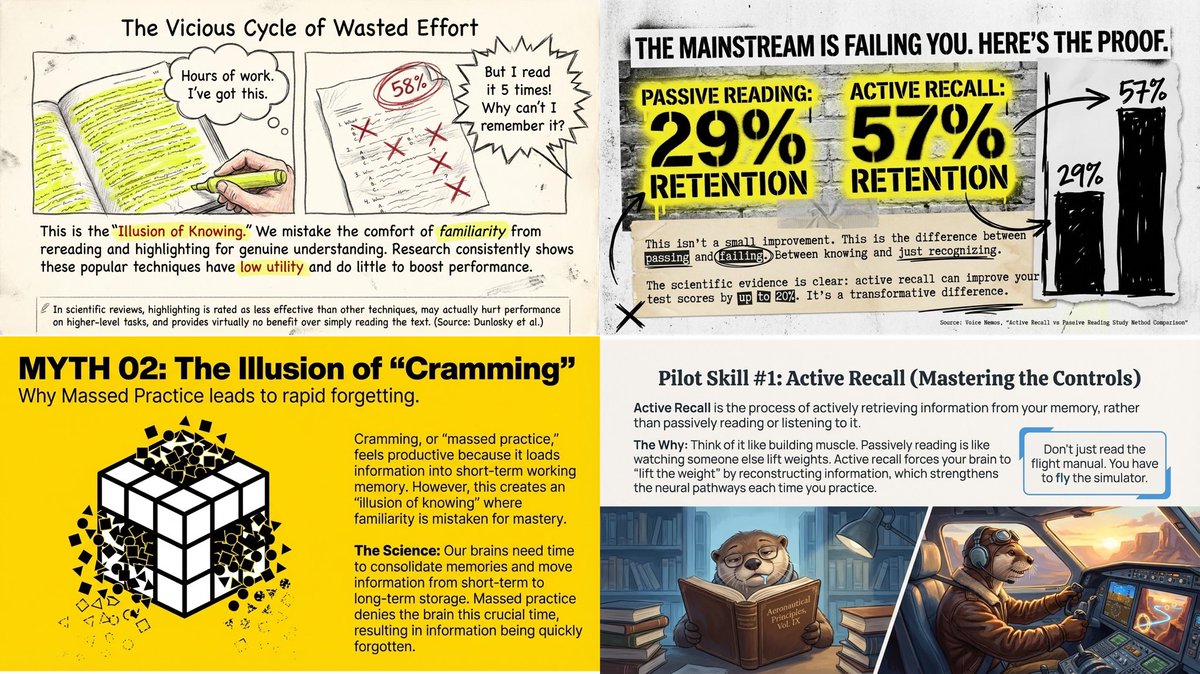
Nano Banana Pro is so important not because it is a really good image generator, but because a really good image generator unexpectedly unlocks a lot of new AI abilities, like the fact that AI can now research & generate compelling slides.
On bottlenecks: https://t.co/AZAgUtITml
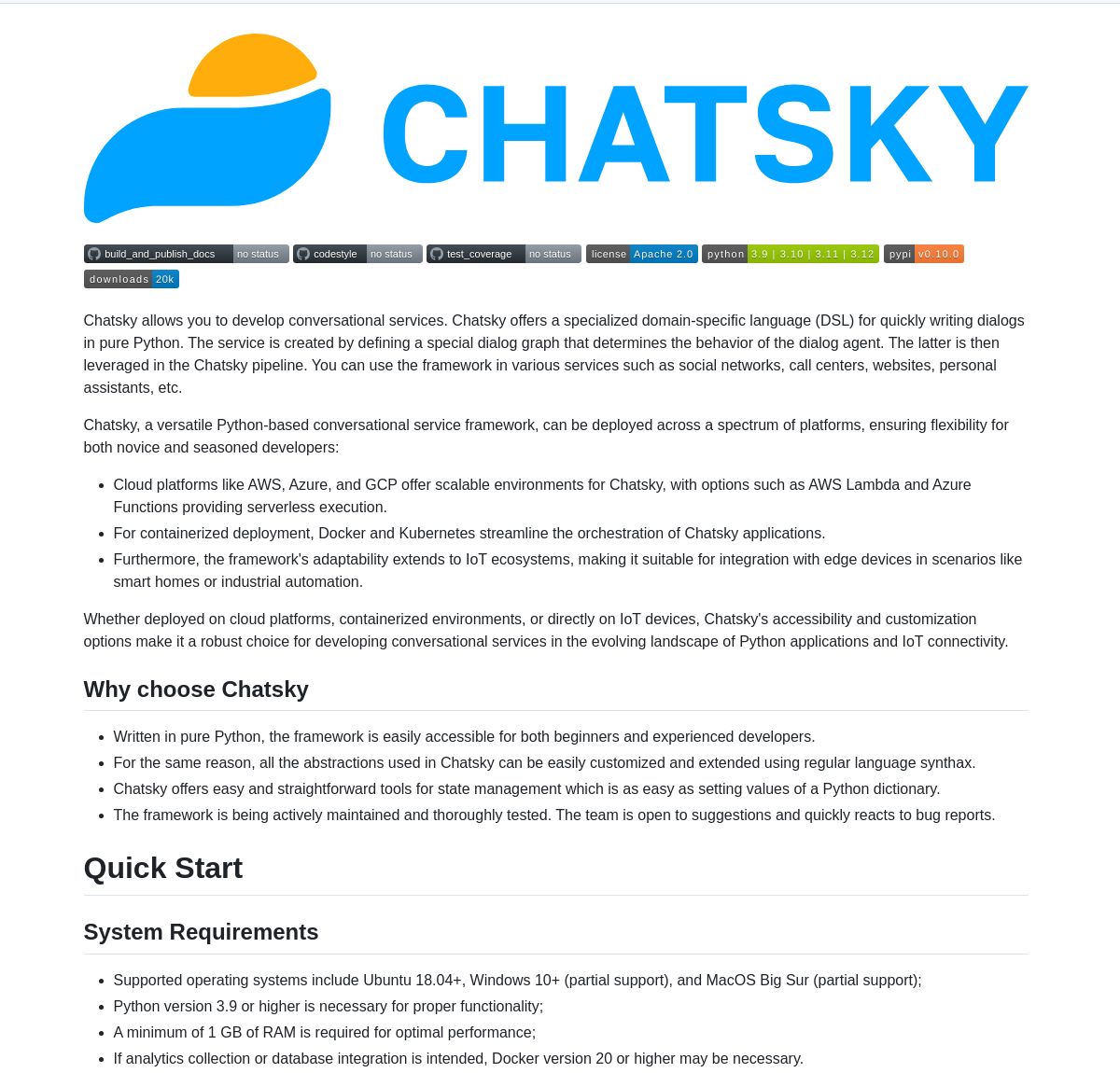
🐍💬 Chatsky: Pure Python Dialog Framework
A framework for building conversational services in pure Python, featuring a dialog graph system that integrates with LangGraph. Includes backend support for building sophisticated AI applications.
Explore the framework
https://t.co/4nfRFwD26g
🌐⚡ BLAST: AI Web Browser Engine
A high-performance serving engine that adds web browsing to AI applications. BLAST provides an OpenAI-compatible interface with automatic parallelization, intelligent caching, and real-time streaming support.
Explore this open-source project 👉 https://t.co/dw1F9BG4p3
I think congrats again to OpenAI for cooking with GPT-5 Pro. This is the third time I've struggled on something complex/gnarly for an hour on and off with CC, then 5 Pro goes off for 10 minutes and comes back with code that works out of the box. I had CC read the 5 Pro version and it wrote up 2 paragraphs admiring it (very wholesome). If you're not giving it your hardest problems you're probably missing out.
Open Deep Research is here 🔍 We've open sourced one of the most powerful agent use cases. Built on LangGraph, Open Deep Research:
• Uses a supervisor architecture to coordinate research sub-agents
• Supports your own LLMs, tools, and MCP servers
• Produces high-quality reports with scoped, iterative deep research
Whether you're comparing products or digging deep into a topic — Open Deep Research adapts to the task.
📹 Watch an overview on Youtube: https://t.co/IMm8Nu1gsC
📖 Learn more in our blog: https://t.co/8icmHvwbd5
👋 Try it out on Open Agent Platform: https://t.co/QPVFDbmKfi
👩💻 Check out the code: https://t.co/vhBZCI0IVf
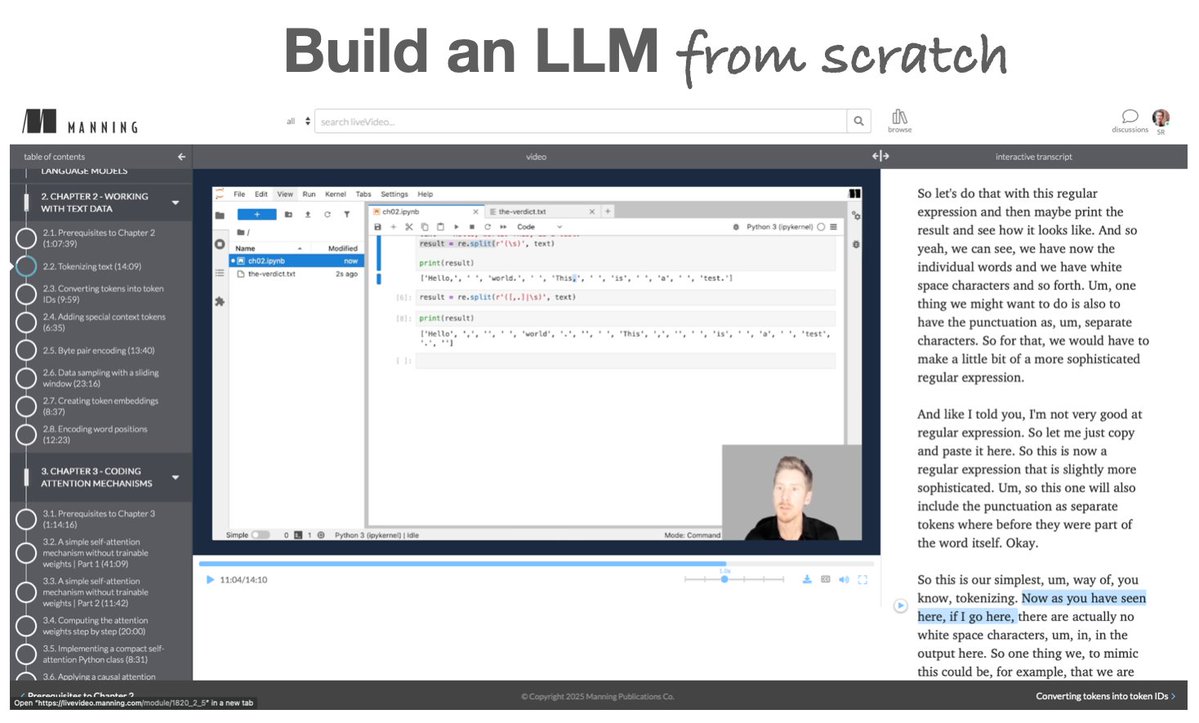
Btw if you're learning how to build LLMs from the ground up, there's now a 17h companion video course for my LLMs From Scratch book on Manning: https://t.co/jStayj2byi
It follows the book chapter by chapter, so it works great either as a standalone or code-along resource.
It's similar to the videos I shared on YT earlier this year, but w/o ads, better navigational structure than YT.