📣Was the latest policy change to the controversial Hospital Readmissions Reduction Program associated with an improvement in equity?
In @Health_Affairs with RJ Waken, @RahulAggarwalMD, and ⭐️ mentors @kejoynt@rkwadhera
Here: https://t.co/3aUbwLet4u
Thread👇🏽
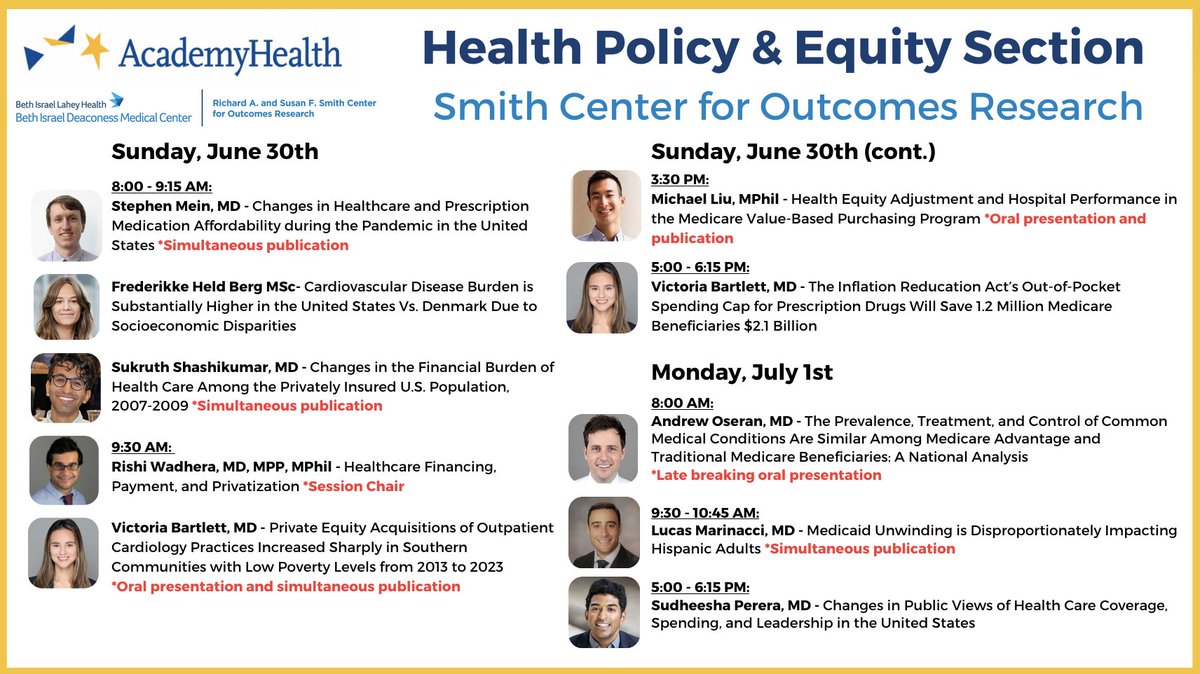
Very proud of our health policy research team who will be presenting impactful work at the Academy Health Annual Meeting in Baltimore this weekend, including 5 simultaneous publications!
Please swing by and check out this fantastic group of trainees' research👇 #ARM2024
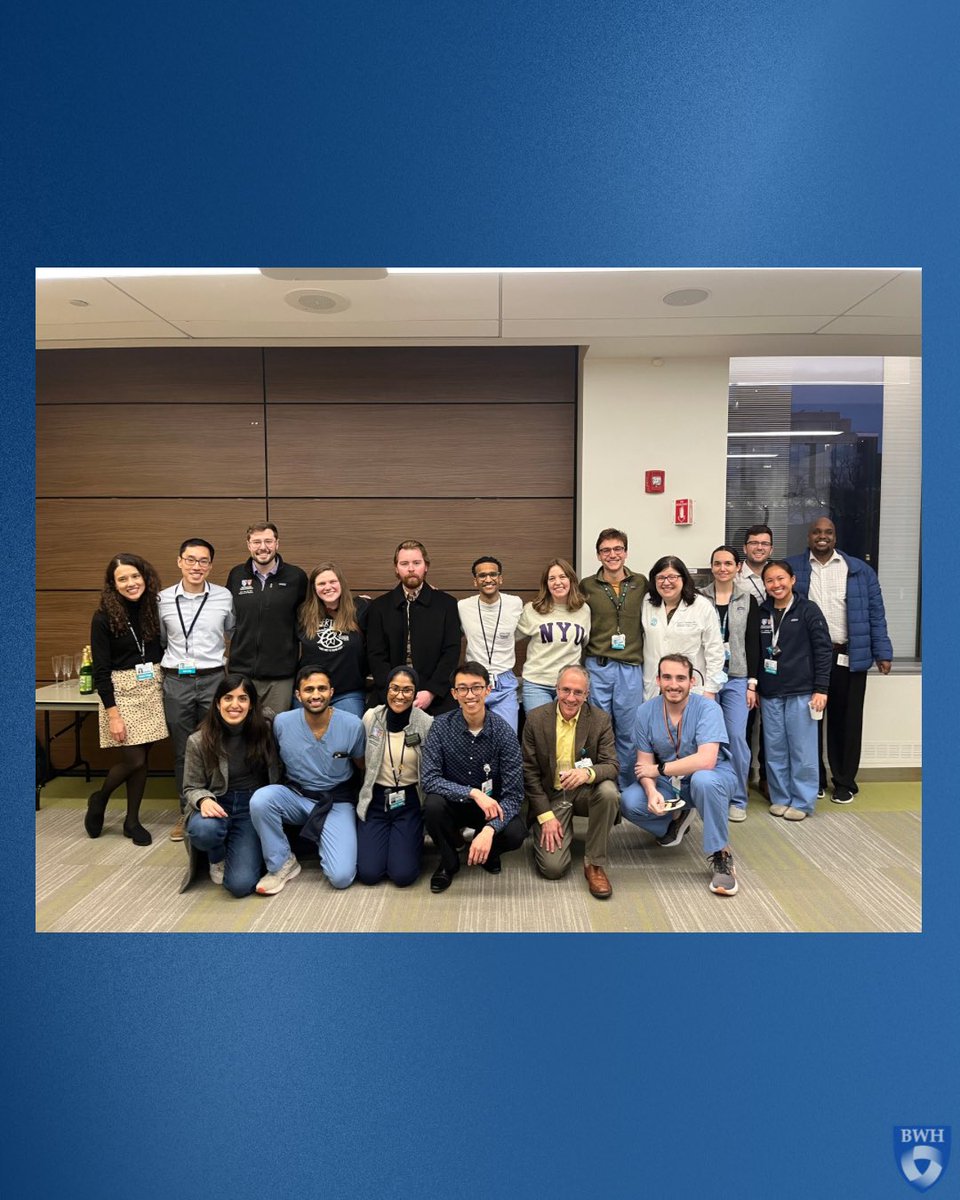
Somehow a year flew by and I finished intern year! I feel like I’ve learned so much yet know absolutely nothing. Anxious (but also excited!) to be a PGY-2, looking forward to working with the new interns soon, and so glad to have my co-interns by my side 💙
In this national cross-sectional study of privately insured US families, inflation-adjusted health care spending increased from 2007 to 2019, largely owing to increasing contributions to premiums. @_sukruth@kejoynt@rkwadhera https://t.co/BtbuLxmGZT
Physician group practices accrued large bonuses under Medicare’s bundled payment model. @_sukruth of @BrighamMedRes, @Andy_Ryan_dydx of @Brown_SPH + coauthors find BPCI-A participants accrued $421 million in incentives, 2018-20. Read the full article: https://t.co/latPhT9UWR
Gosh. Look not at the absolute but relative medical costs in low vs high income families.
Our wealth transfer healthcare system is especially bad b/c it most harms those who make less.
Important data 👇🏻👇🏻
There is a lot of chatter about OOP spending as a financial burden for lower income individuals (it is), but there isnt enough chatter about the burden of rising premiums.
This great study by @_sukruth@kejoynt and @rkwadhera puts a spotlight on this issue. 👏👏
Our new @JAMAInternalMed study led by @_sukruth evaluates changes in the financial burden of health care among privately insured US families from 2007-2019
We find a worsening crisis of affordability among privately insured families with low incomes
https://t.co/sOK3UPlhRa
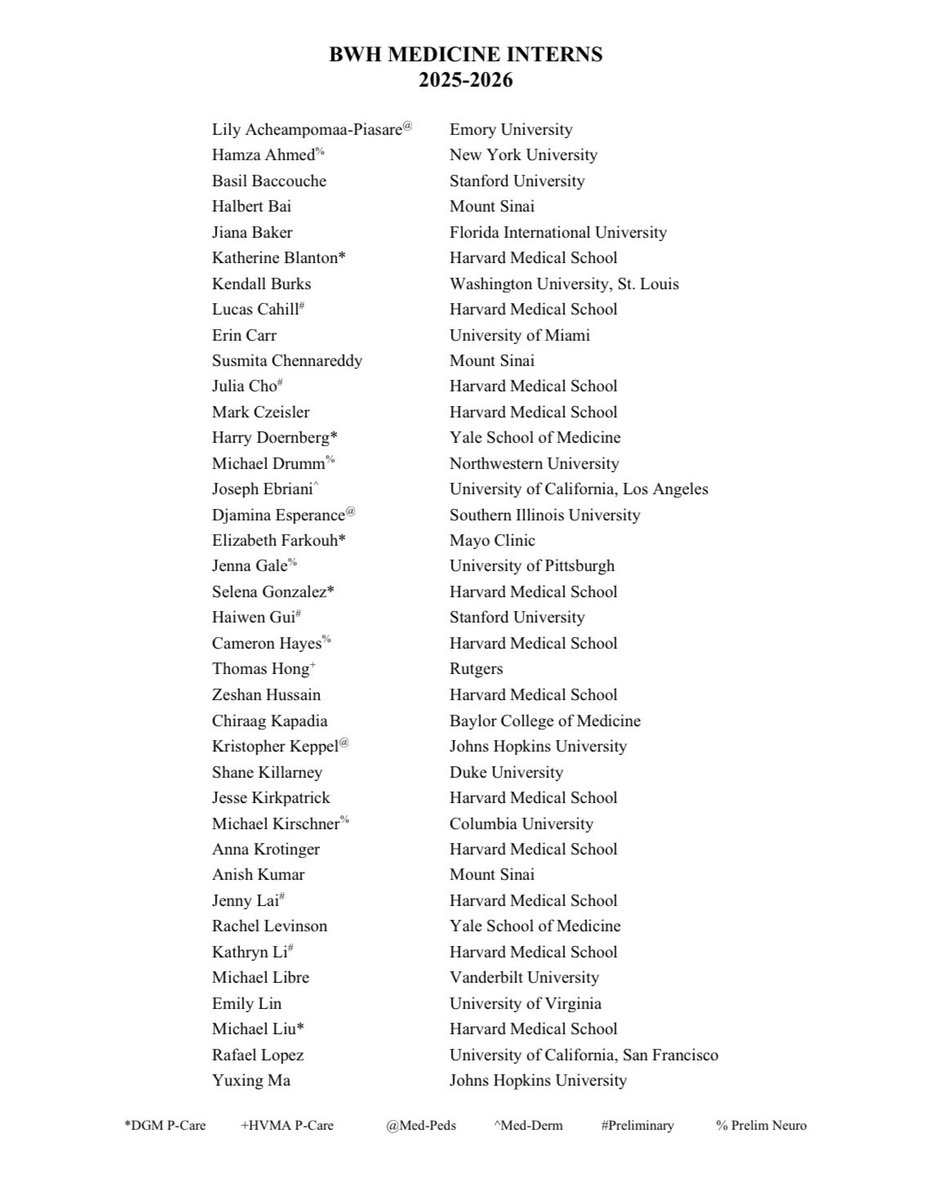
It’s that great time of year when we find out about the next generation of MDs joining us at @BrighamWomens!
Welcome to the incredible new @BrighamMedRes Intern Class of 2024!
Amazing to see that 21% from URIM backgrounds! @Brigham_DI
CMS is investing $ billions in bundled payments to fix rising spending, incl. for🫀disease
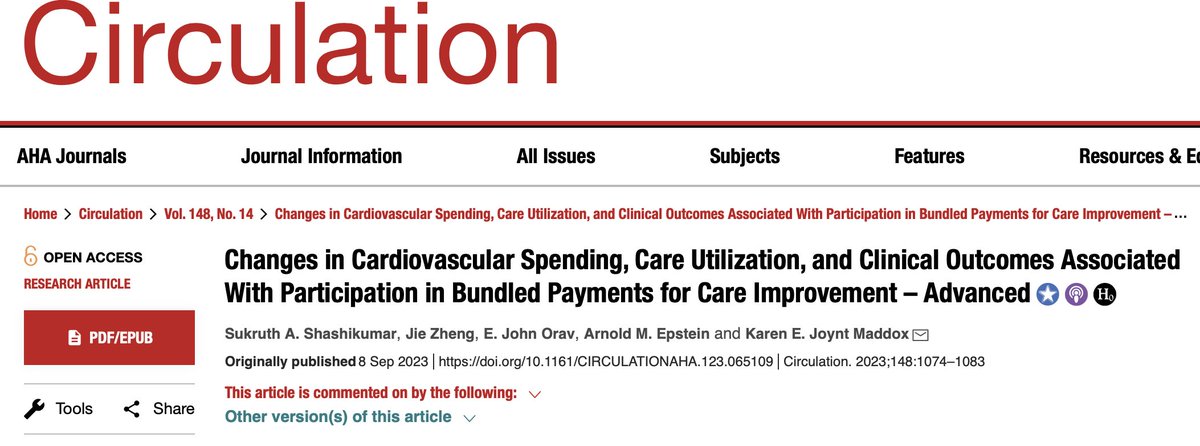
🚨But today in @CircAHA, we find bundled payments are NOT a/w⬇️spending, usage,🏥,or☠️for cardiac events or procedures
Time for other approaches to⬇️CVD spending?
https://t.co/gfeeUJ25W2
This is an editorial to a fantastic study by @_sukruth@kejoynt and colleagues evaluating whether bundled payments have impacted spending, quality, and outcomes for cardiovascular conditions and procedures.
https://t.co/QoFZGpdjU6
In @CircAHA, I discuss value-based payment reform in #cardiology
What have learned over the past decade? Where do we go next? And imp. of recognizing that we may need to spend more - not less - to improve health in populations w/ social risk factors. https://t.co/Xqdmlpdsbd
🙏🏽 grateful to the inimitable @kejoynt and Drs. Zheng, Orav, and Epstein for an all-star team
✍🏽and many thanks to @rkwadhera for his thought-provoking editorial on our work and the future of value-based payment for cardiovascular care: https://t.co/y1t7MSrqAu
In a new paper in @Health_Affairs, we found that favorable selection in Medicare Advantage inflated benchmarks and resulted in billions in excess payments to Medicare Advantage plans.
https://t.co/JVIDT8KQZd
Here’s the deal
1/8