Join this upcoming webinar to learn how circulating tumor DNA (ctDNA) testing can help detect colorectal cancer recurrence earlier, monitor treatment response, and guide next steps in cancer care.
💙 Patients and caregivers are invited to submit questions in advance for presenter Dr. John Strickler, and he will answer as many as possible during the live Q&A.
📅Tuesday, March 17
🕗 5 PM PT | 8 PM ET
📍Register: https://t.co/3bDVXqh1ud
Join our upcoming webinar, From data to decision: The emerging role of ctDNA-MRD in lymphoma patient care, with David Kurtz, MD, PhD and Jake Chabon, PhD, on Thursday, March 5.
Discover how seeing beyond traditional imaging allows for a more nuanced, real-time understanding of patient response and disease burden.
Topics include:
• The Science of Detection
• Clinical Utility & Outcomes
• The Future Landscape
• Review of Lymphoma Patient Cases
Register today: https://t.co/NqHRriwRU1
@JakeChabon
Presented at #ESMO25:
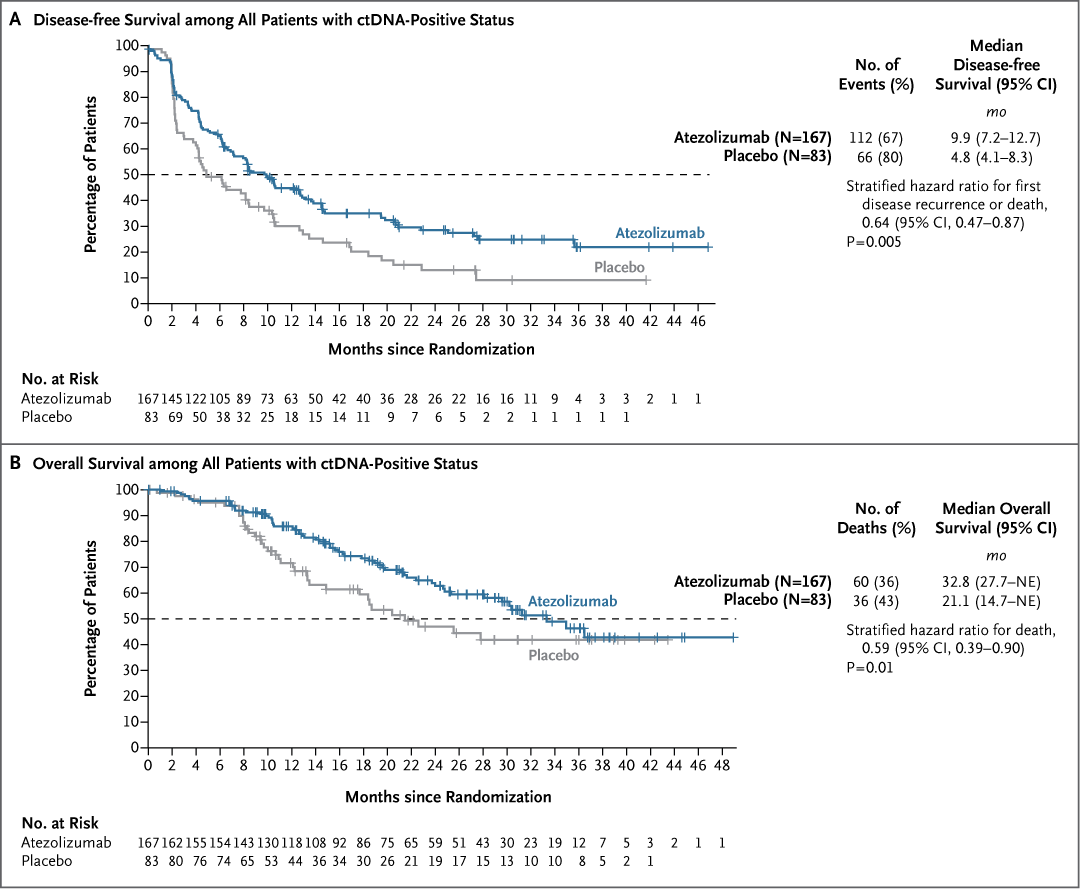
In muscle-invasive bladder cancer, ctDNA-guided atezolizumab led to longer disease-free survival (9.9 vs. 4.8 months), as well as to longer overall survival (32.8 vs. 21.1 months), than placebo among ctDNA-positive patients. Full IMvigor011 phase 3 trial results: https://t.co/nbCPzF4Pxy
@myESMO
CALGB SWOG 80702 results to be presented today. First large scale predictive Signatera data in CRC showing benefit to adding celecoxib to SOC ACT in S3 disease. Big news for field, congrats to all involved. @natera#alliance#GI24#ctdna $ntra
https://t.co/Bz2UbiefYq
Patients with colon cancer with positive ctDNA tests often face tougher outcomes. Research by @DanaFarber & @BrighamWomens presented at #ASCOGI shows that treatment with a non-steroidal anti-inflammatory drug significantly boosts disease-free survival.
➡️ https://t.co/w76FgDq5Ug
We're excited to share that we have passed a significant milestone with the publication of more than 200 peer-reviewed papers highlighting #Natera’s technology in the scientific literature. 👏https://t.co/sg0JU2PCVI
We are pleased to announced that @Merck will utilize Natera’s real-world database of de-identified clinical and genomic data from more than 100,000 early- and late-stage cancer patients who have been tested with #Signatera to advance oncology research.
https://t.co/HgLITfrblz
ctDNA testing has shown great promise in solid tumors for monitoring disease progression and detecting relapse in real time. This article reports on the use of #ctDNA testing specific to anal squamous cell carcinoma. https://t.co/Y5hUIZBDGq
In the observational arm of the CIRCULATE-Japan study, among patients with stage II-IV #ColorectalCancer, those with the presence of circulating #tumorDNA post-tumor resection have a high recurrence risk & are likely to benefit from adjuvant #chemotherapy
https://t.co/hKlRt1ZW6T
This publication is a big milestone for the countless investigators, researchers, and lab scientists who participated. Big thanks to Dr Yoshino and the NCCE in Japan for their vision to start this study, and most importantly for all the patients who participated. #ctDNA $NTRA
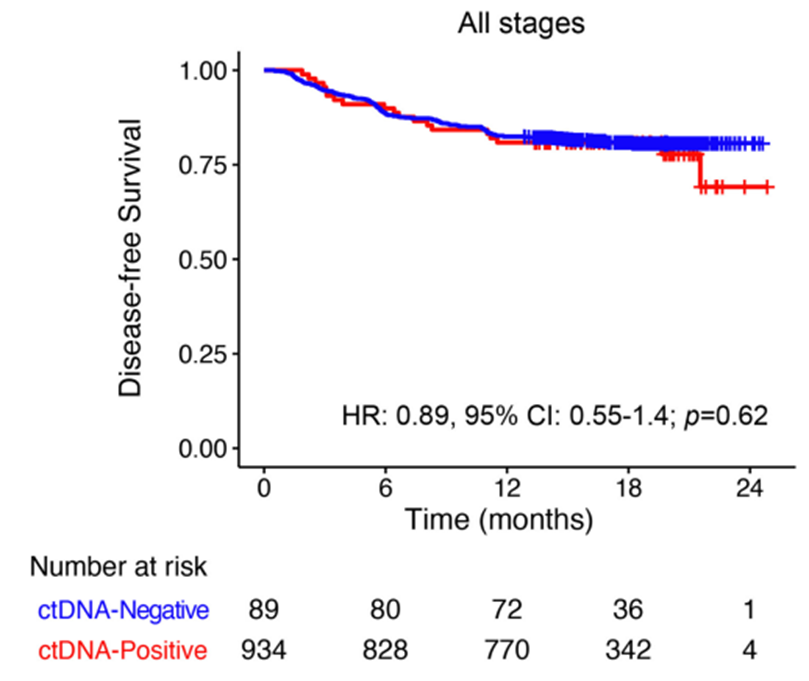
New GALAXY data published by Drs Kotani and Yoshino in #Nature Medicine. (1) ctDNA is most prognostic factor for DFS (2) ACT in ctDNA (+) pts associated w/ improved DFS, but NOT in ctDNA (-) (3) ctDNA dynamics -> tx efficacy #ctDNA#CRC#Natera#Signatera
https://t.co/77aKLnP7CM
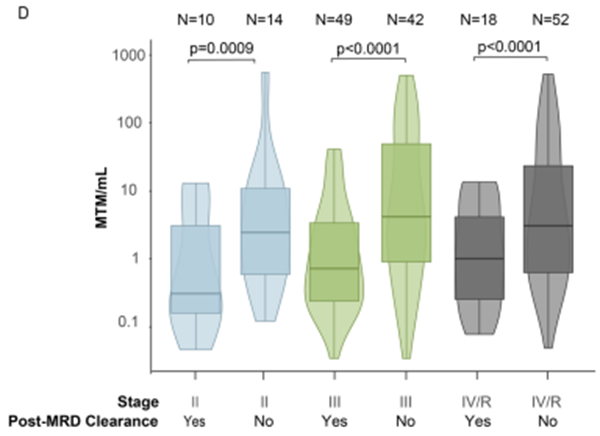
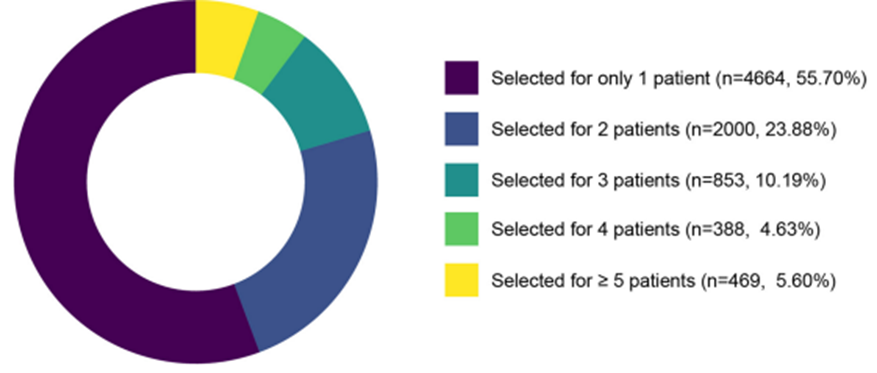
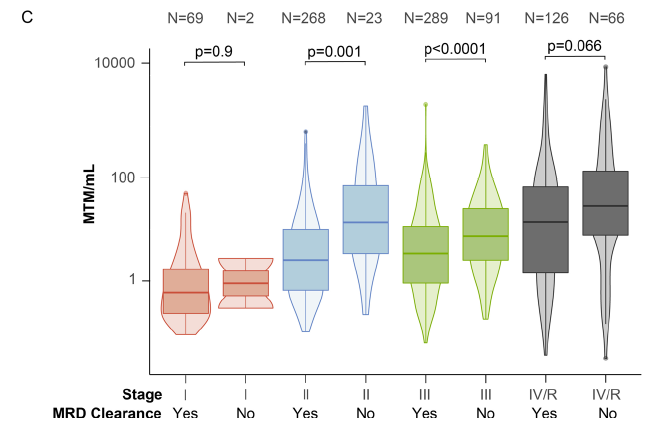
Additional findings: (1) more than >50% of markers selected where unique to just 1 patient-> tumor informed + personalized assays (2) Higher MRD levels associated with lower probability of clearance -> importance of quantification (3) Presurgical ctDNA detection not prognostic