When rubber meets the road, we have to get creative to ensure our robots will be reliable and performant outside of the lab! Putting wheels on Atlas let us test how faithfully an RL whole-body controller can work with real actuators running at the edge.
Learn more about this experiment: https://t.co/jLfnmuIZbl
Join our team: https://t.co/AKksfLSB0k
@i2cjak Have been using Backplane for the past 2 weeks and I am very impressed by it. I just put in my order to @PCBWayOfficial and almost spit my coffee out when I saw the final bill. This was just a test board for me. Something with complexity that should help me gauge how great Backplane is for someone that does not have a background in EE. Its a power board similar to the Robstride Powerboard.
We’ve trained Claude to flag potential misuse in conversations, a technique we call self-assessment. Right after it responds, Claude gives a preliminary safety assessment of the conversation.
Since we began using self-assessment in June, it has surfaced misuse that our other safeguards weren’t designed to catch.
Because Claude has already read the conversation, self-assessment is very efficient. And unlike classifiers, which target a discrete set of harms, it draws on Claude’s own judgment, so it gets more accurate as our models improve.
Read more on our new Safeguards blog:
https://t.co/18j6zdHub4
I don’t get it. What difference does it make if I’m using hardware from China? My robot’s actuators are made in China. I feel like those who are against made in China don’t understand that there aren’t any alternatives that meet the quality and pricing. At the end of the day, it’s not like the American government is dishing out money to start-ups to help reindustrialize, and if they are, I feel like the process is made for only those who are already funded and well capitalized.
If their government is lowering cost of energy and making their goods cheaper, our government should do the same. Consumers will always choose a better quality at a good price. Not better quality for 10 times to cost.
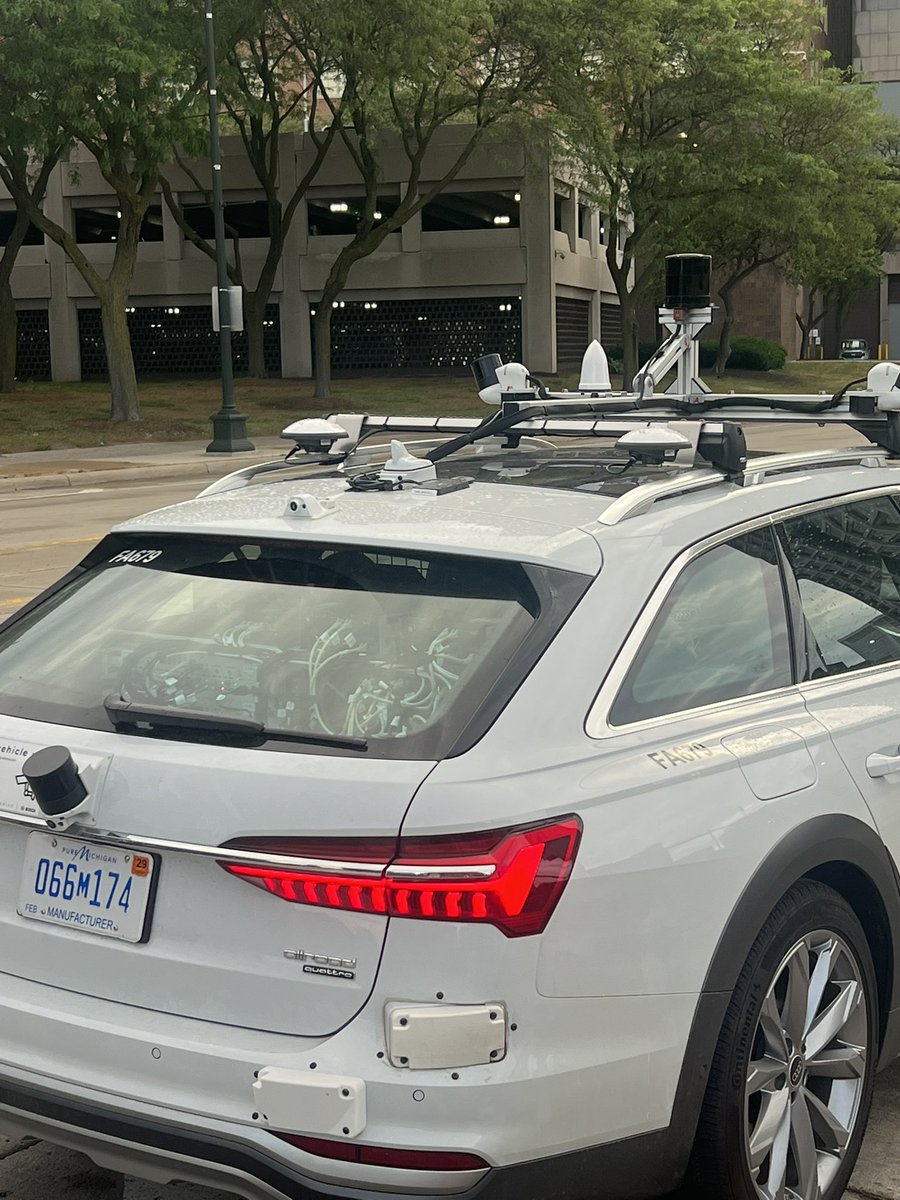
Once again seems like a pretty bad idea to have a massive industrial mapping effort of all of our cities with Chinese lidar
Spotted in San Francisco, Detroit and Austin
Lightberry’s Lumi is the first humanoid robot to receive Conditional Approval from the U.S. Government, earning an FCC exemption from the Covered List that blocks new foreign-made robots from U.S. sale.
The approval rests on two commitments:
- Full replacement of sensors, compute, and software with Lightberry’s own, and
- U.S. manufacturing of the body, head, and hands (with the rest to follow).
Lumi is a 4’2” yellow interactive robot priced at $39,990, shipping in 2026. Startup was founded in 2025 in San Francisco by Ali Attar and Stephan Koenigstorfer.
You can now book our humanoid cleaners on a recurring subscription, for up to 3 hours per cleaning at https://t.co/Brl42KyISx.
Video is first take, uncut, shown at 4× speed. See the reply for detailed footage at 1× speed.
@KyleMorgenstein I feel like at this point there’s no point to holding back your code. That’s not the moat. The moat is the training data and what you can build with that data.
Gross incompetency from Indian certificate authority eMudhra.
You had one job: generate a 384 bit private keys and instead you used: 4, 56, 66, 115, 155, 156, 230, and 237.
This allows attackers to issue certificates for any websites.
Embarrassing that it’s a family business run by largely computer illiterate people. Only 1 of the 3 have a remotely computer-related background and even they never actually worked a technical job in their life. If you look at the LinkedIn, their tech team is young, from tier 3 education and paid sort of bottom barrel.
Imagine how many attacks you can design with AI given the existence of this genre of gross negligence.
Unitree Introducing: H2-X Kung Fu Legend Guardian🤖
Powerful performance to serve and guard you, with a maximum endurance of approximately 8 hours.
Please use the robot safely and in a friendly manner.
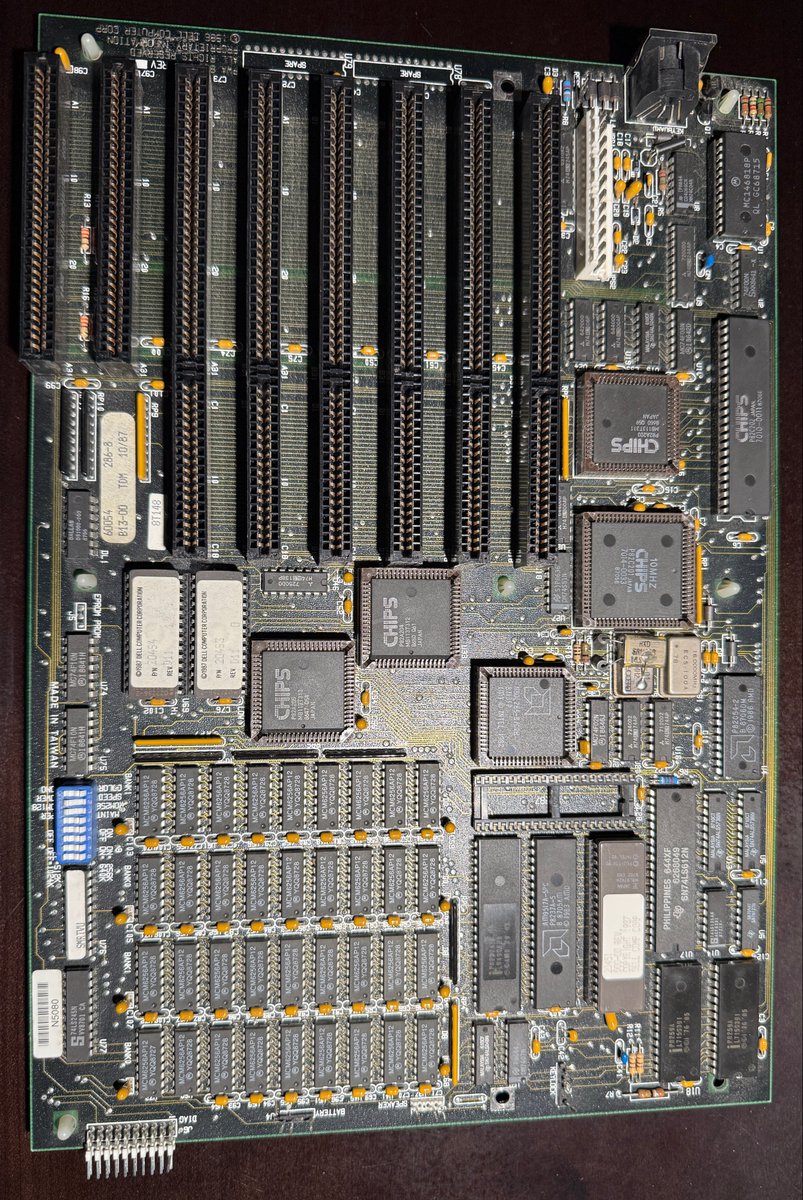
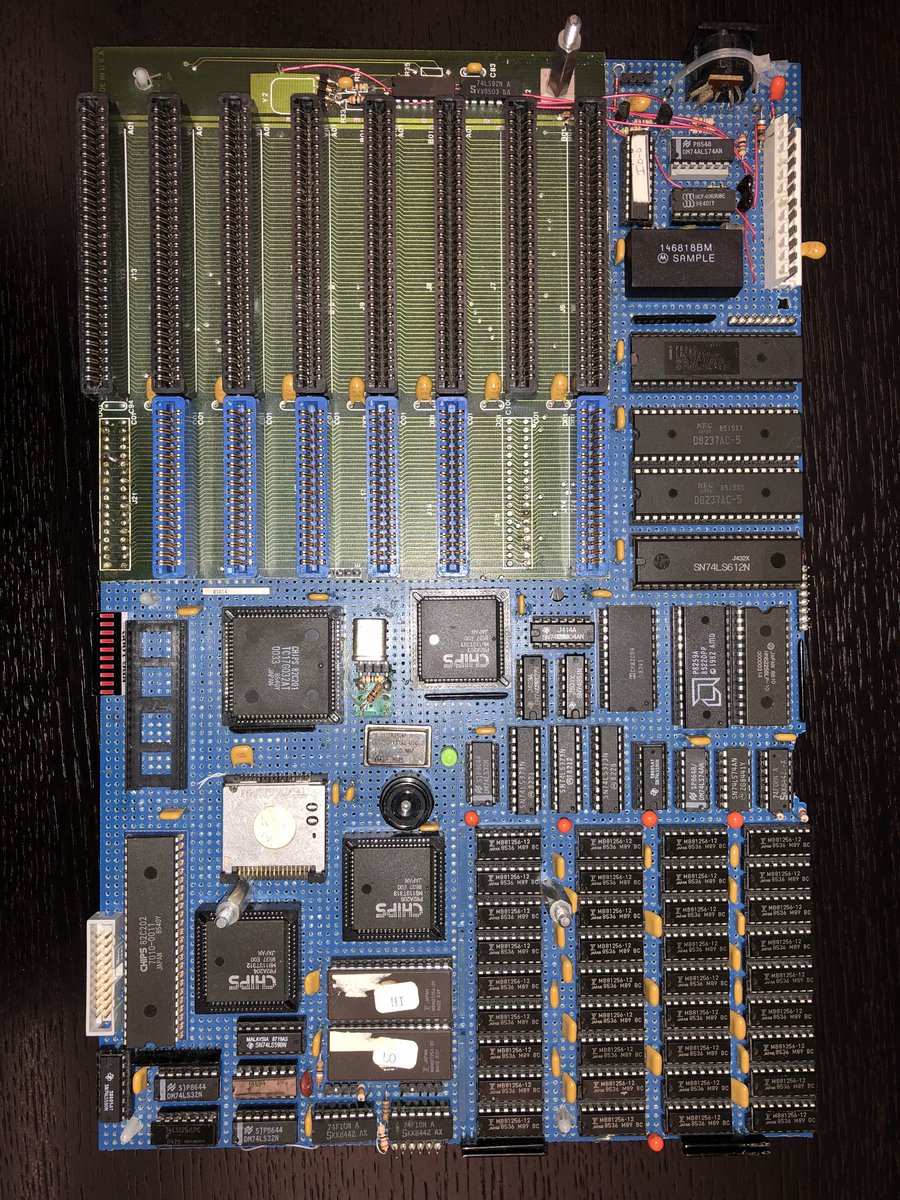
Thanks very much @JensenHuang! My first trip to Taiwan was in 1985 when I was 20. Compeq (not Compaq 😂) made PCBs for us. This is the hand wired (Jay Bell, RIP) prototype of our first 286 based PC and the actual production motherboard. It was based on a chipset from Chips and Technologies, they were produced in Japan at that time before TSMCs rise. I explained a bunch of this history in #PlayNiceButWin.
https://t.co/FRDfrAMlu3