No more tech stacks, I want to hear your daily routine stack. Here's mine:
1. I stopped drinking caffeine. I drink seltzer + juice now. No more crashes
2. My phone is not allowed in my bedroom as I'm waking up or falling asleep. I put a kindle there if I want to entertain myself (currently re-reading Eragon 🐉)
3. I workout mid-day to reset my body/mind. I tried morning workouts but I get too tired later in the day. Night workouts keep me up
4. I use a cold shower as a jolt of energy / reset. Particularly in the middle of the day (wfh perk). I wish I could do morning cold showers but I'm not that hardcore
5. I only work where there's lots of light if I can (preferably natural light) 🌞. Otherwise I fall asleep
6. lofi music for some *unts unts unts*
7. phone is out of sight while trying to be productive (not sure why I even have one tbh)
8. healthy eating. Junk food makes me crash / feel like shit what's your daily routine stack?
ETHEREALIZE'S NEXT CHAPTER
We were born as a marketing and BD arm for Ethereum.
Today, we're excited to announce that we’re expanding our mission:
Etherealize is building for the next era of finance—where Wall Street merges with Ethereum.
(1/12)
A public company CEO told me AI coding has had negligible impact on his engineering teams, instead the real transformation has been on their product and design teams using Replit.
I asked him how does he reconcile this with CEOs saying that 25-50% of code is generated by AI?
He said that’s also true in their case—AI does generate a lot of their code—but that whatever time saved in generating the code is lost back in debugging, reverting bugs, and security audits. So if you measure time to ship, PRs merged, or whatever high-level metric you don’t see any impact.
Whereas his non-technical teams gained a fundamentally new super power of being able to make software. Prototyping with Replit makes iteration speed incredibly faster before it gets to engineering. And non-product teams—like HR—can for the first time solve problems where vendors don’t have the exact solutions they’re looking for.
I was surprised to hear the part about engineering teams, and I’m sure every company will be different, but it made sense the profound impact coding agents are having on non-technical folks.
1/ 10 years ago, Ethereum was born to rewrite the rules of programmable finance.
Today, ahead of Ethereum's anniversary, we’re thrilled to introduce ETHZilla, a NASDAQ-listed treasury vehicle for Ethereum, by Ethereum.
It will commence trading under the ticker $ATNF.
Today the Senate took the historic step by passing the GENIUS Act with broad bipartisan support.
This stablecoin bill protects consumers and gives entrepreneurs the guardrails they need to drive innovation and economic growth in crypto and beyond.
Now we need comprehensive market structure legislation so the US can lead in building blockchain networks.
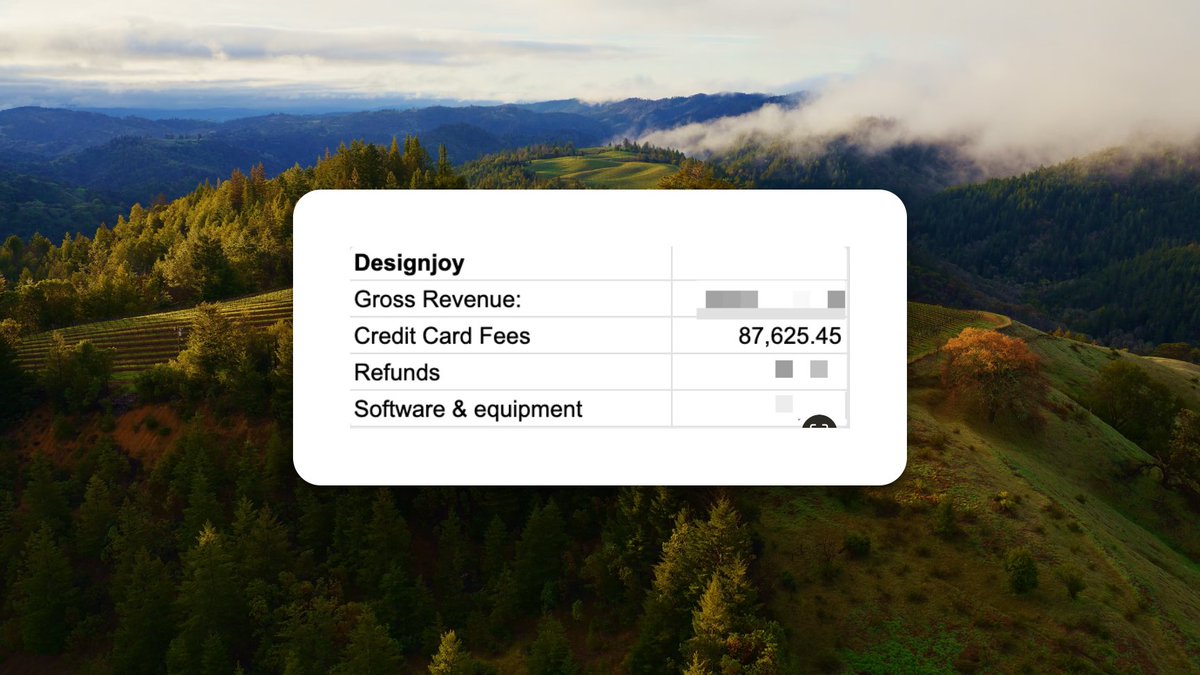
Today Stripe will start charging $30 to biz owners for disputes
(which any customer can create)
Also, they
- Bought out popular alternative (LemonSqueezy)
- Bought alternative tech options (stablecoins - bridge), but still charging 1.5%
There's gotta be a better way
For dApps to go mainstream, they need to move away from extension wallets
To reach non-crypto users, you can’t rely on crypto-native concepts
People understand “adding money to my account” more than “using a crypto wallet” (imagine if you had to download phantom before using venmo)
so dApps should start using fiat-style UX with wallets abstracted in the background
Good example: https://t.co/ffF1jqi9Gf . You deposit funds to your "portfolio", and presumably a wallet is generated for you on signup