One factor I missed, commented by many: After centuries living in Muslim countries, about 900k Jews left them between 1948 and 1970. Some pulled by the new land, some pushed by their countries
Who has a fair claim on the region of Israel and Palestine?
It's time to go deep to understand:
• History
• Geography
• Religion
• Legal claims
• Morality
• And more:
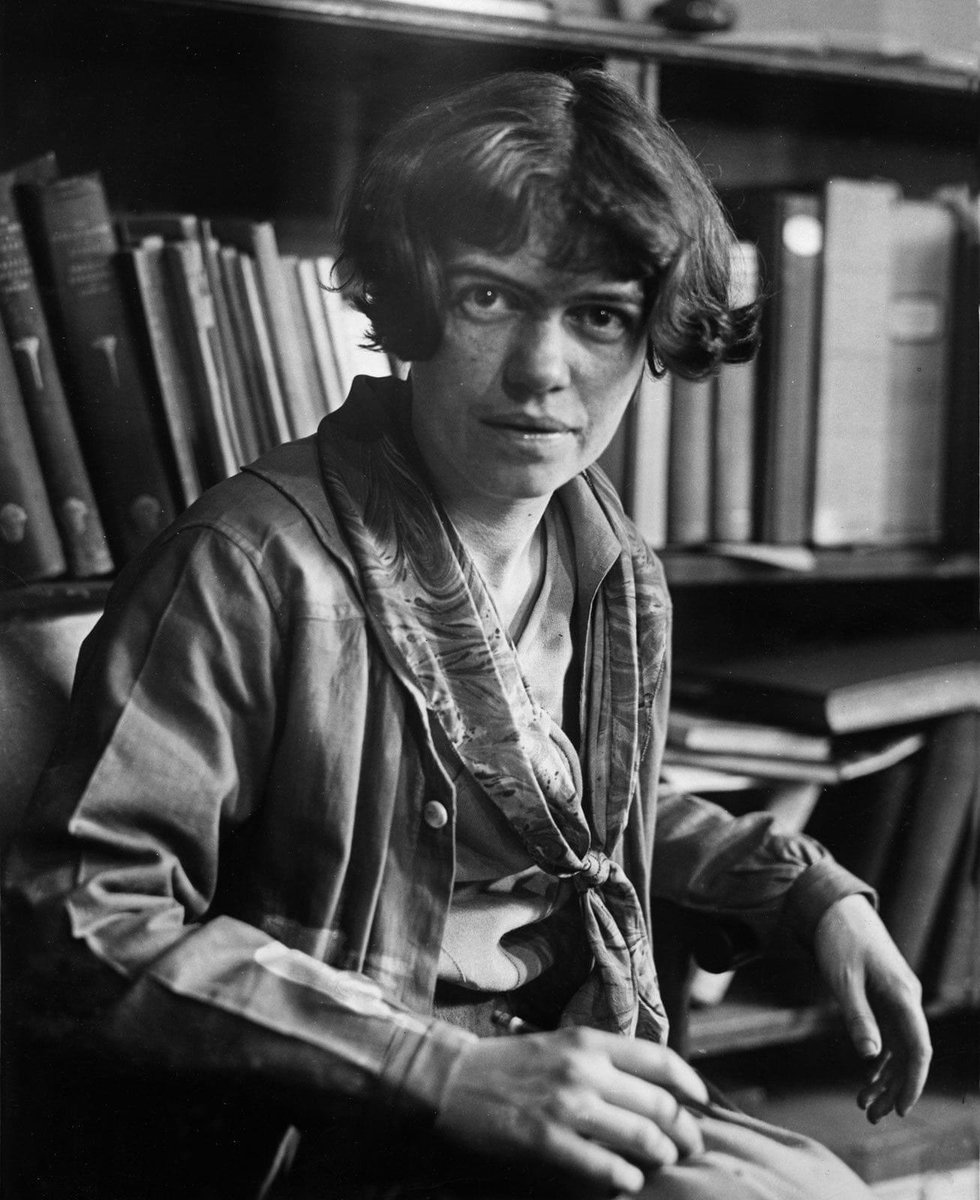
Years ago, anthropologist Margaret Mead was asked by a student what she considered to be the first sign of civilization in a culture.
The student expected Mead to talk about fishhooks or clay pots or grinding stones.
But no.
Mead said that the first sign of civilization in an ancient culture was a femur (thighbone) that had been broken and then healed. Mead explained that in the animal kingdom, if you break your leg, you die.
You cannot run from danger, get to the river for a drink or hunt for food. You are meat for prowling beasts. No animal survives a broken leg long enough for the bone to heal.
A broken femur that has healed is evidence that someone has taken time to stay with the one who fell, has bound up the wound, has carried the person to safety and has tended the person through recovery.
Helping someone else through difficulty is where civilization starts, Mead said."
We are at our best when we serve others.
Be civilized.
Credit: Ira Byock.
Why isn’t Malacañan Palace a staple destination for grade school field trips?🤔
Hear more about why Manolo Quezon (@mlq3) thinks it should be, and learn the history of the centuries-old building on What’s AP? Araling Panlipunan Rebooted: https://t.co/Kv4dfILIyN
A young statistician saved their lives.
His insight (and how it can change yours):
During World War II, the U.S. wanted to add reinforcement armor to specific areas of its planes.
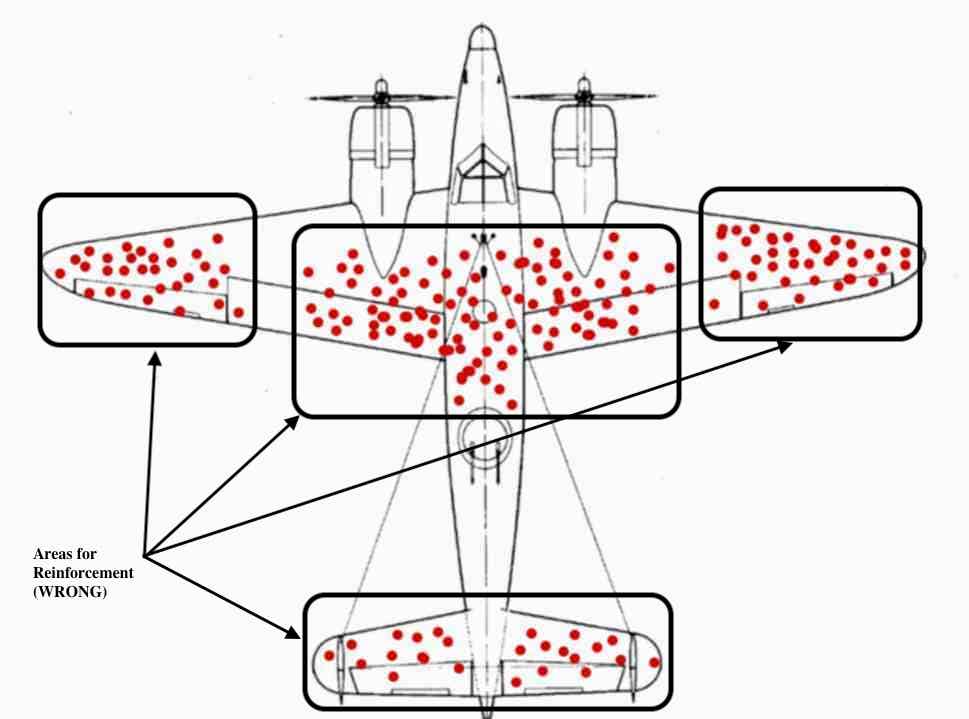
Analysts examined returning bombers and plotted the bullet holes and damage on them (as in the image below).
Based on this analysis, they came to the conclusion that adding armor to the tail, body, and wings would improve their odds of survival.
But a young statistician named Abraham Wald noted that this would be a tragic mistake.
By only plotting data on the planes that returned, they were systematically omitting the data on a critical, informative subset:
The planes that were damaged and unable to return.
Abraham Wald recognized a key fact:
• "Seen" planes had sustained damage that was survivable.
• "Unseen" planes had sustained damage that was not survivable.
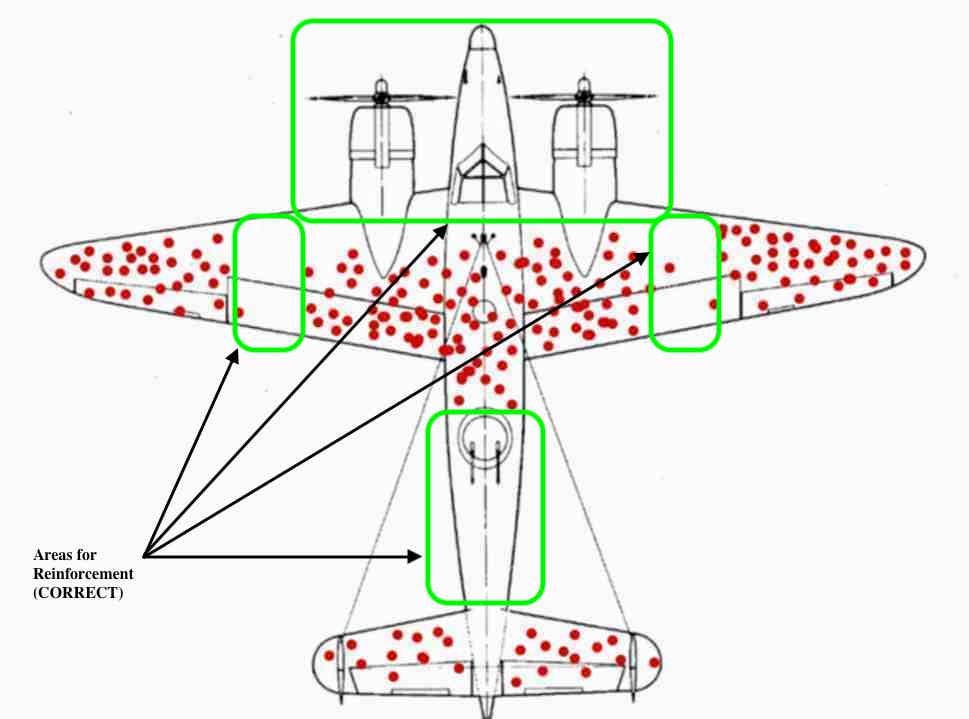
Wald concluded that armor should be added to the *unharmed* regions of the returning planes (the areas without bullet holes on the image below).
His profound logic:
Where the survivors were unharmed was actually where the planes were most vulnerable.
Based on his insight, the military reinforced the engine and other vulnerable parts, significantly improving the safety of the crews during combat and saving thousands of lives.
Abraham Wald had identified a cognitive bias called "Survivorship Bias":
The error resulting from systematically focusing on survivors (successes) and ignoring casualties (failures) that causes us to miss the true base rates of survival (the actual probability of success) and arrive at flawed conclusions.
We see examples of Survivorship Bias all around us:
1. We read books on the common traits of successful people, but fail to consider all of the unsuccessful people who possessed those same traits.
2. We applaud the belief when we hear that an entrepreneur took out a second mortgage and succeeded, but fail to consider all of the entrepreneurs who did the same and went bankrupt.
3. We study the cultural strategies of the most successful companies, but fail to consider all of the companies that followed those same strategies and fell apart.
When we fail to consider the range of outcomes and the hidden evidence, we develop a skewed (and often incorrect) view of reality.
It cannot be avoided altogether, because the vast majority of books and history are written by and about the survivors and victors, but wherever possible, consider the unseen evidence.
Remember: What is unseen often has just as much value as what is seen.
***
If you enjoyed this or learned something, follow me @SahilBloom for more in future!
When Vincent van Gogh started painting he didn't use bright colours — so what changed?
It's a story about the importance of what we consume and the people we spend time with...
“His joys were not complicated. Kung sa luho, lahat naman tayo may kanya-kanyang luho. Nagpapasalamat ako na hindi niya hinayaang masilaw ng yaman at kapangyarihan,” Fr. Jett Villarin said of the late former president Noynoy Aquino. https://t.co/VU2jbfWjFb | @onenewsph
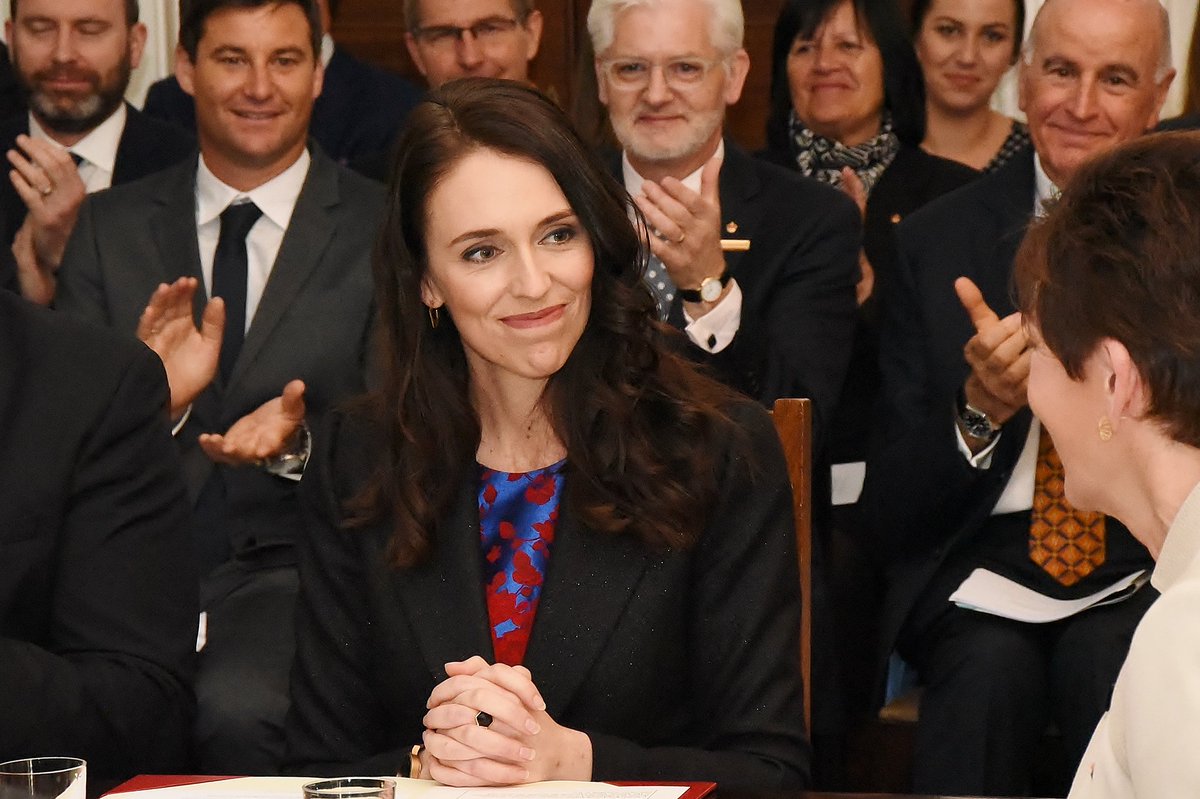
"One of the criticisms I've faced over the years is that I'm not aggressive enough or assertive enough, or maybe somehow, because I'm empathetic, it means I'm weak. I totally rebel against that. I refuse to believe that you cannot be both compassionate & strong." Jacinda Ardern
SM is running an electric bus service from SM Fairview to Megamall and back. It's 100 pesos all the way, and you pay through an app. It's kind of neat, though they're still ironing out a lot of technical kinks.
“Health is economy.” This key idea, which former Socioeconomic Planning Secretary Ernesto Pernia @SecPernia wrote about in 2020, still resonates today as the Philippines continues to recover from the pandemic. https://t.co/MpZkxuxr6X