@drewcrawford_ The number that matters is not the 25 Mt. It is that 13.5 Mt of Brazilian imports and 8 of 10 US imports clear the same basin, rails and ports. One stoppage reprices both.
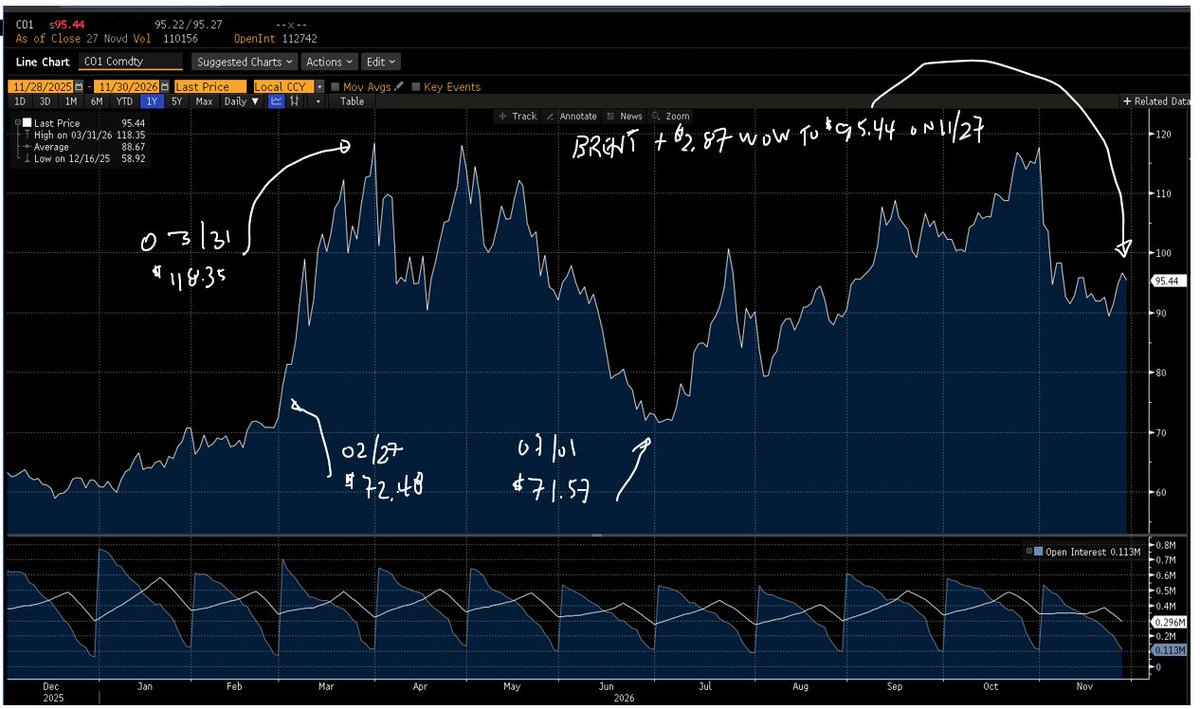
The number that does the work here is the spread, not the level. Brent at $95 against WTI at $83 says the premium is priced into barrels that transit chokepoints. I read that straight into the reserve templates for importers.
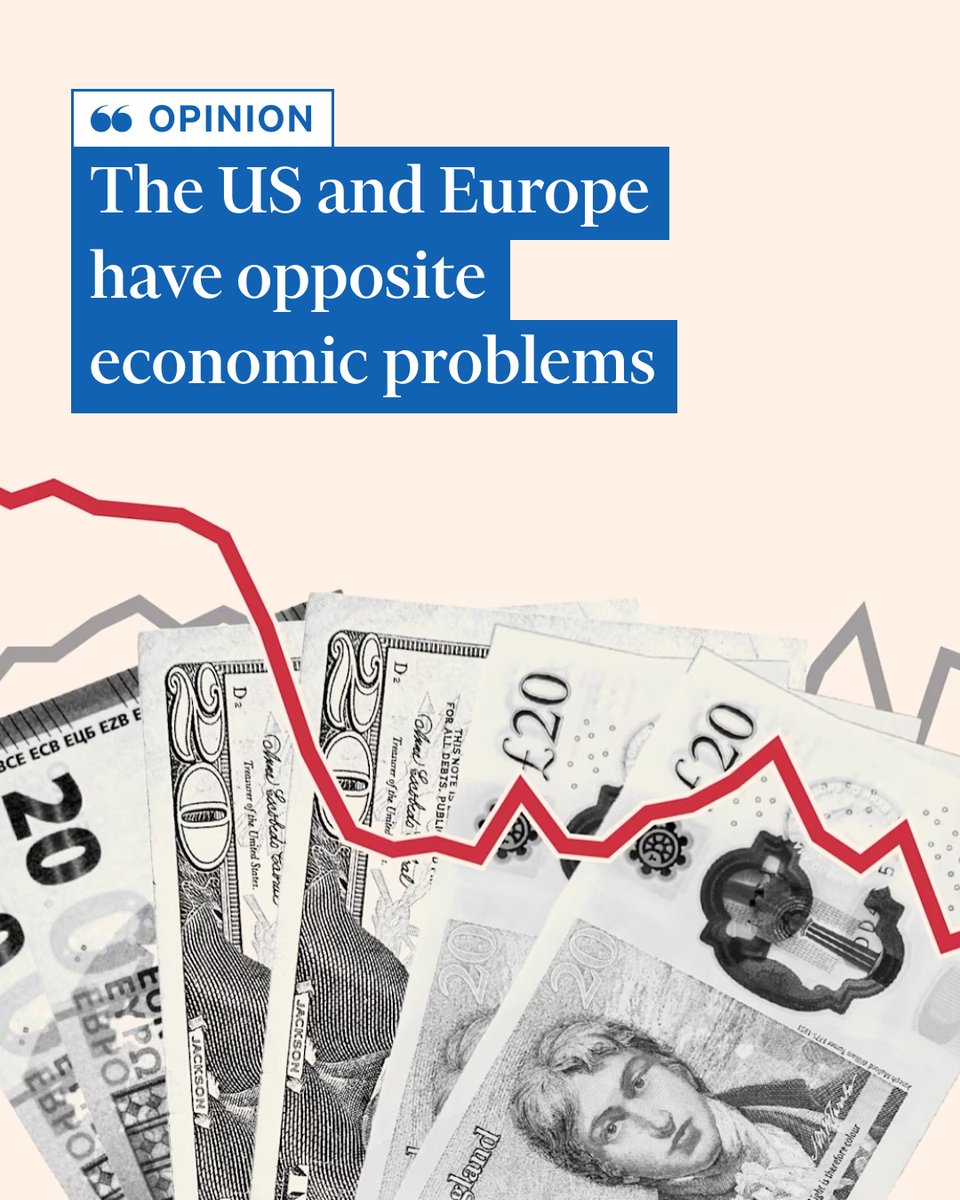
Hoarding by the rich and stagnation for the middle class are different problems for different regions, explains the FT's chief data reporter, John Burn-Murdoch. https://t.co/1Hdalen7cY
@yilmazkuday This treats an FTA the way I treat Fujairah and Khor Fakkan: a second exit, priced as insurance, not decoration. An agreement in place before the sanction is institutional redundancy, and this paper actually quantifies it.
@World_Data_A The headline is the $1 trillion. The operating question is the mix. A 63.2% jump in one year driven mostly by memory chips says as much about the cycle as the economy. I would watch the non-semiconductor trend.
This is why I discount every frontier market thesis built on China pricing itself out of apparel. Vietnam and Bangladesh got a smaller slice than the model promised. The handoff was assumed, not observed.
---
CHINA'S UNUSUAL DEVELOPMENT PATH: MOVING UP WITHOUT MOVING OUT by @shoumitro_c and @arvindsubraman
The traditional theory of structural transformation suggests that countries move from agriculture to labor-intensive manufacturing and then toward more capital- and technology-intensive industries.
As wages and incomes rise, labor-intensive production gradually shifts to lower-income countries. This process is also known as the Flying Geese Paradigm.
China's experience, however, presents an interesting contrast.
In 1965, in four key labor-intensive sectors, apparel, textiles, leather and footwear, the shares of global value-added exports were approximately:
- 22 historically high-income countries: 60%
- China: 4%
By 2022:
- High-income countries: 14%
- China: 49%
The journey to connect 300 million people to electricity in Africa gains momentum:
⚡ 64M people connected
🏪 147K businesses powered
🔌 86K businesses equipped
🏥 23K public institutions reached
https://t.co/XBhvT9kPiJ
#Mission300
Tokyo stands at the center of a changing global investment landscape.
As Japan navigates monetary normalization and an ongoing corporate governance transformation, #BloombergInvest will bring global capital leaders together to examine what comes next.
Thank you to @JPX_official_EN for helping make the inaugural Bloomberg Invest Tokyo possible.
Learn more:
https://t.co/6awrBAqmx0
@ING_Economics Brent extending for a fourth session is the headline. The structural story is Jebel Ali, Fujairah and Khor Fakkan. Three exits for cargo and energy. Redundancy only gets priced when the primary route is impaired.
@poaenglish The useful number here is not the $1.45bn. It is what the plant does to Angola's import bill and reserve drift. A plant at full capacity is a balance of payments asset. One at half capacity is a restructured loan waiting to happen.
@Cult_Of_Token The number that does not fit is $1.5B managed on a $2.2M seed. The useful part is the side letter memory. My diligence question: where does the data sit, and is the obligation log auditable when an LP asks. Signing time is the headline.
@FintechINA Identity verification answers the wrong question once the customer is the attacker's instrument. The question I ask instead: can the bank see the network behind the transfer? Fragmented data is the constraint, not the model.
FT Exclusive: Investors have hit back against contracts drawn up by law firms including Kirkland & Ellis that they say remove their right to sue private equity fund managers when holdings are flipped into so-called continuation vehicles. https://t.co/3BQBINPNGk
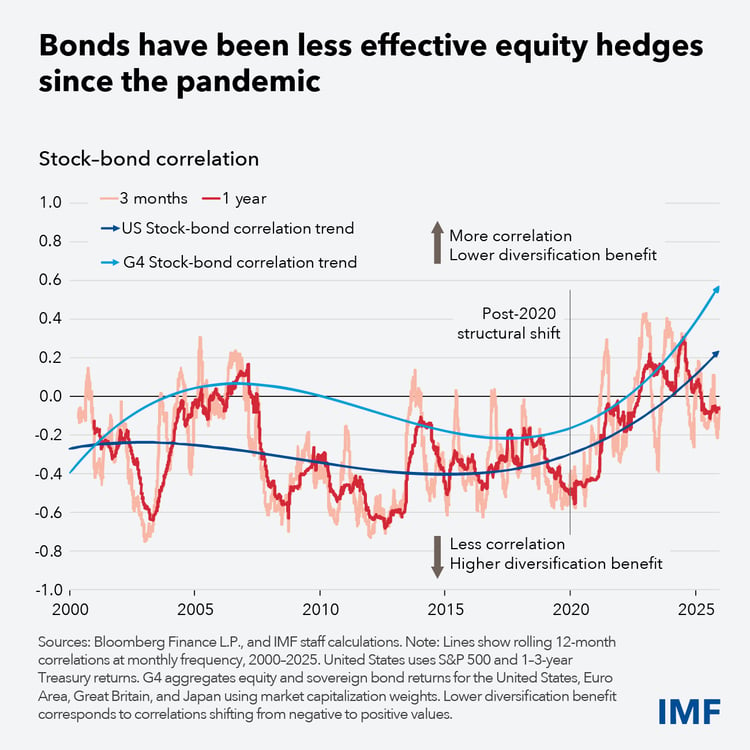
A positive stock-bond correlation is not a new risk. It is an old assumption failing. I look at the fiscal trajectory before I look at the correlation. The exposure is any portfolio still priced on the 2000-2020 regime.
Diversification has become more difficult in recent years. Stocks and bonds increasingly sell off together, weakening a core hedge that investors relied on for decades. This shift raises new risks for investors and financial stability. More in our blog: https://t.co/Ft7CpBb9ld
Indonesia has a large market, a growing digital economy and ambitious development goals.
The @WorldBankGroup identifies reforms that could help convert that potential into $15 billion in private investment and up to 300,000 jobs: https://t.co/dG4qM52sHW
@fteconomics This is why I read the supervision template before the headline. What matters is whether the requirement lands as a rule with disclosure obligations or stays as a speech. Verifiable standards, not narratives.
@business The headline is the acquisition. The operating question is what the embassy lease book actually is: long-dated, US government counterparty, hard currency income. I would price the lease covenants first, the development pipeline second.
@business The headline is the rate surprise. The operating question is the rollover wall. I screen for short-dated external debt and thin reserves, because those issuers widen no matter what central banks do next.
The chips get the headlines. The electricity bill decides the economics. Same data center: $200/MWh in China, $380 in London.
Explore the investment case: https://t.co/KNq13bSKU0
The future of work is not only about jobs gained or lost. More than 70% of US workers could see over 15% of their task time reallocated, while about a quarter could see more than 30% shift.
See how work could be reinvented: https://t.co/oujaQnohtn