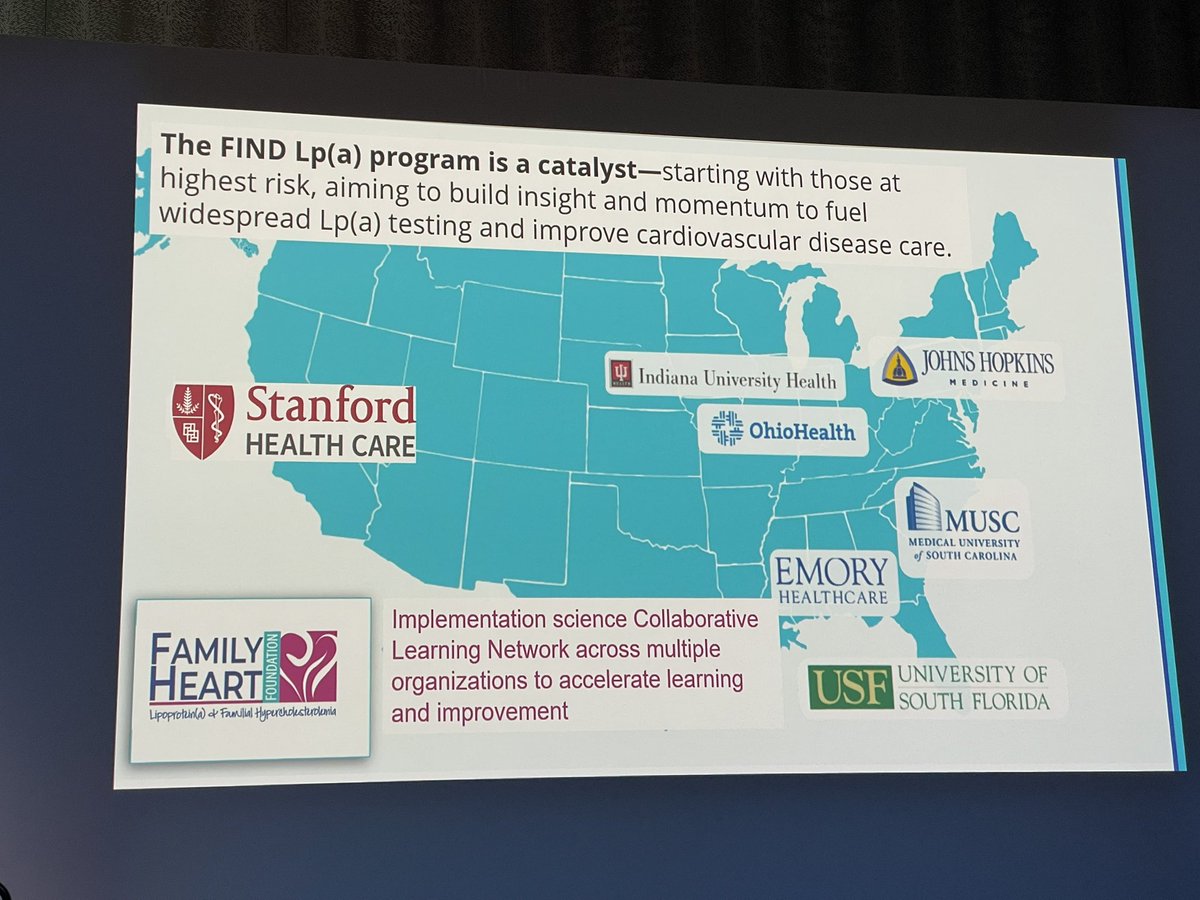
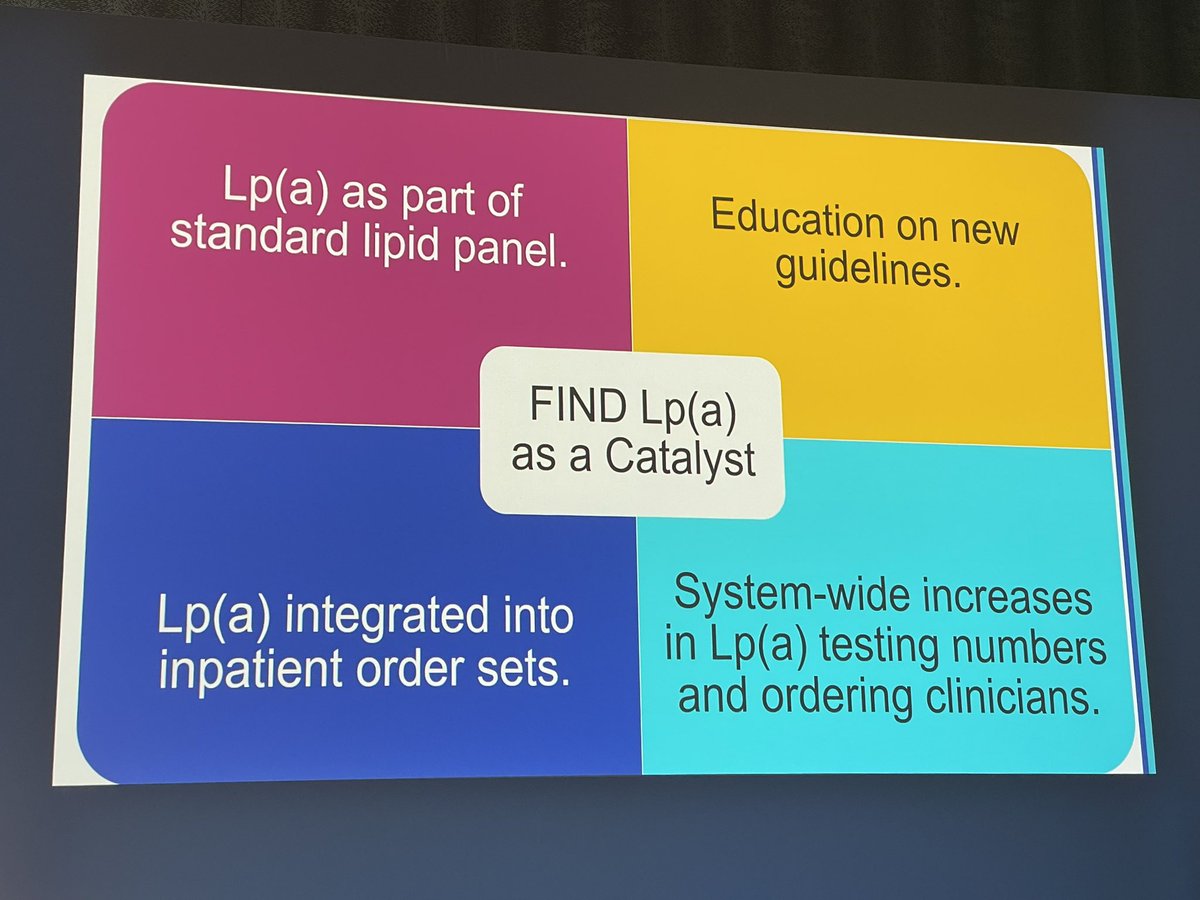
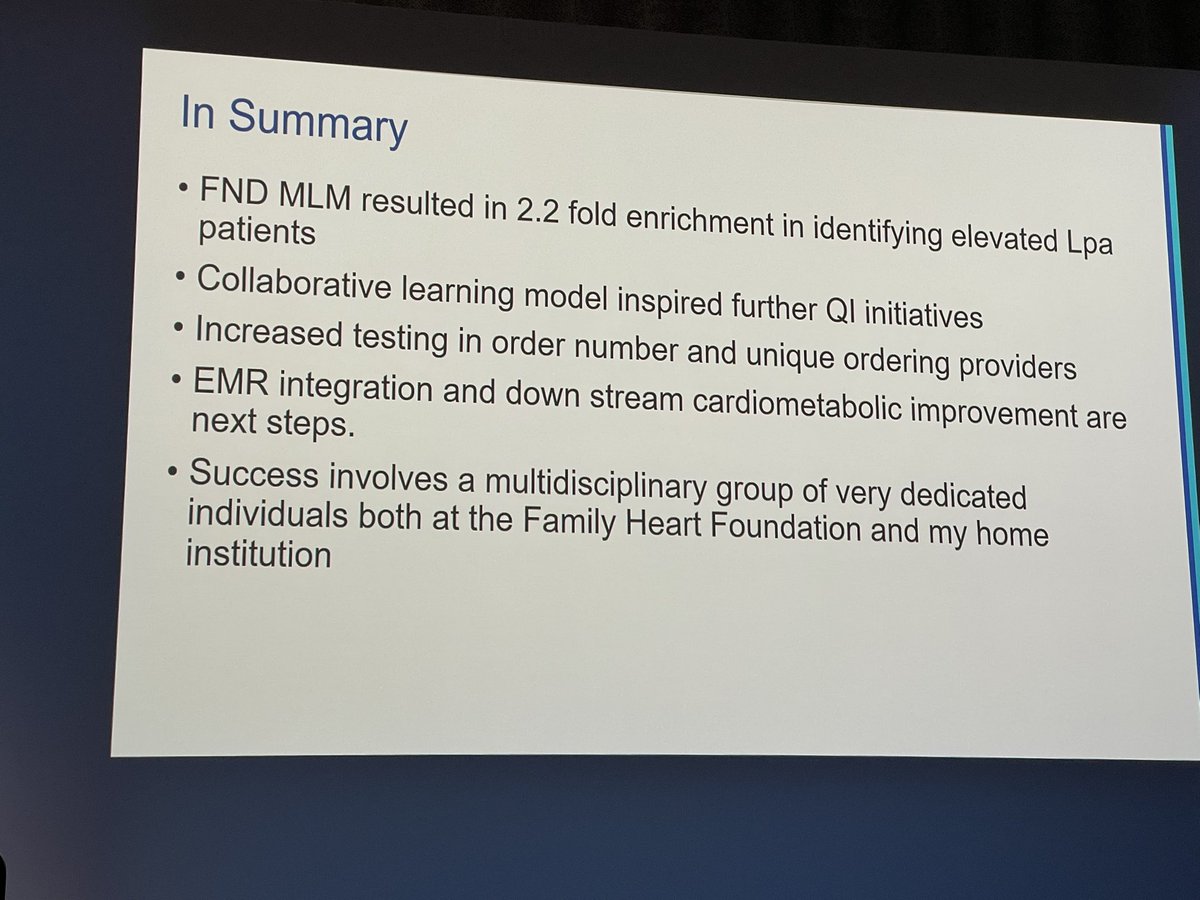
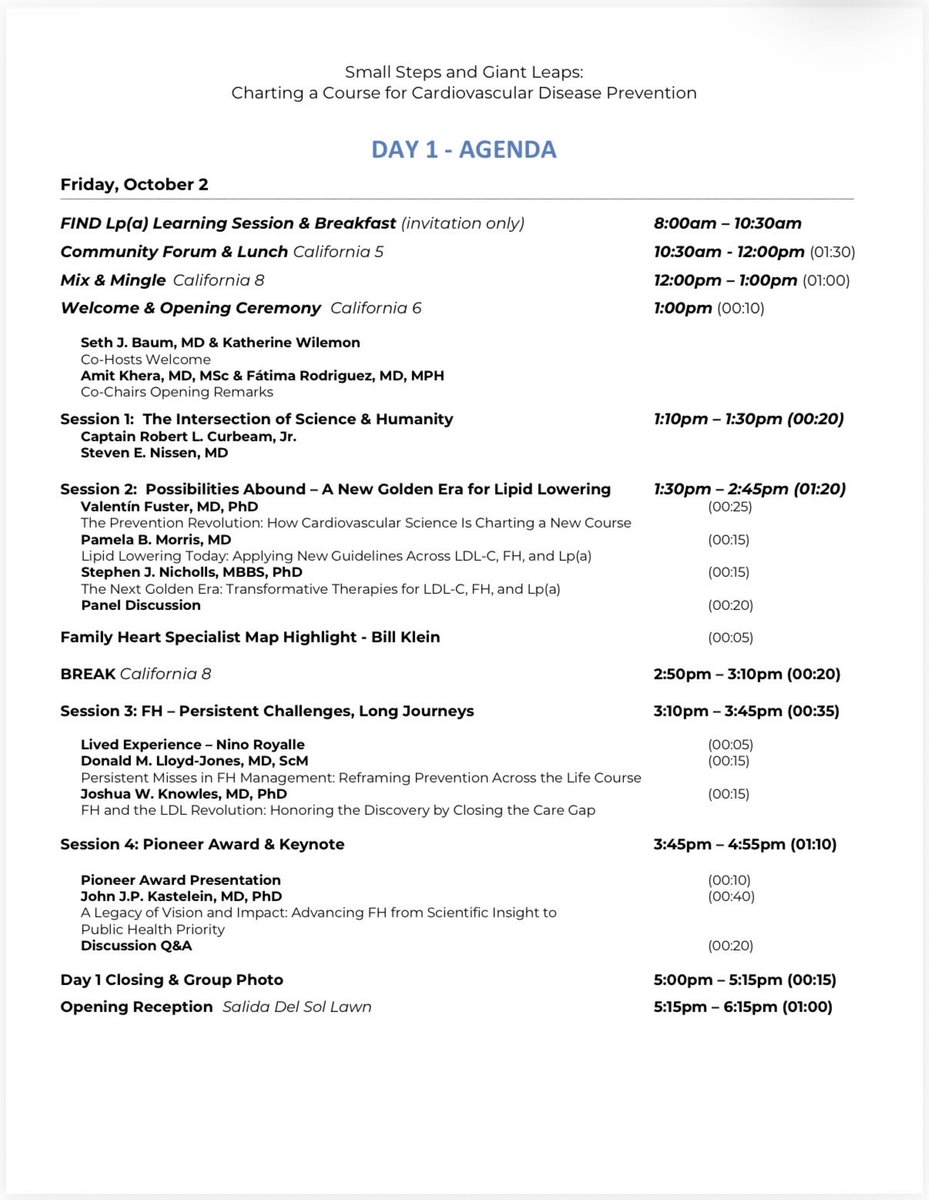
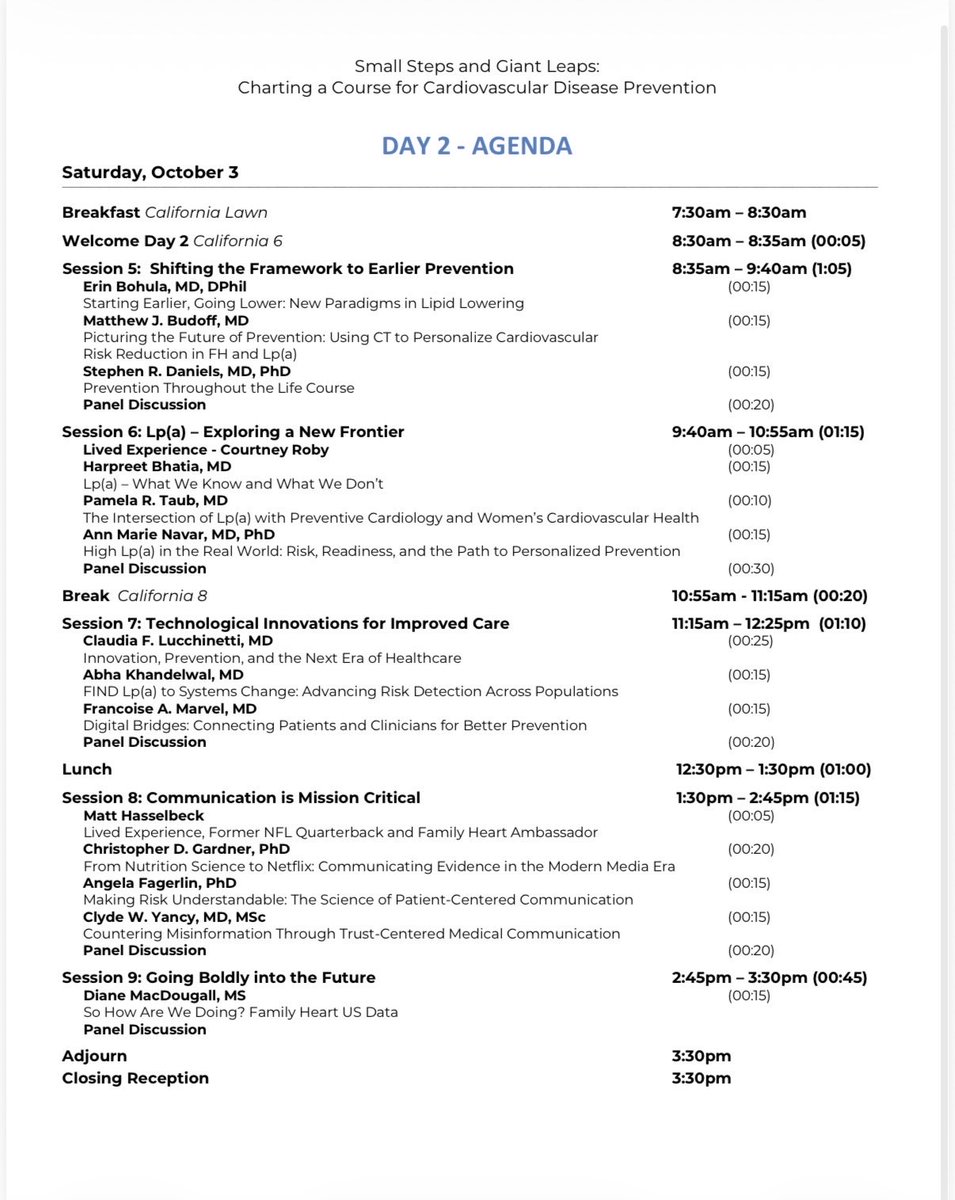
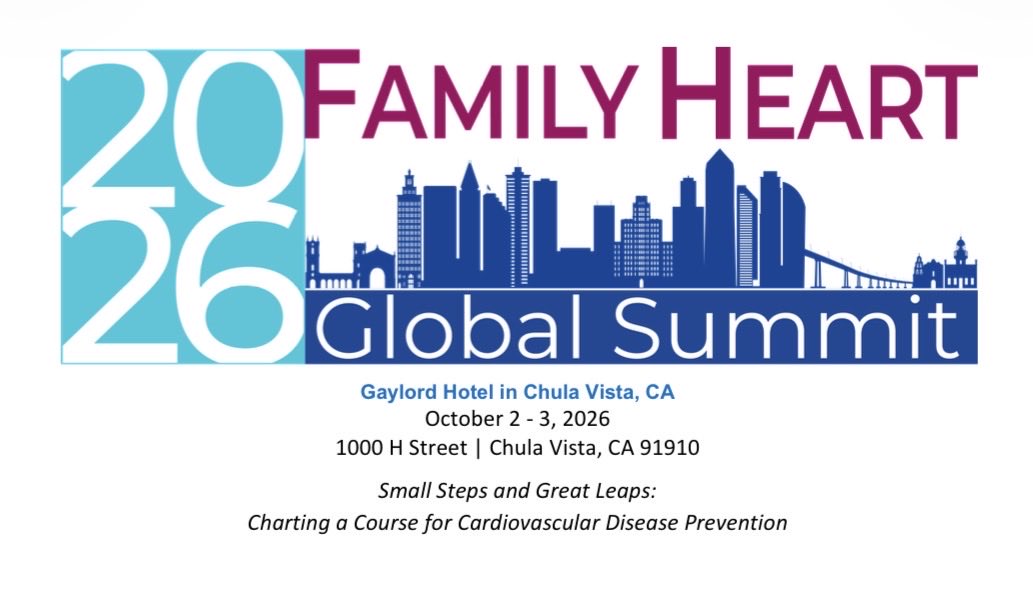
#FHFSummit26
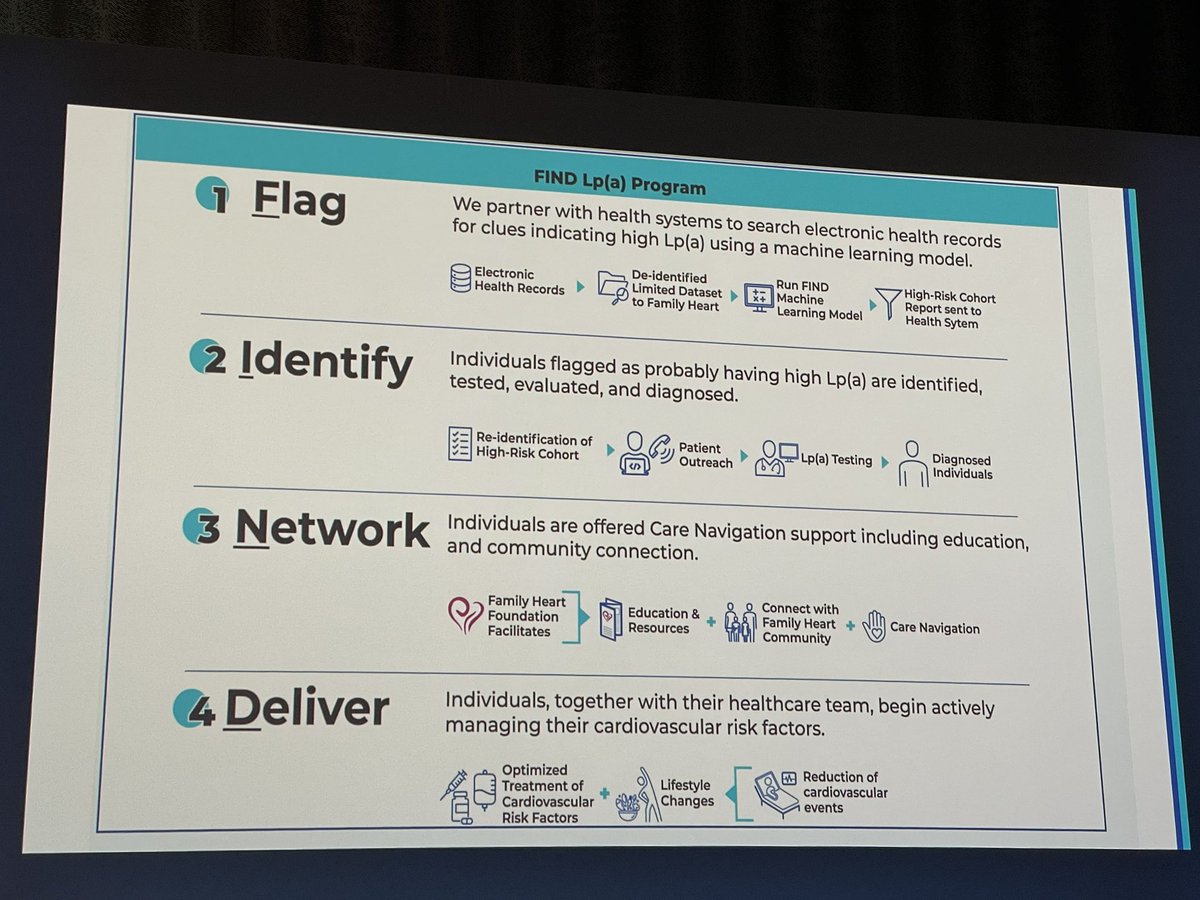
Great overview by Dr Abha Khandelwal from @StanfordHealth presenting on the impact of the innovative FIND Lp(a) initiative from @FamilyHeartFdn
✅ Big impact of the machine learning model and health system outreach
#KnowLpa
🦉The stronger immune response created its own resistance.
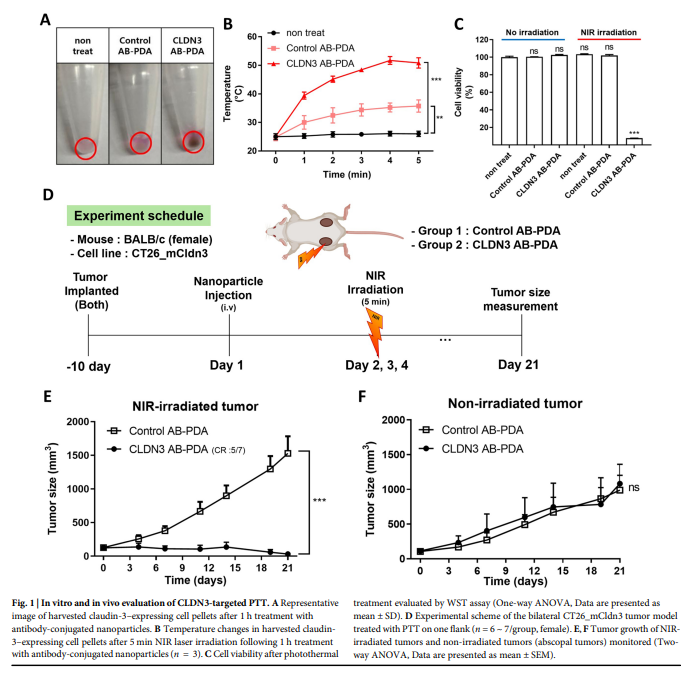
Photothermal therapy killed the treated tumor but did little to distant lesions. Adding tumor-targeted IFN-β changed the biology: cDC1s expanded in draining lymph nodes, CD8⁺ T cells accumulated in untreated tumors, and systemic immune memory emerged.
But the same immune activation also pushed PD-1 upward on infiltrating CD8⁺ T cells and PD-L1 on tumor-associated MoDCs. In other words, successful priming generated its own brake. Adding PD-1 blockade then produced deeper systemic tumor control and durable protection after rechallenge.
That is the more interesting lesson: in immunotherapy, resistance may sometimes be a consequence of getting the first step right.
The next bottleneck only becomes visible once immunity is strong enough to expose it.
#immunotherapy #T_cell #dendritic_cell #PD1
https://t.co/MTHL149d2H
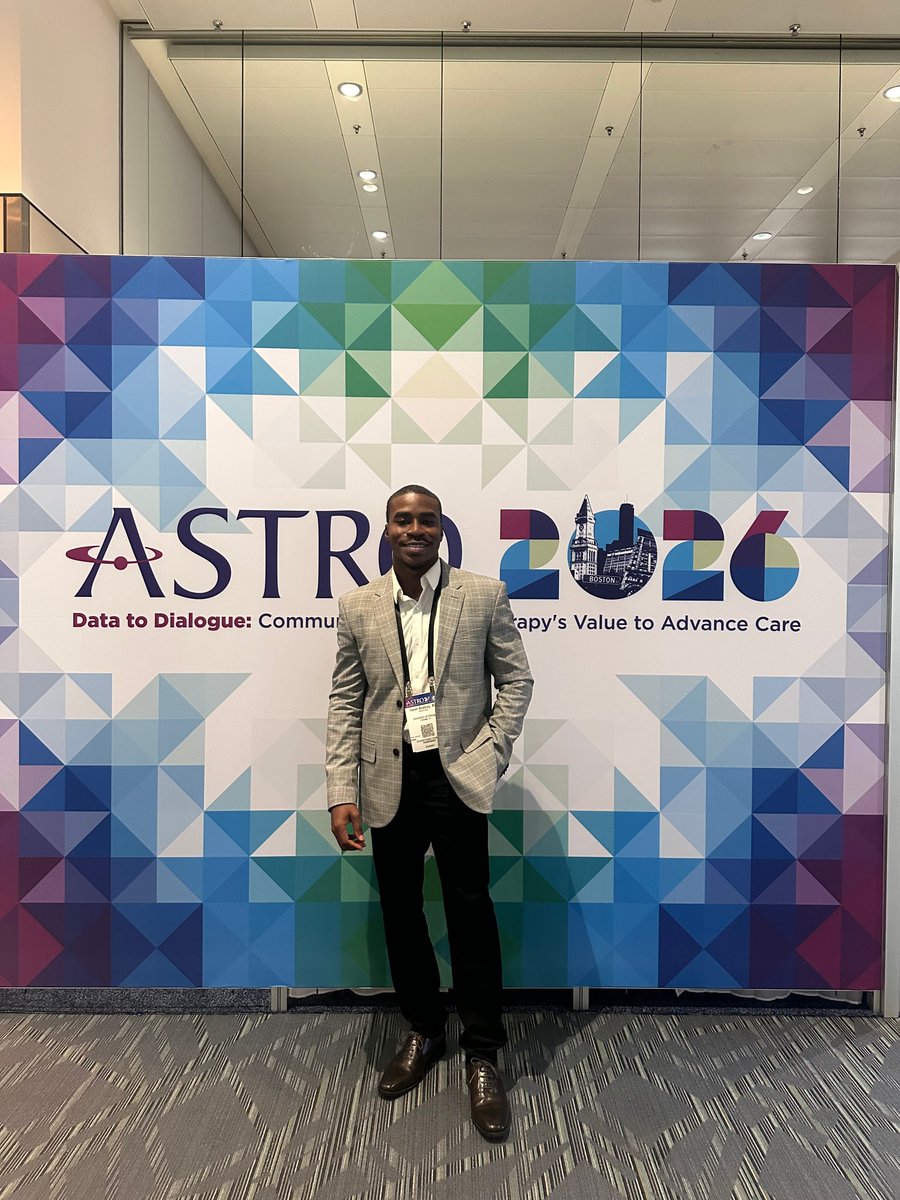
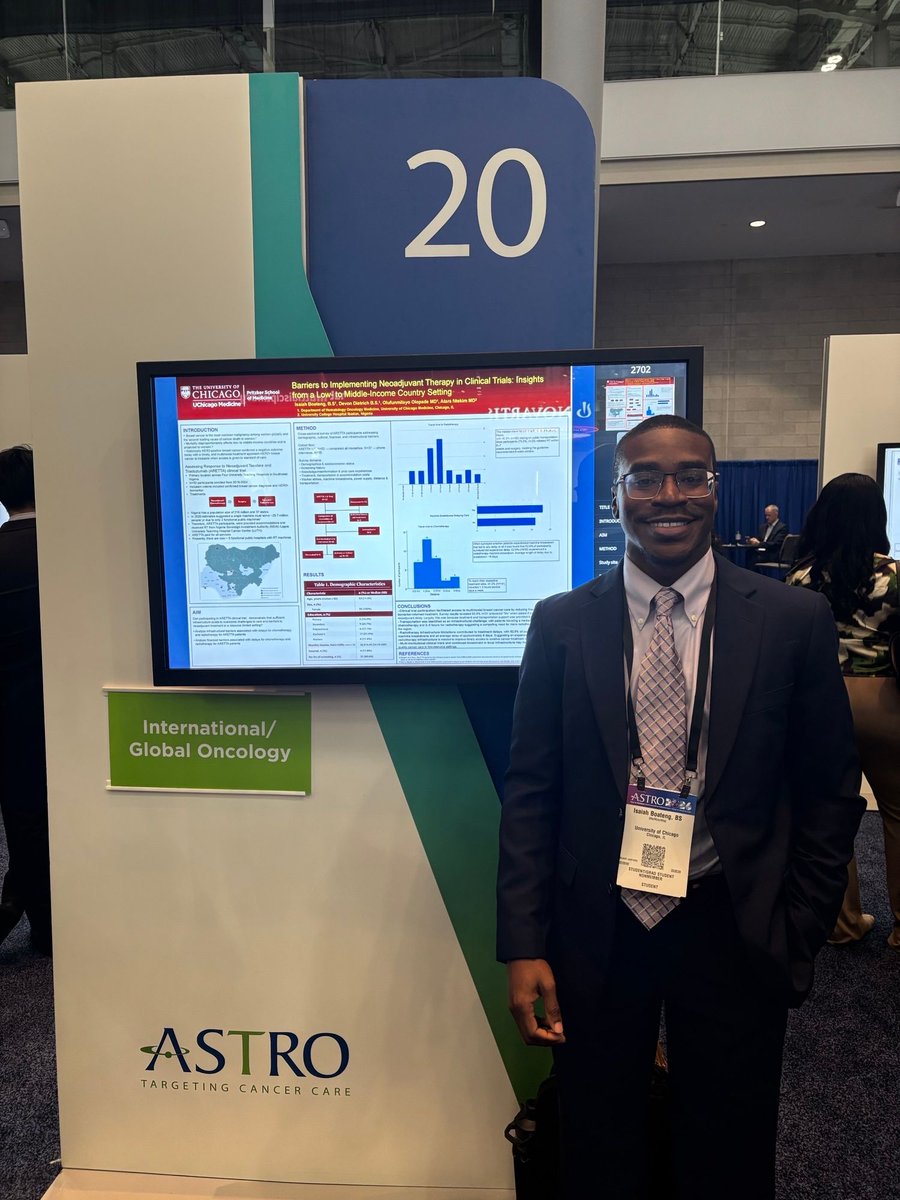
At #ASTRO26, Isaiah Boateng, BS, presented on radiotherapy feasibility for HER2+ breast cancer patients in Nigeria. Despite 2-3 hr travel times, treatment stayed on schedule, with 94% citing trial-funded care as key to overcoming cost barriers. @IsaiahKBoateng@UChicagoRadonc
Survivorship, psychosocial support, complex care, and early childhood
development show the importance of a more holistic approach to pediatric health.
#healthcareIT#eHealth#healthcare#digitalhealth
Thrilled to see this in print. Honored to partner with @elmayermd@stolaney1 and our fabulous colleagues and partners at Roche/Genentech on this practice changing trial. Combo vs combo proves a more effective ET for mESR1 dse. @OncoAlert@OncBrothers
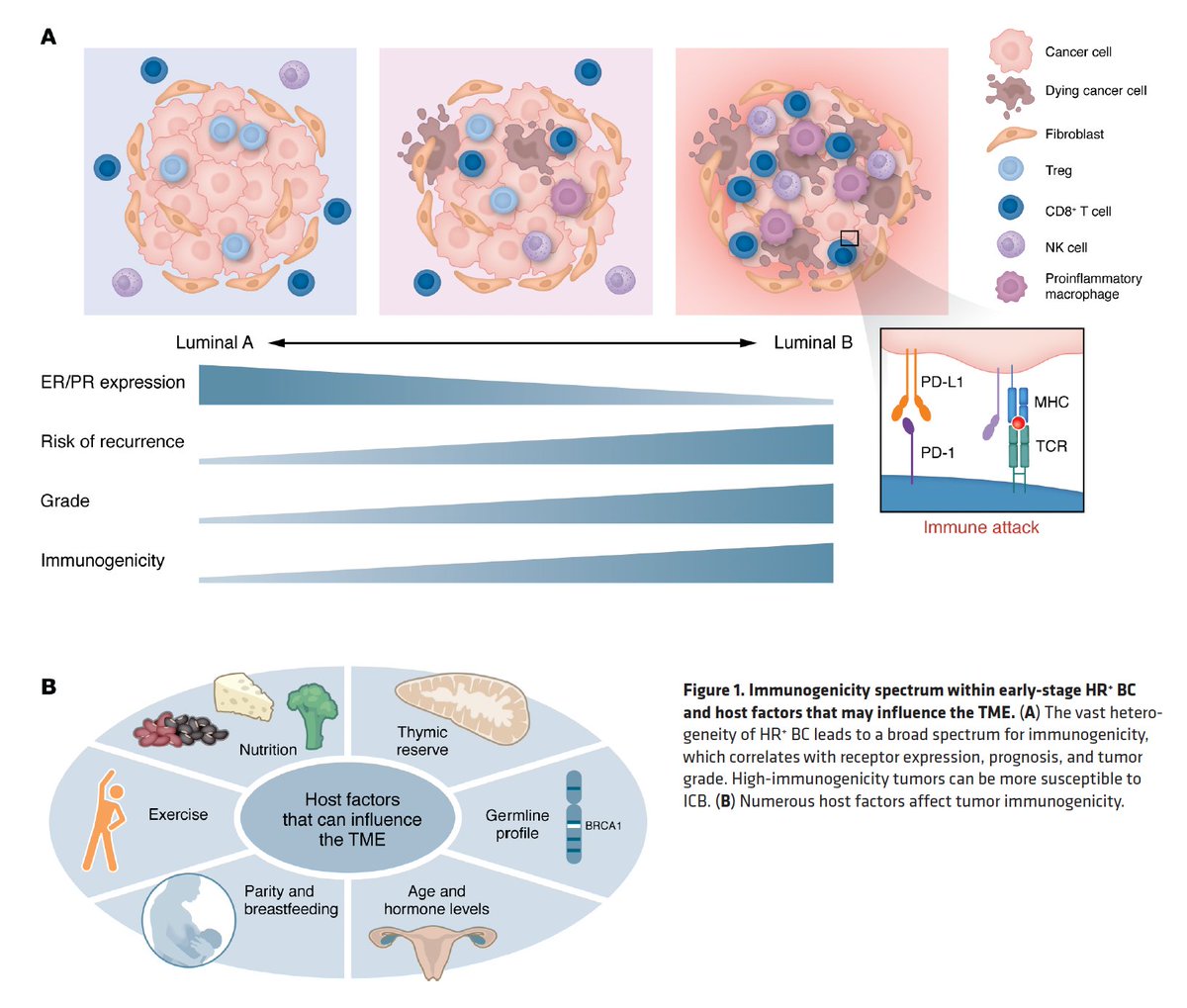
How should immunotherapy be optimally applied for breast cancer? Excellent review of all the work being done in this field, and emphasis of the patient, not just the tumor, immune status (see Figure B below) @jclinicalinvest
https://t.co/1bqMNY60RM
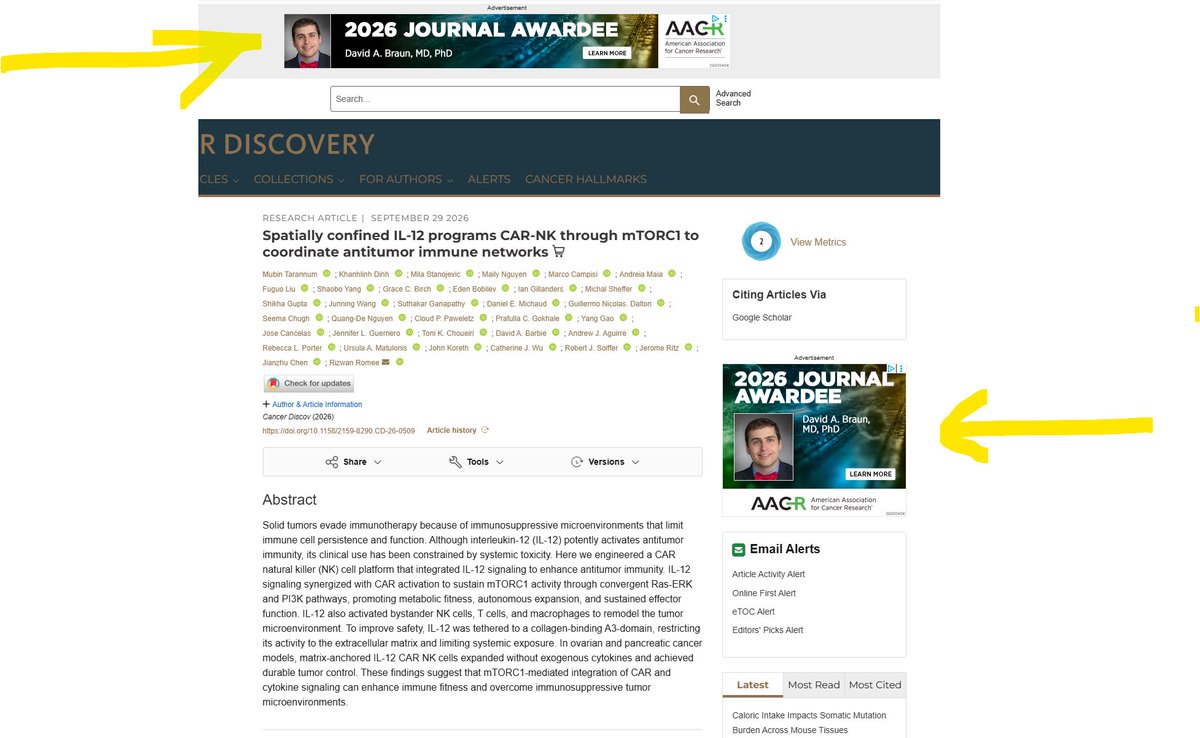
Congratulations to @romeerizwan and team on this exciting work in @CD_AACR —a terrific collaboration (that includes our @DanaFarber_GU group) on spatially confined IL-12 + CAR-NK biology.
And a very pleasant surprise on the same page: seeing @BraunMDPhD, now at @YaleCancer featured as the 2026 Cancer Discovery Journal Awardee. Full-circle moment!
@DanaFarber@DanaFarberNews@harvardmed
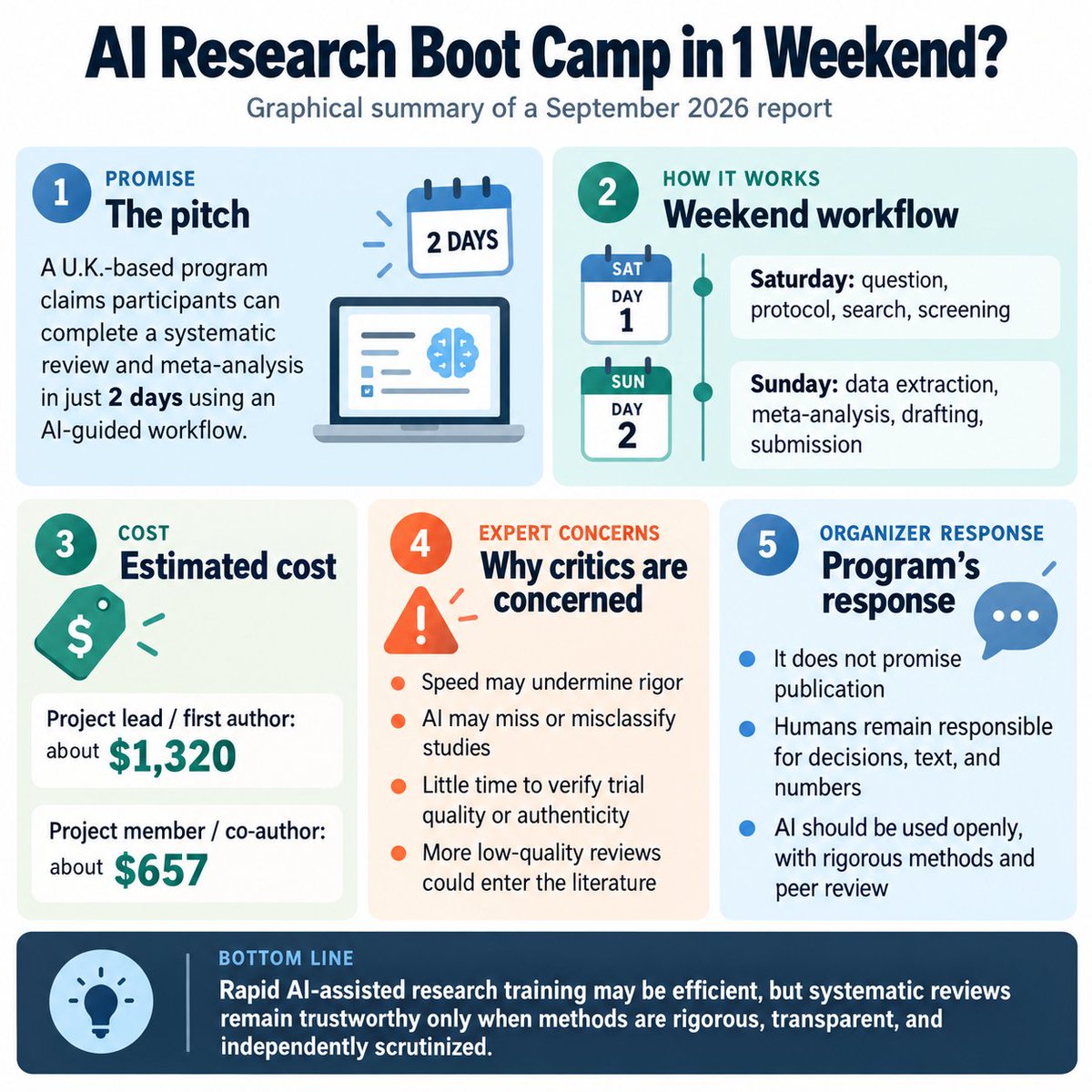
Systematic review + meta-analysis in 1 weekend, with AI support, and a manuscript ready for submission by Sunday evening. Efficiency or scientific fast food? https://t.co/qgPR2vfFzn
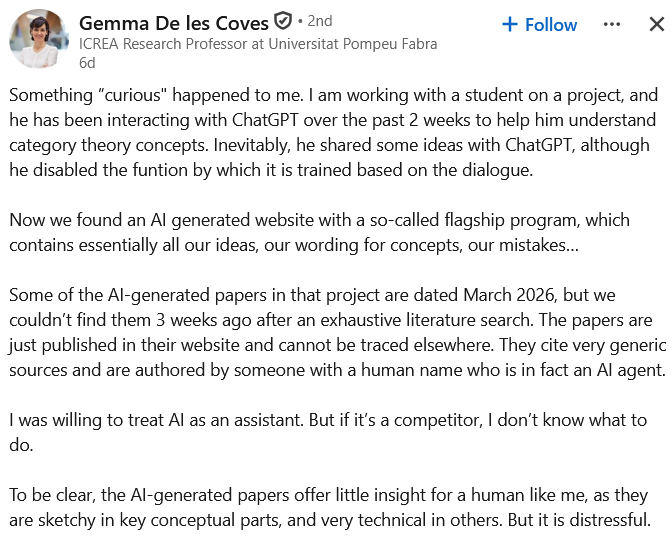
The LinkedIn post's claim is quite plausible: data leaks, AI-generated fake papers, and autonomous agents are documented risks of AI use. Protect your data: use Temporary Chats (not used for training, deleted after 30d) and opt out of training even there. https://t.co/ZqnBVzvAZ2
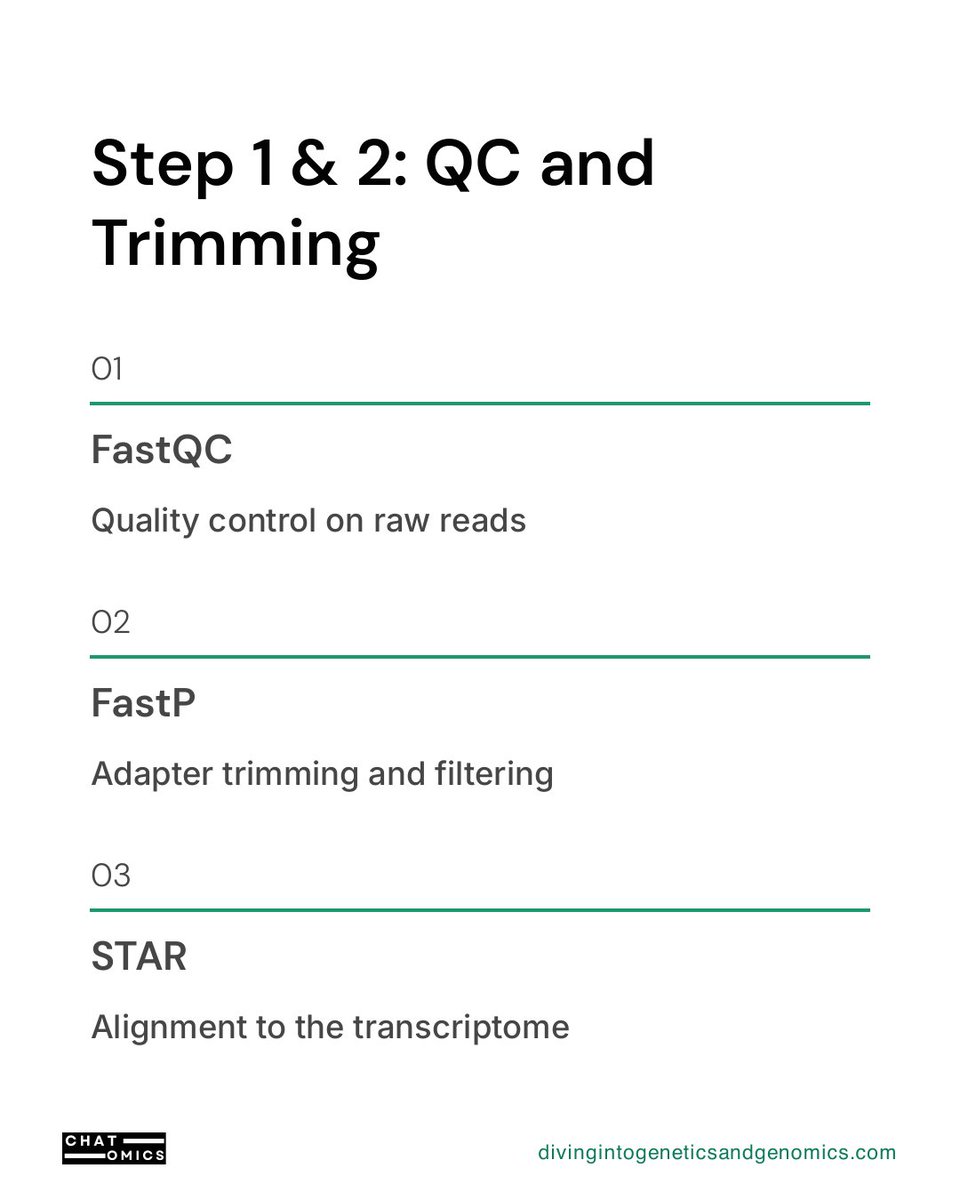
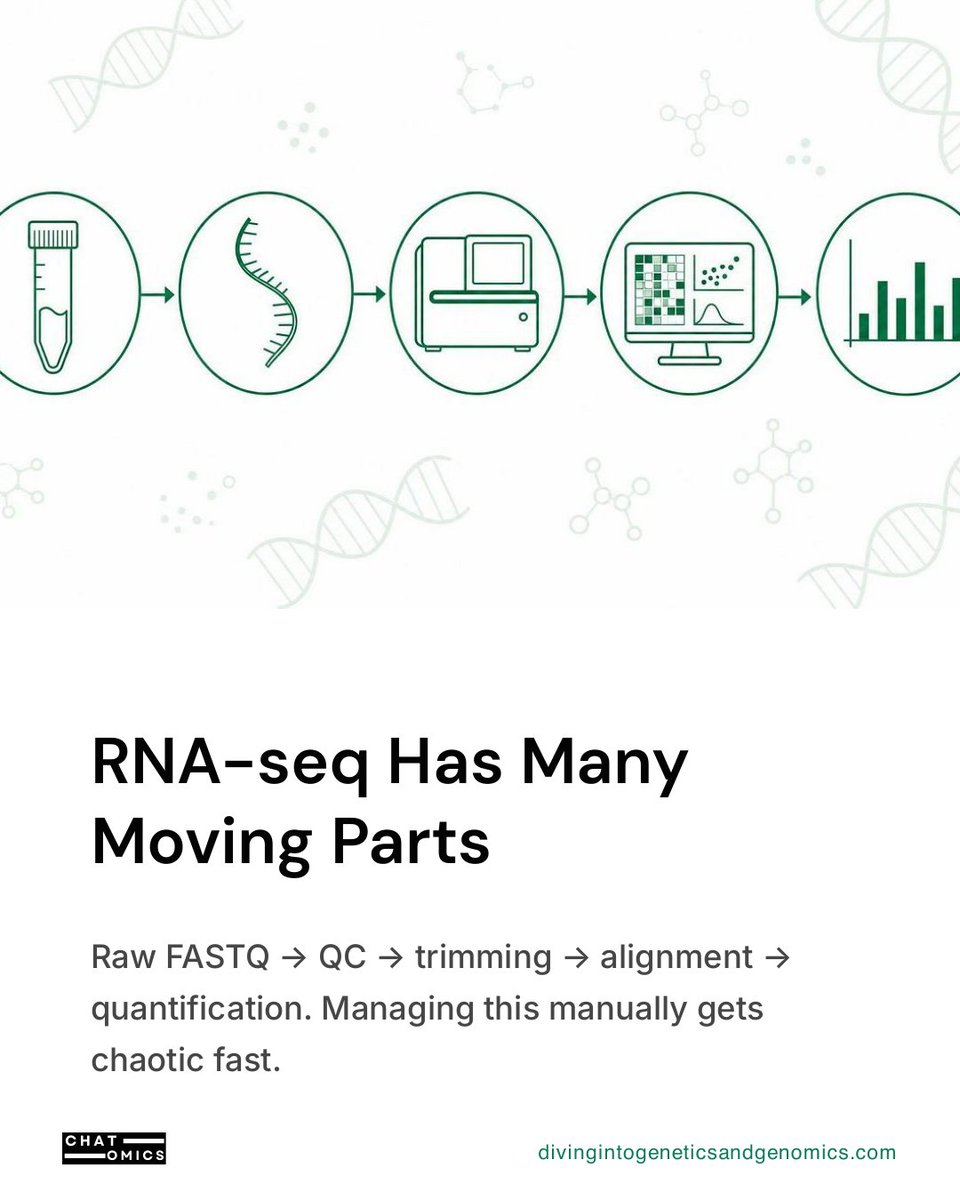
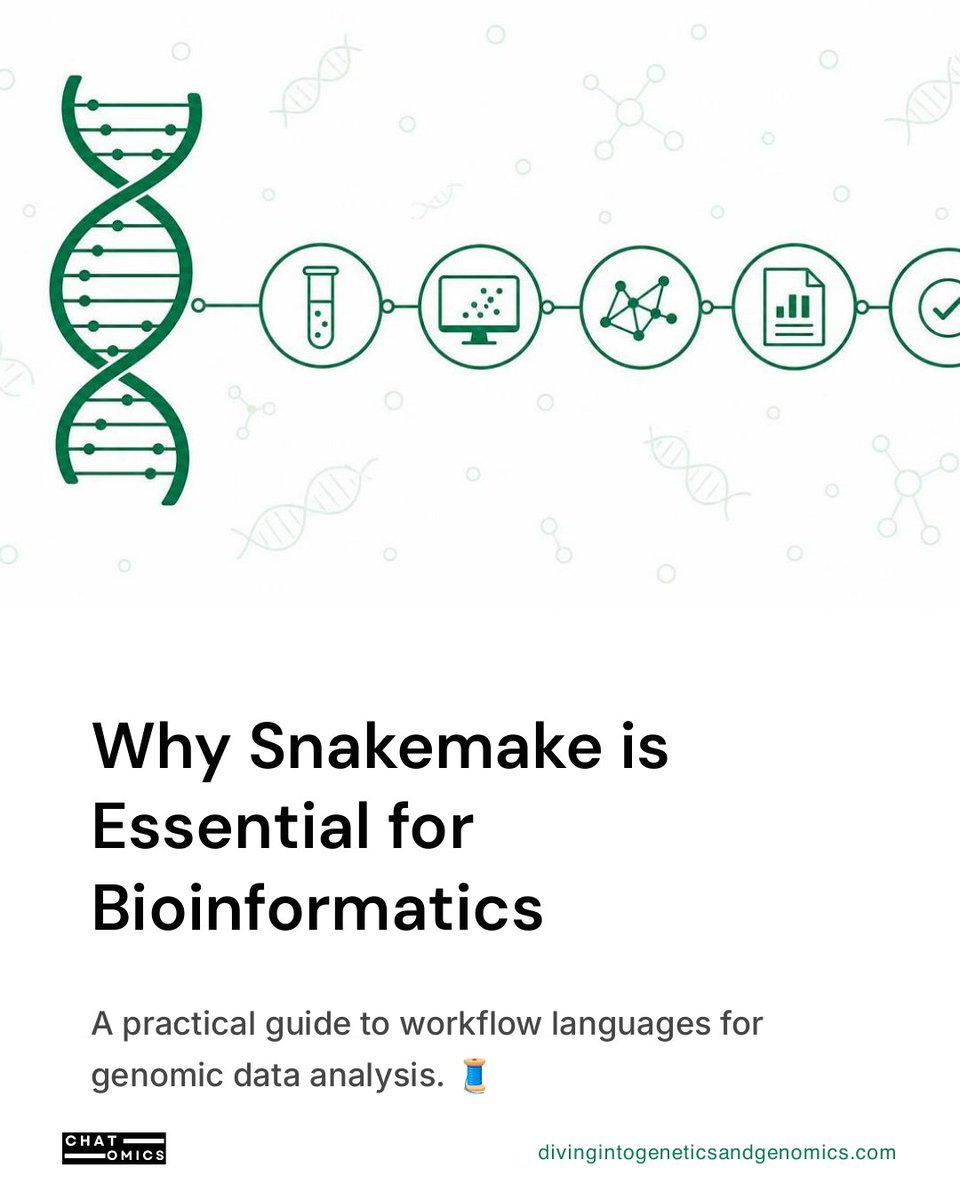
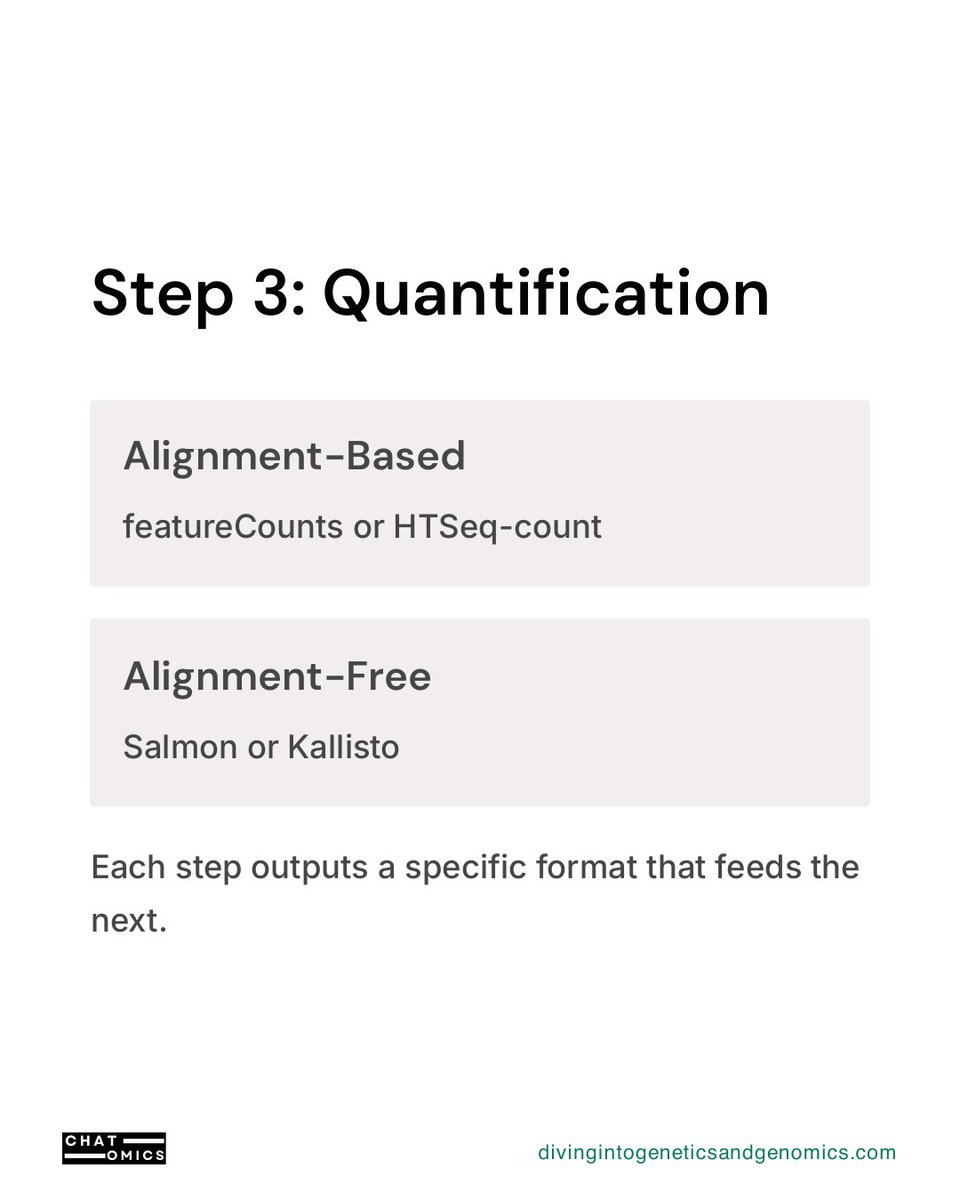
Running your RNA-seq steps by hand, one script at a time?
A workflow language like Snakemake reruns only what changed — and makes your pipeline reproducible by anyone.
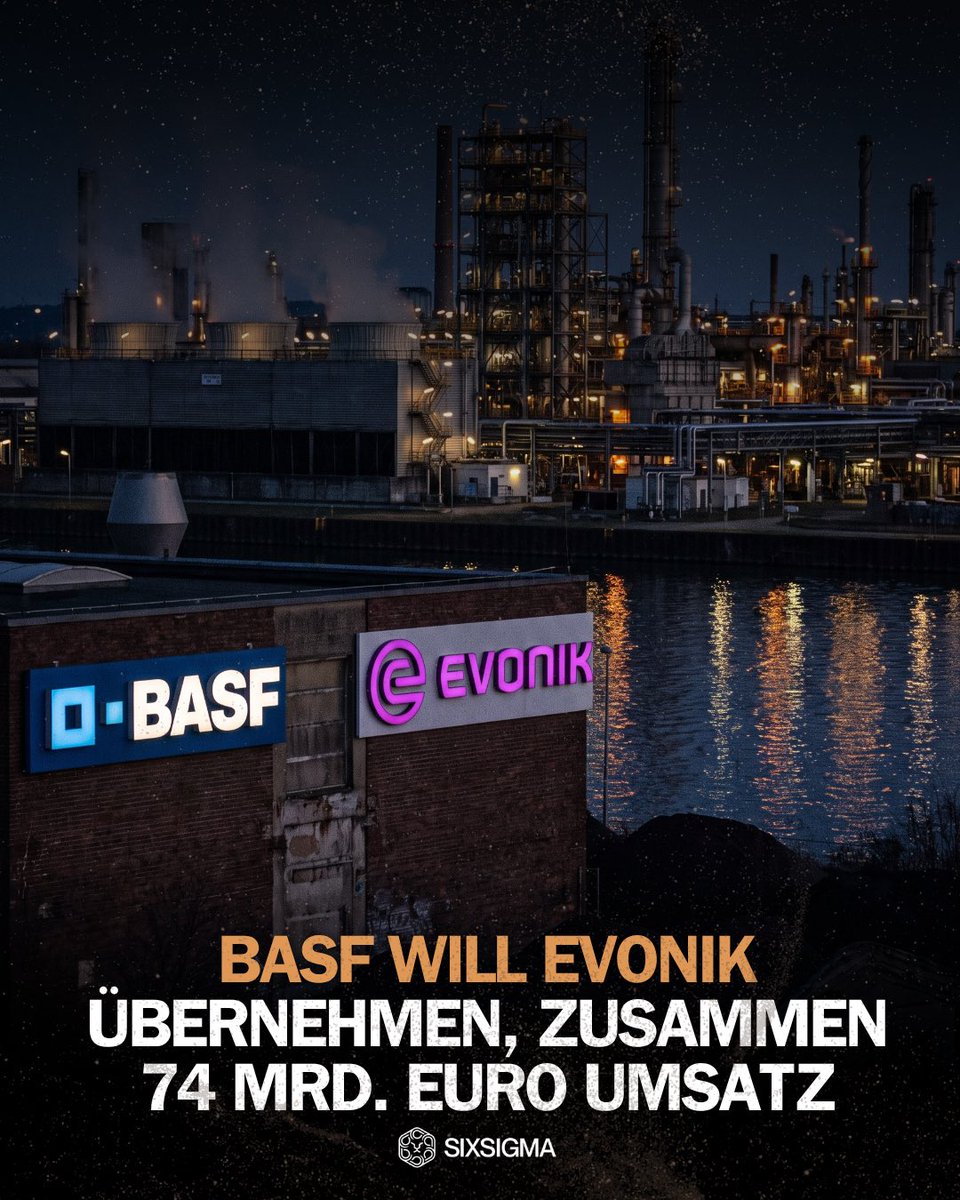
BASF will offenbar den Konkurrenten Evonik übernehmen.
Das berichtet die Financial Times.
Der weltgrößte Chemiekonzern hat demnach Evonik und dessen Großaktionär, die RAG Stiftung, angesprochen. Die Stiftung hält 43 Prozent und gilt als entscheidend für einen Deal.
Evonik ist an der Börse rund 8,4 Milliarden Euro wert. BASF selbst kommt auf etwa 47 Milliarden Euro.
Zusammen würden beide Konzerne rund 74 Milliarden Euro Umsatz erzielen.
Ziel wäre mehr Schlagkraft gegen Konkurrenten wie Sinopec aus China und Dow aus den USA.
Die Evonik Aktie legte nach dem Bericht deutlich zu.