@OfficialLoganK Why this?: “The provided URIs must be directly accessible by the end users and must not be queried programmatically through automated means. If automated access is detected, the grounded answer generation service might stop providing the redirection URIs.”
@iavins YMMV. From the linked blog post:
```
(…)
- Completely removing database writes from the clients
Which will work for approximately 0% of everybody else, but we don't care about them.
```
@danshipper Too expensive for many use cases: $200/1M output tokens, $100/1M input tokens - for the audio portion (chat history should be priced as text and much cheaper, but still). https://t.co/KriSNAUjoF
Can’t we have both, i.e., markdown level performance with JSON-strict outputs using a simple 2-step process (and ~10% cost increase and ~2x time):
1. Get markdown response from your favorite model (let’s say Sonnet 3.5)
2. Ask 4o-mini with json:strict to rewrite the first LLM result in your json schema
This assumes only that 4o-mini is good enough to correctly rewrite the markdown output as JSON. Which in my experience is a no-brainer assumption for most use-cases (certainly for the one in your blog post).
@emollick The whole discussion on calibration seems to imply that MS used a non public chat API, with access to logprobs (like the old completions API still has). Logprobs are super useful, as this paper illustrates.
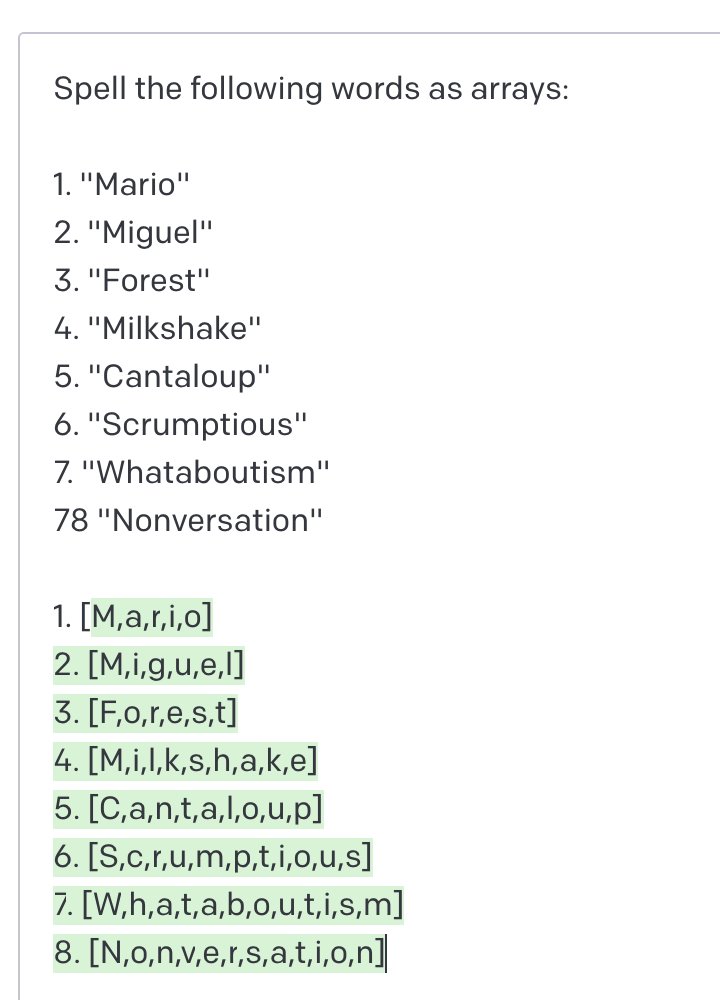
@goodside I don't think so. Look how well it can spell even rarer words like "Scrumptious" and made up words like "nonversation" and "whataboutism".
https://t.co/BcSZ8nyBgp
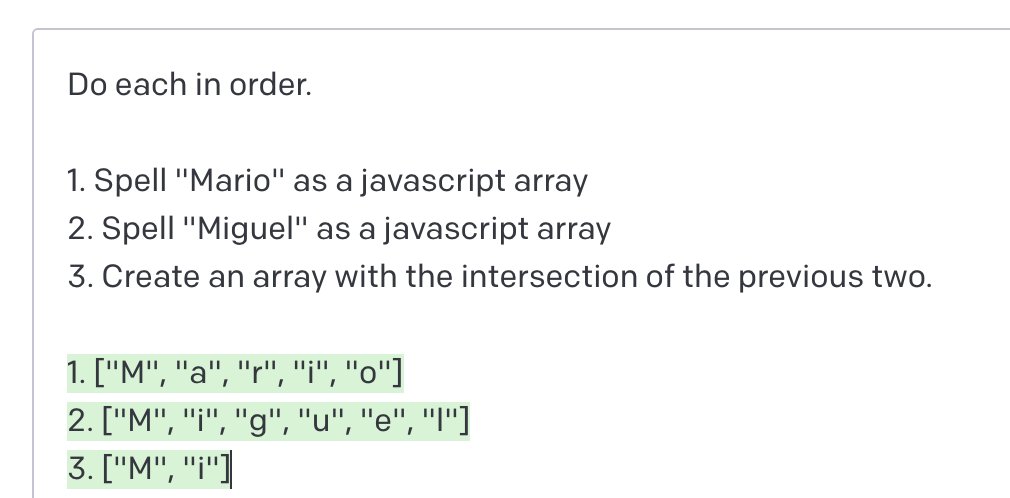
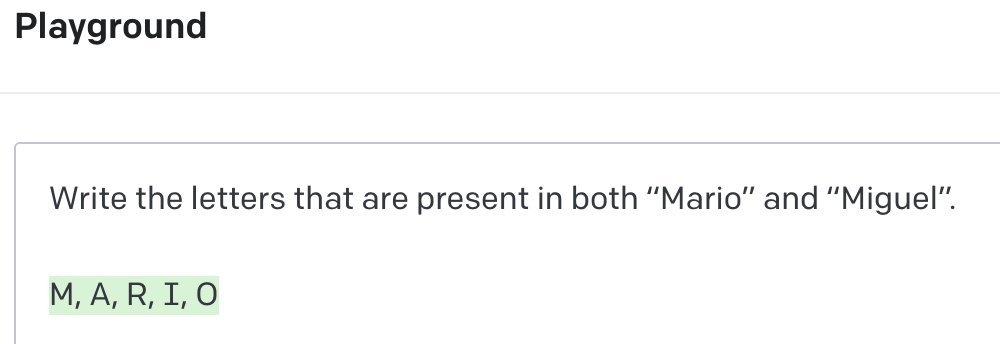
@goodside But it's not true that it doesn't know the sequence of letters of these words. And if you ask step-by-step it does the intersection task correctly.
https://t.co/RNeiWww1pK